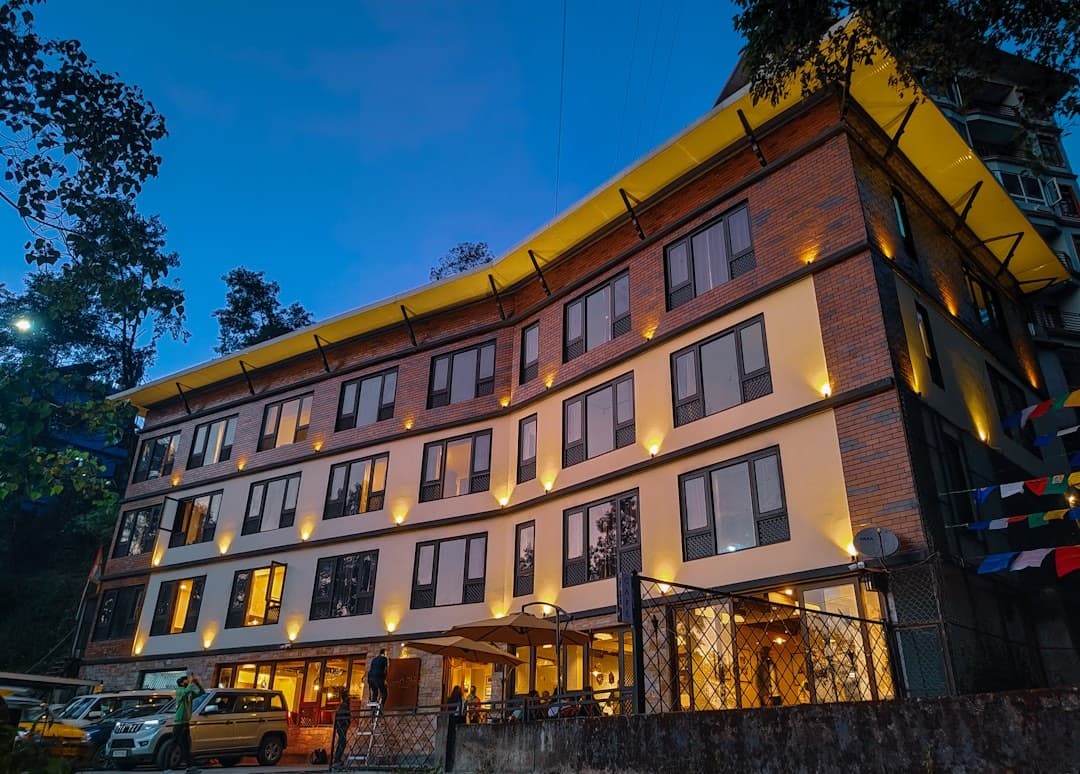
Is Sikkim Safe for Tourists? Essential Safety Tips for 2026
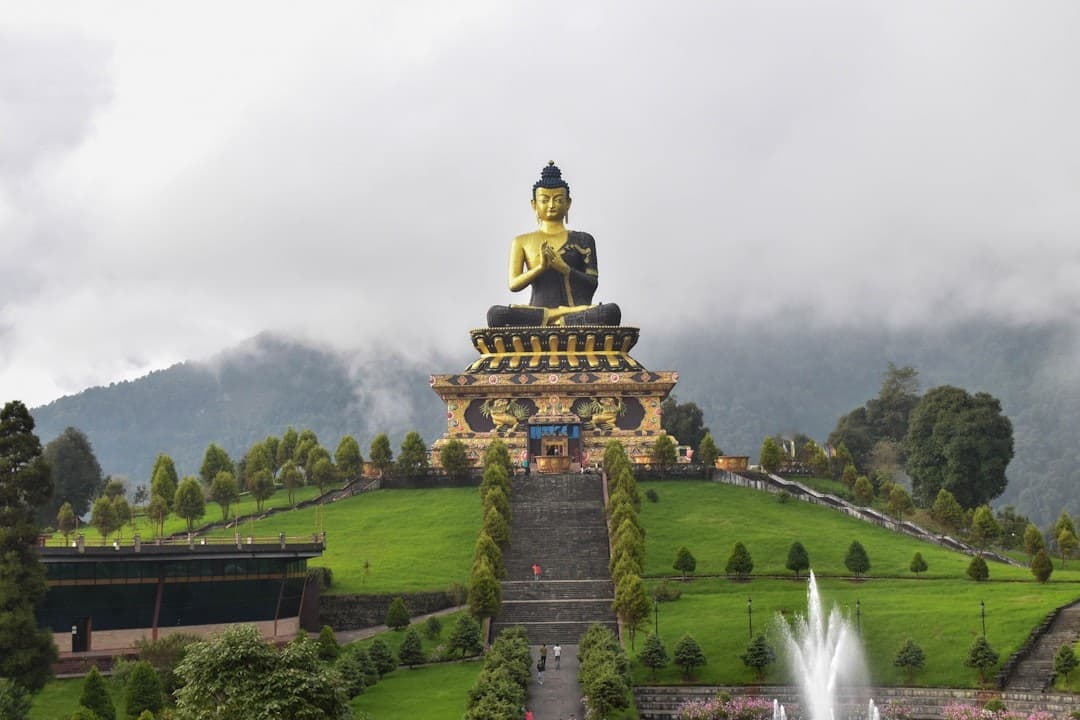
Nestled in the lap of the Eastern Himalayas, Sikkim has long been a dream destination for travelers seeking pristine landscapes, ancient monasteries, and encounters with diverse cultures. But if you're planning your first trip to this enchanting state, one question probably lingers in your mind: Is Sikkim actually safe for tourists?
As someone who has traversed Sikkim's winding mountain roads multiple times and spent countless nights in remote villages, I can tell you this with confidence—Sikkim is one of the safest destinations in India. However, like any travel destination, it comes with its own set of considerations that smart travelers should know about.
Let me walk you through everything you need to know to explore this Himalayan gem safely and confidently.
Why Sikkim is Considered One of India's Safest States
Low Crime Rate and Peaceful Environment
Sikkim consistently ranks among India's safest states, with one of the lowest crime rates in the country. The state's small population of around 600,000 people, combined with strong community values and effective governance, creates an environment where tourists can explore freely without constant worry.
The local Sikkimese people—comprising Lepchas, Bhutias, and Nepalis—are renowned for their warmth and hospitality. It's not uncommon for strangers to invite you for a cup of butter tea or help you navigate unfamiliar terrain. This genuine friendliness makes solo travelers, especially women, feel remarkably comfortable.
Strict Regulations and Permit Systems
Sikkim's protected status means that tourists need Inner Line Permits (ILP) to enter certain areas, particularly near the borders with Tibet and Bhutan. While this might seem like a hassle, these regulations actually contribute to safety by:
- Controlling tourist flow in sensitive areas
- Ensuring authorities know who is traveling where
- Maintaining environmental and cultural integrity
- Reducing overcrowding in remote regions
Understanding the Real Risks in Sikkim
While Sikkim is safe from a crime perspective, there are natural and logistical challenges you should prepare for:
Altitude Sickness: The Silent Concern
Many popular places to visit in Sikkim sit at high altitudes:
- Gangtok: 1,650 meters (5,410 feet)
- Lachen: 2,750 meters (9,020 feet)
- Gurudongmar Lake: 5,183 meters (17,000 feet)
- Tsomgo Lake: 3,753 meters (12,313 feet)
Symptoms to watch for:
- Headaches and dizziness
- Nausea and loss of appetite
- Shortness of breath
- Difficulty sleeping
Pro tip: Spend at least one full day acclimatizing in Gangtok before heading to higher altitudes. Drink plenty of water, avoid alcohol, and don't push yourself too hard on the first couple of days.
Road Conditions and Landslides
Sikkim's dramatic terrain means roads can be challenging, especially during monsoon season (June-September). Landslides are common and can cause:
- Road blockages lasting hours or even days
- Unexpected detours
- Trip cancellations to certain areas
Safety measures:
- Always travel with experienced local drivers
- Avoid night driving on mountain roads
- Keep buffer days in your itinerary
- Check weather forecasts before heading to remote areas
Weather Unpredictability
Mountain weather changes rapidly. A sunny morning can transform into a foggy, rainy afternoon within hours. This affects visibility, road conditions, and your overall experience.
Essential Safety Precautions for Your Sikkim Trip
Before You Go
-
Get proper travel insurance that covers:
- High-altitude activities
- Emergency evacuation
- Trip cancellation due to natural events
-
Obtain necessary permits in advance:
- ILP for North Sikkim (Lachen, Lachung, Gurudongmar)
- Protected Area Permit for Nathula Pass
- Restricted Area Permit for certain border regions
-
Consult your doctor about altitude sickness medication like Diamox, especially if you plan to visit high-altitude lakes.
-
Pack appropriately:
- Layered clothing (temperatures vary drastically)
- Waterproof jacket and bags
- Sturdy walking shoes
- Sunscreen and sunglasses (UV rays are intense at altitude)
- Basic first-aid kit
During Your Trip
Transportation Safety:
- Book vehicles through reputable agencies or your hotel
- Ensure your driver is experienced with mountain roads
- Always wear seatbelts (yes, even in shared jeeps)
- Avoid overcrowded shared taxis
Health Precautions:
- Stay hydrated—drink at least 3-4 liters of water daily
- Eat at clean, established restaurants
- Carry hand sanitizer and basic medications
- Don't ignore symptoms of altitude sickness
Money and Valuables:
- Carry enough cash (ATMs are scarce in remote areas)
- Keep important documents in waterproof bags
- Use hotel safes for valuables
- Make digital copies of all documents
Safety Tips for Different Types of Travelers
Solo Travelers
Sikkim is excellent for solo travel. The well-established tourism infrastructure and friendly locals make navigation easy. However:
- Share your itinerary with family or friends back home
- Join group tours for remote areas like North Sikkim
- Stay connected—buy a local SIM card (Airtel and Jio work best)
- Trust your instincts in unfamiliar situations
Women Travelers
Sikkim is remarkably safe for women, even those traveling alone. The respectful culture and low harassment rates make it a refreshing experience. Still:
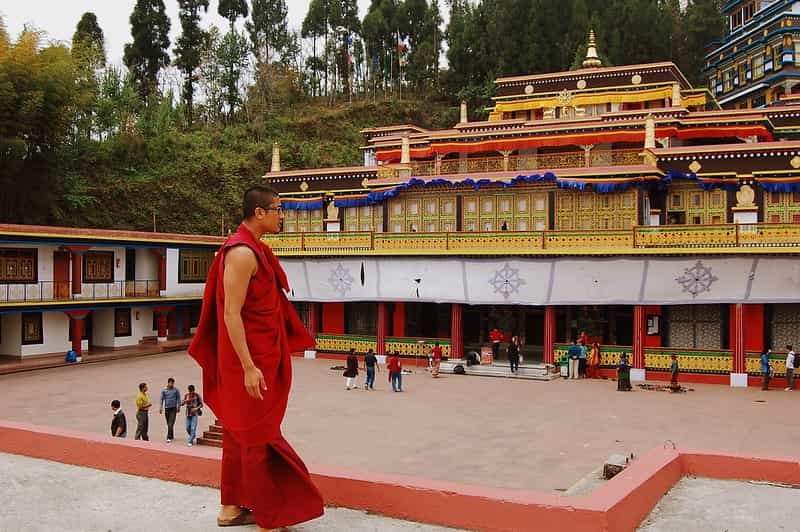
- Dress modestly, especially at monasteries
- Avoid isolated areas after dark
- Stay at well-reviewed accommodations
- Keep emergency contacts handy
Family Travelers with Children
Sikkim welcomes families, but altitude is a genuine concern for young children:
- Consult a pediatrician before visiting high-altitude areas
- Keep trips to extreme altitudes (above 4,000m) short
- Carry enough snacks and entertainment for long drives
- Choose family-friendly hotels with proper heating
Best Times to Visit for Maximum Safety
| Season | Months | Safety Level | Notes |
|---|---|---|---|
| Spring | March-May | ★★★★★ | Ideal weather, rhododendrons blooming, clear roads |
| Summer | June-August | ★★★☆☆ | Monsoon brings landslides, some areas inaccessible |
| Autumn | September-November | ★★★★★ | Clear skies, excellent visibility, stable roads |
| Winter | December-February | ★★★★☆ | Cold but beautiful, some high passes closed |
My recommendation: Visit during October-November for the perfect combination of safety, weather, and stunning Himalayan views.
Emergency Contacts and Resources
Keep these numbers saved on your phone:
- Police Emergency: 100
- Tourist Police (Gangtok): 03592-221906
- STNM Hospital (Gangtok): 03592-222059
- Disaster Management: 1070
Final Thoughts: Should You Visit Sikkim?
Absolutely, yes! Sikkim offers an incredibly rewarding travel experience with minimal safety concerns compared to many other destinations worldwide. The combination of breathtaking natural beauty, rich Buddhist heritage, and genuinely welcoming people makes it a must-visit destination.
The key to a safe and enjoyable trip lies in preparation and respect—prepare for altitude and weather challenges, respect local customs and regulations, and maintain the common-sense precautions you'd take anywhere in the world.
Quick Takeaways:
- ✅ Sikkim has one of India's lowest crime rates
- ✅ Locals are friendly and helpful toward tourists
- ✅ Main risks are natural (altitude, weather, road conditions)
- ✅ Proper permits and planning eliminate most concerns
- ✅ Safe for solo travelers, women, and families
- ✅ Best visited in spring or autumn for optimal conditions
So pack your bags, get those permits sorted, and prepare for an adventure that will stay with you forever. Sikkim isn't just safe—it's transformative.
Have you traveled to Sikkim? Share your safety tips and experiences in the comments below!
Leave a Comment
Explore Sikkim
Ready to plan your trip? Check out our complete travel guide and packages.