Languages Spoken in Sikkim: Complete Communication Guide 2026
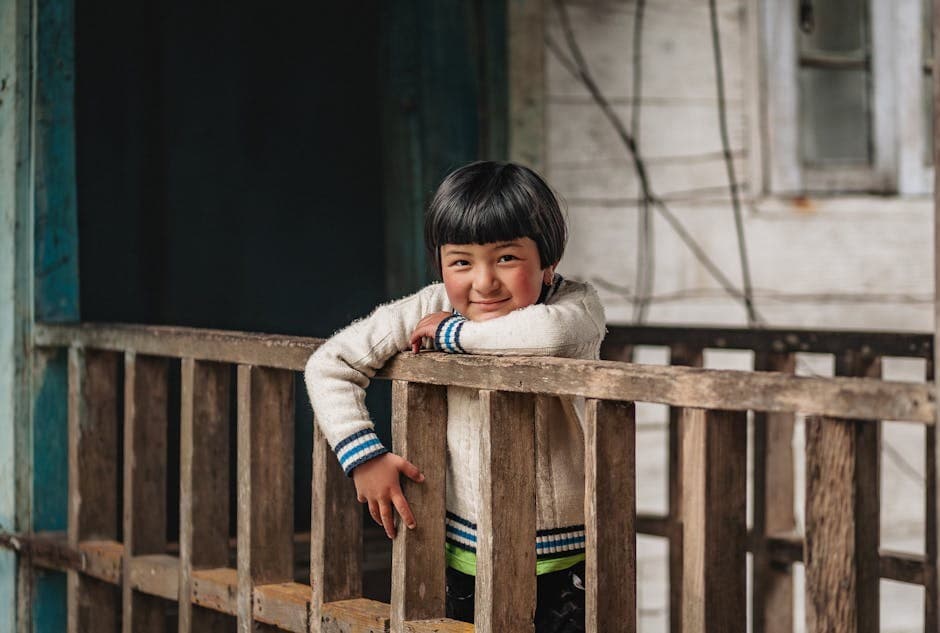
Nestled between Nepal, Bhutan, and Tibet, the enchanting state of Sikkim offers breathtaking mountain vistas, ancient monasteries, and vibrant cultural diversity. But as you plan your journey to this Himalayan paradise, you might wonder: What languages are spoken in Sikkim, and will I face communication barriers?
Don't worry – while Sikkim is linguistically diverse, communication challenges are minimal for most travelers. This comprehensive guide will help you navigate the linguistic landscape of Sikkim with confidence.
The Official Languages of Sikkim
Sikkim stands out as one of India's most multilingual states, with 11 official languages – more than any other Indian state! Here's what you need to know:
Primary Official Languages
- Nepali (most widely spoken)
- Sikkimese (Bhutia)
- Lepcha (indigenous language)
- English
- Hindi
Additional Official Languages
- Gurung
- Limbu
- Magar
- Mukhia
- Newari
- Rai
- Sherpa
- Tamang
The Dominant Language: Nepali
Nepali is the lingua franca of Sikkim, spoken by approximately 70% of the population. This shouldn't surprise you, given that people of Nepali origin constitute the majority of Sikkim's residents. Whether you're shopping in Gangtok's markets, dining at local restaurants, or chatting with taxi drivers, you'll hear Nepali conversations everywhere.
Fun fact: Sikkim was the first Indian state to recognize Nepali as an official language, doing so even before Nepal itself!
Indigenous Languages: Preserving Ancient Heritage
Sikkimese (Bhutia)
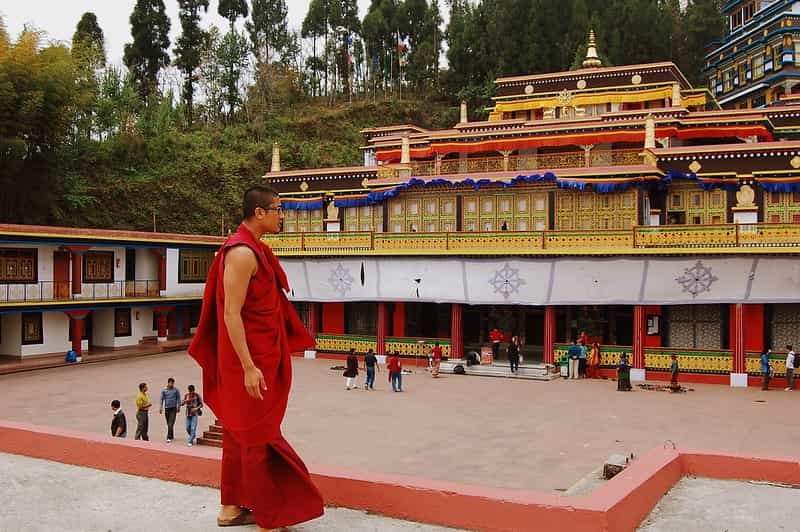
Spoken by the Bhutia community, Sikkimese is closely related to Tibetan and is primarily used in monasteries and traditional ceremonies. You'll encounter this language if you visit Buddhist monasteries like Rumtek or Pemayangtse.
Lepcha: The Original Voice
Known as "Rong ring" (the language of the Rong people), Lepcha is the indigenous language of Sikkim's original inhabitants. Though speaker numbers have declined, efforts are underway to preserve this ancient tongue through cultural programs and education.
Will You Face Communication Barriers?
The Short Answer: Probably Not!
Here's the reassuring truth: Most travelers face minimal communication barriers in Sikkim. Here's why:
English is Widely Understood
- Tourism industry professionals (hotel staff, tour guides, travel agents) speak good English
- Government offices and banks operate in English
- Road signs and tourist information are bilingual (English and local languages)
- Younger generation is generally comfortable with English
Hindi Works Too
If you speak Hindi, you're in luck! Most Sikkimese people understand and speak Hindi, especially in:
- Urban areas like Gangtok, Namchi, and Gyalshing
- Tourist destinations
- Government establishments
- Educational institutions
Practical Communication Tips for Travelers
In Urban Areas (Gangtok, Pelling, Namchi)
- English and Hindi work perfectly fine
- Hotel reception, restaurants, and shops cater to tourists
- No language barriers for standard tourist activities
In Rural and Remote Areas
- Basic Nepali phrases can be incredibly helpful
- Hand gestures and smiles go a long way
- Consider hiring a local guide who can translate
- Use translation apps as backup
Essential Nepali Phrases for Travelers
Learning a few basic Nepali phrases will endear you to locals and enhance your travel experience:
- Namaste - Hello/Goodbye
- Dhanyabad - Thank you
- Maaf garnuhos - Excuse me/Sorry
- Kati ho? - How much?
- Paani - Water
- Khaana - Food
- Ramro - Good/Beautiful
- Sahayog garnuhos - Please help
Language Considerations by Activity
Trekking and Adventure Activities
- Trek guides usually speak English
- Porter communication might require basic Nepali
- Mountain communities may have limited English
- Sherpa guides often speak multiple languages
Cultural and Religious Sites
- Monastery monks often speak English, Hindi, or Tibetan
- Local priests might prefer Nepali or Sikkimese
- Cultural performances usually have English explanations
Shopping and Dining
- Tourist-oriented establishments - English works fine
- Local markets - Basic Nepali helps with bargaining
- Street food vendors - Hand gestures and pointing work!
- Upscale restaurants - English menus available
Technology to Bridge Language Gaps
Recommended Translation Apps
- Google Translate (works offline too)
- Microsoft Translator
- SayHi Translate
- iTranslate Voice
Offline Preparation
- Download Nepali language packs before traveling
- Save important phrases as screenshots
- Carry a pocket phrasebook
- Learn numbers in Nepali for shopping
Cultural Sensitivity and Language Etiquette
Do's
- Attempt local greetings - locals appreciate the effort
- Be patient when communication is challenging
- Show respect for indigenous languages and cultures
- Learn about different communities you'll encounter
Don'ts
- Don't assume everyone speaks Hindi - ask politely
- Avoid speaking loudly when not understood
- Don't ignore local customs related to language use
- Don't be impatient with elderly people who might know less English
Special Considerations for Different Regions
North Sikkim (Lachen, Lachung)
- Tibetan influence is stronger here
- Local dialects more prevalent
- Tourist infrastructure ensures English communication
West Sikkim (Pelling, Yuksom)
- Nepali dominates in most areas
- English widely understood in tourist zones
- Lepcha communities might use indigenous language
South Sikkim (Namchi, Ravangla)
- Excellent English in tourist areas
- Hindi commonly understood
- Cultural sites often have multilingual guides
East Sikkim (Gangtok, Tsomgo Lake)
- Most cosmopolitan region
- Excellent English communication
- Multiple languages heard in markets
Conclusion: Embrace the Linguistic Diversity
Sikkim's linguistic diversity is part of its charm, not a barrier to overcome. While the state boasts 11 official languages, English and Hindi will serve you well throughout your journey. The key is approaching communication with patience, respect, and a sense of adventure.
Your action plan:
- Rely on English for most tourist interactions
- Learn basic Nepali phrases to connect with locals
- Download translation apps for backup
- Embrace the cultural exchange that comes with language diversity
- Be patient and smile – universal languages that work everywhere!
Remember, Sikkimese people are known for their warmth and hospitality. Even if words fail, their welcoming nature will ensure your Himalayan adventure is unforgettable. So pack your bags, brush up on those Nepali phrases, and get ready to explore one of India's most linguistically rich destinations!
Happy travels, and remember – in Sikkim, a smile speaks every language!
Leave a Comment
Explore Sikkim
Ready to plan your trip? Check out our complete travel guide and packages.