Northeast India Cultural Etiquette: Your Complete Travel Guide
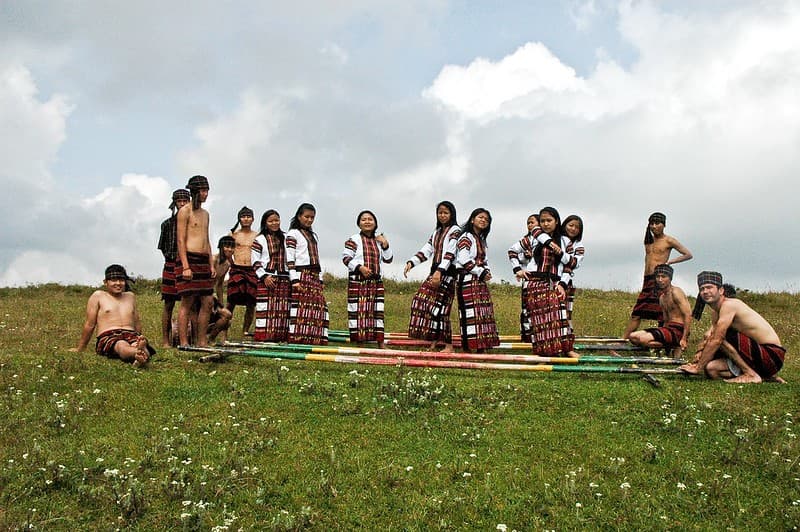
Nestled between the mighty Himalayas and the lush plains of Bengal, [Northeast India](/ guide/north-east) is a treasure trove of diverse cultures, ancient traditions, and breathtaking landscapes. This enchanting region, comprising eight states known as the "Seven Sisters" plus Sikkim, offers travelers an authentic glimpse into India's rich cultural tapestry. However, to truly appreciate and respect this remarkable destination, understanding the local cultural etiquette is essential.
Whether you're planning to trek through Arunachal Pradesh's pristine valleys, explore Meghalaya's living root bridges, or immerse yourself in Assam's tea culture, this comprehensive guide will help you navigate the cultural nuances with confidence and respect.
Understanding Northeast India's Cultural Landscape
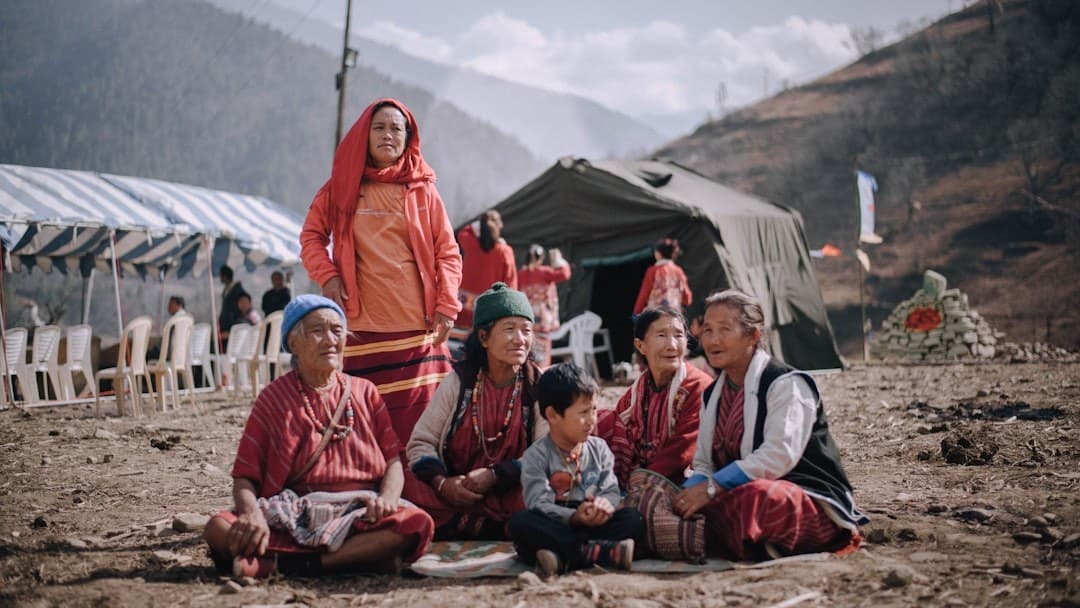
Northeast India is home to over 200 distinct tribes and ethnic communities, each with their own languages, customs, and traditions. Unlike mainland India, the region has strong Mongoloid influences and shares cultural similarities with Southeast Asian countries. This unique blend creates a fascinating cultural mosaic that requires sensitive understanding.
Key Cultural Characteristics
- Tribal Heritage: Most communities maintain strong tribal identities and traditional practices
- Christian Influence: Many states have significant Christian populations alongside indigenous beliefs
- Matrilineal Societies: Some communities, like the Khasis of Meghalaya, follow matrilineal traditions
- Nature Worship: Deep reverence for nature and environmental conservation
- Community-Centric Living: Strong emphasis on collective decision-making and community harmony
Essential Greeting Customs and Social Interactions
Traditional Greetings
Greeting customs vary significantly across the region, but some universal principles apply:
Respectful Approaches:
- Use both hands when offering or receiving items
- Maintain appropriate eye contact without staring
- Smile genuinely and speak in moderate tones
- Address elders with special respect and deference
State-Specific Greeting Customs
Assam: The traditional greeting is "Namaskar" with palms joined, similar to mainland India.
Manipur: "Khurumjari" is the common greeting, often accompanied by a slight bow.
Nagaland: A firm handshake is acceptable, especially among Christians, but always wait for the other person to extend their hand first.
Meghalaya: The Khasi greeting "Kumno" (how are you?) shows cultural awareness and respect.
Religious Practices and Sacred Spaces
Respecting Diverse Faiths
The religious landscape of Northeast India is remarkably diverse, encompassing Christianity, Hinduism, Buddhism, and various indigenous belief systems.
Church Etiquette:
- Dress modestly when visiting churches
- Remove hats and maintain silence during services
- Photography may be restricted - always ask permission
Sacred Groves and Natural Sites:
- Many communities consider certain forests, lakes, and mountains sacred
- Never litter or disturb the natural environment
- Seek local guidance before visiting remote sacred sites
- Some areas may be completely off-limits to outsiders
Buddhist Monasteries:
- Remove shoes before entering prayer halls
- Walk clockwise around stupas and prayer wheels
- Dress conservatively and maintain respectful silence
Dining Etiquette and Food Culture
Traditional Dining Customs
Food culture in Northeast India reflects the region's agricultural heritage and community values.
Essential Dining Etiquette:
- Always wash your hands before and after meals
- Wait to be seated - there's often a specific seating arrangement
- Use your right hand for eating and passing food
- Try a little of everything offered to show appreciation
- Don't waste food - it's considered highly disrespectful
Special Considerations
Meat and Alcohol:
- Many communities consume pork and beef, unlike other parts of India
- Local rice wine and traditional alcoholic beverages are common
- Always ask about dietary restrictions and preferences
Community Meals:
- Sharing meals is a sign of friendship and acceptance
- Community feasts during festivals are significant social events
- Contributing to community meals when invited is appreciated
Dress Codes and Appearance Guidelines
General Dressing Principles
For All Travelers:
- Dress modestly, especially when visiting villages or religious sites
- Avoid revealing clothing like short shorts, tank tops, or low necklines
- Comfortable, weather-appropriate clothing is practical and respectful
Cultural Sensitivity in Attire
Traditional Wear Appreciation:
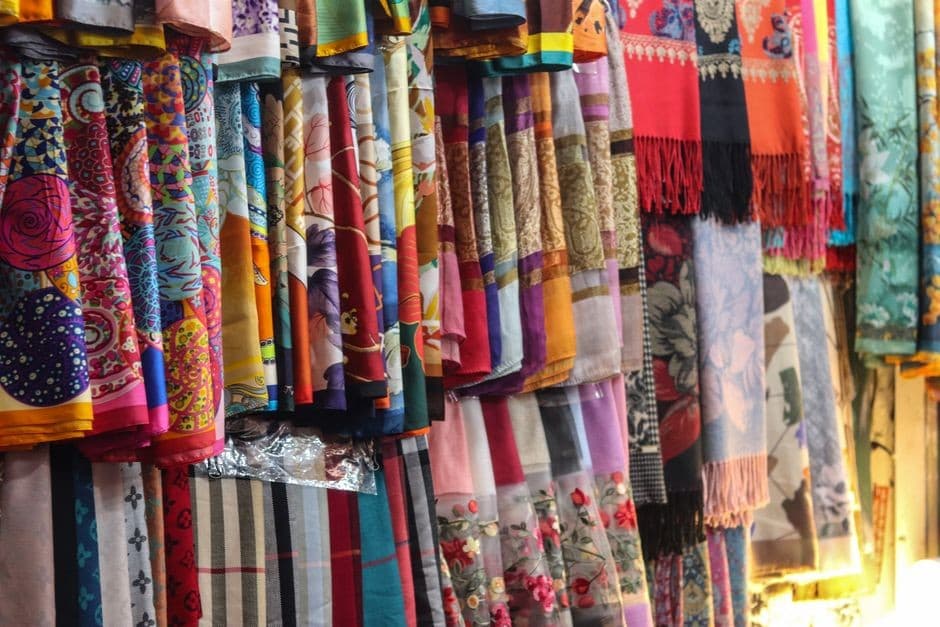
- Showing interest in local textiles and traditional clothing is welcomed
- However, avoid wearing traditional ceremonial attire unless specifically invited
- Purchase authentic handwoven textiles to support local artisans
Practical Considerations:
- Pack layers for varying altitudes and weather conditions
- Waterproof clothing is essential during monsoon seasons
- Comfortable walking shoes are crucial for mountainous terrain
Photography Ethics and Permissions
Respectful Photography Practices
Northeast India offers stunning photographic opportunities, but cultural sensitivity is paramount.
Always Ask Permission:
- Request consent before photographing people, especially elders and children
- Some communities believe photography captures the soul
- Respect "no photography" signs at religious and sacred sites
Cultural Considerations:
- Avoid photographing people during private moments or ceremonies
- Don't photograph military installations or border areas
- Be mindful of traditional practices that may be considered sacred
Gift-Giving and Hospitality Customs
Understanding Local Hospitality
Northeast Indian communities are renowned for their warmth and hospitality.
Accepting Hospitality:
- Graciously accept offers of tea, food, or shelter
- Refusing hospitality can be considered offensive
- Show genuine appreciation for the kindness shown
Appropriate Gifts:
- Small gifts from your home region are appreciated
- Books, postcards, or cultural items make thoughtful presents
- Avoid expensive gifts that might create obligation or discomfort
- Sweets or fruits are safe, universally appreciated options
Festival Participation and Community Events
Joining Local Celebrations
Festivals and community events offer incredible cultural immersion opportunities.
Participation Guidelines:
- Always accept invitations to local festivals graciously
- Follow local customs during ceremonies and rituals
- Contribute to community events when appropriate
- Learn basic information about the festival's significance
Major Festivals to Experience:
- Bihu (Assam) - New Year celebrations with traditional dance
- Hornbill Festival (Nagaland) - Showcase of tribal culture
- Wangala (Meghalaya) - Harvest festival of the Garo people
- Losar (Sikkim) - Tibetan New Year celebrations
Environmental and Conservation Ethics
Respecting Natural Heritage
Northeast India's pristine environment is integral to local cultural identity.
Eco-Friendly Practices:
- Follow "Leave No Trace" principles strictly
- Use biodegradable products when possible
- Respect wildlife and maintain safe distances
- Support local conservation initiatives
Community-Based Conservation:
- Many areas practice traditional conservation methods
- Respect local environmental rules and restrictions
- Learn about indigenous conservation practices
Communication Tips and Language Considerations
Effective Cross-Cultural Communication
Language Strategies:
- English is widely spoken, especially among younger generations
- Learning basic greetings in local languages shows respect
- Hindi may not be widely understood in some areas
- Use simple, clear language and be patient with communication barriers
Non-Verbal Communication:
- Maintain respectful body language
- Avoid pointing with a single finger - use your whole hand
- Personal space preferences may vary between communities
Conclusion: Embracing Northeast India with Cultural Sensitivity
Navigating the cultural landscape of Northeast India requires genuine respect, open-mindedness, and cultural sensitivity. By following these etiquette guidelines, you'll not only show proper respect to local communities but also enrich your own travel experience immeasurably.
Key Takeaways for Respectful Travel:
- Research specific customs for each state and community you plan to visit
- Show genuine interest in local traditions and cultural practices
- Be flexible and patient when cultural differences arise
- Support local communities through responsible tourism choices
- Maintain environmental consciousness throughout your journey
Remember, cultural etiquette isn't about perfect execution—it's about demonstrating respect, curiosity, and appreciation for the rich heritage of Northeast India. Your genuine efforts to understand and honor local customs will be warmly received and will open doors to authentic, meaningful travel experiences that will stay with you long after your journey ends.
By embracing these cultural guidelines, you're not just visiting Northeast India—you're participating in a beautiful cultural exchange that benefits both travelers and local communities alike.
Leave a Comment
Explore North-East
Ready to plan your trip? Check out our complete travel guide and packages.