Sikkim's Green Revolution: Your Guide to Responsible Travel

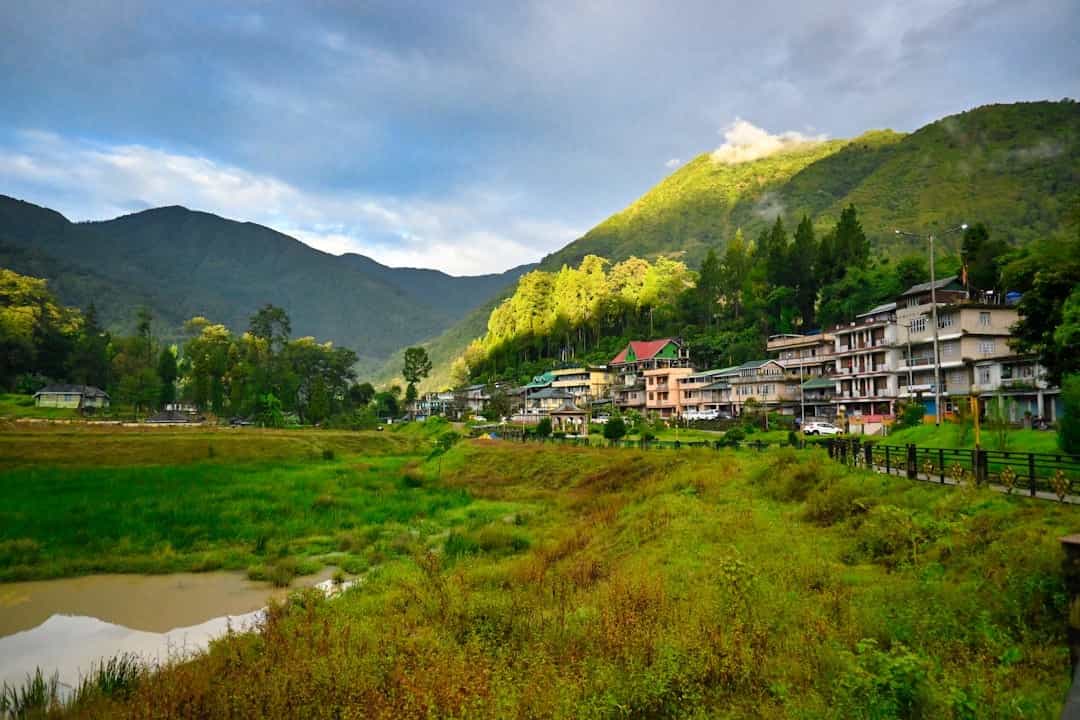
Nestled in the Eastern Himalayas, Sikkim stands as a beacon of environmental consciousness in India. This small mountain state has achieved what many thought impossible – becoming the world's first fully organic state while maintaining its breathtaking natural beauty. If you're planning a trip to this ecological paradise, understanding Sikkim's environmental initiatives and practicing responsible tourism isn't just recommended – it's essential for preserving this fragile ecosystem for future generations.
Sikkim's Groundbreaking Environmental Achievements
The Organic Revolution
In 2016, Sikkim made history by becoming India's first fully organic state. This remarkable transformation didn't happen overnight – it was the result of a carefully planned 12-year transition that began in 2003. The state government banned chemical fertilizers and pesticides, converting over 76,000 hectares of agricultural land to certified organic farming.
What does this mean for travelers? You'll experience some of the purest, most flavorful local cuisine imaginable, knowing that every bite supports sustainable agriculture practices.
Forest Conservation Excellence
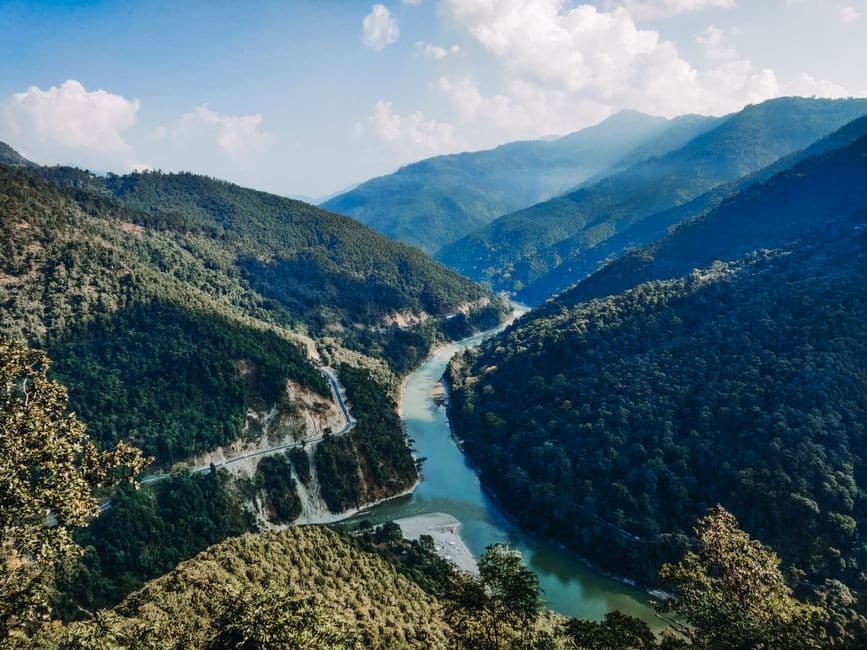
Sikkim boasts an impressive 81% forest coverage, far exceeding the national average of 21%. The state has implemented strict forest protection laws and established numerous protected areas, including:
- Khangchendzonga National Park (UNESCO World Heritage Site)
- Fambong Lho Wildlife Sanctuary
- Kyongnosla Alpine Sanctuary
- Barsey Rhododendron Sanctuary
These protected areas serve as crucial habitats for endangered species like the red panda, snow leopard, and Himalayan black bear.
Renewable Energy Leadership
Sikkim generates surplus renewable energy, primarily through hydroelectric power. The state has also invested heavily in solar energy projects, making it a model for sustainable energy production in mountainous regions.
Understanding Sikkim's Fragile Ecosystem
High-Altitude Challenges
Sikkim's elevation ranges from 280 meters to over 8,000 meters, creating diverse but extremely sensitive ecosystems. The high-altitude environment means:
- Slow vegetation recovery – damaged plants may take decades to regenerate
- Fragile soil structures susceptible to erosion
- Limited waste processing capabilities in remote areas
- Sensitive wildlife habitats that can be easily disturbed
Climate Change Impacts
The Himalayas are experiencing climate change effects at twice the global average rate. Sikkim faces:
- Glacial retreat affecting water sources
- Changing precipitation patterns impacting agriculture
- Shifting wildlife migration routes
- Increased frequency of extreme weather events
Essential Responsible Travel Practices
Accommodation Choices
Choose eco-friendly homestays and hotels that:
- Use renewable energy sources
- Implement water conservation measures
- Practice waste segregation and composting
- Source food locally and organically
- Support local communities economically
Pro tip: Look for accommodations certified by organizations like the Sikkim Tourism Development Corporation or those displaying eco-tourism certifications.
Transportation Guidelines
Minimize your carbon footprint by:
- Sharing vehicles with other travelers when possible
- Using local public transport where available
- Walking or cycling for short distances in towns
- Choosing direct routes to reduce fuel consumption
- Avoiding helicopter rides unless absolutely necessary
Waste Management Best Practices
Follow the "Leave No Trace" principle:
- Carry reusable water bottles – many places offer filtered water refills
- Bring biodegradable toiletries for camping and trekking
- Pack out all non-biodegradable waste, including cigarette butts
- Use designated toilet facilities or follow proper waste disposal methods in remote areas
- Avoid single-use plastics – Sikkim has banned several plastic items
Supporting Local Communities
Economic Responsibility
Direct your spending toward local businesses:
- Purchase organic produce from local farmers' markets
- Buy authentic handicrafts directly from artisans
- Eat at family-run restaurants serving traditional cuisine
- Hire local guides for trekking and cultural experiences
- Stay in community-owned accommodations
Cultural Sensitivity
Respect local customs and traditions:
- Dress modestly when visiting monasteries and religious sites
- Ask permission before photographing people
- Learn basic phrases in Nepali or local languages
- Participate respectfully in cultural activities
- Follow monastery etiquette during visits
Wildlife and Nature Conservation
Responsible Wildlife Viewing
Observe animals ethically:
- Maintain safe distances from all wildlife
- Never feed wild animals – it disrupts their natural behavior
- Keep noise levels low to avoid disturbing animals
- Stay on designated trails to protect habitats
- Report wildlife sightings to local conservation authorities
Plant and Forest Protection
Help preserve Sikkim's biodiversity:
- Don't pick flowers, fruits, or medicinal plants
- Avoid creating new trails through vegetation
- Camp only in designated areas
- Use established fire rings for cooking
- Report any signs of illegal logging or poaching
Practical Tips for Eco-Conscious Travelers
Packing Essentials
Bring eco-friendly gear:
- Solar chargers for electronic devices
- Water purification tablets to reduce plastic bottle use
- Biodegradable soap and shampoo
- Reusable shopping bags for market visits
- Multi-use items to minimize luggage weight
Seasonal Considerations
Time your visit responsibly:
- Avoid peak monsoon season (July-August) when trails are most vulnerable
- Consider shoulder seasons (April-May, October-November) for lower impact
- Plan longer stays to reduce transportation emissions
- Check weather conditions to avoid getting stranded
Technology and Communication
Use technology responsibly:
- Download offline maps to reduce data usage
- Carry portable batteries to avoid frequent charging
- Use airplane mode in sensitive wildlife areas
- Share experiences on social media to promote responsible tourism
Getting Involved in Conservation
Volunteer Opportunities
Many organizations offer volunteer programs for travelers:
- Khangchendzonga Conservation Committee – wildlife monitoring
- Local NGOs – community development projects
- Organic farming initiatives – agricultural support
- Monastery restoration projects – cultural preservation
Citizen Science
Contribute to research efforts:
- Document wildlife sightings through apps like eBird or iNaturalist
- Participate in butterfly counts during appropriate seasons
- Report invasive species to local authorities
- Share climate observations with research institutions
Your Role in Sikkim's Sustainable Future
Traveling responsibly in Sikkim isn't just about following rules – it's about becoming a steward of this incredible landscape. Every choice you make, from where you stay to what you eat, has an impact on the local environment and communities.
Remember: Sikkim's environmental success story is ongoing, and as a visitor, you're part of that narrative. Your responsible travel choices help ensure that future generations can experience the same pristine beauty and rich biodiversity that makes Sikkim truly special.
By following these guidelines and maintaining an awareness of your environmental impact, you'll not only have a more meaningful travel experience but also contribute to the preservation of one of India's most precious ecological treasures. Travel with purpose, leave with memories, and take only photographs – this is the essence of responsible tourism in Sikkim.
Leave a Comment
Explore Sikkim
Ready to plan your trip? Check out our complete travel guide and packages.