Goa Gajah (Elephant Cave)
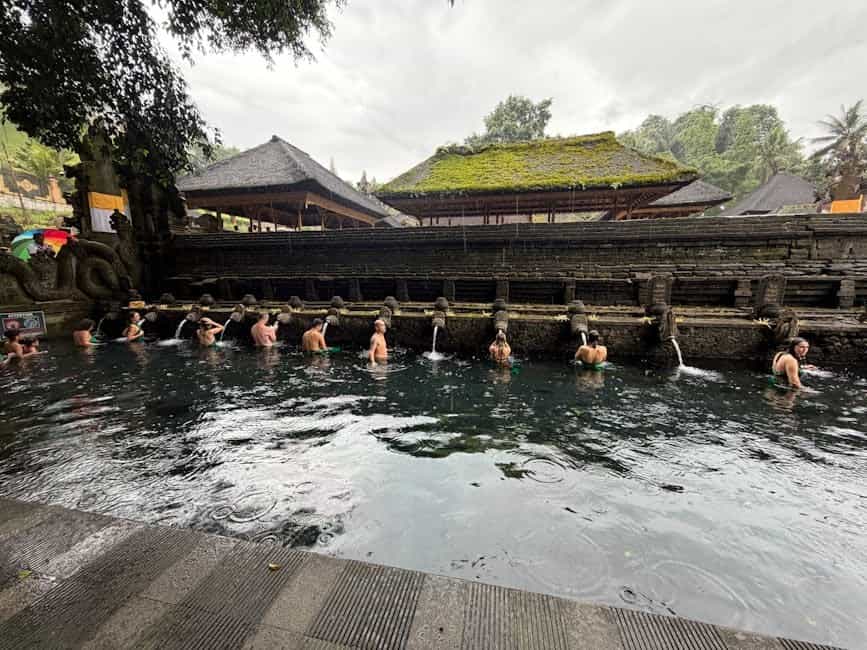
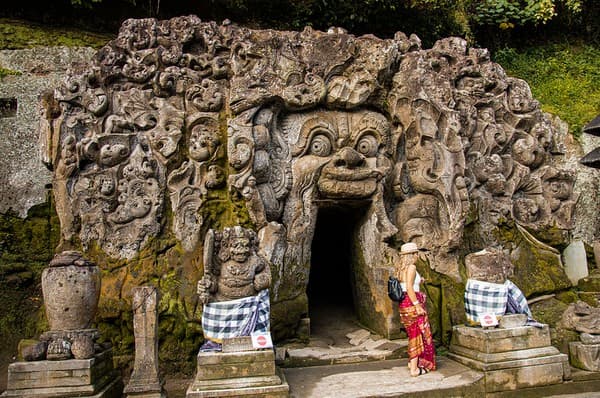
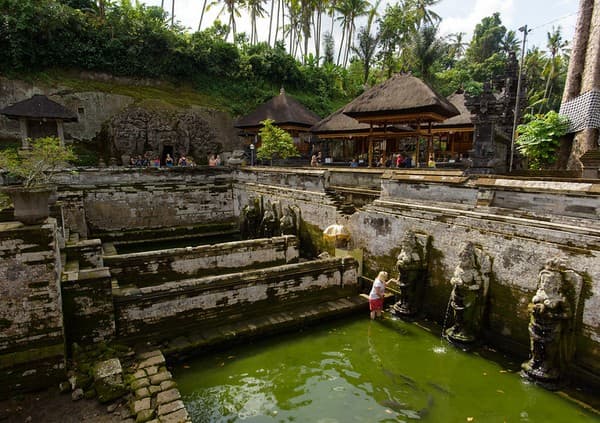
Goa Gajah is an important 9th–11th century archaeological and spiritual site near Bedulu, Gianyar (close to Ubud), Bali. The site is best known for its dramatic rock-cut entrance — a menacing carved face whose mouth forms the cave doorway — a small meditation cave, and a series of ritual bathing pools (petirtaan) fed by ancient carved spouts. The complex blends Hindu–Buddhist iconography and traditional Balinese temple architecture and is set in a tranquil gardened archaeological park. A compact, easily reachable cultural stop ideal for a 1–2 hour visit.
Location
Goa Gajah (Elephant Cave), Bedulu, Gianyar (near Ubud), Indonesia (Bali)
Duration
1–2 hours (typical visit)
Best Time to Visit
Dry season (April–October); early morning (08:00–10:00) to avoid crowds and midday heat. Late afternoons are possible but light for photography is best in the morning.
Pricing
Approximate entrance fee: IDR 30,000–50,000 per foreign adult (prices vary and may change). Local rates may be lower. Small additional fees may apply for parking, sarong rental (if needed), or donations to temple caretakers. Bring cash.
Activity Type
Coordinates
Highlights
Carved rock entrance — the dramatic demon/face portal forming the cave doorway
Small meditation shrine/cave interiors with historic stone reliefs
Ritual bathing pools (petirtaan) with carved spouts and stone statues
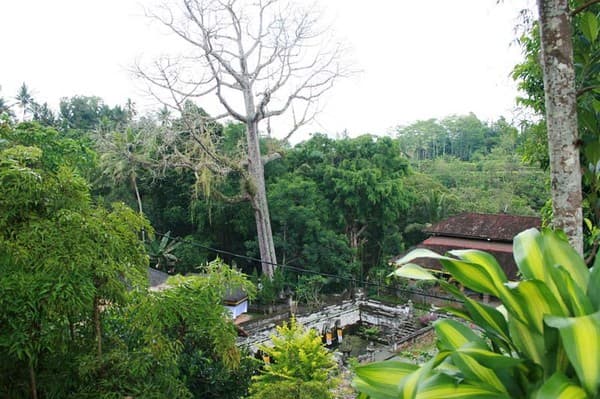
Manicured archaeological garden, ponds and shaded pathways
Nearby archaeological museum and traditional Balinese village scenery
Easy access from Ubud — great for combining with other central Bali sites
Itinerary
Arrival, ticketing and short orientation
Rent a sarong if you don't have one (often required for temple/ritual areas).
Explore the carved entrance and cave
Observe carvings, take photos outside the cavern mouth; the cave interior is compact and dim.
Walk to the ritual bathing pools and garden
Learn about the water features and symbolic significance; stay on marked paths.
Visit small on-site museum/shop and relax in the park
Optional short stroll to nearby rice terraces or neighboring temples if time allows.
Safety Requirements
Wear sturdy, closed or grippy shoes — paths and steps can be uneven and slippery, especially after rain.
Modest dress recommended; sarong and sash for temple areas. Sarong rental usually available on-site.
Not fully accessible for wheelchairs or visitors with severe mobility limitations (many steps and narrow cave entrance).
Watch children closely around water features and uneven terrain.
Be respectful: avoid loud behavior, follow signage, and do not touch sacred objects or offerings.
Tips
Go early to avoid tour buses and for better light and cooler temperatures.
Carry small change (IDR) for entrance fees, parking, sarong rental, and offerings/donations.
Combine with Ubud attractions (Monkey Forest, Ubud Market) or nearby waterfalls for a half-day itinerary.
Bring insect repellent and a light rain jacket in the wet season — paths get muddy.
Photography is generally allowed in the grounds; be respectful and avoid photographing worshippers when requested.
Hire a local guide or join a short guided tour to get historical context and spot small details often missed.
Check local temple schedules — parts of the site may be used for ceremonies and access can be restricted during major religious events.