Jatiluwih Rice Terraces (UNESCO)
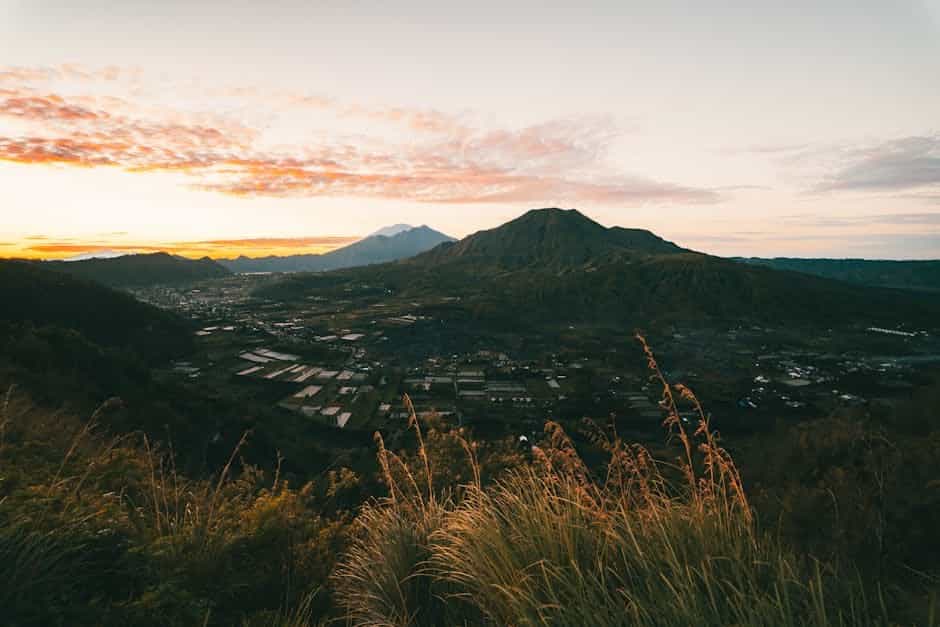
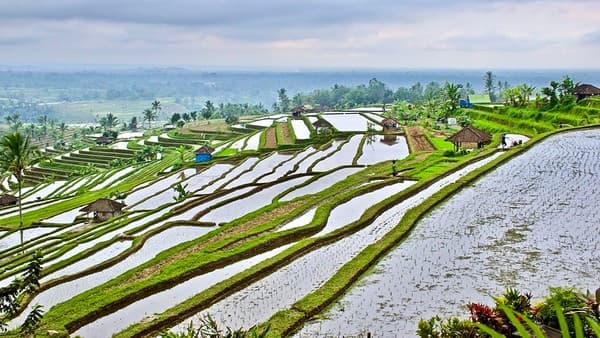
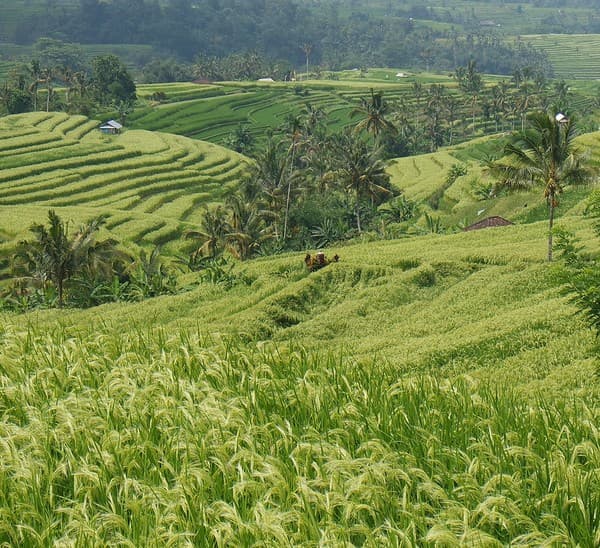
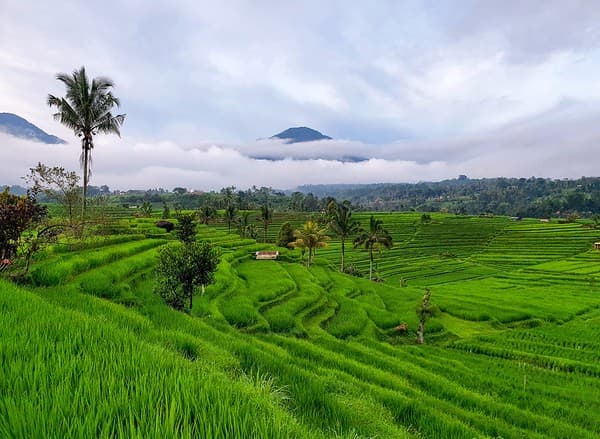
Jatiluwih Rice Terraces form part of the "Subak" cultural landscape of Bali — a UNESCO World Heritage site (2012) that showcases the traditional Balinese cooperative irrigation system. Located on the western slopes of Mount Batukaru, Jatiluwih offers vast, layered rice paddies, panoramic viewpoints, walking paths through the terraces, and insight into centuries-old farming practices. The area is prized for its wide, uninterrupted vistas and tranquil rural atmosphere.
Location
Jatiluwih Rice Terraces (Subak cultural landscape), Jatiluwih, Tabanan, Indonesia
Duration
2–4 hours (typical visit); half-day if combining short hikes and lunch; full day if travelling from southern Bali with other stops
Best Time to Visit
Dry season (April–October) for clearer views and easier walking. Early morning for mist and cooler temperatures; late afternoon/ golden hour for dramatic light. Avoid the heaviest rains (Nov–Mar) when paths can be slippery.
Pricing
Entrance fee usually charged (varies): IDR 20,000–50,000 per person for access to the viewing areas (rates change seasonally and by nationality). Parking and scooter fees are additional (small). Guided tours and transport sold separately; expect guides for IDR 100,000+ depending on length.
Activity Type
Coordinates
Highlights
Expansive UNESCO-listed Subak rice terraces
Traditional Balinese irrigation system (Subak) in active use
Panoramic viewpoints with Mount Batukaru backdrop on clear days
Well-marked walking trails through paddies and between farm plots
Local warungs (cafés) serving Balinese dishes and fresh coconut water
Photo opportunities at sunrise, sunset and when terraces are being flooded or harvested
Itinerary
Arrive at the main parking/viewpoint area, purchase entry ticket, get initial panoramic photos and orient yourself to the layout.
If you arrive early you'll often have mist between the terraces and softer light for photos.
Follow the main paved path and easy stone steps along the top of the terraces for wide views and overview photos.
This section is well-suited for all fitness levels and gives the best single-frame vistas.
Descend into marked paths to walk between paddies, cross earthen bunds and see farmers at work.
Paths can be narrow and muddy if recently rained; wear grippy shoes.
Stop at a local café or small stall for coffee, Balinese snacks or a simple lunch. Option to speak with farmers or a local guide about Subak practices.
Support local businesses and ask permission before photographing people working closely.
Return along a different route or head to nearby attractions (e.g., Tabanan viewpoints, Jatiluwih temple area) if continuing the day trip.
Allow extra time for transport — rural roads can be narrow and slower than expected.
Safety Requirements
Wear sturdy, closed or grippy walking shoes — terraces and bunds can be slippery.
Sun protection (hat, sunscreen) and plenty of water — little shade on parts of the walk.
Avoid stepping into paddies or crossing active crop plots; follow signage and local directions.
Be cautious on narrow earthen ridges; supervise children closely.
Respect local farmers and property — ask before photographing close-up scenes or workers.
Tips
Bring small change (IDR cash) for entrance, parking, souvenirs and warungs; card facilities are limited.
Visit early (sunrise/early morning) for cooler temps, fewer crowds and atmospheric mist.
Hire a local guide if you want deeper explanation of the Subak system (recommended for cultural context).
Combine Jatiluwih with stops like Tanah Lot, Tabanan hot springs or nearby temples for a full-day itinerary.
Wear waterproof footwear during or after rain; many paths become muddy.
Respect signage and stay on designated paths to protect crops and avoid fines.
Try local dishes at warungs — Nasi Campur or Tempeh-based snacks and fresh coconut are popular.
If photographing landscapes, use the golden hour (late afternoon) for warm light; bring a lightweight tripod if you plan long exposures.