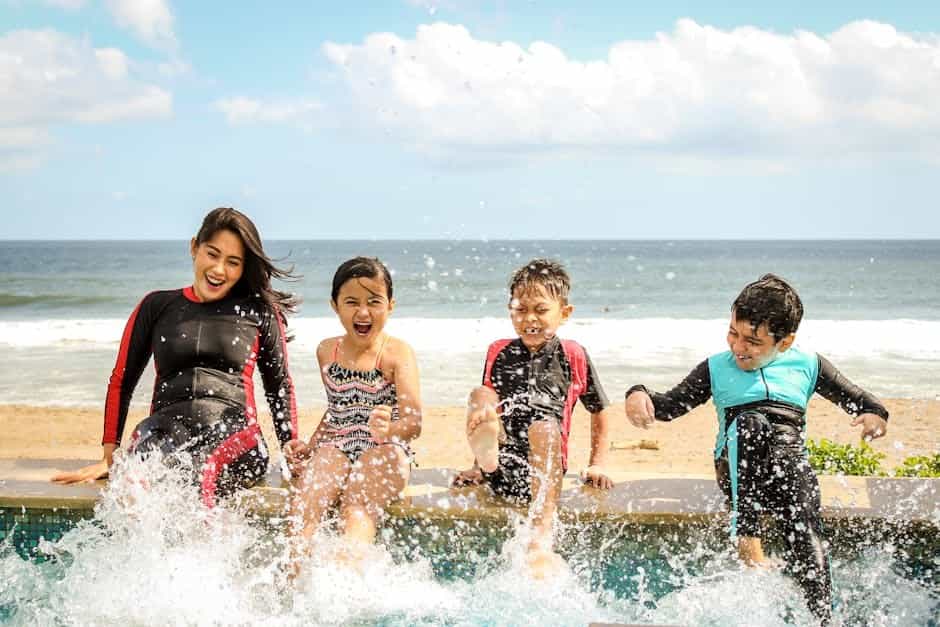
Manta ray snorkel/dive at Manta Point
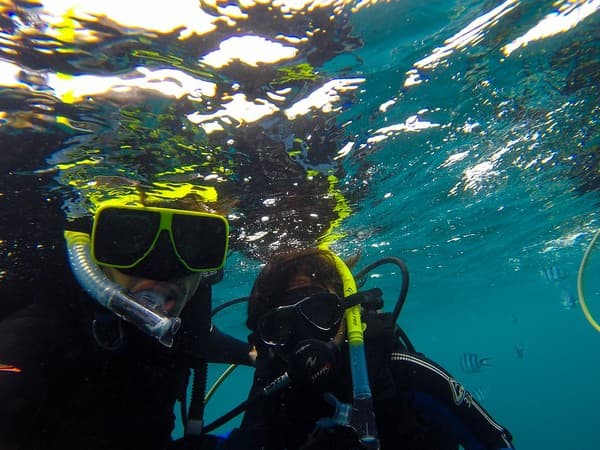
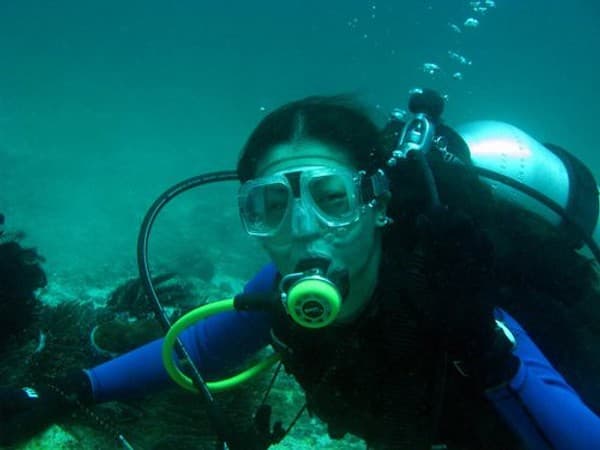
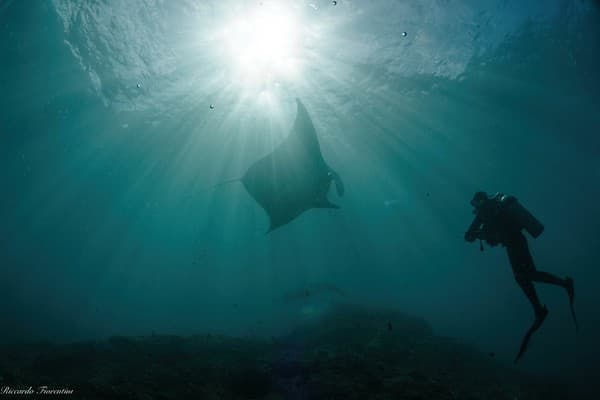
Experience close encounters with graceful reef manta rays at Manta Point, a world-renowned cleaning and feeding station off the coast of Nusa Penida, Klungkung (Bali). This activity offers both snorkel and scuba diving options depending on experience and certification. Expect dramatic underwater scenes as multiple mantas glide, feed, and visit cleaning stations while strong currents bring plankton-rich water.
Important: this site can have strong currents and variable visibility. Choose a reputable operator and follow all guidance from guides and dive masters.
Location
Manta Point (Manta Bay), off the southeast coast of Nusa Penida, Nusa Penida (administrative district of Klungkung), Indonesia (Bali province)
Duration
Half-day (3–5 hours) typical for single snorkel or dive; full-day (6–10 hours) for multiple dives and transfers from Bali.
Best Time to Visit
May to October (dry season) for calmer seas and more consistent sightings; mantas can be seen year-round but conditions and visibility are best in the dry season.
Pricing
Snorkeling: IDR 300,000–650,000 per person (includes boat transfer, life jacket, guide). Scuba diving: IDR 700,000–1,500,000 per person per dive (includes boat transfer, guide; equipment rental extra ~IDR 150,000–300,000). Full-day combo trips (2 dives + snorkeling) commonly range IDR 1,200,000–2,500,000. Prices vary by operator, season, and inclusion of hotel transfer.
Activity Type
Coordinates
Highlights
Close encounters with reef manta rays (cleaning stations and feeding behavior)
Clear, petro-blue waters with dramatic manta displays
Short boat ride from Nusa Penida's harbors; combined trips to nearby dive/snorkel sites
Opportunity for both snorkelers and certified scuba divers
Chance to see other marine life: reef fish, turtles, and coral bommies
Itinerary
Hotel pickup in Bali and transfer to Sanur/Padangbai harbor (times vary with departure point).
Early start ensures calmer seas, better currents for mantas, and more boat availability.
Speedboat transfer to Nusa Penida and briefing by the boat crew/dive master.
Briefing covers safety, site conditions, no-touch rules, and entry/exit procedures.
First snorkel or dive at Manta Point.
Expect strong currents — drift and surface snorkel options possible. Maintain distance and follow guide instructions.
Second dive/snorkel at a nearby site (optional) or return to shore for lunch on Nusa Penida.
Common paired sites include Crystal Bay, Toya Pakeh, or Gamat Bay depending on operator.
Return speedboat to Bali and hotel drop-off.
Arrival time depends on pick-up location and sea conditions.
Safety Requirements
Strong currents are common — only experienced divers should do deeper current dives; snorkelers should wear a life jacket if uncomfortable in open water.
Follow the dive master/guide at all times; do not chase, touch, or harass manta rays or other wildlife.
For scuba diving, carry valid certification (Open Water minimum) and a recent logbook for advanced sites; consider a guided drift dive if required.
Use reef-safe sunscreen and avoid wearing gloves or reef-damaging gear.
Surface support and emergency oxygen should be available on the boat — confirm this with your operator before departure.
Tips
Book with reputable operators that prioritize safety and marine protection; check reviews and ask about group size.
Aim for calmer seas (dry season) and go early in the day to increase sighting chances and avoid crowds.
Bring motion-sickness medication if prone to seasickness; speedboat crossings can be choppy.
If snorkeling, wear a life jacket and use a snorkel vest for ease when watching mantas at the surface.
Carry a waterproof camera or go with an operator who provides underwater photography — mantas make excellent subjects but respect distance rules.
Check tide and current reports; manta feeding/cleaning sessions can be tide-dependent. Guides will choose best timing.
Respect the environment: do not feed marine life, take all trash back, and use reef-safe products.
If scuba diving, ensure your weighting and buoyancy are good to avoid accidental contact with the seabed or reef.