Pura Besakih (Mother Temple)
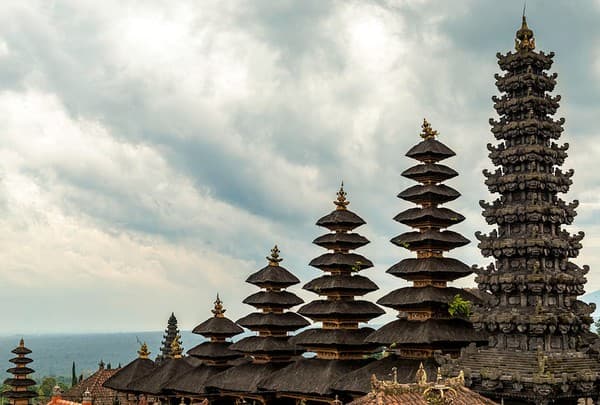
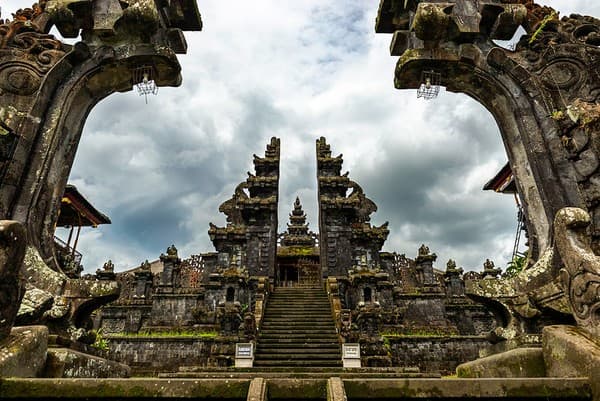
Pura Besakih, often called the Mother Temple of Bali, is the island's largest and most important Hindu temple complex. Situated on the southwestern slopes of Mount Agung, the complex comprises over 20 separate temples (the principal one being Pura Penataran Agung Besakih). The site combines dramatic volcanic backdrop, layered courtyards, traditional Balinese temple architecture, and living religious practice—making it both a spiritual center and a cultural landmark.
Location
Pura Besakih (Penataran Agung Besakih), Besakih, Karangasem, Indonesia
Duration
Typical visit: 1.5–3 hours (guided). Full exploration and photography can take longer if attending ceremonies.
Best Time to Visit
Dry season (April–October). Visit early morning (opening time) to avoid heat and crowds; late afternoon can be scenic but weather near Mount Agung can change quickly.
Pricing
Approximate entry: IDR 50,000–75,000 (~USD 3–5) for foreign visitors. In addition, voluntary temple donations (canang, offerings) and a customary donation for a local guide are common. Prices may vary by season and local policy—bring cash (IDR) for tickets, parking, and small offerings.
Activity Type
Coordinates
Highlights
Pura Penataran Agung – the main sanctuary and focal point of the complex.
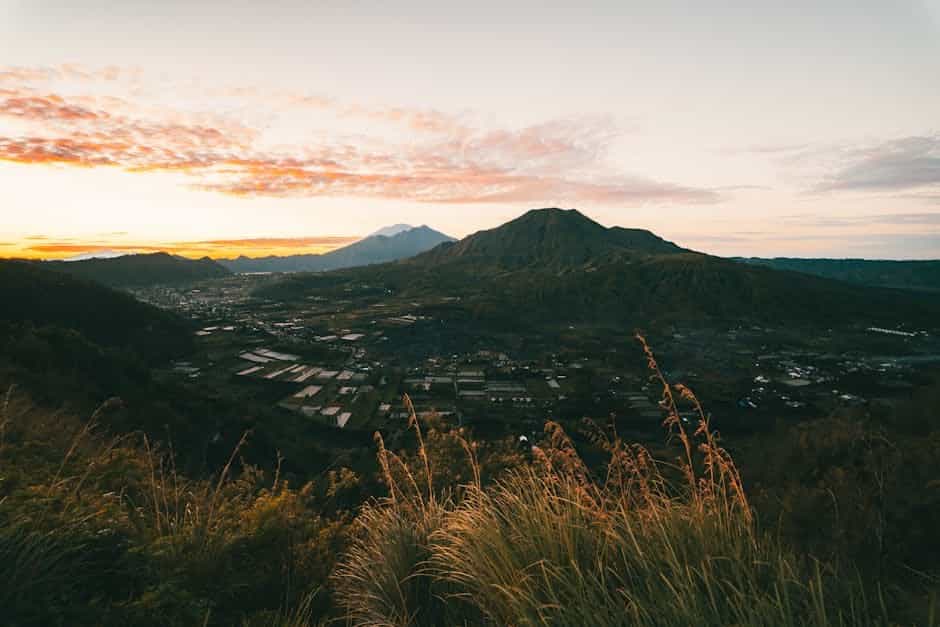
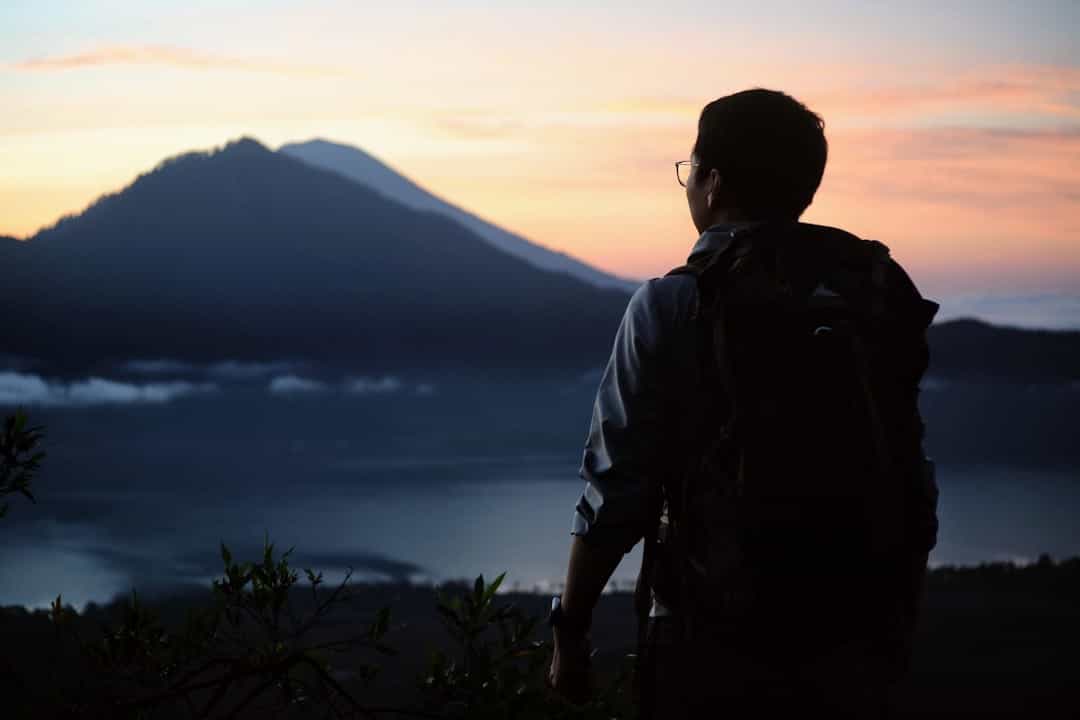
Sweeping views of Mount Agung and terraced temple courtyards.
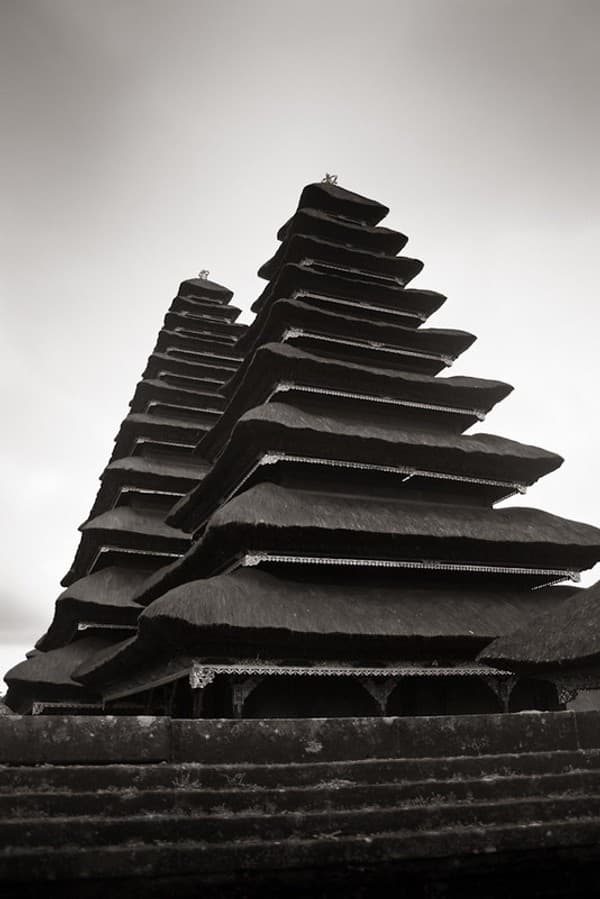
Rich stone carvings, meru towers, and traditional Balinese architecture.
Living religious life — regular ceremonies and processions (check schedule; special festivals are very vibrant).
Photo viewpoints and winding stairways that reveal layered temple compounds.
Itinerary
Arrive & ticketing
Purchase entry ticket, rent/receive sarong & sash if needed. Bring cash for offerings and parking.
Orientation & short walk
Walk the lower courtyards to acclimatize; acclimate to altitudes and start with easier viewpoints.
Guided tour of main temples
Visit Pura Penataran Agung, learn about temple layout, symbolism, and Balinese Hindu practices. Respect restricted inner sanctums.
Panoramic viewpoints & photography
Climb modest steps for views of Mount Agung and the valley. Watch for changing light and weather.
Attend/observe ceremony (if available)
If a puja or odalan is happening, observe respectfully from designated areas; do not interrupt ritual activities.
Souvenir stop & departure
Browse local stalls near the entrance for crafts and snacks; ensure you leave enough time for return travel.
Safety Requirements
Dress code: Sarong and sash required for temple entry (often available for rent or provided). Shoulders and knees must be covered.
Remove shoes before entering inner shrines; follow guide/local attendants' directions.
Be respectful during ceremonies—do not step across offerings or altar areas.
Uneven steps and stone pathways—wear stable shoes and watch your step (not all areas are wheelchair accessible).
Weather near Mount Agung can change quickly—carry a light rain layer; high-altitude sun protection is recommended.
Tips
Arrive early to avoid heat and crowds; early morning light is best for photos.
Hire a local licensed guide at the entrance for cultural context and to navigate restricted areas (recommended, sometimes required).
Bring cash (IDR) for entry, parking, donations, and local purchases—ATMs are not nearby.
Respectful photography: photos are generally allowed in courtyards; avoid photographing people during private rituals without permission.
Wear comfortable walking shoes; bring water, sunscreen, and a hat.
If there is volcanic activity or official advisories for Mount Agung, check local updates—access may be restricted.
Learn a few polite phrases or follow local customs—simple respect goes a long way with temple caretakers and worshippers.