Tegalalang Rice Terrace walk
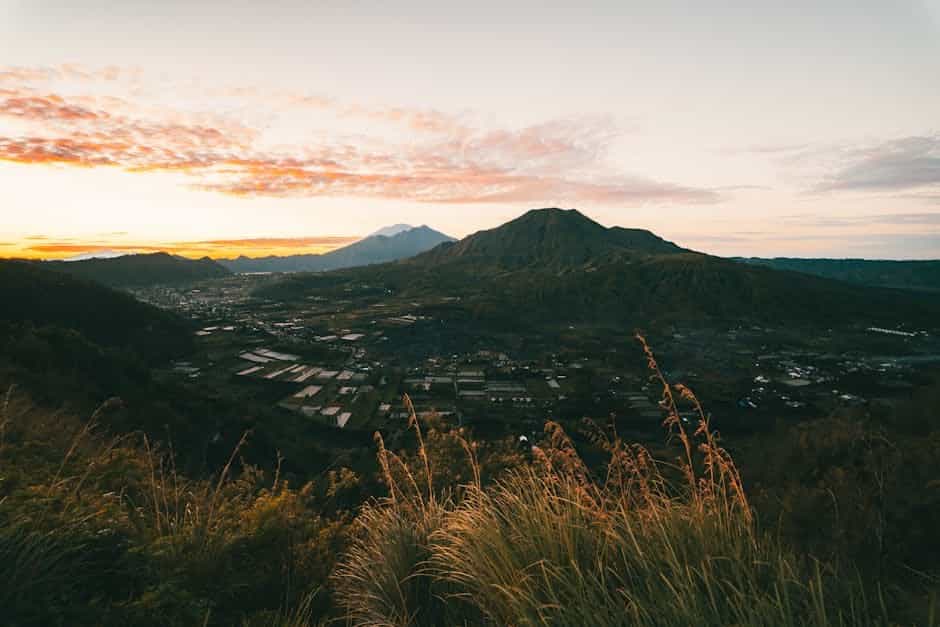
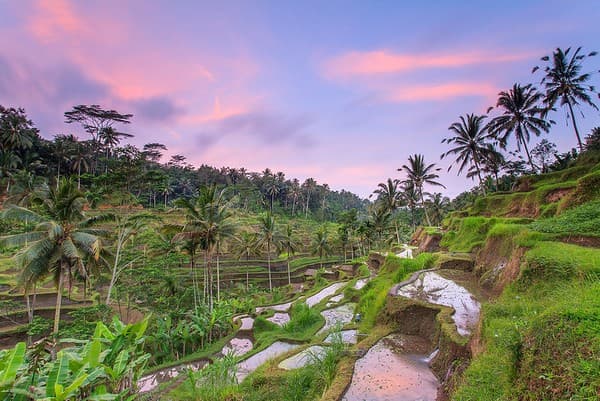
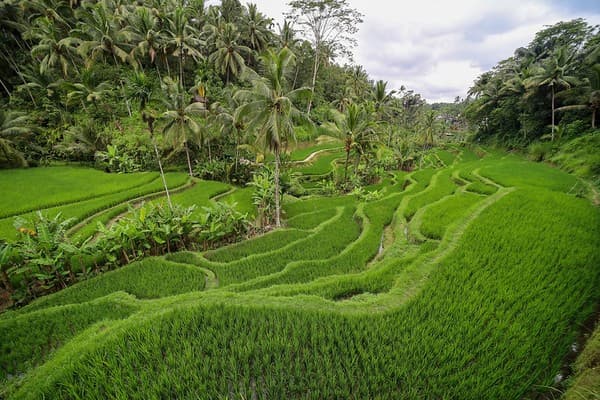
A leisurely walk through the iconic Tegalalang rice terraces in Tegalalang village near Ubud, Bali. The walk offers panoramic views of tiered rice paddies sculpted by the traditional Balinese subak irrigation system, opportunities for photography, cultural insight into rice farming, and stops at viewpoints, small cafés, and local craft stalls. Terrain includes stepped pathways, narrow dirt trails and occasional wooden bridges—suitable for most fitness levels but requiring steady footing in places.
Location
Tegalalang Rice Terrace (Campuhan area), Tegalalang, Ubud, Indonesia (Bali)
Duration
1–2 hours (self-guided); 2–4 hours with guide or combined activities
Best Time to Visit
Early morning (06:00–09:00) for cooler temperatures and fewer crowds; late afternoon (15:00–17:30) for golden light. Dry season (April–October) offers firmer paths and clearer views; wet season (November–March) is greener but paths can be slippery.
Pricing
Entrance to the terraces is generally free but small local donations or voluntary entrance fees are commonly requested (IDR 5,000–20,000). Parking/vehicle drop-off fees ~IDR 2,000–10,000. Paid viewing platforms, swings, or photo spots typically charge IDR 25,000–150,000 depending on the attraction. Guided walks cost extra (approx. IDR 150,000–400,000 per group depending on duration and guide). All prices are approximate and subject to change.
Activity Type
Coordinates
Highlights
Panoramic, tiered rice terraces sculpted by the traditional Balinese subak irrigation system
Excellent photography opportunities and golden-hour views
Authentic rural landscape with local farmers at work (season-dependent)
Cafés and small warungs with terrace views for coffee or breakfast
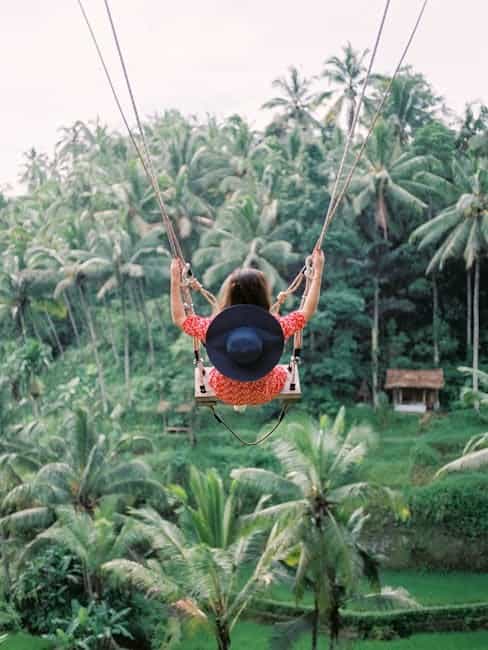
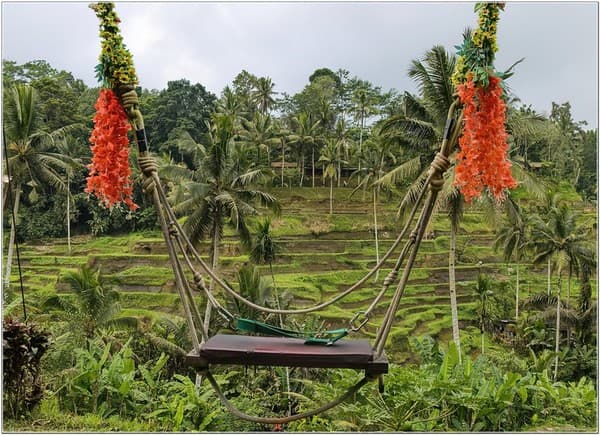
Local craft stalls and optional swings/photo platforms for iconic shots
Short access from central Ubud—easy to combine with nearby attractions
Itinerary
Arrive and start at the upper viewpoint
Park or be dropped at the roadside viewpoint. Buy a small ticket/donation if requested and enjoy the first panoramic view; best for sunrise photos.
Walk down into the terraces and follow the main trail
Descend via stepped paths and follow the main trail that weaves through paddies. Stop at informal viewpoints, take photos, and observe subak irrigation. Watch for narrow or uneven sections.
Coffee break at a terrace-side café or photo platform
Relax at a café with rice-terrace views. If you want the swing or paid photo platform, purchase access here. Respect any signage and pay fees to locals operating these spots.
Return to the roadside and explore local stalls
Walk back up to the roadside, pass craft stalls selling souvenirs and snacks. Arrange transport onward to Ubud or next stop.
Safety Requirements
Wear sturdy, closed-toe shoes or slip-resistant sandals—stone and dirt steps can be uneven or slippery
Bring water and sun protection (hat, sunscreen); little shade on parts of the trail
Be careful on narrow paths and near terraces’ edges—keep children close
Avoid walking after heavy rain without appropriate footwear—mud and runoff can be hazardous
Respect farmers’ land: stay on marked paths and ask permission before entering cultivated areas or taking close-up photos of people
If using swings or paid platforms, follow operator safety instructions and check equipment condition
Check local drone regulations and request permission if intending to fly a drone
Tips
Go early to avoid crowds and the midday heat—sunrise visits are especially beautiful
Carry small change in Indonesian rupiah for donations, parking and small purchases—many vendors prefer cash
Hire a local guide if you want deeper insight into subak irrigation, planting cycles and local culture (and to support the local economy)
Wear lightweight, quick-dry clothing and bring a light rain jacket in wet season
Negotiate taxi or scooter fares beforehand or use metered apps where available
Be respectful: dress modestly when passing temples or visiting village homes; remove shoes if invited into private spaces
If you want the iconic swing photos, ask about safety and price up-front and include the wait time in your plan
Avoid littering—pack out plastics and respect the agricultural setting