Tirta Empul purification ritual
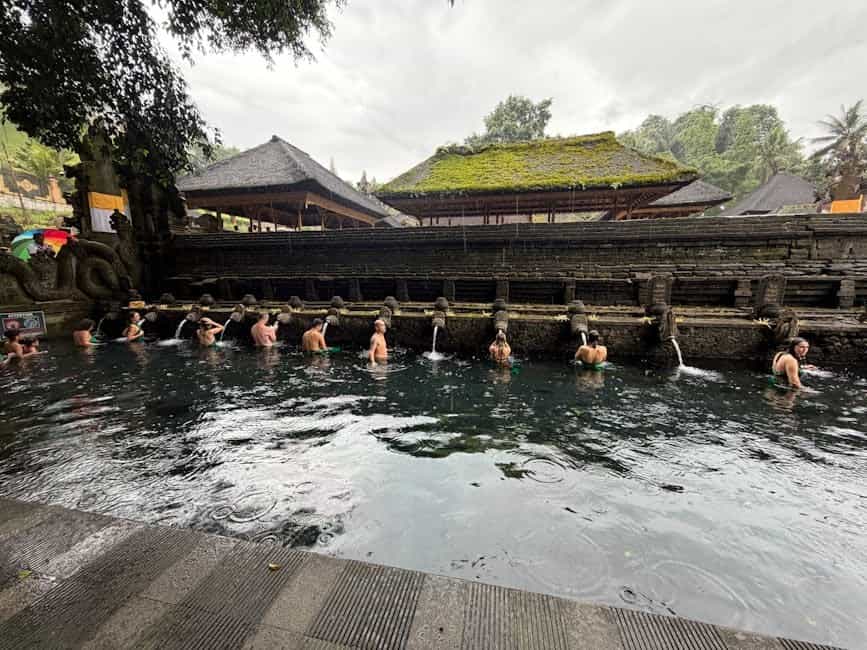
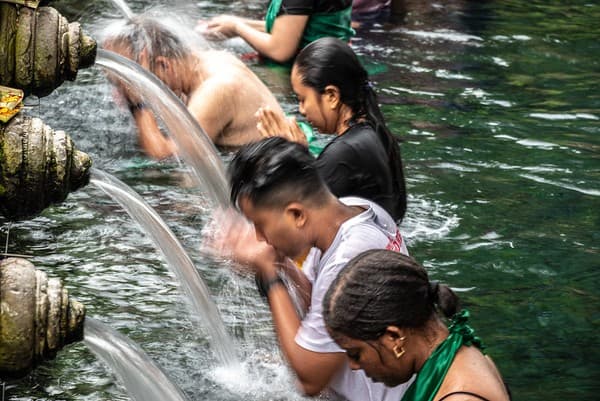
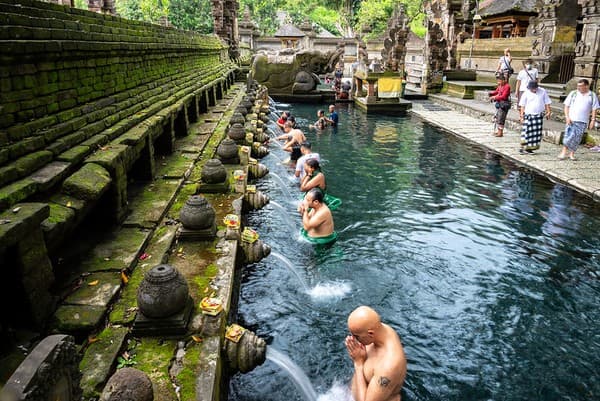
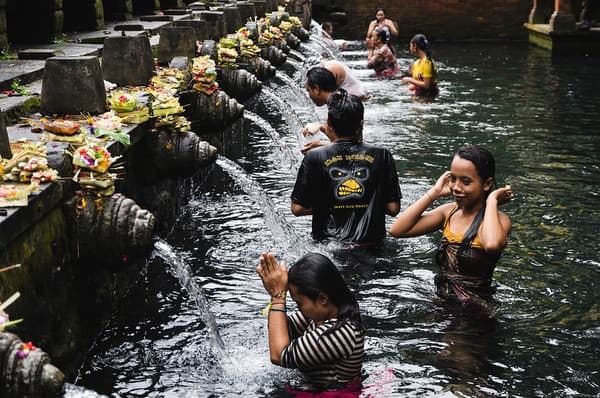
Tirta Empul is a sacred water temple in Tampaksiring, Gianyar, Bali, famous for its natural spring and the traditional purification ritual known as melukat. Visitors can observe or participate in a guided cleansing ceremony where participants move through a series of water fountains to pray and wash away spiritual impurities. The complex combines religious significance, classical Balinese architecture, and a serene riverside setting.
Location
Tirta Empul Temple (Pura Tirta Empul), Tampaksiring, Gianyar (near Ubud), Indonesia (Bali)
Duration
1.5–3 hours (including dressing, ritual participation, and temple walk)
Best Time to Visit
Best time: Dry season (April–October). Go early (07:00–09:00) to avoid crowds and heat; afternoons can be busy.
Pricing
Typical costs (approx.): Entrance fee: IDR 15,000–50,000. Sarong + sash rental: IDR 10,000–25,000. Optional priest/blessing and guided purification: IDR 50,000–250,000 (varies). Donations for offerings: small and discretionary.
Activity Type
Coordinates
Highlights
Series of stone fountains and pools fed by a sacred spring used for the melukat (purification) ritual
Ancient Balinese temple architecture, carved shrines, and tranquil courtyard
Opportunity to take part in a living cultural and spiritual tradition with local priests
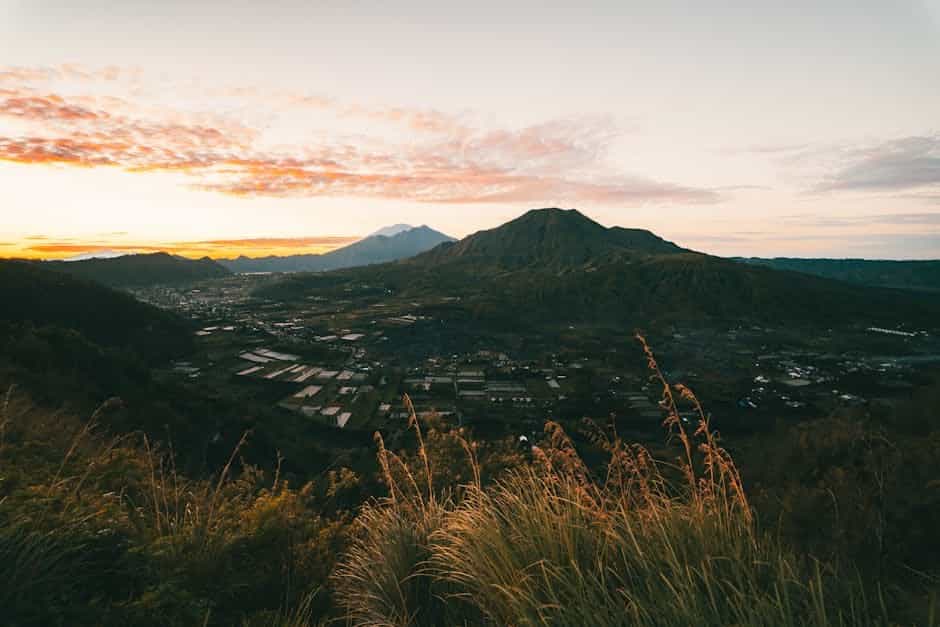
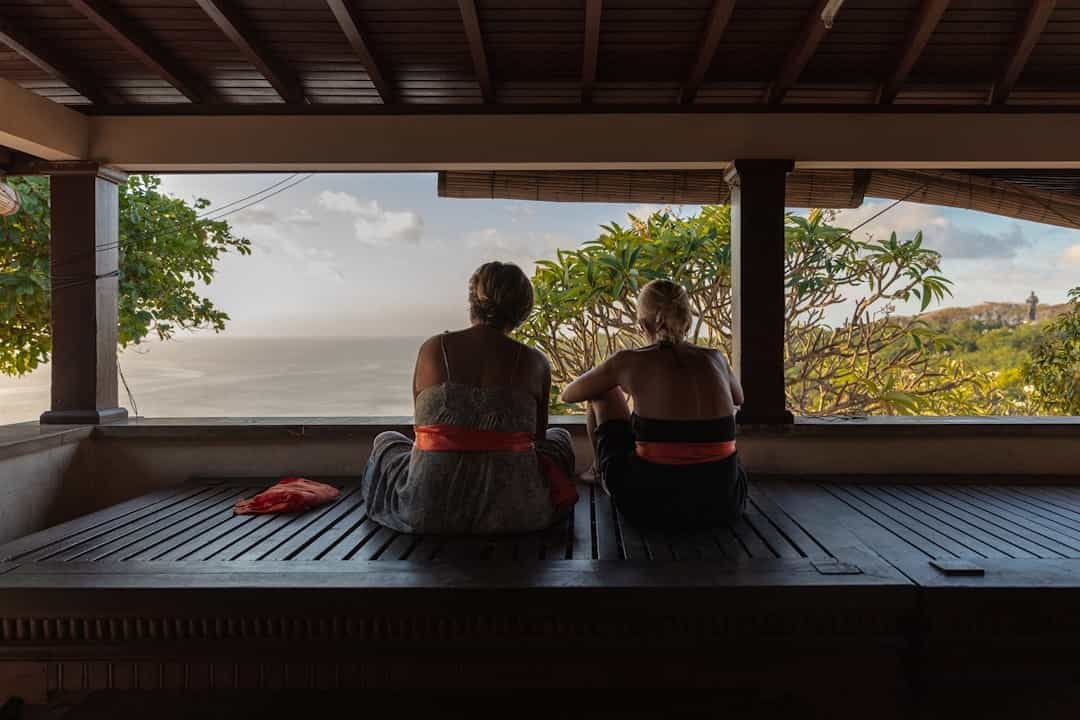
Nearby river valley views and rice terrace scenery
Traditional offerings, gamelan music at certain times, and ceremonial processions on special temple days
Itinerary
Arrival and ticketing
Buy entrance ticket, rent or put on a sarong and sash (required). There are changing rooms and lockers for valuables.
Briefing and offering preparation
Prepare a small offering (can be bought at the entrance). A guide or priest can explain the protocol for prayers and where to stand.
Main purification (melukat) ritual
Follow the sequence of fountains — typically starting at outer basins and moving through to the central historic spouts. Pray at each station, dip your head/hands, and allow the water to flow over you. Listen to local attendants/priests for the correct order.
Final prayer and changing
Finish with a short prayer at the central shrine, change out of wet clothes, and pack belongings. If you received a blessing, there may be beads of holy water or a small mark.
Temple walk and photography
Walk the temple grounds, see carved shrines and pools. Be mindful: photography is allowed in many areas but avoid taking photos of people mid-ritual without permission.
Safety Requirements
Wear a sarong and sash (available for rent) and dress modestly — shoulders and knees covered when not in the water.
Remove jewelry and valuables before entering the pools; use lockers where available.
Do not enter the water if you have open wounds, infectious conditions, or are feeling unwell.
Walk carefully: stone steps and wet surfaces can be slippery; bring water shoes if you prefer.
Follow instructions from temple attendants and priests; respect queues and keep noise low.
Tips
Bring or rent a sarong and sash — required to enter temple areas. Bring a quick-dry change of clothes and a small towel.
Go early to avoid crowds (07:00–09:00) and have a more peaceful experience.
Keep modest swimwear underneath if you plan to get fully wet. Avoid transparent clothing once wet.
Carry a small waterproof bag for phones, cameras, and money. Leave expensive items at your hotel.
Be respectful when photographing — ask before photographing people or ceremonies. Many Balinese appreciate polite requests.
If you want a fuller ritual (mantra/blessing), arrange a priestly blessing in advance through a local guide or at the temple; costs vary.
Bring small change for entrance fees, sarong rental, offerings, and tips for attendants or guides.
If you are unsure of the sequence, follow a local attendant or join a small guided group to ensure you participate correctly.