Agung Rai Museum of Art (ARMA), Bali
Agung Rai Museum of Art (ARMA) in Ubud, Bali is a major cultural institution dedicated to preserving and promoting Balinese and Indonesian visual and performing arts. Founded by the collector and cultural advocate Agung Rai, ARMA functions as both a museum and a living cultural centre: it safeguards important paintings and artifacts, hosts rotating exhibitions, supports local artists through workshops and residencies, and presents traditional dance and music performances. The site helps sustain Bali's artistic traditions while connecting them to contemporary art practice.
Last updated: 06 Jan 2026
Places to visit
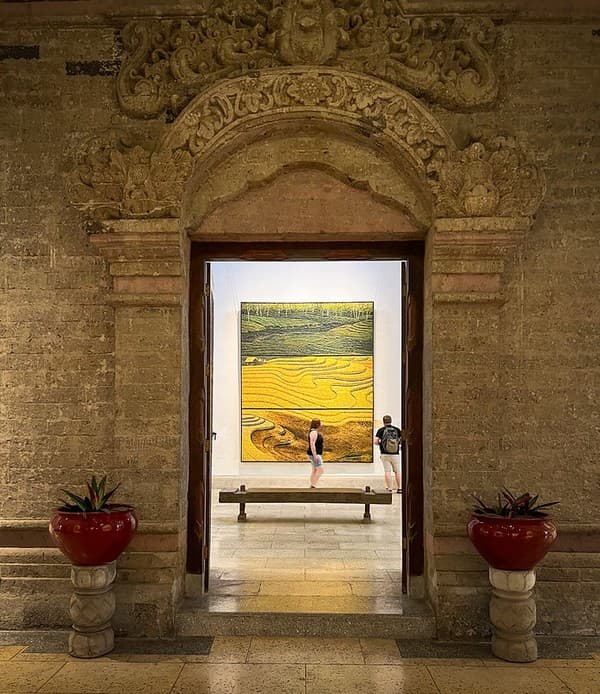
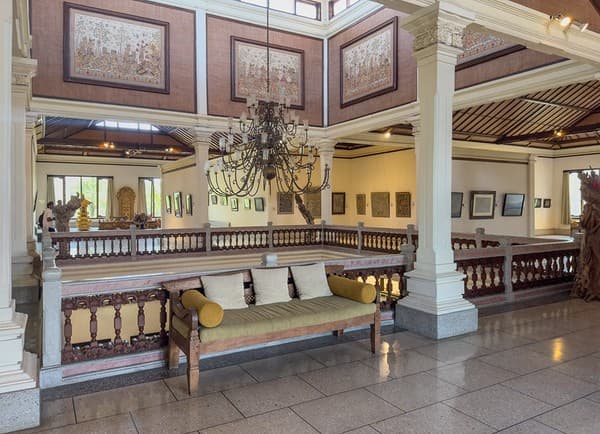
- Permanent and rotating art galleries showcasing Balinese and Indonesian painting (classical and contemporary)
- Traditional dance performances and gamelan music staged in the museum courtyard or performance pavilion
- Workshops and artist residencies where visitors can observe or join painting and craft sessions
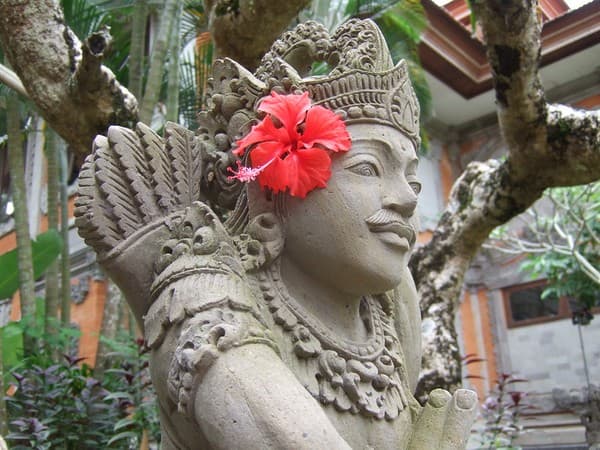
- ARMA Gardens and architecture — landscaped grounds with traditional Balinese pavilions and temple shrines
- On-site cultural programs including lectures, film screenings, and special exhibitions
Unique Aspects
- A combination of museum, cultural center, gallery, and art school on one compound
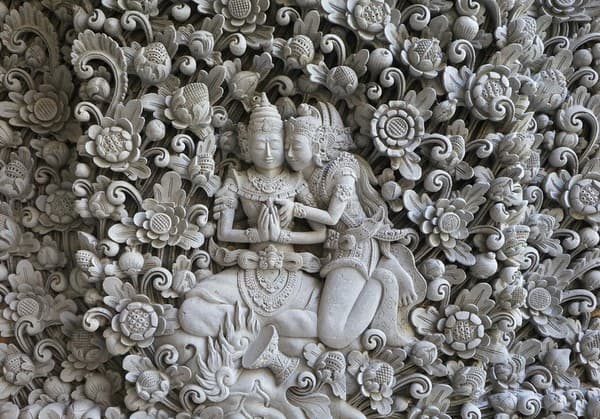
- Traditional Balinese compound architecture (open pavilions, carved timber, shrines)
- A calm garden setting used for outdoor performances and photo opportunities
- Museum shop and a café serving local dishes and refreshments
- Educational offerings: guided tours, classes, and children's programs
Things to do
- Browse the permanent collection and temporary exhibitions
- Attend an evening Balinese dance performance or gamelan concert
- Join a painting or craft workshop (pre-book where necessary)
- Take a guided tour to learn about Balinese art history and techniques
- Relax in the gardens and photograph the traditional architecture
- Shop for art prints, textiles, and locally made souvenirs at the museum store
Best Time to Visit
Dry season (April–October) for more comfortable weather and clearer skies; visit in the morning to avoid midday heat and crowds, or arrive early evening for performances.
Weather Conditions
Tropical climate with a wet season (November–March) and dry season (April–October). Expect warm, humid conditions year-round with heavier rain and occasional storms during the wet months.
Entry Fees & Permits
Approximate: museum entry typically ranges from IDR 50,000–150,000 (check latest rates; performance tickets may be extra). Opening hours often run from morning until late afternoon, with performances in the evening—confirm current times and ticketing on the ARMA website or by phone before visiting.
Accessibility
Located near Ubud village; about 1–1.5 hours by car from Ngurah Rai International Airport (Denpasar) depending on traffic. Public transport is limited—taxi, private driver, or organized tours are the most convenient options. The compound has stepped pavilions and garden paths; mobility visitors should check access routes and ask staff about assistance.
Recommended Duration
2–3 hours to view galleries, stroll the grounds, and attend a short performance; allocate more time if you join a workshop or stay for a full evening performance.
Clothing & Gear Tips
Light, breathable clothing for the tropical climate; comfortable walking shoes for garden paths. If attending performances or ceremonies near shrines, dress modestly (shoulders covered). Bring sun protection (hat, sunscreen) and a light rain layer during the wet season.
Local Food & Souvenirs
The on-site café serves Indonesian and Balinese dishes—try local snacks and coffee. Nearby Ubud markets offer batik, paintings, wood carvings, silver jewelry, and textiles. The museum shop is a good place to buy curated prints, books on Balinese art, and small crafts.