Bali Mangrove Forest, Bali
Bali's mangrove forests are vital coastal ecosystems that protect shorelines from erosion and storm surge, serve as nursery grounds for fish and crustaceans, store significant amounts of carbon, and support local livelihoods. In Bali they also play a growing role in eco-tourism and environmental education, with community groups and NGOs running conservation and replanting programs.
Last updated: 06 Jan 2026
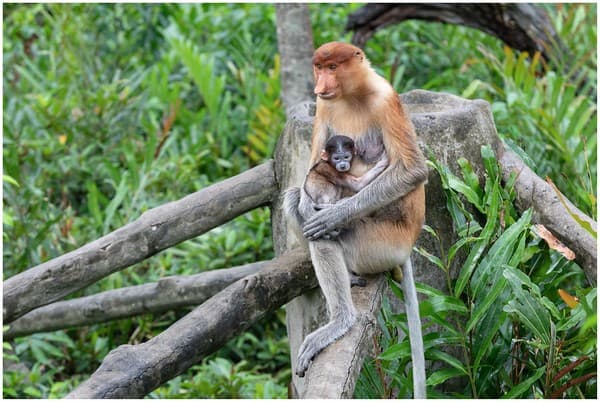
Places to visit
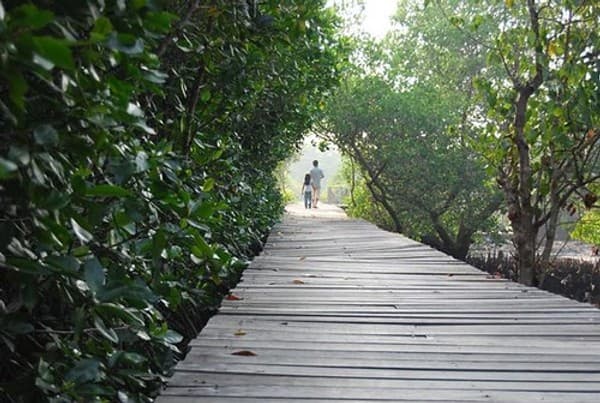
- Elevated wooden boardwalks and canopy walkways through the forest
- Guided boat and kayak tours through mangrove channels
- Observation platforms and sunset viewpoints
- Mangrove nursery and educational interpretation centers
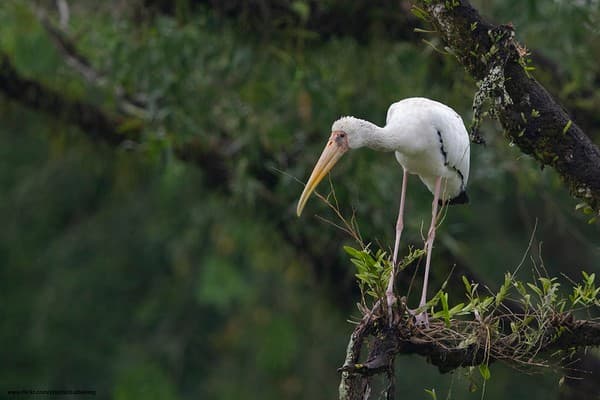
- Birdwatching hides and wildlife-spotting areas
Unique Aspects
- Typical mangrove root systems (prop and pneumatophore roots) creating a striking tidal landscape
- Common species such as Rhizophora and Avicennia providing habitat and shoreline stabilization
- Rich nursery grounds for juvenile fish, crabs and shrimp supporting local fisheries
- High carbon sequestration potential and visible reforestation projects
- Accessible boardwalk infrastructure suitable for easy walks and photography
Things to do
- Walking the raised boardwalks for short easy hikes
- Taking guided boat or kayak trips into channels and canals
- Birdwatching for resident and migratory species (kingfishers, herons, egrets, etc.)
- Photography, especially at sunrise and sunset
- Joining volunteer mangrove-planting and conservation activities
- Learning at interpretation centers about mangrove ecology and local conservation
Best Time to Visit
Dry season (April–October) — clearer skies, lower rainfall and fewer mosquitoes; visit early morning or late afternoon for cooler temperatures and best wildlife activity.
Weather Conditions
Tropical maritime climate: warm and humid year-round. Typical temperatures 25–32°C. Wet season is roughly November–March with heavy showers and higher mosquito activity.
Accessibility
Several mangrove areas are located near South Bali (Benoa/Tuban/Denpasar) and are typically 20–40 minutes from Ngurah Rai (Denpasar) International Airport depending on traffic and exact site. Best accessed by taxi, private car or scooter. Public transport options are limited. Boardwalks make the forest relatively easy to explore, but wheelchair access varies—confirm at the specific park.
Recommended Duration
Plan for 1–3 hours on-site: 1 hour for a quick walk and photos, half-day if including a boat/kayak tour and a mangrove nursery visit. Combine with nearby Benoa/Tuban attractions for a fuller day.
Clothing & Gear Tips
Light breathable clothing, sunhat and sunscreen, insect repellent, closed-toe or water-resistant shoes, a light rain jacket in the wet season, binoculars for birdwatching and a waterproof bag for electronics.
Local Food & Souvenirs
Nearby coastal villages and Benoa harbor offer fresh seafood restaurants and local warungs. Souvenirs include Balinese handicrafts, woven goods and occasionally locally propagated mangrove seedlings sold during community events or fundraisers.