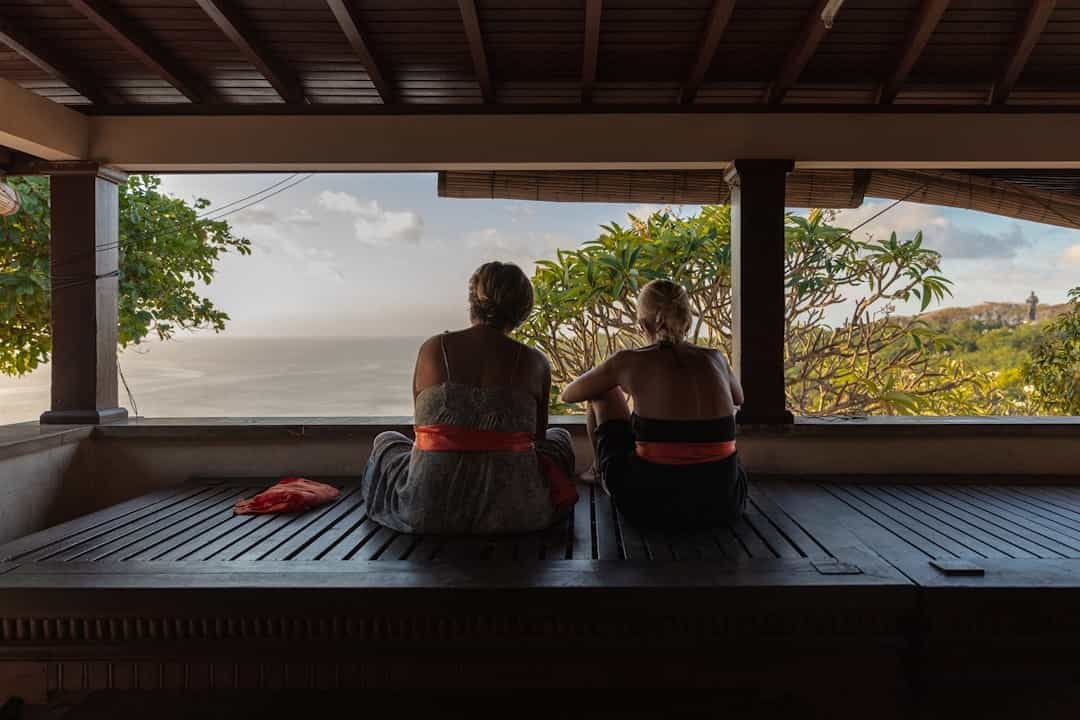
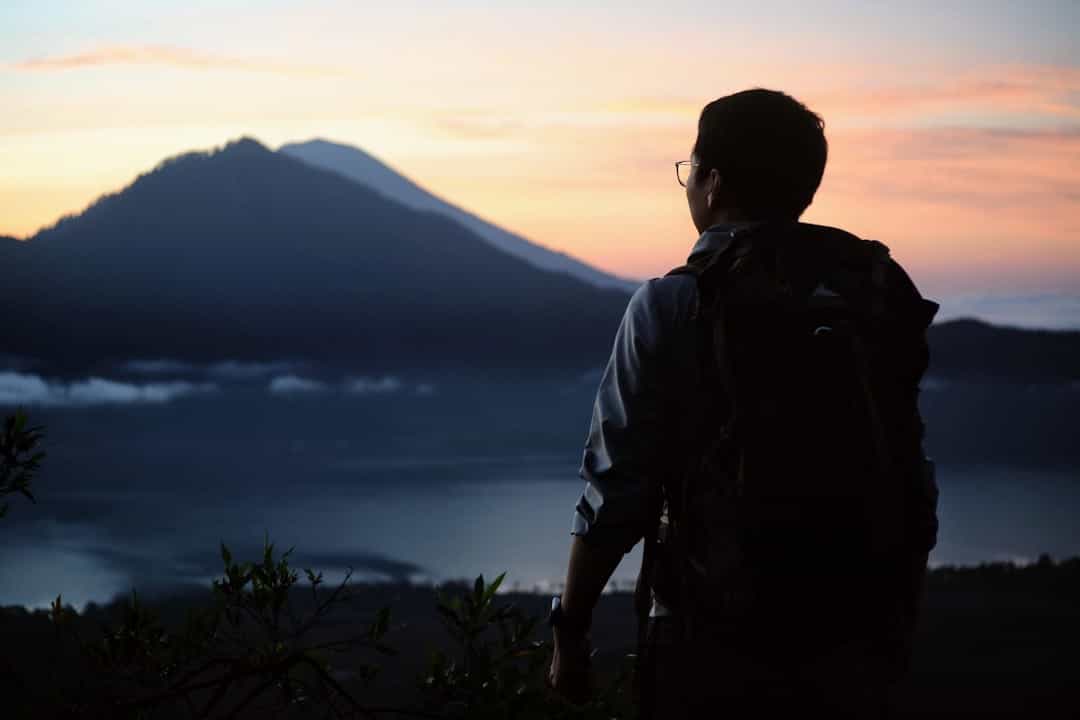
Besakih Temple (Mother Temple), Bali
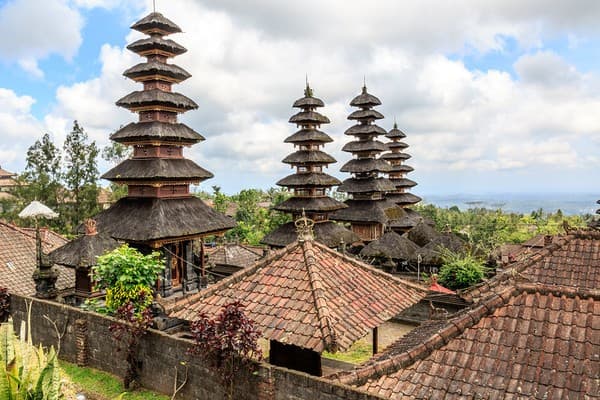
Besakih Temple (Pura Besakih) is the largest and holiest Hindu temple complex in Bali, often called the Mother Temple. Perched on the southwestern slopes of Mount Agung, it is the spiritual center for Balinese Hinduism and a focal point for island-wide rituals and pilgrimages. The site is a terraced complex of over 20 individual temples arranged on six levels, reflecting centuries of religious development. Its roots are ancient—linked to pre-Hindu megalithic traditions and later shaped by Majapahit-era Hindu influences—making it important both historically and culturally. Naturally, its dramatic setting on Mount Agung gives it strong sacred and scenic significance.
Last updated: 31 Dec 2025
Historic Anecdotes
Local legend holds that the mountain and temple are home to powerful deities and ancestral spirits; many Balinese believe Mount Agung is the abode of the gods. A widely told story is that during the 1963 eruption of Mount Agung, the temple was largely spared from destruction — a fact that locals interpret as evidence of its sacred protection. Other oral traditions describe the site as a meeting place for priestly councils and a center for reconciling communities, strengthening its role beyond purely ritual functions.
Places to visit
- Pura Penataran Agung (the main sanctuary) — the spiritual heart of the complex
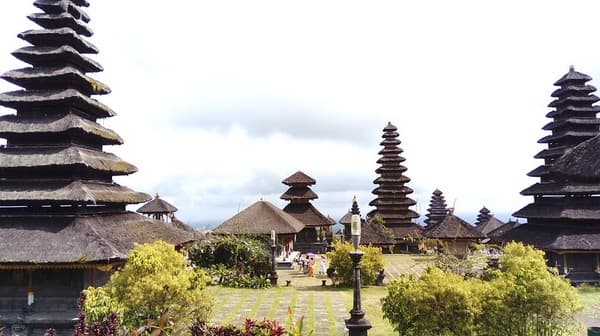
- The tiered meru shrines (multi-roof pagoda-like towers)
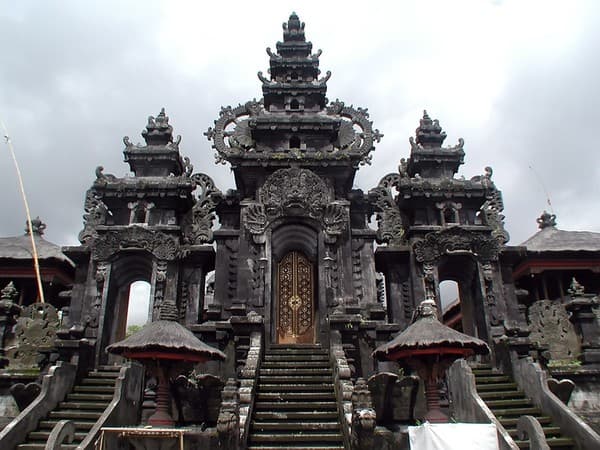
- Stone gateways (candi bentar) and carved reliefs
- Stepped terraces and courtyards that ascend the slope of Mount Agung
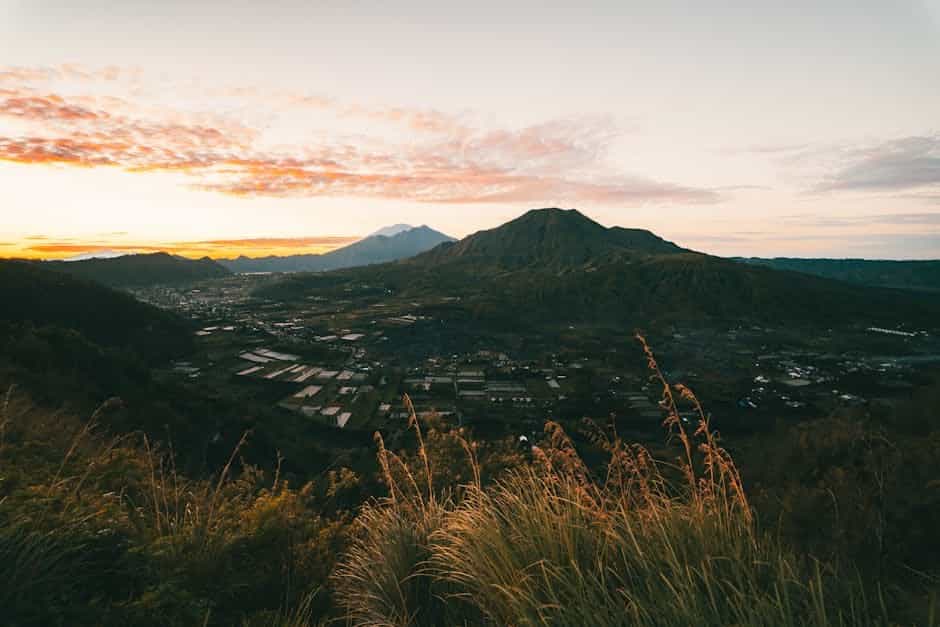
- Panoramic vistas of Mount Agung and surrounding rice terraces
- Ritual processions and richly dressed priests and worshippers during ceremonies
Unique Aspects
- A complex of more than 20 interrelated temples on six terraces
- An active living temple where daily offerings and rites are performed
- Distinctive Balinese temple architecture with meru towers and split gates
- Sacred atmosphere and panoramic mountain setting
- Availability of local guides and priestly explanations for visitors (on request)
Things to do
- Guided tours of the temple complex and explanation of Balinese Hindu practices
- Observing or respectfully participating in temple ceremonies (when invited)
- Photography of architecture, stone carvings, and mountain views (ask permission before photographing worshippers)
- Short walks up the terraced pathways within the complex
- Combining a visit with a drive or hike around Mount Agung and nearby villages
Festivals & Events
- Piodalan / Odalan (temple anniversary celebrated on the 210-day Balinese Pawukon cycle) — many devotees converge for offerings and processions
- Major Balinese festivals observed at the temple during Galungan and Kuningan
- Special full-moon and island-wide ritual days such as Nyepi-related rites
- Occasional large priestly ceremonies called for purification or communal reconciliation
Best Time to Visit
Dry season (roughly April to October) for clearer views and easier walking. Visit early morning (from opening) to avoid heat and crowds, and late afternoon for softer light—but check ceremony schedules if you prefer quieter times.
Weather Conditions
Tropical mountain climate: generally warm but cooler than the coast due to elevation. Expect daytime temperatures roughly 20–28°C (68–82°F) and cooler mornings/evenings; sudden showers are possible in the wet season.
Entry Fees & Permits
The temple is open daily, typically from early morning until late afternoon (approx. 06:00–18:00), but exact hours can vary and some inner sanctuaries are restricted during ceremonies. There is usually a nominal entrance fee or suggested donation and additional fees for a licensed local guide or parking. Prices change periodically—carry local currency (IDR) and expect to pay a small donation for offerings or purification if you participate.
Accessibility
Located on the slopes of Mount Agung, about 1–2 hours' drive from central areas like Ubud or Denpasar depending on traffic. The nearest international airport is Ngurah Rai International Airport (Denpasar). Access involves narrow winding roads and stone steps inside the complex, so it is not wheelchair-friendly. Local taxis, car rentals, or driver-guides are common. Bring comfortable shoes for uneven paths.
Recommended Duration
Plan 2–4 hours to explore the main areas, photograph, and attend any short ceremonies. Half-day including travel time from nearby towns; a full day if combining with surrounding attractions.
Clothing & Gear Tips
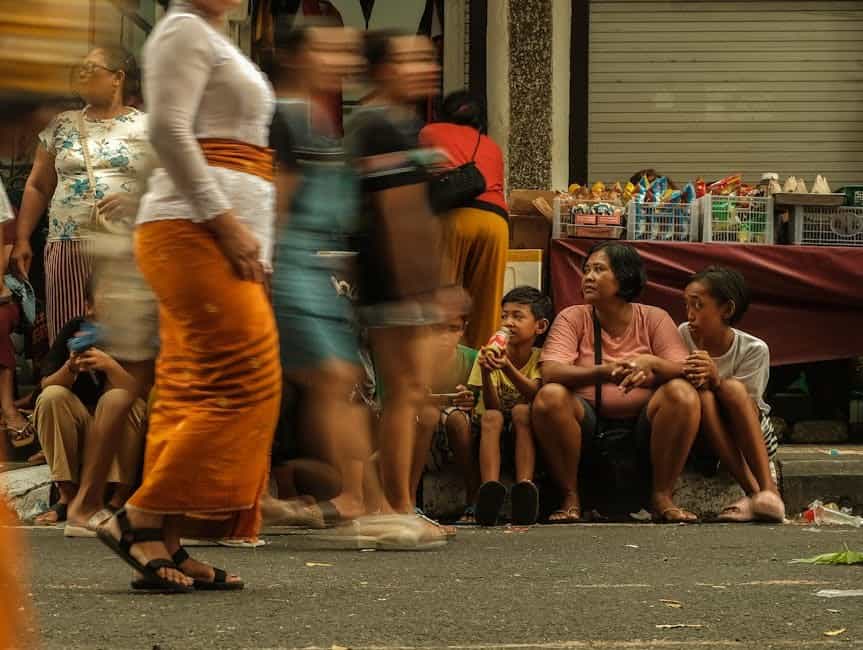
Respectful dress is required: cover shoulders and knees. A sarong and sash are often mandatory to enter inner areas—these can usually be rented or borrowed at the entrance. Wear comfortable non-slip shoes for steps; bring a light rain jacket in the wet season, sunscreen, a hat, and water.
Local Food & Souvenirs
Try nearby Balinese snacks and drinks sold by local stalls (carry small change). Souvenirs commonly available in surrounding villages include wood carvings, silver jewelry, ikat textiles, stone miniature temple carvings, and locally roasted coffee. Avoid buying or handling ritual items offered by worshippers.