Goa Gajah (Elephant Cave), Bali
Goa Gajah (Elephant Cave) is an important archaeological and spiritual site on Bali, dating from around the 9th–11th centuries. The site reflects a blend of Hindu and Buddhist influences common in early Balinese culture. It served as a hermitage and place of worship, and its rock-cut cave, carved stone entrance, and ritual bathing pools provide insight into ancient ritual practices and Balinese sculptural art.
Last updated: 31 Dec 2025
Places to visit
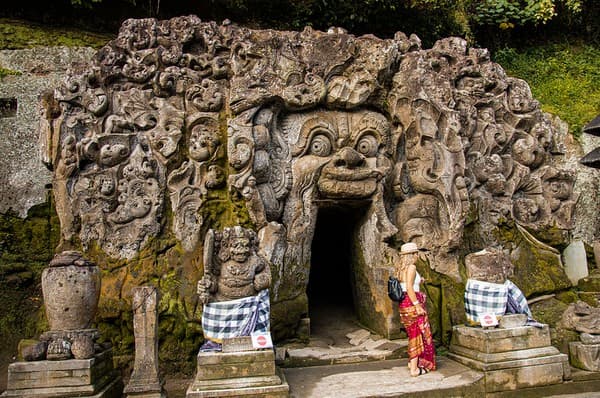
- The carved cave entrance (often described as a demon or Kala face)
- Inner cave shrine with lingam and yoni and various stone statues
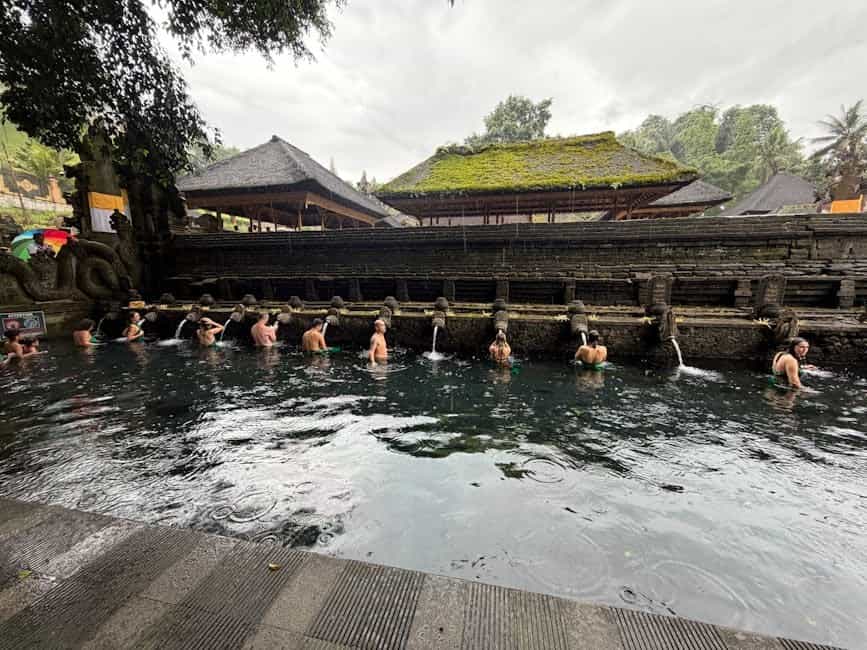
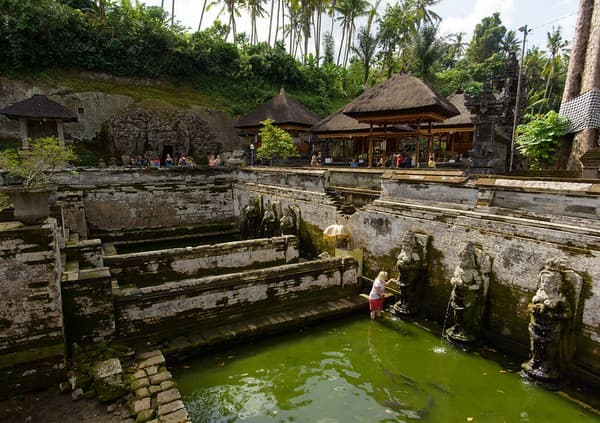
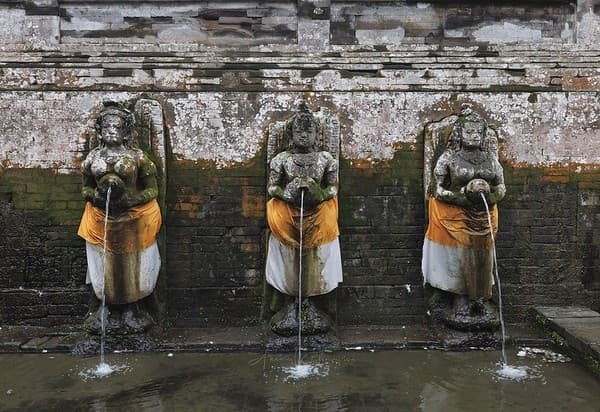
- Ancient ritual bathing pool with stone spouts and reliefs
- Surrounding terraced gardens and shaded pathways
- Nearby Banyan trees and the small archaeological display areas
Unique Aspects
- Blend of Hindu and Buddhist iconography in sculpture and reliefs
- Rock-cut architecture and detailed stone carving dating to the 9th–11th centuries
- Ritual purification pools with intricately carved fountain spouts
- Tranquil forested setting close to rice terraces and water channels
Things to do
- Explore and photograph the dramatic cave entrance and carvings
- Enter the inner cave shrine (observe respectfully; modest dress required)
- Walk the pathways to see the bathing pools and stone spouts
- Join a guided tour to learn about the site's history and iconography
- Combine the visit with nearby Ubud attractions (rice terraces, markets)
Best Time to Visit
Best time: Dry season (April–October); arrive early morning to avoid crowds and heat.
Weather Conditions
Tropical climate — warm and humid year-round. Dry season is sunnier and less rainy; monsoon season (roughly November–March) brings frequent heavy showers.
Entry Fees & Permits
Typical practicalities: Entrance fees and opening hours change periodically; many visitors report typical opening times around 08:00–17:00. Small admission fee applies—check current rates locally or via your accommodation before visiting.
Accessibility
About 6–8 km southeast of central Ubud; easily reached by car, taxi, or motorbike. There is on-site parking. The site includes stone steps, uneven paths, and a dim cave interior — not fully wheelchair accessible and may be challenging for those with mobility issues.
Recommended Duration
How long to stay: 45 minutes to 2 hours (short visit if combined with other Ubud sites).
Clothing & Gear Tips
Dress modestly: sarong and sash are traditionally required for temple areas (often available to rent on site). Bring comfortable footwear, water, a hat, and a small torch for darker parts of the cave. Insect repellent can help in the gardens.
Local Food & Souvenirs
Several warungs (local eateries) and small shops near the site and along the road to Ubud. Popular nearby souvenirs include Balinese textiles, wood or stone carvings, silver jewelry from Ubud markets, and local snacks. Respectfully decline aggressive vendors if necessary.