Goa Lawah Temple, Bali
Goa Lawah Temple (Pura Goa Lawah) is an important Balinese Hindu temple located on Bali's southeast coast. The site is renowned for its natural bat cave that forms the heart of the temple complex and for its long-standing role in local religious life. The temple is believed to be ancient (often dated by historians and local tradition to the island's classical period) and is valued both as a spiritual guardian of the coastline and as part of Bali's rich temple network that anchors community ritual life.
Last updated: 06 Jan 2026
Historic Anecdotes
Local legends and traditions link the temple to early Balinese holy men and traveling Hindu priests (figures like Mpu Kuturan and Dang Hyang Nirartha are frequently associated with many Balinese temples in oral histories). A common theme in stories is that the cave's bats and the cave itself are sacred, acting as protectors and as a sign of the temple's mystical power.
Places to visit
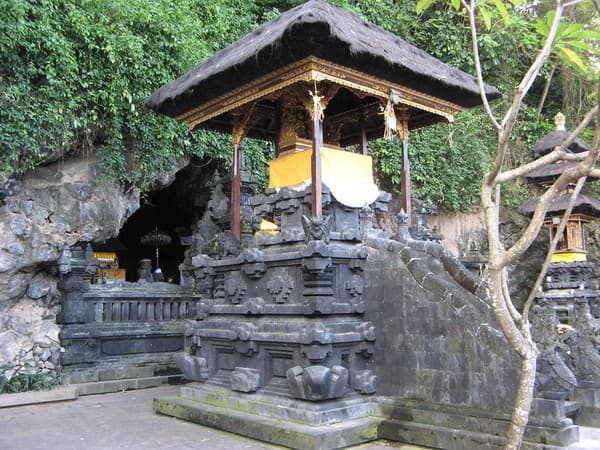
- The Bat Cave (goa) — the cave opening lined with hundreds or thousands of roosting bats, visible at certain times of day.
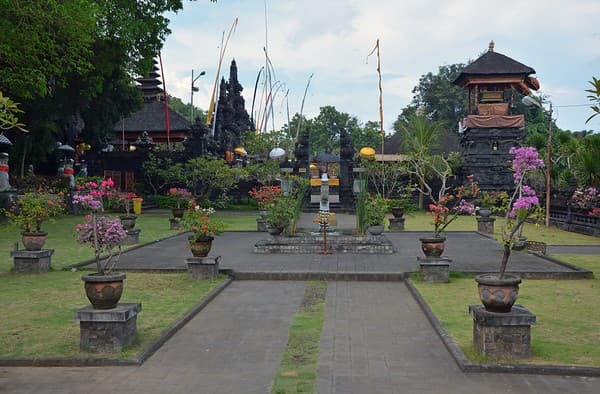
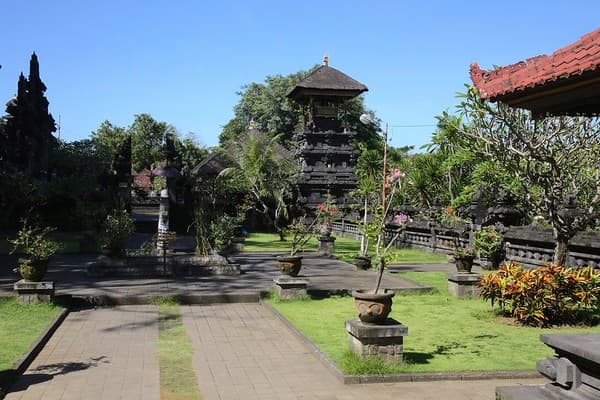
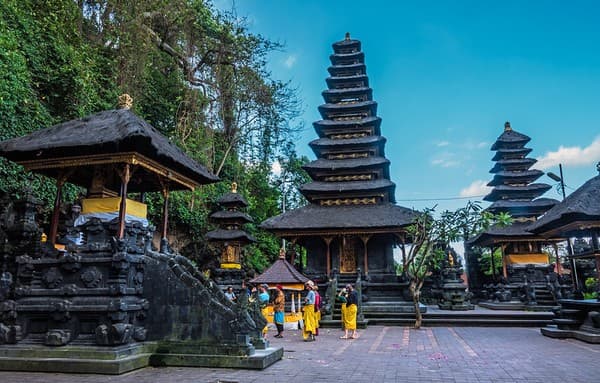
- Temple shrines and pavilions — traditional Balinese pura architecture including meru towers, pelinggih shrines and carved entry gates.
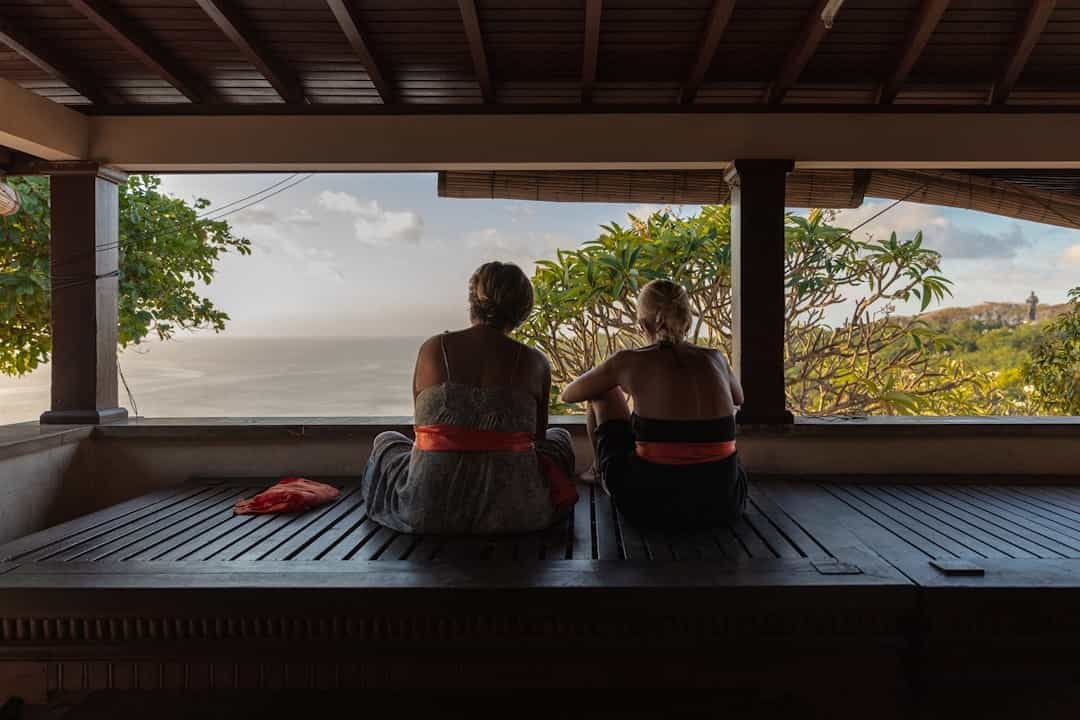
- Sea and coastal setting — the temple sits near the shoreline and offers views typical of Bali's southeast coast.
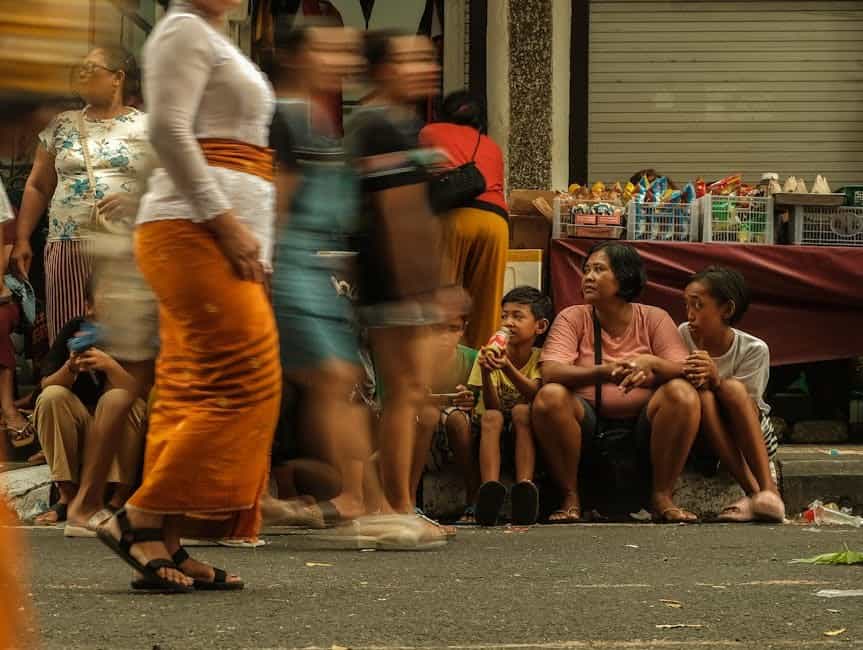
- Daily offerings and ritual activity — vivid displays of Balinese Hindu worship with colorful offerings, incense, and ceremonies.
Unique Aspects
- Large colony of bats visible at cave mouth (hence the name ‘Goa Lawah’ = Bat Cave).
- Traditional Balinese temple architecture blending natural cave features with carved stone shrines.
- A sacred inner cave chamber used for ritual purposes (visitors can view from outside but inner access is restricted).
- Photogenic contrasts: dark cave mouth, ornate shrines, and coastal light — attractive to photographers and cultural visitors.
Things to do
- Observe the bats from a safe distance and photograph the cave mouth and temple compound (respect signs and worshippers).
- Watch or quietly participate in daily offering rituals and see local Hindu practices up close.
- Attend temple ceremonies if invited or during public festivals (note restrictions and dress code).
- Stroll the surrounding coastal road and nearby small beaches to experience local fishing village life.
Festivals & Events
- Odalan — the temple anniversary celebrated on the Balinese pawukon cycle (every 210 days).
- Major Balinese festivals observed here include Galungan, Kuningan, and Nyepi observances where community ceremonies increase activity at the temple.
- Local temple ceremonies and cremation-related rites may occasionally be held in or near the complex (these are community-specific events).
Best Time to Visit
Dry season (April–October) is generally most comfortable for travel and photography. Early morning or late afternoon visits provide softer light and cooler temperatures.
Weather Conditions
Tropical coastal climate: hot and humid with a pronounced rainy season (November–March). Short heavy showers common in the wet months.
Entry Fees & Permits
There is typically a small entrance donation or ticket (a modest fee or donation in local rupiah); the temple is usually open daily from early morning until late afternoon/dusk. During private ceremonies or major temple events, visitor access may be limited — follow staff instructions.
Accessibility
Located in the village of Pesinggahan (Klungkung regency) on Bali’s southeast coast, accessible by car or scooter via the island's main roads. Nearest major airport: Ngurah Rai International Airport (Denpasar). Travel time by car is typically around 1–2 hours from the airport depending on traffic. Public transport options are limited; hire a car, taxi, or scooter for reliable access. The site has steps and uneven surfaces and is not fully wheelchair-accessible.
Recommended Duration
Plan 30–90 minutes for a visit (short stop if en route, longer if attending ceremonies or exploring surrounding area).
Clothing & Gear Tips
Wear temple-appropriate clothing: sarong and sash (can usually be hired or bought on-site), shoulders covered and modest attire. Bring insect repellent, sun protection, a light rain jacket (in wet season), comfortable shoes for uneven ground.
Local Food & Souvenirs
Nearby stalls or small local warungs offer Balinese snacks and refreshments; look for handcrafted offerings, woven items, and carved souvenirs in nearby village shops. Try local coastal dishes at warungs if you have time.