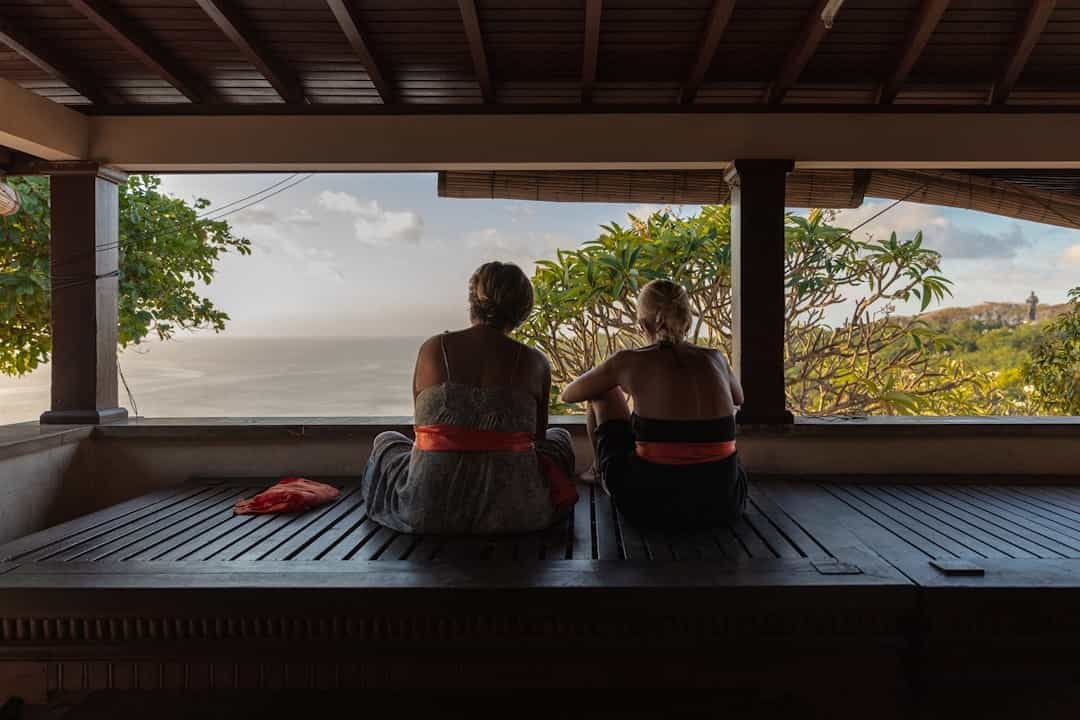
Gunung Kawi Sebatu Temple, Bali
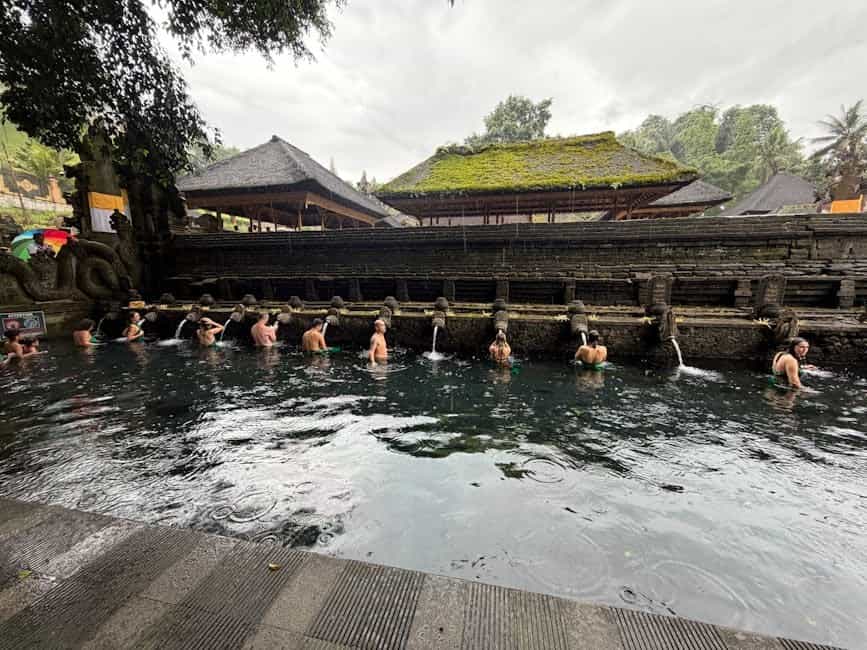
Pura Gunung Kawi Sebatu is a sacred Balinese Hindu water temple in Sebatu village (Tegallalang subdistrict), renowned for its holy spring and beautifully landscaped bathing pools. The temple illustrates Balinese spiritual practices centered on water purification (melukat) and traditional temple architecture, making it an important site for both local devotees and visitors seeking a peaceful cultural experience.
Last updated: 06 Jan 2026
Historic Anecdotes
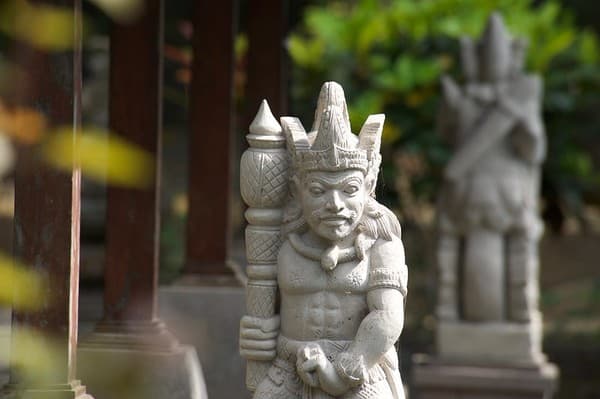
Local belief holds that the spring at Sebatu has protective and purifying powers; villagers perform rituals here to cleanse the body and spirit. While not as ancient as some rock-cut complexes elsewhere in Bali, the temple is wrapped in village legends about protective deities and ancestral guardians who watch over Sebatu and its waters.
Places to visit
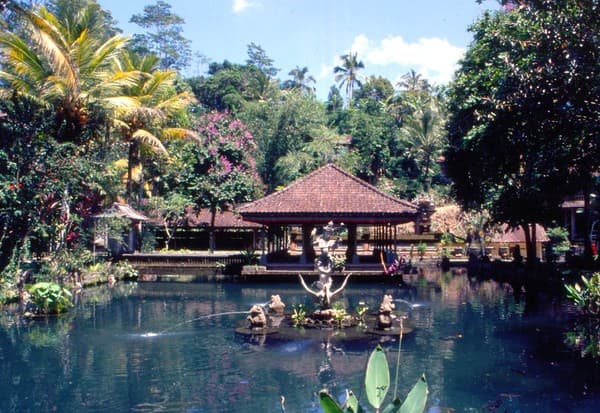
- Central bathing pools fed by multiple stone fountains
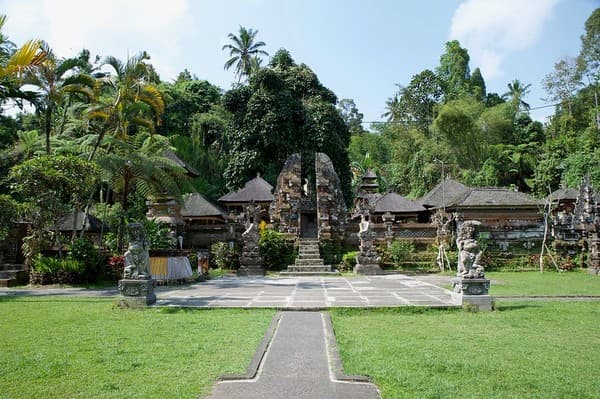
- Ornate shrines and split gates (candi bentar) with classic Balinese carvings
- Lush gardens, lotus ponds, and shaded pathways
- Quiet courtyards ideal for meditation and reflection
- Traditional ceremonies and occasional temple offerings visible to visitors
Unique Aspects
- Holy spring water used for melukat (purification) rituals
- Well-maintained gardens and symmetrical water features creating a tranquil atmosphere
- Less crowded and more intimate atmosphere compared to major tourist sites
- Picturesque setting near rice terraces and rural Balinese village life
Things to do
- Participate in or observe a melukat (purification) ritual (ask permission and follow local rules)
- Photography of architecture, fountains, and gardens (be respectful of worshippers)
- Guided cultural tours explaining Balinese temple layout and rituals
- Quiet walking, meditation, and enjoying the landscaped ponds
- Combine with nearby attractions such as Tegallalang rice terraces or local craft shops
Festivals & Events
- Odalan (temple anniversary) — observed on the Balinese pawukon calendar (every 210 days) — special ceremonies and offerings
- Galungan and Kuningan — major Balinese Hindu festivals when temples are decorated and active
- Local temple ceremonies — occasional full-day events that may restrict tourist access to inner courtyards
Best Time to Visit
Early morning (07:00–09:30) for cooler temperatures, calmer atmosphere, and to observe purification rituals. Dry season (April–October) offers more reliable weather.
Weather Conditions
Tropical climate: dry season April–October (sunny, warm), wet season November–March (afternoon showers). Expect warm, humid conditions year-round.
Entry Fees & Permits
Typical practice: small entrance fee or donation (approximately IDR 15,000–50,000); opening hours commonly around 07:00–18:00 (varies by temple management). Sarongs/sashes are required and often available to borrow or rent at the entrance. Fees and times can change—confirm locally.
Accessibility
Located in Sebatu (Tegallalang), roughly 20–30 minutes north of central Ubud by car (distance ~10–15 km depending on route). Nearest major airport: Ngurah Rai International Airport (Denpasar) — about 45–90 minutes by car depending on traffic. Public transport is limited; best accessed by private car, taxi, ride-hailing, or scooter. Parking is usually available near the temple grounds.
Recommended Duration
1–2 hours to explore the site, participate in a short ritual, take photos, and enjoy the gardens. Longer if combining with nearby attractions.
Clothing & Gear Tips
Dress modestly: shoulders and knees covered. Bring or wear a sarong and sash (often provided). Comfortable walking shoes, a hat, sunscreen, insect repellent, and a reusable water bottle are recommended.
Local Food & Souvenirs
Nearby warungs serve Balinese staples (nasi campur, sate lilit, lawar) and coffee. Look for local handicrafts such as carved wood items, batik textiles, incense, and temple offerings as souvenirs.