Gunung Kawi Temple (Rock-Cut Shrines), Bali
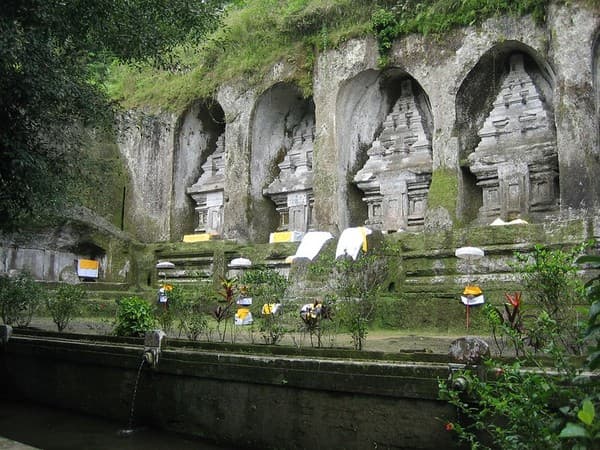
Gunung Kawi is one of Bali's oldest and most important archaeological sites. The complex dates back to the 11th century and is believed to be a funerary monument complex honoring King Anak Wungsu of the Udayana dynasty and members of his royal family. It is a rare example of large-scale rock-cut architecture in Bali, blending Hindu cosmology with local spiritual traditions and set within a richly vegetated river valley (the Pakerisan River), giving it both cultural and natural significance.
Last updated: 31 Dec 2025
Historic Anecdotes
Local tradition links the site to royal funerary rituals and ancestral worship. Legends say the cliff shrines were carved overnight or by supernatural means to honor a king and his family. The site is also associated with sacred springs and purification rites; villagers believe the area is inhabited by protective spirits and that ritual offerings keep those spirits appeased.
Places to visit
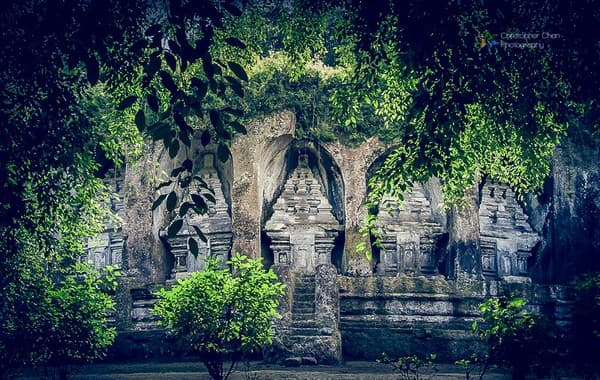
- Ten rock-cut shrines (candi) carved directly into the cliff face (each several meters high) — the focal point of the complex.
- A long descending stone stairway (over 300 steps) that passes through lush rice terraces and jungle to the riverside temple area.
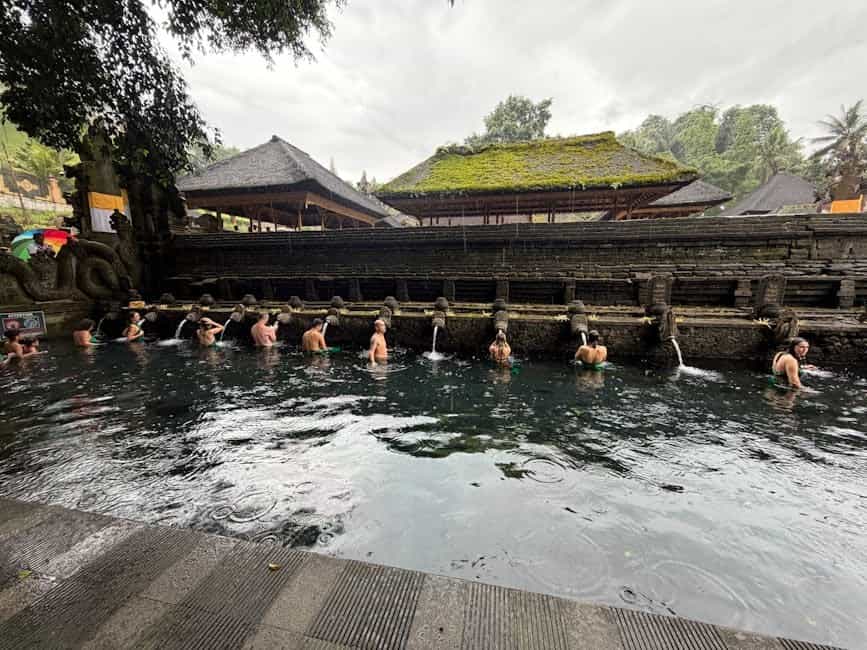
- Riverside petirtaan (sacred bathing/purification pools) and small shrines where local worship and purification ceremonies are performed.
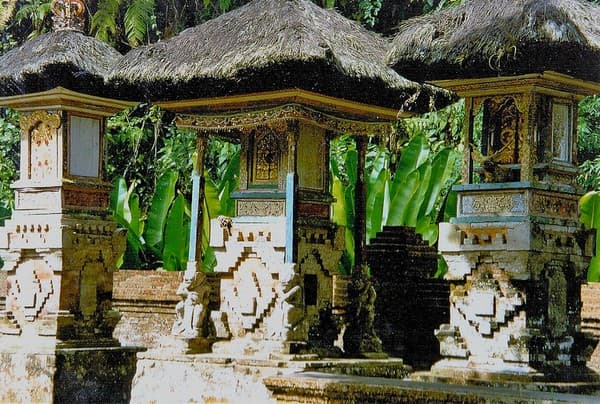
- Traditional Balinese temple compounds near the carved shrines, used for ongoing religious activity.
Unique Aspects
- Rock-cut architecture — rare on Bali compared with freestanding temples.
- Scenic valley and terraced paddy views flanking the access stairs.
- Close relationship between temple layout, river (Pakerisan), and agricultural landscape reflecting Balinese cosmology.
Things to do
- Walk the stairway descent to explore the cliff shrines and riverside temples.
- Observe or participate in traditional Balinese prayer and offerings (when appropriate and respectful).
- Photography of carved shrines, river valley and rice terraces (best light early morning or late afternoon).
- Visit nearby ruins and complementary sites in the Tampaksiring area (including Tirta Empul Temple).
- Hire a local guide to learn the history, myths and symbolic meanings of the carvings and layout.
Festivals & Events
- Piodalan (temple anniversary) ceremonies — dates follow the Balinese 210-day pawukon calendar.
- Major Balinese festivals such as Galungan and Kuningan, when local offerings and temple activity increase.
- Smaller local purification rituals held at the petirtaan and riverside shrines throughout the year.
Best Time to Visit
Dry season (April to October) is generally best for clear weather and easier walking. Arrive early morning (around sunrise to 09:00) to avoid heat and crowds.
Weather Conditions
Tropical climate — warm and humid year-round. Expect heavy rainstorms during the wet season (November to March). Bring sun protection and a light rain layer if visiting in wet months.
Entry Fees & Permits
There is a modest entrance fee to access the Gunung Kawi complex (varies and may change; check current rates locally). Typical opening hours are roughly 07:00–17:30, but hours may vary with local temple ceremonies — verify before visiting.
Accessibility
Located near Tampaksiring in central-northern Bali. Roughly 30–60 minutes from Ubud depending on traffic and about 1–1.5 hours from Ngurah Rai International Airport (Denpasar). Public transport is limited; best reached by private car, taxi, scooter, or as part of an organized tour. The site requires descending and ascending many stone steps, so it is not fully accessible for people with mobility difficulties.
Recommended Duration
Allow 1–2 hours to descend, explore the shrines and riverside area, and return (longer if attending ceremonies or exploring nearby sites).
Clothing & Gear Tips
Wear modest clothing covering shoulders and knees (temple sarong and sash are often required for entry; these may be available to rent/borrow on site). Comfortable, sturdy shoes for stairs, hat, sunscreen, insect repellent, and a refillable water bottle.
Local Food & Souvenirs
Small local warungs near the entrance sell Balinese snacks and dishes (e.g., nasi campur). Nearby markets and stalls offer souvenirs such as sarongs, wood carvings, and woven crafts. Support local vendors and respect temple rules when photographing worshippers.