Jatiluwih Rice Terraces, Bali
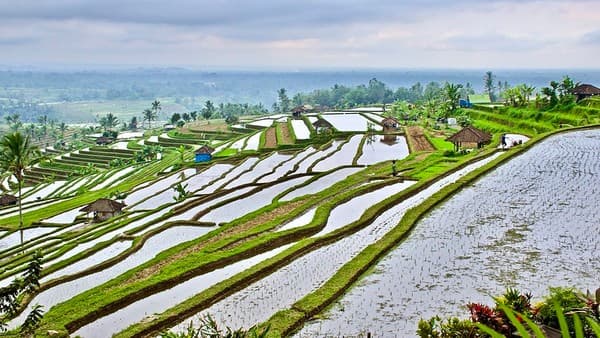
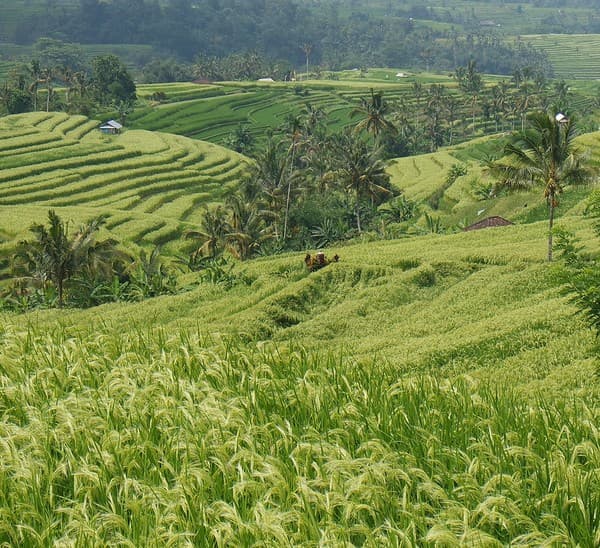
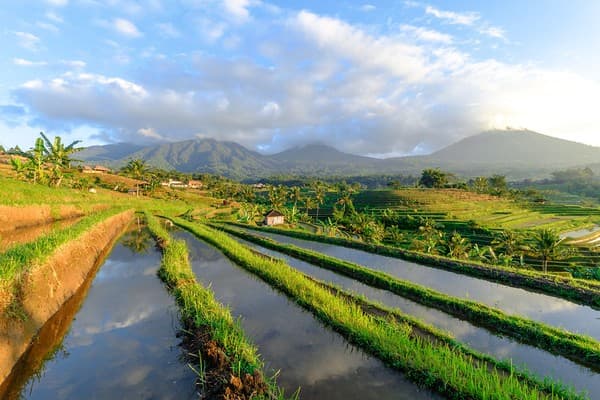
Jatiluwih Rice Terraces showcase the traditional Balinese Subak irrigation system — a communal water-management practice dating back to the 9th century — and are part of the UNESCO World Heritage listing "Cultural Landscape of Bali Province: the Subak System as a Manifestation of the Tri Hita Karana". The terraces are important for agricultural heritage, local identity, and landscape conservation, offering an outstanding example of human interaction with the environment in a volcanic island setting.
Last updated: 06 Jan 2026
Historic Anecdotes
Local lore ties the fertility of the Jatiluwih paddies to offerings and rituals that maintain balance between the gods, humans and nature (Tri Hita Karana). Villages recount stories of ancestral farmers who negotiated water rights through the Subak system, and small temple festivals (odalan) at hill shrines celebrate these relationships — many tales emphasize respect for water spirits and communal harmony.
Places to visit
- Panoramic terrace viewpoints across rolling rice paddies
- Walking and trekking paths through Subak canals and bunds
- Traditional subak canals and stone infrastructure
- Small hilltop temples and village shrines
- Mount Batukaru and distant volcano views
Unique Aspects
- Part of the UNESCO Cultural Landscape of Bali (Subak system)
- Expansive, well-preserved terraced rice fields visible from many viewpoints
- Living agricultural landscape with active rice cultivation cycles
- Scenic blend of terraces, coconut groves and forested backdrops
- Quiet rural atmosphere with local warungs and homestays
Things to do
- Scenic walking trails and short treks (easy to moderate)
- Cycling routes along village roads (road or guided mountain-bike options)
- Photography at sunrise or late afternoon for best light
- Joining or observing Subak-related rituals and small temple ceremonies
- Visiting local warungs for Balinese food and meeting farmers
- Participating in rice-planting or harvest experiences when available (seasonal)
Festivals & Events
- Local temple odalan (temple anniversaries) held at village shrines
- Subak ritual ceremonies and offerings related to planting and harvest (seasonal)
- Occasional harvest celebrations and community gatherings — dates vary by village
Best Time to Visit
Dry season (April–October): best for clear skies, hiking and easy access.
Green paddies (most vibrant): visit during the growing/early season (around November–March) if you want intensely green fields, but prepare for wetter conditions.
Overall, plan according to whether you prefer clear weather or the lushest terraces.
Weather Conditions
Tropical climate with warm days and cooler mornings at altitude. Typical temperatures range from 20–30°C (68–86°F). Expect rain and muddy paths during the wet season (November–March) and more stable, sunny conditions in the dry season.
Entry Fees & Permits
There is a small entrance fee/managed-access charge for the Jatiluwih viewing area (varies by year and by management; typically a modest fee payable at the gate). Usual visiting hours are approximately 7:00–18:00, but local access points may differ — check current signage or ask at your hotel/tour operator.
Accessibility
Located in Tabanan Regency on Bali’s central west slopes.
- Nearest major airport: Ngurah Rai International Airport (DPS) — drive time ~1.5–2.5 hours depending on traffic and route.
- Nearest town: Tabanan (about 30–45 minutes) and Ubud (~45–60 minutes).
- Public transport is limited; best reached by private car, taxi, driver, or organized tour. Motorbikes are possible but roads can be steep and winding. On-site paths are mostly on foot and easy to moderate difficulty.
Recommended Duration
2–4 hours (half-day) to walk viewpoints and have a meal; half-day to full-day if combining trekking, cycling or visiting nearby attractions. Overnight in a local homestay if you want early-morning sunrise or a quieter experience.
Clothing & Gear Tips
Comfortable walking shoes/trainers or light hiking shoes, sun hat and sunscreen, rain jacket during wet season, light layers for cooler mornings, insect repellent, refillable water bottle, and a small daypack. Respectful clothing (covering shoulders/legs) if entering temple areas.
Local Food & Souvenirs
Try local warung dishes such as nasi campur, lawar, fresh tempeh and Balinese coffee. Souvenirs include handwoven textiles, rice-based products, small wood or straw crafts, and locally produced snacks. Support local homestays and vendors to contribute to the community.