Lempuyang Temple (Gates of Heaven), Bali
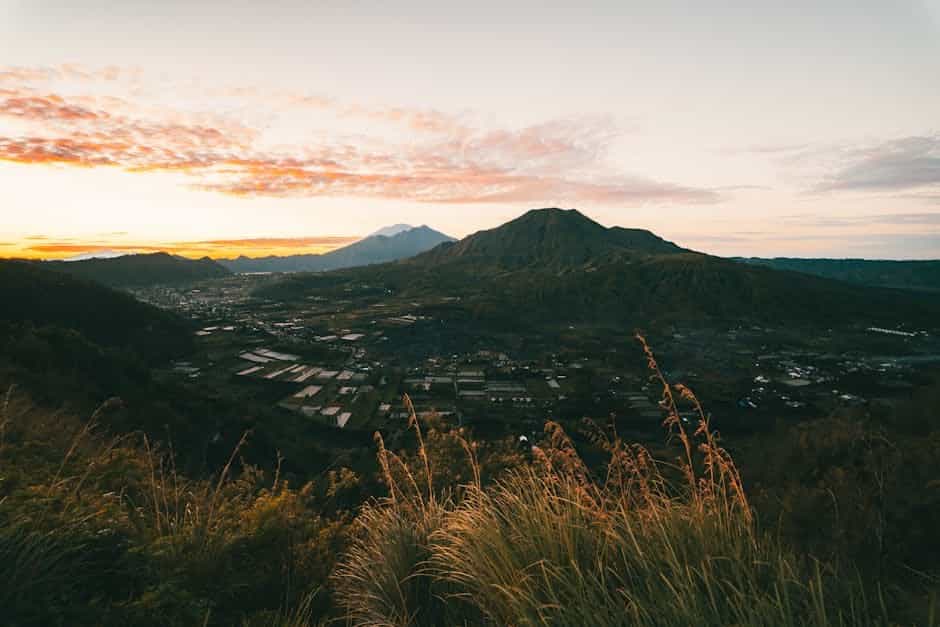
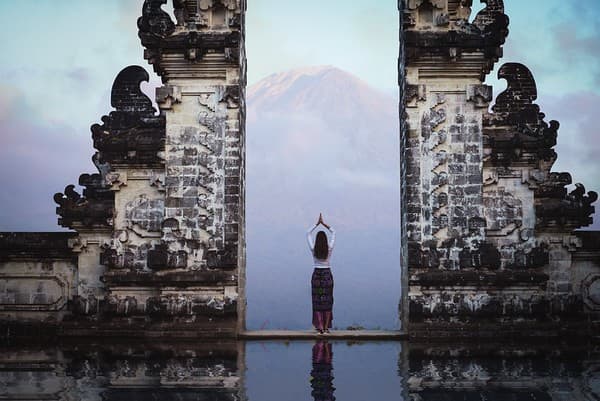
Pura Luhur Lempuyang, commonly known as Lempuyang Temple or the 'Gates of Heaven', is one of Bali's oldest and most sacred temple complexes. It forms part of the Sad Kahyangan Jagat (six holiest temples that protect Bali) and occupies a spiritual role as a guardian of the island's eastern flank. Set on the slopes of Mount Lempuyang, the temple offers commanding views toward Mount Agung and the surrounding landscapes, blending natural grandeur with deep cultural and religious significance.
Last updated: 31 Dec 2025
Historic Anecdotes
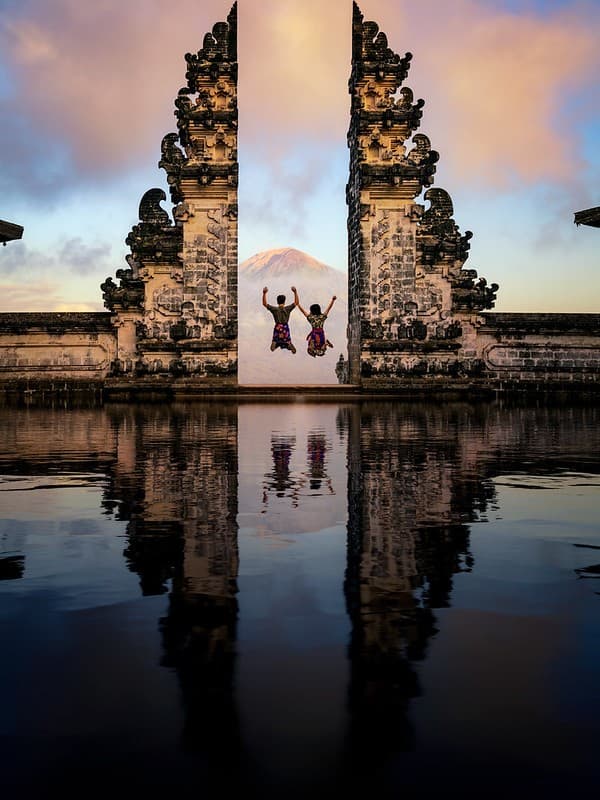
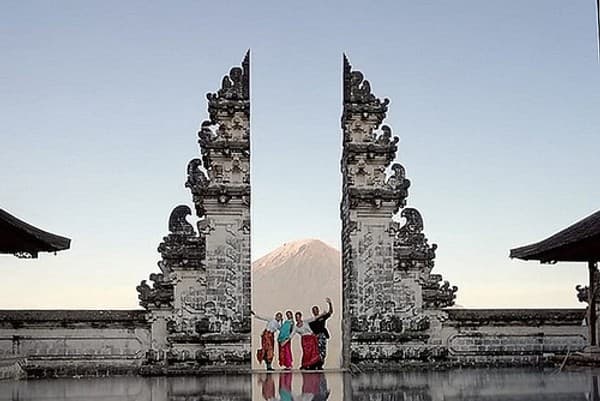
Local legend holds that the mountain and temple were sanctified by early rishis (Hindu sages) who established shrines here to balance spiritual energies across the island. The complex is associated with rituals of purification and protection; many Balinese believe praying at Lempuyang confers spiritual merit and protection. The iconic 'Gates of Heaven' photograph became a modern legend of its own, drawing pilgrims and photographers seeking the perfect symmetrical frame with Mount Agung.
Places to visit
- Gates of Heaven (the famous split candi bentar gate with Mount Agung framed in the background)
- Pura Luhur Lempuyang (the highest and holiest shrine at the summit of the complex)
- A series of interconnected temples and shrines along the mountain ascent (often several distinct temple levels)
- Steep stone staircases and pathways offering scenic viewpoints
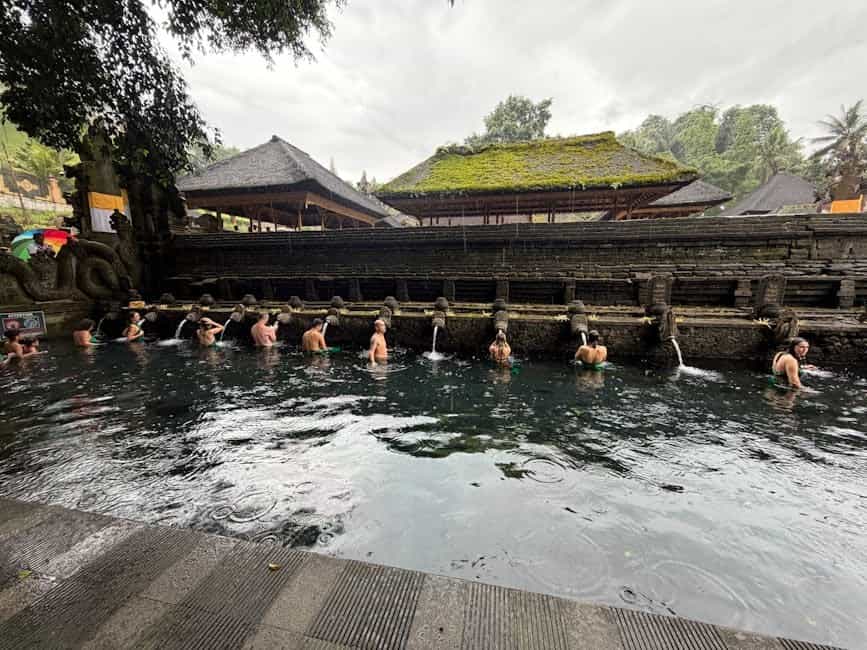
- Tirta (holy water) purification pools and small ceremonial courtyards
Unique Aspects
- Iconic photographic viewpoint often referred to as the 'Gates of Heaven' — best at sunrise when light and clouds align
- High-elevation temple complex with panoramic views of Mount Agung and eastern Bali
- Traditional Balinese temple architecture: split gates (candi bentar), meru towers, intricate stone carvings
- Pilgrimage atmosphere with devotees performing offerings and water purification rituals
Things to do
- Climb the stairways through the temple complex, visiting multiple shrines
- Photography at the Gates of Heaven viewpoint and surrounding terraces
- Participate or observe purification (melukat) rituals using tirta (holy water) at designated spots
- Enjoy sunrise or early-morning views and avoid midday haze
- Explore nearby villages and local markets in eastern Bali for authentic cultural encounters
Festivals & Events
- Piodalan (temple anniversary, observed on the Balinese Pawukon cycle every ~210 days) — vibrant local ceremonies and offerings
- Galungan and Kuningan — major Balinese festivals celebrated island-wide with processions and temple rituals
- Nyepi preparations and related observances (quiet/ritual periods leading into the Day of Silence)
Best Time to Visit
Dry season (April to October) offers clearer skies; sunrise and early morning are ideal for views and to avoid crowds and afternoon cloud build-up.
Weather Conditions
Tropical climate: warm and humid in lowlands, noticeably cooler at the higher elevations near the temple. Afternoon clouds and occasional rain are common in the wet season (November–March).
Entry Fees & Permits
The temple complex generally welcomes visitors daily. Expect a small entrance donation or fee (varies by year and management) plus possible parking charges. Sarong and sash (required temple attire) may be available for rent or donation at the entrance. Gates and specific shrines are accessible primarily in the morning to late afternoon; arriving early is recommended for both access and photos.
Accessibility
Located in eastern Bali near the Karangasem/Amlapura area — roughly 1.5–3 hours by car from Ngurah Rai (Denpasar) depending on traffic. Access is by road to the base of the complex; then a steep walk and many steps lead to the upper temples. Not suitable for visitors with limited mobility; prepare for a physically demanding ascent. Public transport is limited — use a private car, taxi, or organized tour.
Recommended Duration
Half-day to a full day (allow extra time for driving from main tourist hubs like Ubud or south Bali, photography stops, and a relaxed ascent).
Clothing & Gear Tips
Respectful temple attire is required: sarong and sash (often provided or rentable). Wear comfortable, sturdy walking shoes for steep and uneven steps. Bring water, sun protection (hat, sunscreen), light rain jacket in wet season, and insect repellent. If you plan to enter inner shrines or participate in rituals, women in menstruation are traditionally not permitted to enter certain sanctums — follow local guidance.
Local Food & Souvenirs
Try East Bali specialties in nearby warungs (local eateries) — simple rice dishes, grilled fish, and local fruits. Souvenirs include sarongs, traditional fabrics, small wooden carvings, and local offerings. Purchase from nearby villages to support local communities.