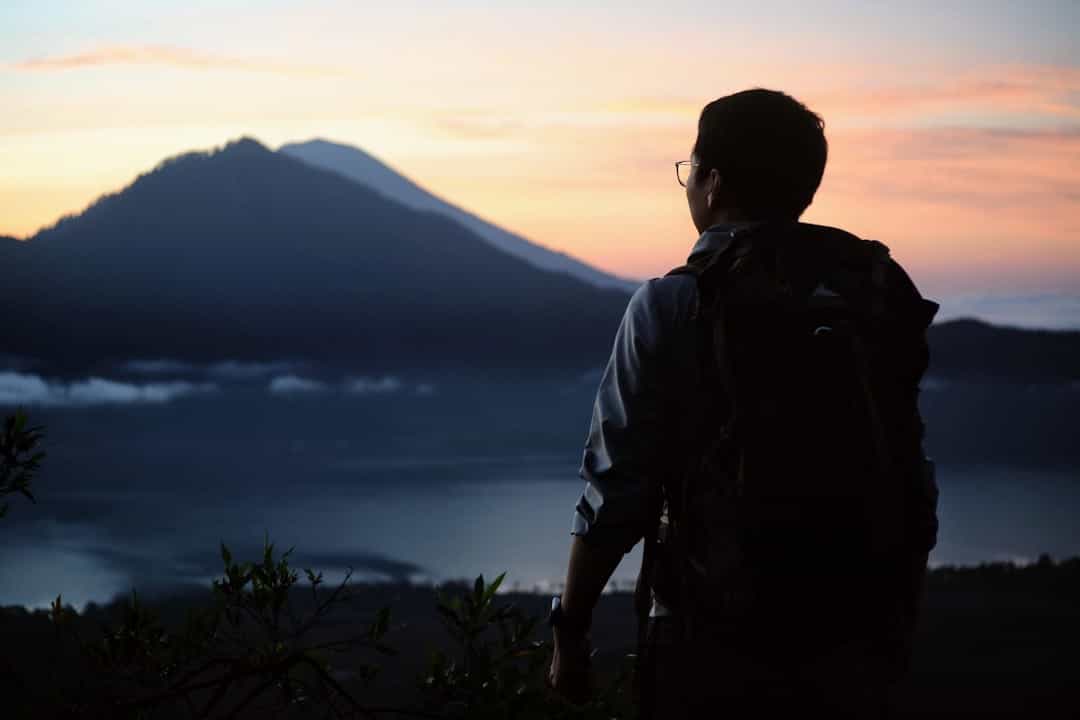
Mount Agung, Bali
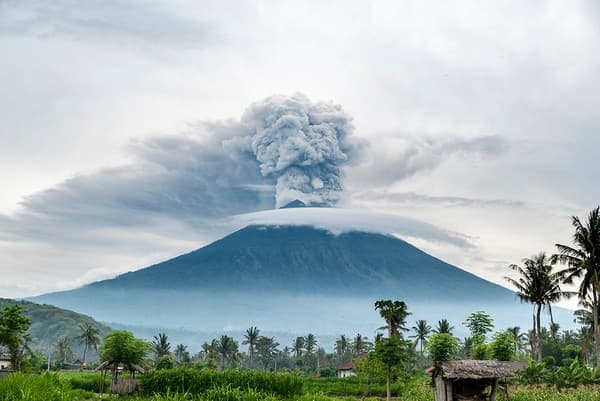
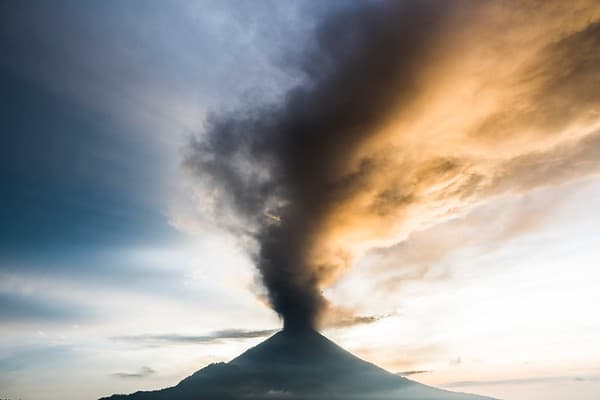
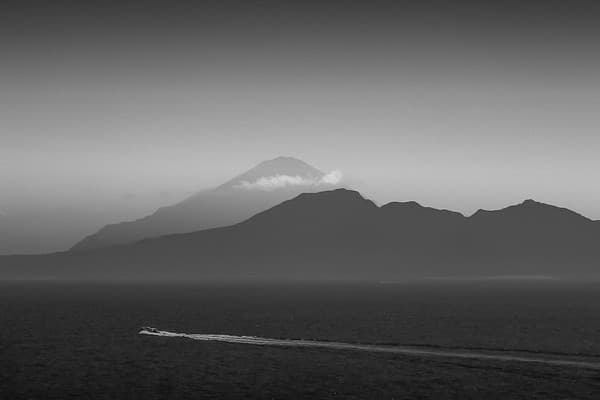
Mount Agung (Gunung Agung) is the highest and most sacred volcano in Bali, Indonesia, rising to 3,031 meters. It is central to Balinese Hindu cosmology: the mountain is considered the abode of the gods and the location of the important temple, Pura Besakih (the 'Mother Temple'). Beyond religious importance, Agung's eruptions have shaped Bali's landscape and soils, contributing to fertile agricultural land and influencing local ecosystems.
Last updated: 06 Jan 2026
Places to visit
- Pura Besakih (Besakih Temple) — the largest and holiest temple complex on the slopes of Agung
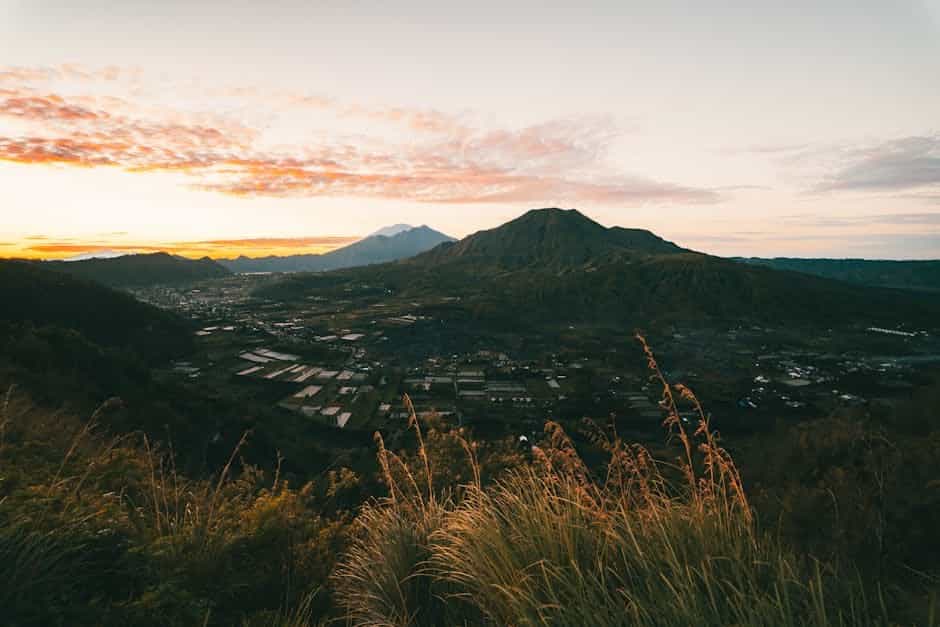
- Summit views — dramatic sunrise vistas over Bali and neighboring islands (on clear days)
- Trekking routes — classic ascent trails through villages, rice terraces, and alpine vegetation
- Traditional mountain villages — cultural encounters in towns like Rendang and Tenganan
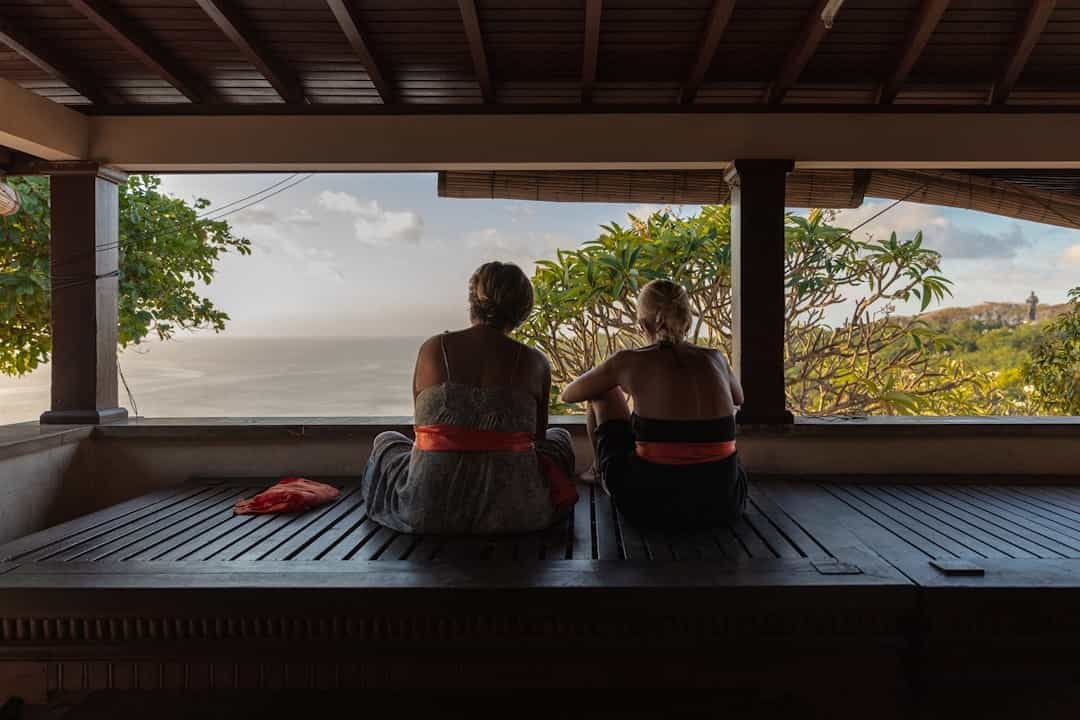
- Scenic overlooks — viewpoints such as Bukit Asah and tranquil spots around Sideman
Unique Aspects
- Prominent stratovolcano with a large caldera and high, steep ridgelines
- Rich biodiversity: lowland rice terraces, montane forests, and alpine grasses near the summit
- Cultural landscape: temples, shrines, and ceremonial routes integrated into the environment
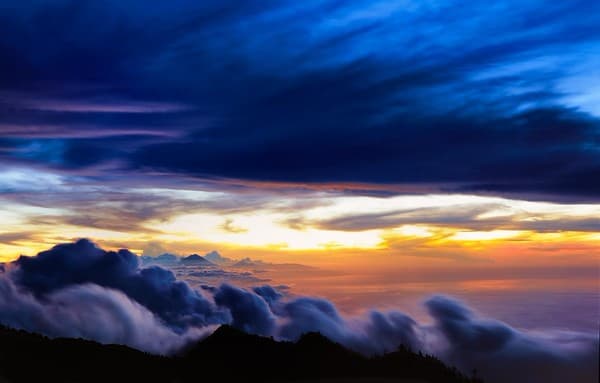
- Panoramic sunrise and cloud-sea phenomena for early morning trekkers
Things to do
- Sunrise summit trek — typically starting very early (often around 2–3 AM) to reach the peak for sunrise
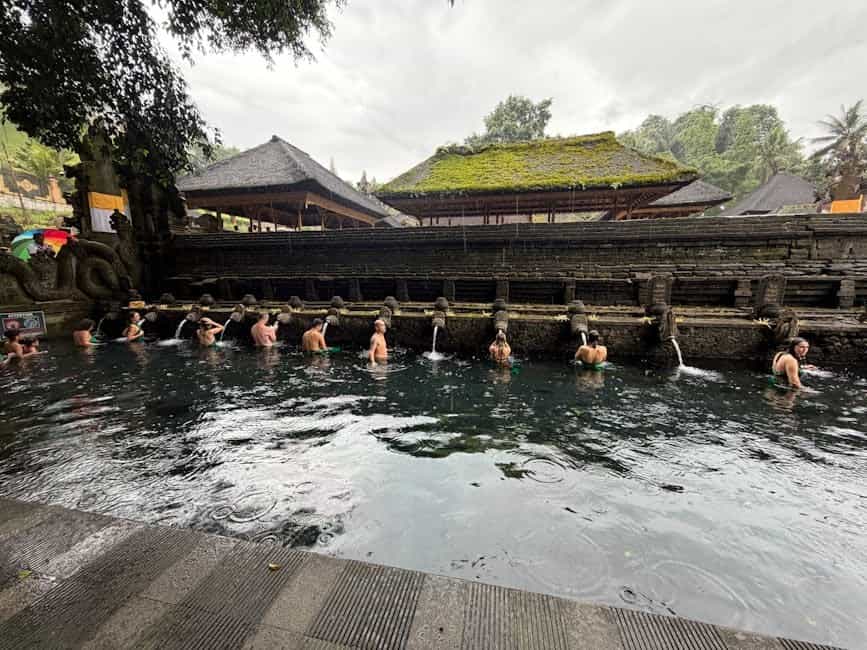
- Visit Pura Besakih and participate or observe temple ceremonies (respectful dress required)
- Guided nature walks on lower slopes and around rice terraces
- Photography of landscapes, cultural sites, and dramatic volcanic scenery
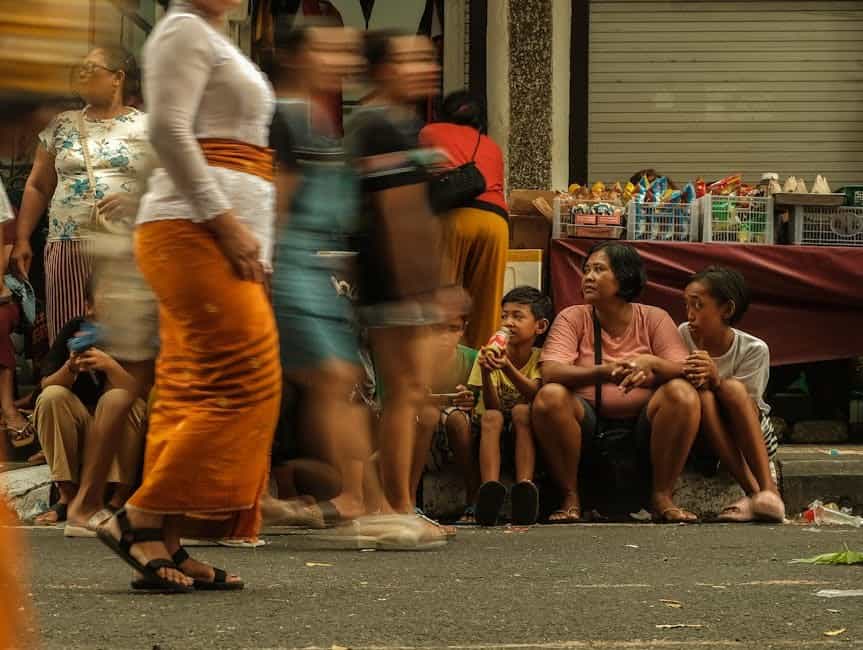
- Cultural visits to nearby villages to learn about traditional crafts and rituals
Best Time to Visit
Dry season (April to October) is the best period for trekking and clearer summit views. The most favorable months are May–September for stable weather and lower chance of heavy rain.
Weather Conditions
Tropical climate with a distinct wet (November–March) and dry (April–October) season. Temperature ranges: warm in lowlands (~24–32°C) and much cooler near the summit (can drop near freezing at night). Expect wind and rapidly changing conditions above 2,000 m.
Accessibility
Accessible by road from major Balinese centers: ~1–3 hours from Ubud, ~1.5–3 hours from Denpasar or Sanur depending on traffic. Nearest major airport: Ngurah Rai International Airport (DPS) in Denpasar. Summit climbs are challenging — require good fitness; trails can be steep, loose, and exposed. Use a local licensed guide and check volcanic activity advisories before planning.
Recommended Duration
Allow 2–3 days: one day for acclimatization and visiting cultural sites (Pura Besakih, villages), one early-morning summit trek (or two nights if you prefer a more gradual ascent).
Clothing & Gear Tips
Layers for temperature variation (base layer, insulating mid-layer, wind/rain shell), sturdy trekking boots, headlamp, gloves, hat, trekking poles, sun protection, water (2–3 L), and a light first-aid kit. Waterproof pack and warm clothing for summit sunrise.
Local Food & Souvenirs
Try Balinese dishes such as babi guling (suckling pork) and local upland staples like nasi campur and fresh tropical fruits. Souvenirs: traditional woven textiles (ikat from Tenganan), woodcarvings, silver jewelry from local artisans, and temple offerings or local spice mixes.