Mount Batur, Bali
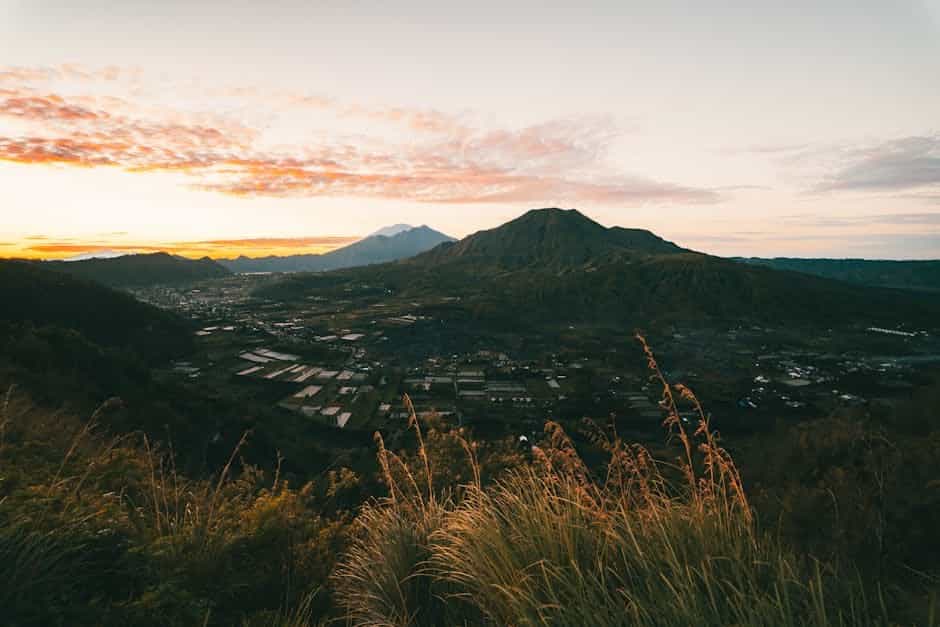
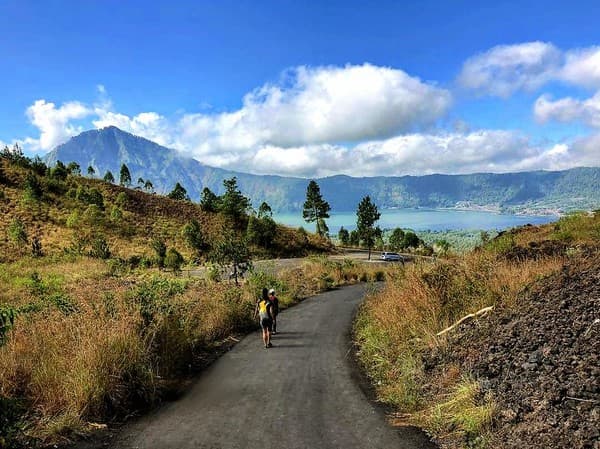
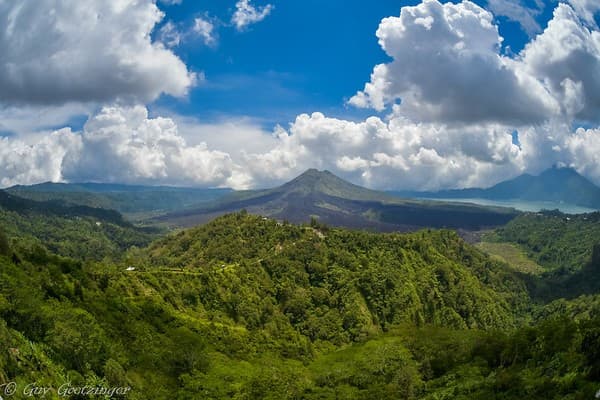
Mount Batur is an active stratovolcano in northeastern Bali, forming part of the large Batur caldera. It is a major natural landmark: geologically important for understanding Bali's volcanic activity, scenically striking with a caldera lake (Lake Batur) and dramatic ridgelines, and culturally significant to local Balinese Hindus who regard the area as sacred and center many temple rituals and offerings. The fertile soils around the volcano support agriculture and traditional communities in the Kintamani highlands.
Last updated: 06 Jan 2026
Places to visit
- Mount Batur summit (popular sunrise treks)
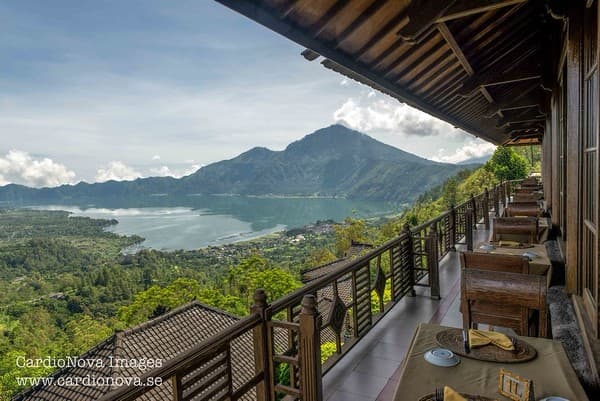
- Lake Batur (Toya Batur) and caldera views
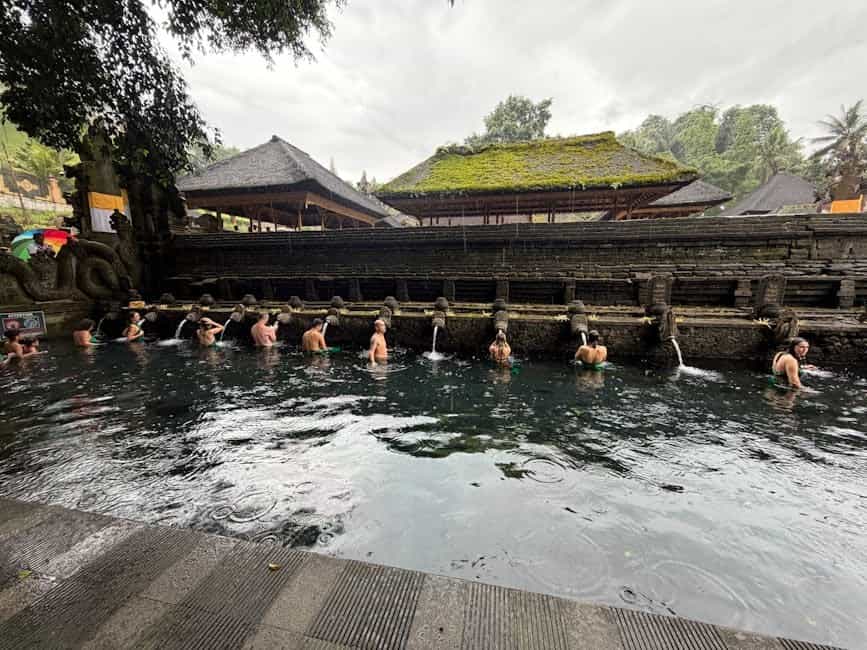
- Toya Devas Hot Springs (nearby natural hot pools)
- Pura Ulun Danu Batur and other local temples
- Kintamani viewpoints and local villages
- Coffee and spice plantations (local tasting and tours)
Unique Aspects
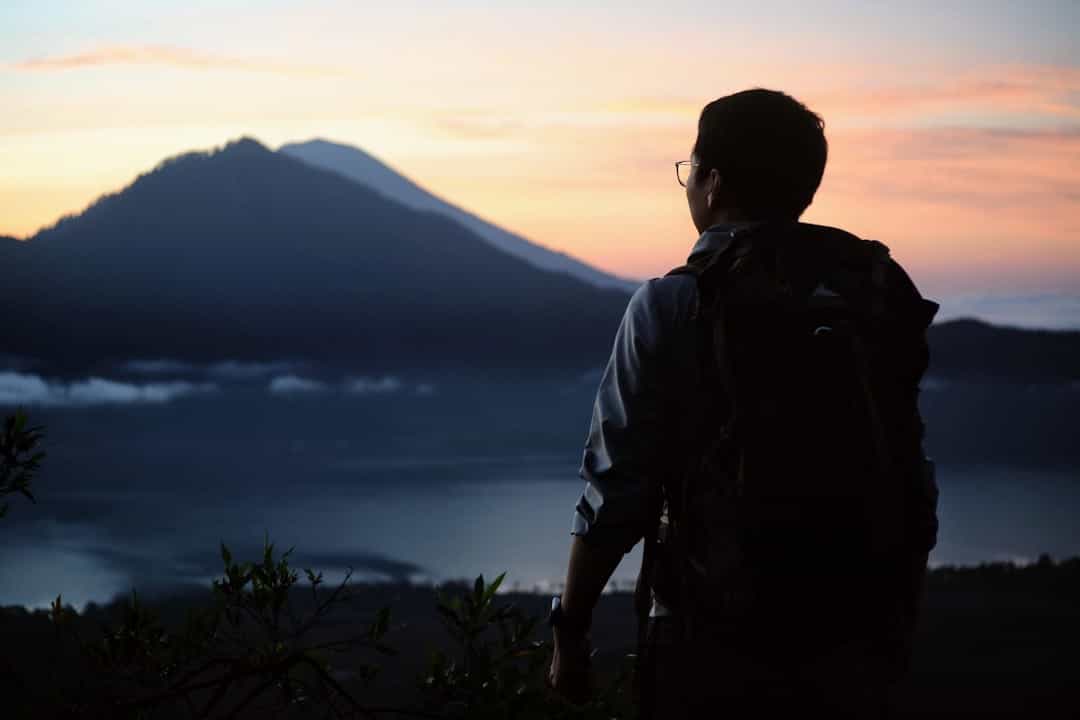
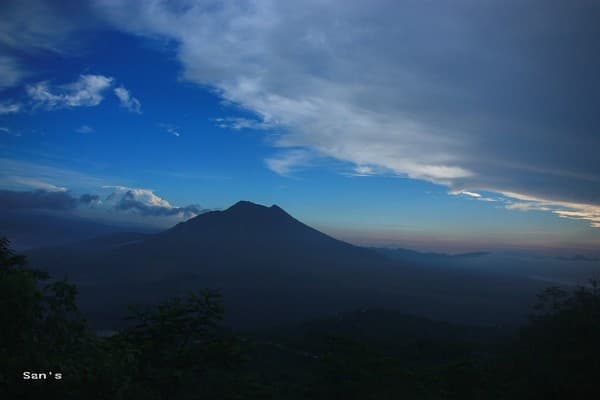
- Panoramic sunrise views over the caldera and neighboring volcanoes (including Mount Agung)
- Crater rim and active volcanic features: lava fields and fumaroles
- Large caldera containing Lake Batur with scenic shorelines
- Cool highland climate and terraced agriculture on fertile volcanic soils
- Hot springs heated by geothermal activity
Things to do
- Sunrise trek to the Mount Batur summit (most popular)
- Guided volcano and geology walks around the caldera
- Soak in Toya Devas or other hot springs after trekking
- Coffee plantation visits and tastings (local Arabica and Kintamani coffee)
- Photography, birdwatching, and landscape painting
- Cycling and scenic drives around Kintamani and Lake Batur
- Visit local temples and observe Balinese Hindu ceremonies
Best Time to Visit
Dry season: April to October (clear skies and more reliable sunrise views). The wet season (November–March) brings rain and cloud that can obstruct views and make trails slippery.
Weather Conditions
Highland climate: typical daytime temperatures 15–25°C (59–77°F) in lower Kintamani; summit/morning temperatures can be cooler ~8–15°C (46–59°F). Expect chilly predawn conditions during sunrise treks and rapid weather changes in the wet season.
Accessibility
Nearest major airport: Ngurah Rai International Airport (Denpasar) — roughly 70–80 km (about 1.5–2.5 hours by car, depending on traffic). The area is best reached by private car, taxi, or organized tour from Ubud, Denpasar, or southern Bali. Public transport is limited; many visitors join guided tours that include transport. The trek involves uneven volcanic terrain and steps; moderate fitness and sure-footedness are recommended.
Recommended Duration
Half-day to 1 full day for a sunrise trek and hot springs. Allow 1–2 days if you want a more relaxed visit including local villages, coffee plantations, and temples.
Clothing & Gear Tips
Sturdy hiking shoes, warm layers (fleece/jacket) for pre-dawn and summit, headlamp or torch, rain jacket in wet season, hat and sunscreen for daytime, reusable water bottle, small daypack, and optional trekking poles.
Local Food & Souvenirs
Try local Balinese dishes available in Kintamani warungs (small restaurants) and Kintamani coffee/Arabica tastings at plantations. Souvenirs include roasted coffee beans, local spices, woven crafts, and small volcanic-stone handicrafts. Respect local customs when purchasing temple offerings or ritual items.