Penglipuran Traditional Village, Bali
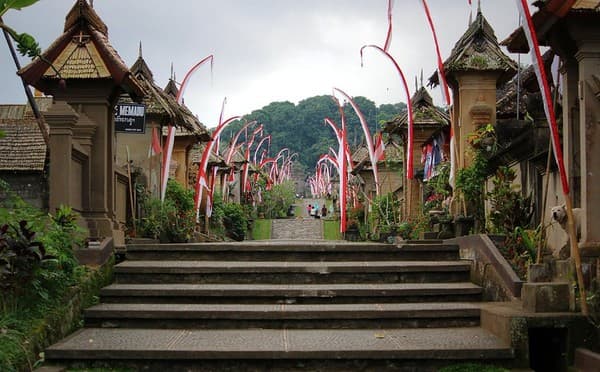
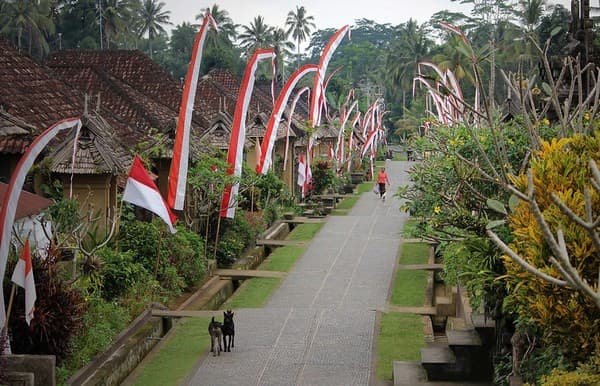
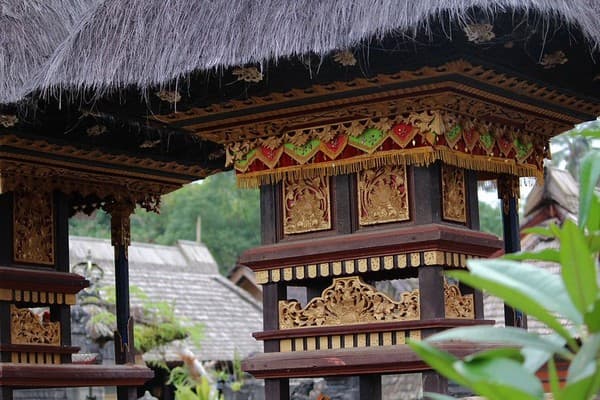
Penglipuran Traditional Village is a well-preserved Balinese village in Bangli Regency that exemplifies traditional Balinese village planning, architecture, and communal life. The village is noted for its intact compound layout, alang-alang thatched roofs, bamboo gates, and strict local regulations that maintain cleanliness and cultural continuity. Penglipuran demonstrates principles of Balinese cosmology and social organization (including the concept of Tri Hita Karana — harmony among people, nature, and the divine) and serves as a living example of Bali's intangible cultural heritage.
Last updated: 06 Jan 2026
Historic Anecdotes
Local oral history tells of Penglipuran's origins tied to migration and community solidarity; one story recounts ancestors choosing the present site after following spiritual signs and water sources, establishing rituals and layout that persist today. There are also local beliefs in protective ancestral spirits and strict taboos that shaped the village's physical and social boundaries.
Places to visit
- The main village street with uniform traditional compounds
- Distinctive bamboo gates and angkul-angkul (traditional entrance gates)
- Pura Bale Agung (the village’s main temple)
- Penglipuran Bamboo Grove (scenic bamboo forest behind the village)
- Traditional houses with alang-alang (thatched) roofs and open courtyards
- Village cemetery and ancestral shrines
- Local craft demonstrations (weaving, bamboo craft)
Unique Aspects
- Impeccable cleanliness and well-maintained communal spaces
- Uniform house orientation and preserved architectural rules
- Active community governance that limits modernization in the core village
- Car-free central lane (motorbikes generally not allowed through the main street)
- Bamboo forest ecosystem adjacent to the settlement
Things to do
- Guided walking tours of the village explaining layout, rituals, and architecture
- Stroll or short trek in the Penglipuran Bamboo Grove
- Watching or joining traditional ceremonies (when occurring) and cultural performances
- Participating in craft workshops (weaving, bamboo handicrafts) or offering-making
- Photography of architecture and daily life (with permission)
- Visiting local homestays or community-run displays to learn about daily life
Festivals & Events
- Odalan (temple anniversary) celebrations at Pura Bale Agung
- Balinese ceremonial calendar events such as Galungan and Kuningan
- Local banjar (community) ceremonies and ritual processions
- Occasional cultural demonstrations organized for visitors
Best Time to Visit
Dry season (April to October) for clearer skies and easier walking; early morning is cooler and less crowded.
Weather Conditions
Tropical climate — dry season warm and sunny (daytime averages 25–32°C), wet season (November–March) with frequent heavy showers and higher humidity.
Entry Fees & Permits
The village typically charges a small entrance or parking fee (varies; often modest, e.g., a few thousand to tens of thousands IDR). Village areas are generally open daily during daylight hours (roughly 07:00–18:00); temple access follows local ritual schedules. Fees and hours may change — check local signage or ask a guide.
Accessibility
Located in Bangli Regency (Kubu area), about 45–75 minutes by car from Ubud and around 1.5–2 hours from Ngurah Rai (Denpasar) International Airport, depending on traffic. Public transport is limited — best accessed by rented car, taxi, scooter (park outside the core), or organized tour. Some walking is required; terrain is mostly flat within the village but paths are narrow.
Recommended Duration
Plan 1–2 hours for a typical visit; half to a full day if combining with walks in the bamboo grove, workshops, or a homestay experience.
Clothing & Gear Tips
Modest clothing for temple areas (bring a sarong and sash if planning to enter temples), comfortable walking shoes, sun protection (hat, sunscreen), light rain jacket in the wet season, and mosquito repellent for dawn/dusk.
Local Food & Souvenirs
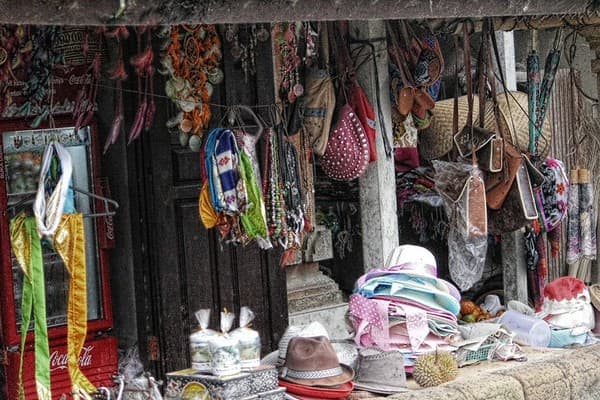
Try local Balinese snacks and simple home-cooked dishes offered at nearby warungs. Souvenirs include bamboo crafts, woven textiles, traditional fabrics (kain), baskets, and small handmade offerings. Buy directly from local artisans to support the community.