Taman Ujung Water Palace (Soekasada Ujung), Bali
Historical and cultural importance: Taman Ujung Water Palace (Soekasada Ujung) in Karangasem, East Bali, is a former royal water palace built in the early 20th century by the Karangasem king I Gusti Bagus Jelantik (Anak Agung Anglurah). It exemplifies a unique fusion of Balinese, European (Dutch) and Chinese architectural influences and served as a royal leisure and reception complex. The site is an important cultural-heritage landmark for East Bali and has been restored after significant damage from natural disasters, reflecting local conservation efforts and the community's link to its royal past.
Natural importance: The palace sits on a scenic coastal peninsula with formal gardens, large reflective pools and panoramic views over the Lombok Strait. The gardens and ponds create a micro-habitat for aquatic plants and birds and offer notable landscape and seascape vistas.
Last updated: 06 Jan 2026
Places to visit
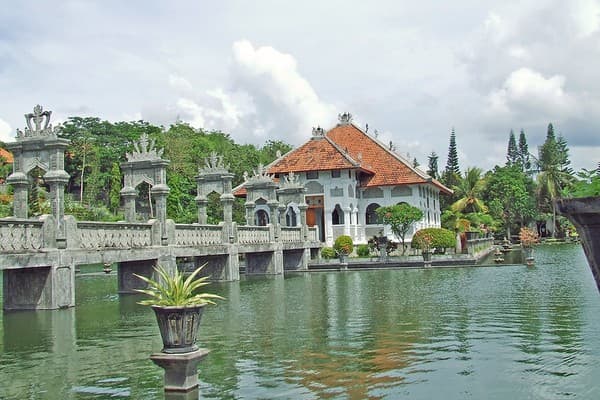
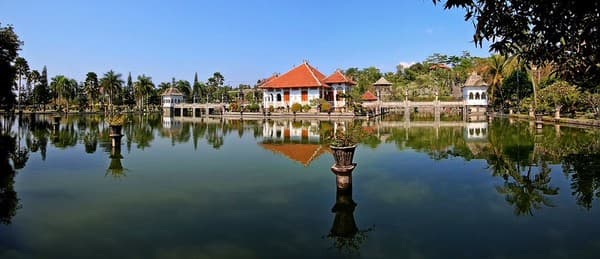
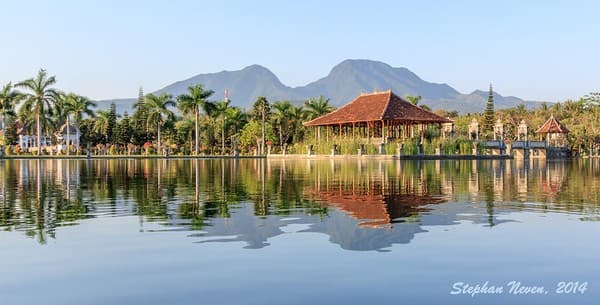
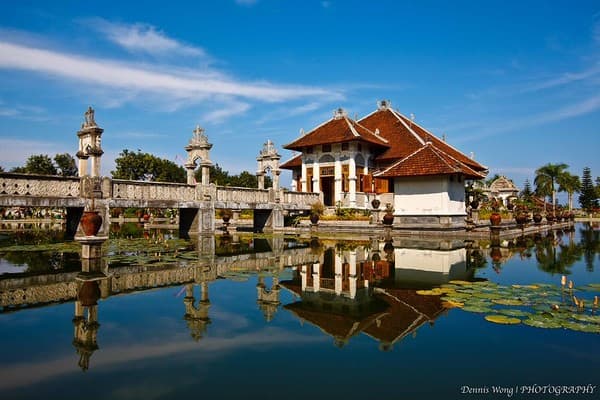
- Central lagoon and island pavilions (gazebos) – large rectangular ponds with small island structures and decorative bridges
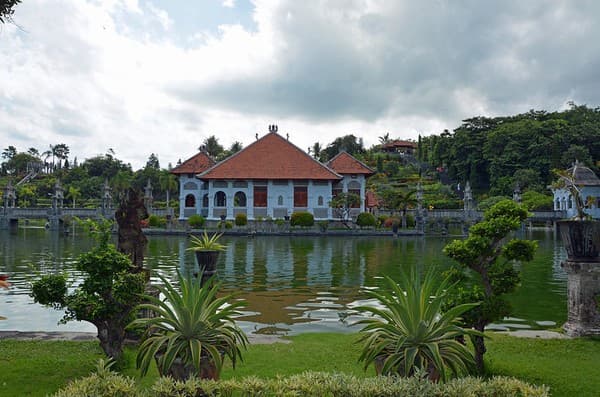
- Colonial and Balinese buildings – restored pavilions and halls showing an architectural blend
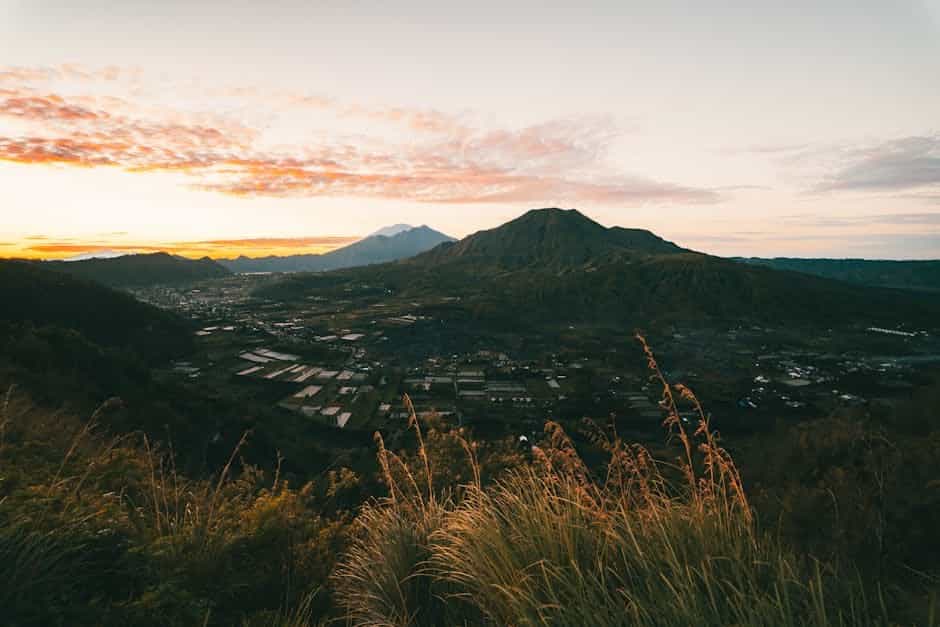
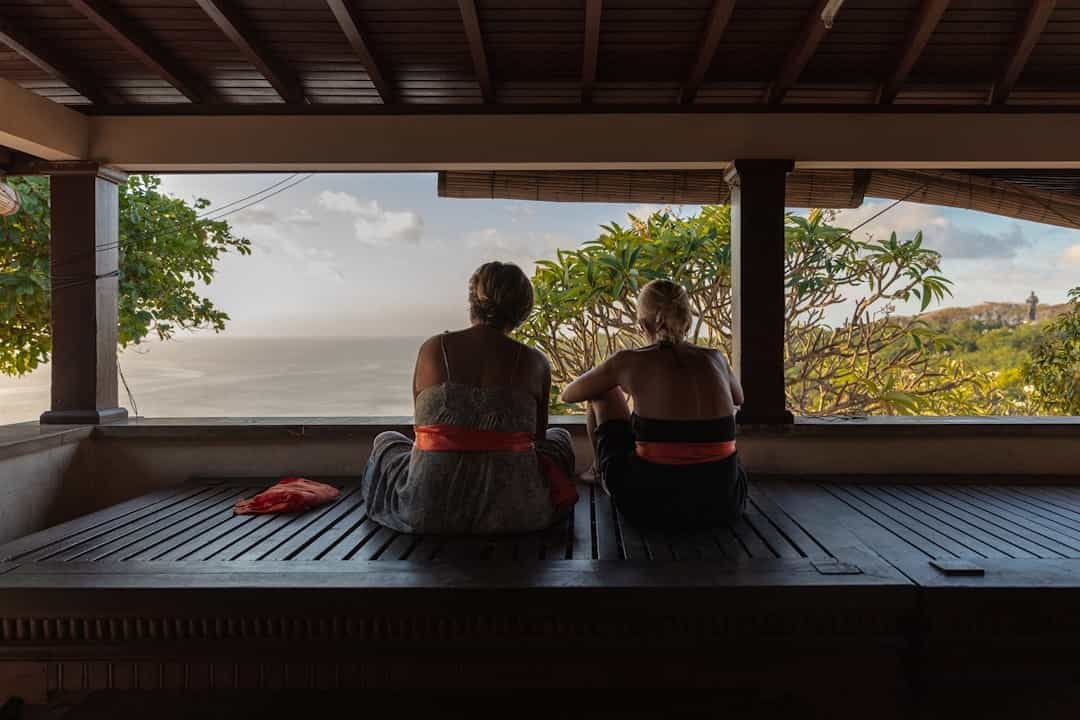
- Panoramic sea views – vistas across the Lombok Strait from the palace grounds
- Restored ruins and memorials – visible evidence of earthquake and eruption damage and subsequent restorations
- Formal gardens and tree-lined avenues – landscaped grounds ideal for strolling and photography
Unique Aspects
- Architectural fusion (Balinese, Dutch, Chinese influences)
- Large reflective water terraces and island structures designed for leisure and ceremonies
- Picturesque photo opportunities at dawn and dusk
- Quiet coastal setting away from busier southern Bali attractions
- Nearby complementary attraction: Tirta Gangga Water Palace (short drive away)
Things to do
- Walking and exploring the palace grounds and pavilions
- Photography — architecture, reflections, seascapes and ruins
- Guided tours to learn about the royal history and restoration
- Birdwatching and enjoying coastal breezes
- Relaxing, picnicking and sketching in the gardens
- Visiting nearby Tirta Gangga and local villages on a combined day trip
Best Time to Visit
Dry season (April–October) for more reliable sunny weather; visit early morning or late afternoon for cooler temperatures and best light for photography.
Weather Conditions
Tropical climate — hot and humid year-round. Rainy season generally runs from November to March with short heavy showers; dry season from April to October with sunnier, more comfortable conditions.
Entry Fees & Permits
Typical arrangements: modest entrance fee charged (varies by year and nationality). Common opening hours are roughly 08:00–18:00, but both fees and opening times can change — check current local information before visiting.
Accessibility
Located in Karangasem (East Bali), roughly a 1.5–3 hour drive from Denpasar/Ngurah Rai International Airport depending on traffic. Accessible by car or motorbike; limited public transport — most visitors come by private car, taxi, or organized tour. On-site paths are mostly flat but some areas may be stepped or uneven; not all parts are fully wheelchair accessible.
Recommended Duration
Plan 1–2 hours to explore the main ponds, pavilions and gardens; extend to a half or full day if combining with Tirta Gangga and nearby coastal sights.
Clothing & Gear Tips
Wear comfortable walking shoes, sun protection (hat, sunglasses, sunscreen), lightweight clothing, and bring a rain jacket in the wet season. Respectful, modest clothing is advised if you will enter temple areas (a sarong and sash may be required during ceremonies).
Local Food & Souvenirs
Try East Bali dishes at nearby warungs — grilled fish (ikan bakar), local sambal, and other Balinese specialties. Look for regional ikat textiles (handwoven), wood carvings and small handicrafts from Karangasem as souvenirs.