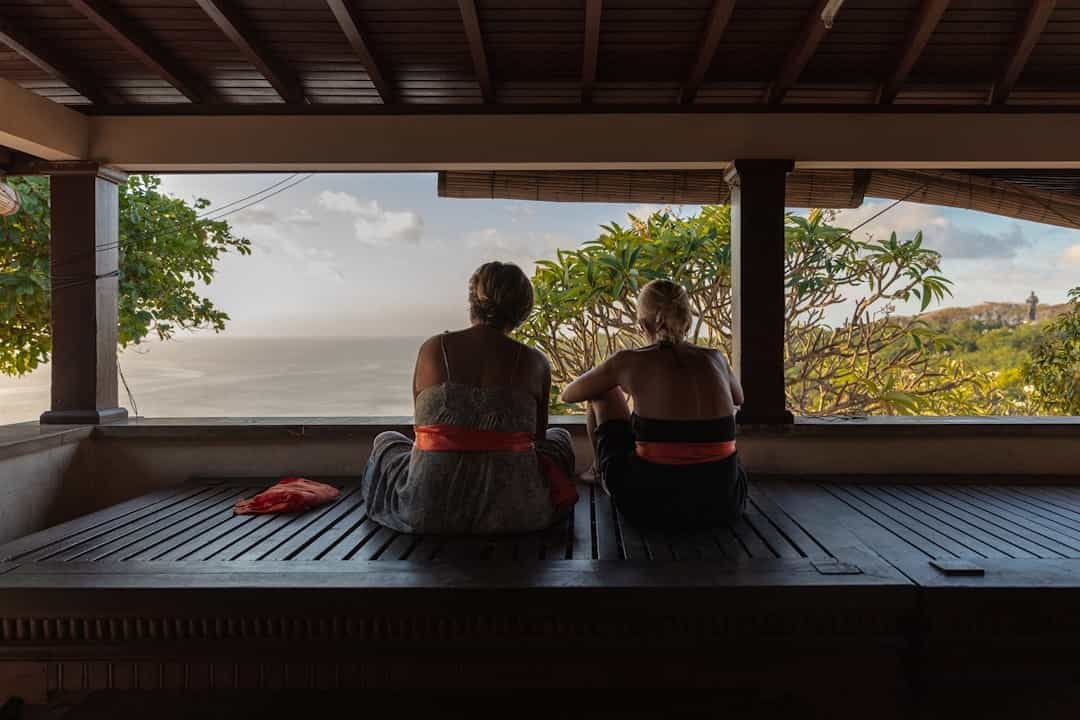
Tanah Lot Temple (Pura Tanah Lot), Bali
Tanah Lot (Pura Tanah Lot) is one of Bali's most iconic sea temples — a key part of the island's cultural and spiritual landscape. Built on a natural offshore rock formation, the temple is a major pilgrimage site for Balinese Hindus and a symbol of Bali's syncretic Hindu-Buddhist traditions. It is important historically for its association with the 16th-century Javanese priest Dang Hyang Nirartha, who is credited with establishing several sea temples around Bali to honor sea spirits and protect the island.
Last updated: 31 Dec 2025
Historic Anecdotes
Local legend holds that Dang Hyang Nirartha meditated on the rock and the temple was founded where he showed his divine power. Another famous legend tells of giant sea serpents that guard the temple — believed to have magically appeared to protect Tanah Lot from evil spirits and intruders. These myths continue to shape the temple's sacred status and the local rituals performed there.
Places to visit
- The main shrine perched on the offshore rock (visible at low tide)
- Sunset viewpoints along the clifftop
- Serpent cave / small grotto beneath the rock where holy snakes are kept
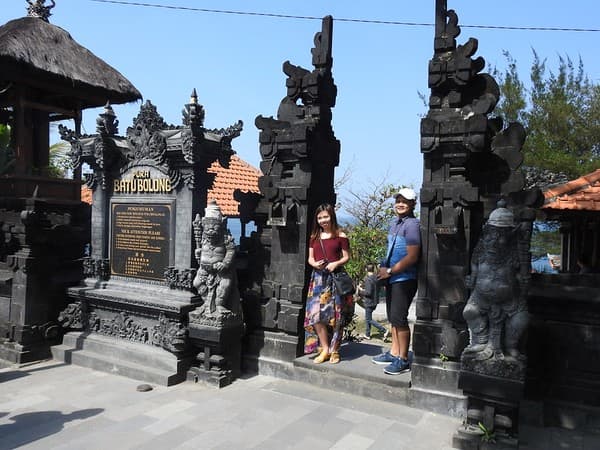
- Nearby Batu Bolong rock formation (another sea temple area)
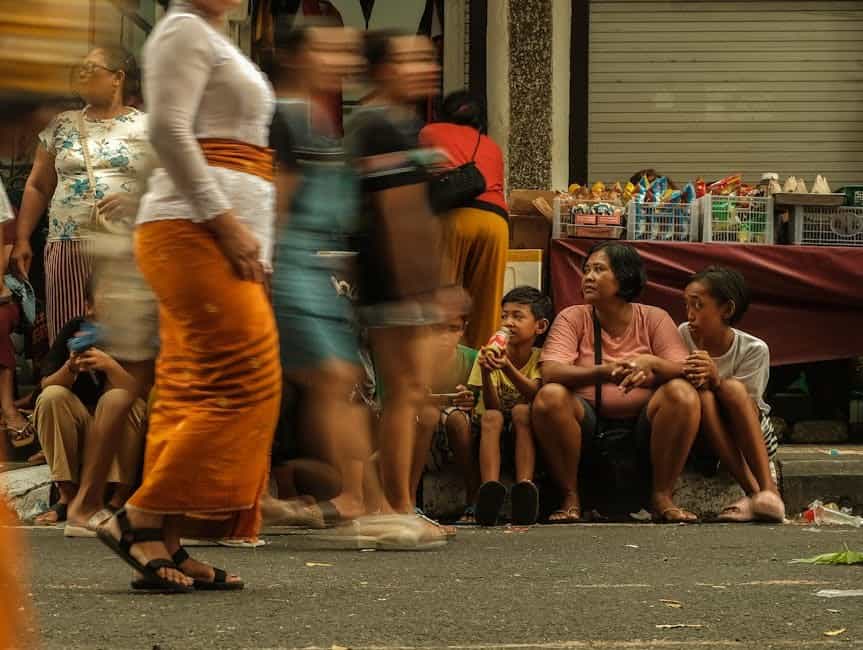
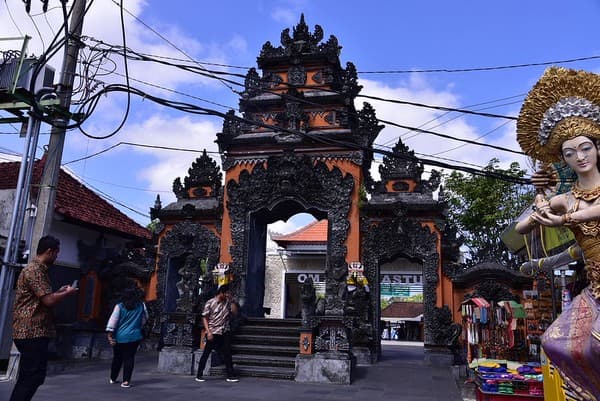
- Traditional Balinese crafts and market stalls along the approach
Unique Aspects
- Temple built on a dramatic basalt rock surrounded by the Indian Ocean
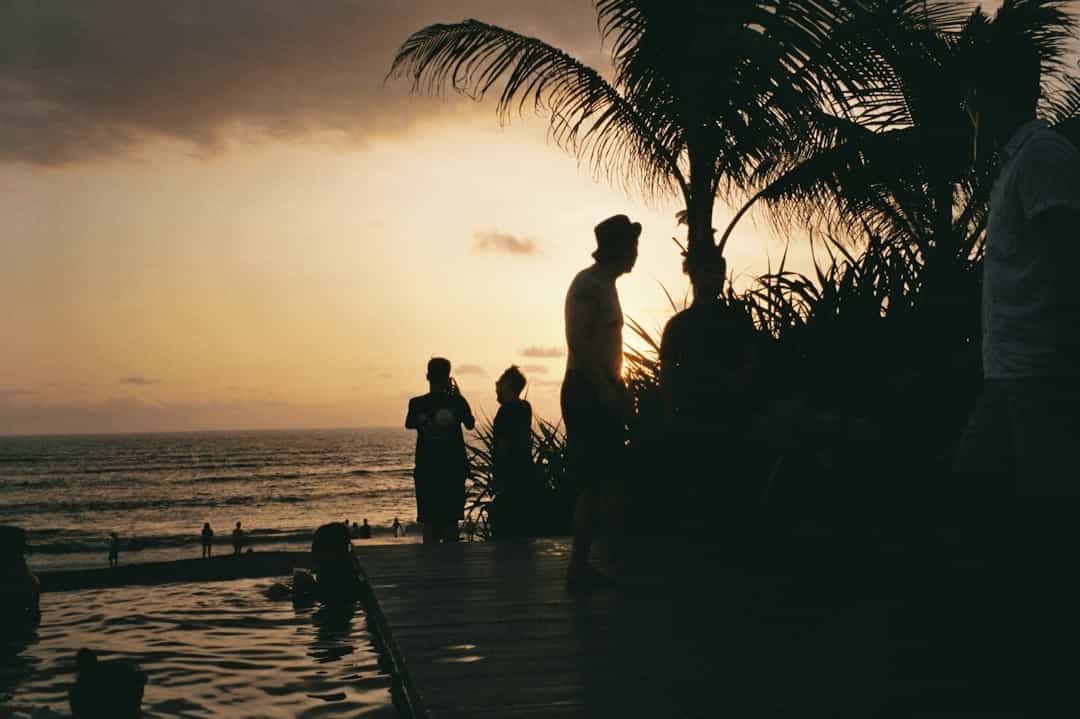
- Striking silhouettes and reflections at low tide — especially at sunset
- Sacred sea serpents (kept in a cave) regarded as temple guardians
- Traditional Balinese temple architecture and ceremonial shrines
- Low-tide walkway allowing closer views of the rock (season and tide dependent)
Things to do
- Sunset watching — the most popular activity
- Photography and landscape viewing
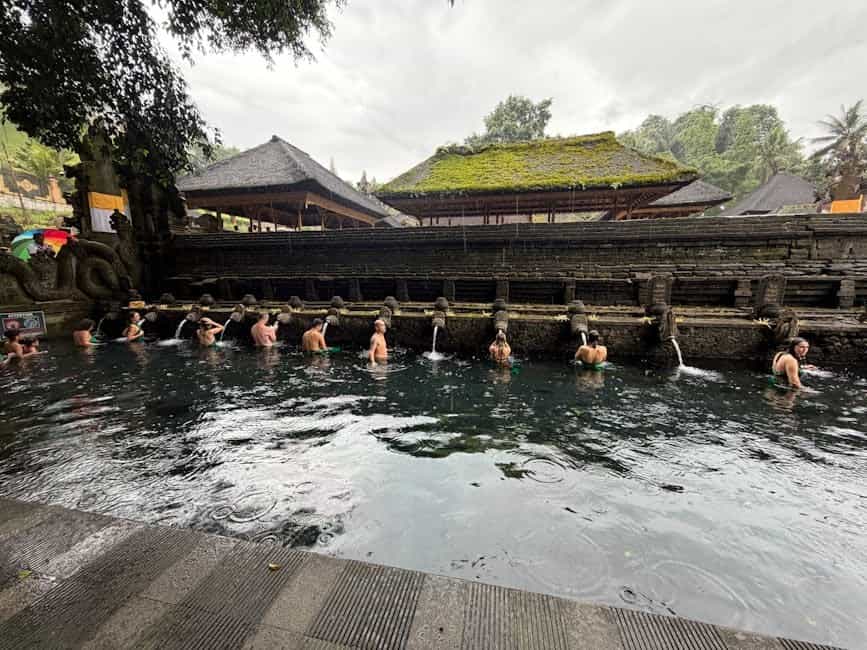
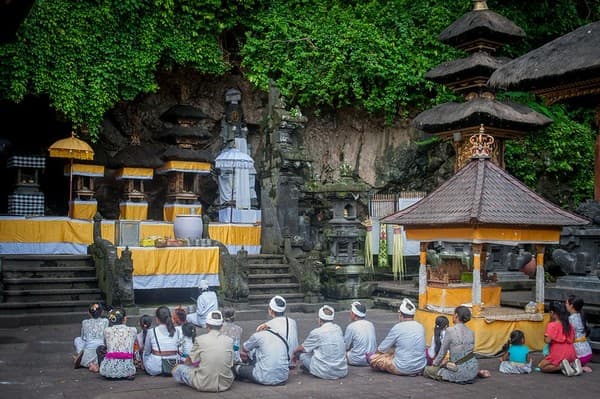
- Observing Balinese offerings and temple rituals (respectfully)
- Shopping for local crafts and souvenirs in the market area
- Guided cultural tours explaining the temple's history and significance
Festivals & Events
- Odalan — the temple anniversary (date varies by temple calendar)
- Purnama (full moon) and other Hindu holy days when rituals occur
- Melasti and other purification ceremonies that may be observed seasonally
- Major Balinese festivals such as Galungan and Kuningan when the island is highly active
Best Time to Visit
Late afternoon to sunset (approximately 4:00–7:30 PM) for iconic views; dry season (April–October) offers more reliable weather and clearer sunsets.
Weather Conditions
Tropical maritime climate — warm year-round (roughly 24–32°C). Wet season: November–March (heavy showers possible). Dry season: April–October (less rain, clearer skies). Expect high humidity.
Entry Fees & Permits
The tourist complex charges an entrance fee (amount varies and may change) — temple access and exact fees differ for locals and international visitors. Complex hours commonly cover daylight to early evening (roughly 07:00–19:00), but confirm locally. The sacred inner temple on the rock is an active place of worship, so access onto the rock shrine itself is restricted to priests and during specific rituals.
Accessibility
Located on Bali's southwestern coast (Tabanan Regency), about 20–30 km from central areas like Kuta and Denpasar; Ngurah Rai International Airport is approximately 25–35 km away depending on route. Reachable by car, taxi, or organized tour. Note: steep paths, steps, and uneven surfaces make some areas difficult for wheelchairs or those with mobility issues; low-tide access to the rock may require walking on wet/sandy ground.
Recommended Duration
Allow 1–3 hours — arrive earlier in the afternoon to explore, then stay for sunset if possible.
Clothing & Gear Tips
Wear respectful clothing (sarong and sash may be required to enter temple precincts — these are often available for rent or loan). Bring comfortable walking shoes, sun protection (hat/sunscreen), a light rain jacket in wet season, and bottled water.
Local Food & Souvenirs
Try nearby seafood warungs and local snacks (e.g., pisang goreng). Common souvenirs include sarongs, wood carvings, paintings, silver jewelry, and Balinese offerings. Bargain politely at market stalls and carry small change.