Tenganan Pegringsingan Village, Bali
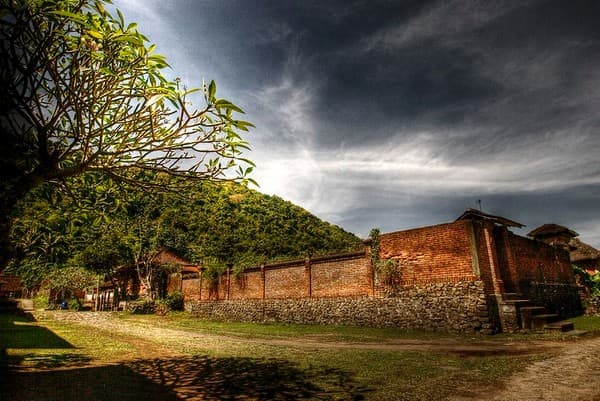
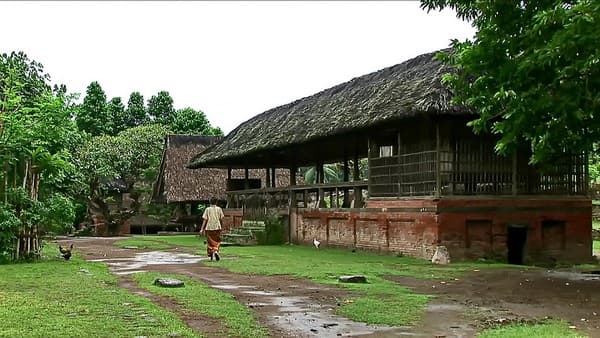
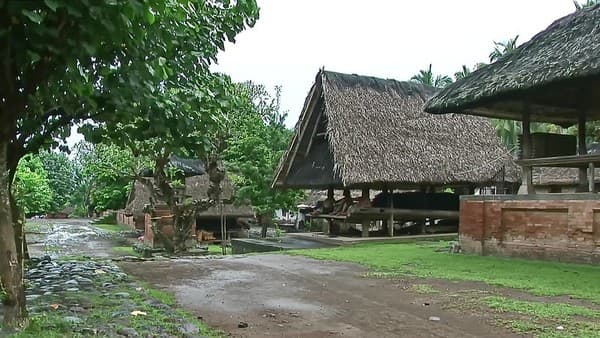
Tenganan Pegringsingan is one of Bali's best-preserved Bali Aga (original Balinese) villages. It retains a pre-Majapahit social structure, unique communal laws, and ritual practices that differ from mainstream Balinese Hinduism. The village is internationally important for its rare double-ikat textile tradition (known as geringsing), believed to have protective and healing powers. The settlement layout — long straight lanes, stone walls, and gated entryways — preserves an ancient village form and provides insight into Bali's early cultural landscape.
Last updated: 06 Jan 2026
Historic Anecdotes
Local lore says the villagers of Tenganan are descendants of an older Balinese population who resisted outside influence and kept ancestral customs. A central legend celebrates the mystical properties of geringsing cloth — woven using a painstaking resist-dye double-ikat technique — which is said to protect wearers from illness and evil forces. Another well-known tradition is the Mekare-kare (Perang Pandan) ritual: a ceremonial pandan-leaf sword fight performed during certain festivals, linked to ancestral warrior myths and symbolic social reconciliation.
Places to visit
- Geringsing weaving houses — watch master weavers create rare double-ikat cloth
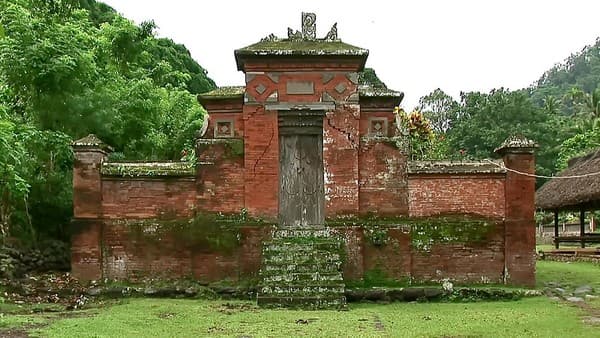
- Village layout and stone gateways — the straight, tight lanes and traditional compounds
- Pura Dalem and Pura Puseh — important community temples with ritual activity
- Mekare-kare (Perang Pandan) ceremony — the pandan-leaf ritual combat (seasonal)
- Traditional houses and megaliths — examples of ancient construction and communal markers
Unique Aspects
- Rare double-ikat textile: geringsing (complex resist-dye process unique to Tenganan)
- Aga social codes and endogamous marriage rules preserving an ancestral community
- Distinctive craft traditions: weaving, basketry, hand-crafted ritual objects
- Well-preserved village architecture: stone walls, narrow alleys, communal shrines
Things to do
- Guided village walk to learn about Bali Aga customs and architecture
- Watching and photographing traditional geringsing weaving demonstrations
- Shopping for authentic textiles and handmade souvenirs (ask for provenance)
- Observing or attending rituals and temple ceremonies (when permitted)
- Participating in respectful cultural workshops or short talks offered by local guides
Festivals & Events
- Mekare-kare (Perang Pandan) — ceremonial pandan-leaf combat (dates vary by village calendar)
- Village Odalan (temple anniversary) celebrations — community rituals and offerings
- Weaving demonstrations and special textile-related ceremonies tied to life-cycle events
Best Time to Visit
Dry season (April–October) for easier walking and clearer skies; ceremonial festivals occur at different times according to the Balinese calendar, so check local schedules if you want to see rituals.
Weather Conditions
Tropical climate: hot and humid year-round with heavier rains in November–March. Expect warm days and occasional afternoon showers during the wet season.
Entry Fees & Permits
The village typically welcomes visitors during daylight hours (roughly 08:00–17:00). A small entrance contribution or donation is commonly requested, and a separate camera fee may apply inside the village or at specific houses — bring small change. Exact fees vary and can change, so confirm locally.
Accessibility
Tenganan is located in eastern Bali near Tegallalang / near Candidasa area (approx. 1–1.5 hours from Ubud by car, longer from southern Bali). Nearest major airport: Ngurah Rai International Airport (DPS). Public transport is limited — best reached by rented car, taxi, or organized tour. The village has narrow lanes and uneven stone paths; not ideal for wheelchairs or heavy strollers.
Recommended Duration
2–4 hours for a relaxed visit (includes walking, watching weaving, and shopping). Combine with nearby east-Bali sights for a full-day trip.
Clothing & Gear Tips
Dress modestly for temple areas: bring a sarong and sash (often available to rent/buy), comfortable walking shoes, a hat, and sun protection. Bring an umbrella or light rain jacket during the wet season.
Local Food & Souvenirs
Souvenirs: authentic geringsing textiles (scarves, cloths) and locally made crafts — verify authenticity and negotiate politely. Local snacks and refreshments are available in nearby stalls; try Balinese cakes (kue) or local coffee. Avoid buying items of cultural or ritual significance that the community restricts.