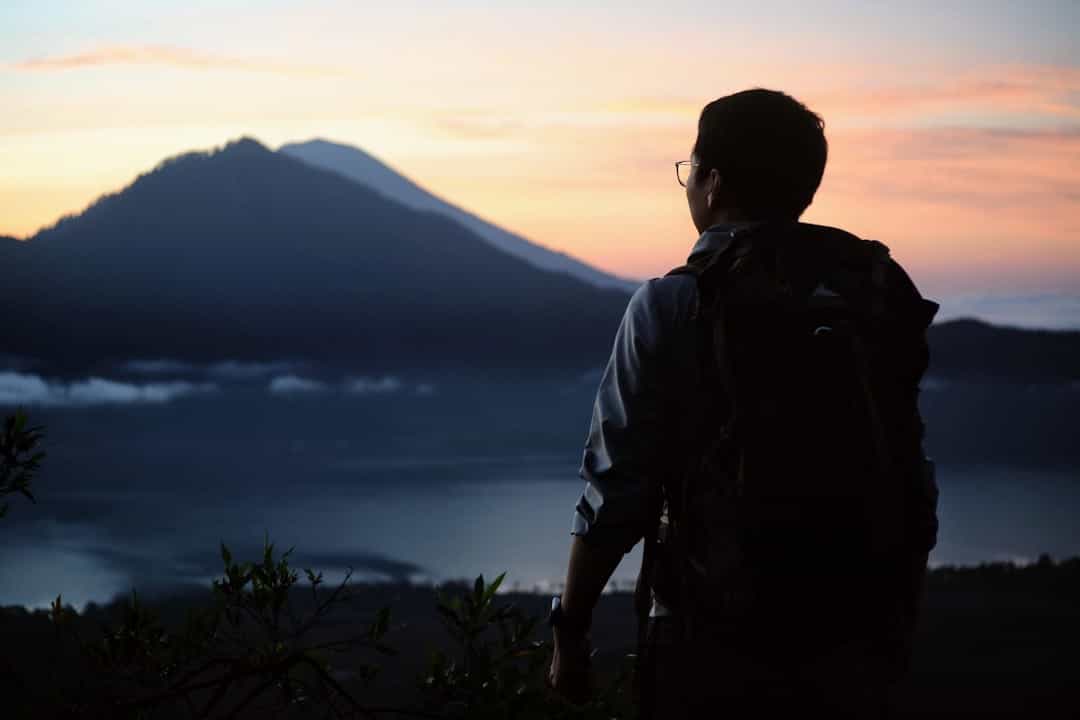
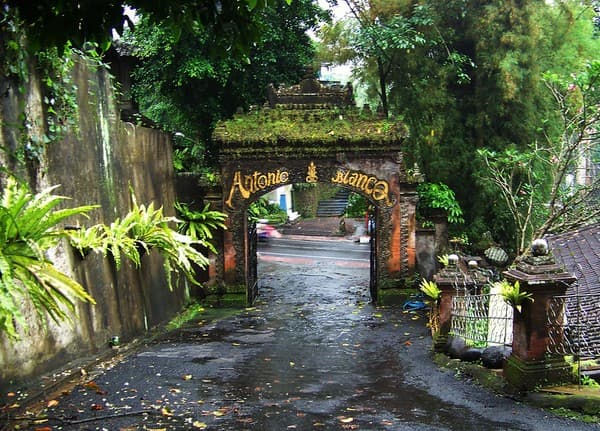
The Blanco Renaissance Museum, Bali
Blanco Renaissance Museum preserves the life and work of Antonio Blanco (1912–1999), a Spanish–Filipino artist who made Bali his home and became one of the island’s best-known modern painters. Located in Ubud, the museum occupies the artist’s former home and studio and is important for understanding Bali’s post‑war art scene and the island’s role in attracting international artists. The collection documents the fusion of European techniques with Balinese themes, rituals and mythology, and highlights the island’s influence on 20th‑century Balinese contemporary art.
Last updated: 06 Jan 2026
Places to visit
- Antonio Blanco’s original paintings and sketches
- The artist’s studio/atelier preserved as it was during his lifetime
- Blanco family rooms and personal memorabilia
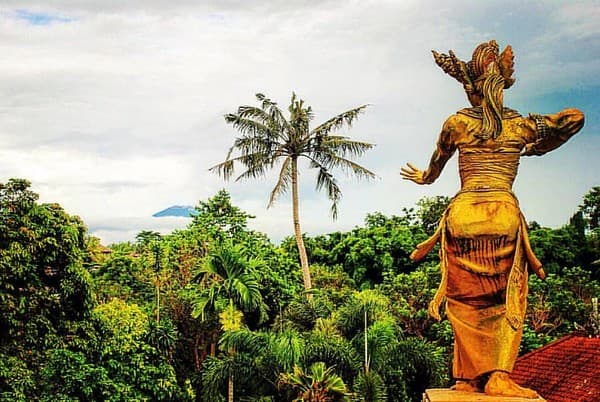
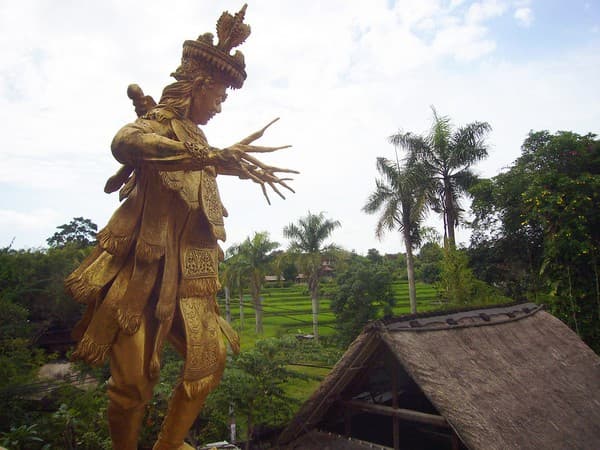
- Sculptures and decorative works surrounding the compound
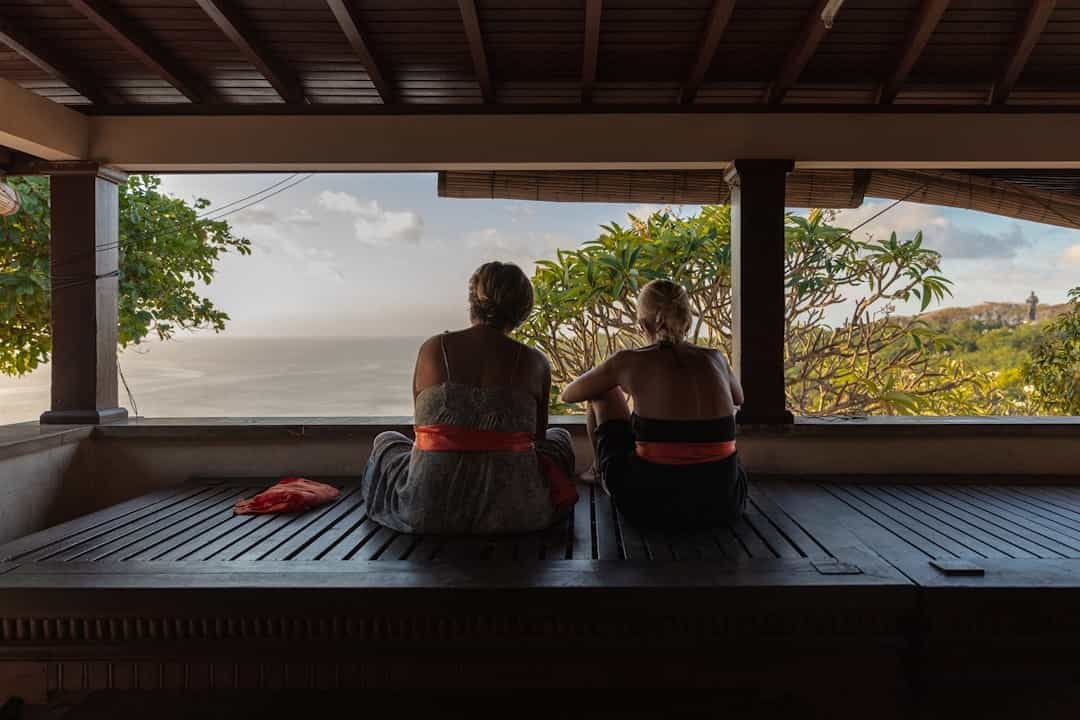
- Panoramic terraces and gardens overlooking the Ubud valley
- Museum shop with prints, reproductions and local handicrafts
Unique Aspects
- Intimate house‑museum format — the museum is the artist’s former residence and studio
- Dramatic, often sensual imagery combining Balinese myth, Hindu iconography and European portraiture
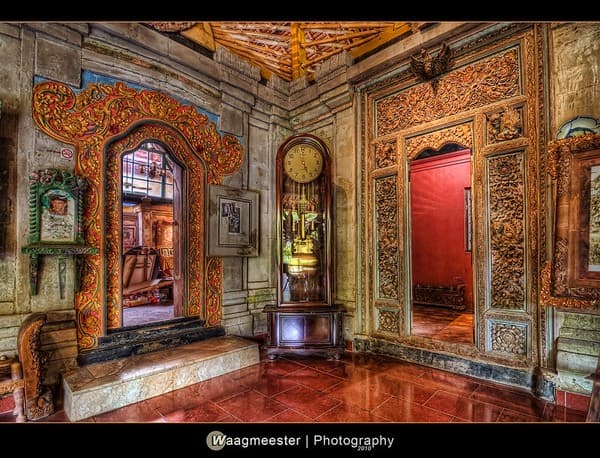
- Ornate, eclectic architecture and interior decor reflecting Blanco’s personal tastes
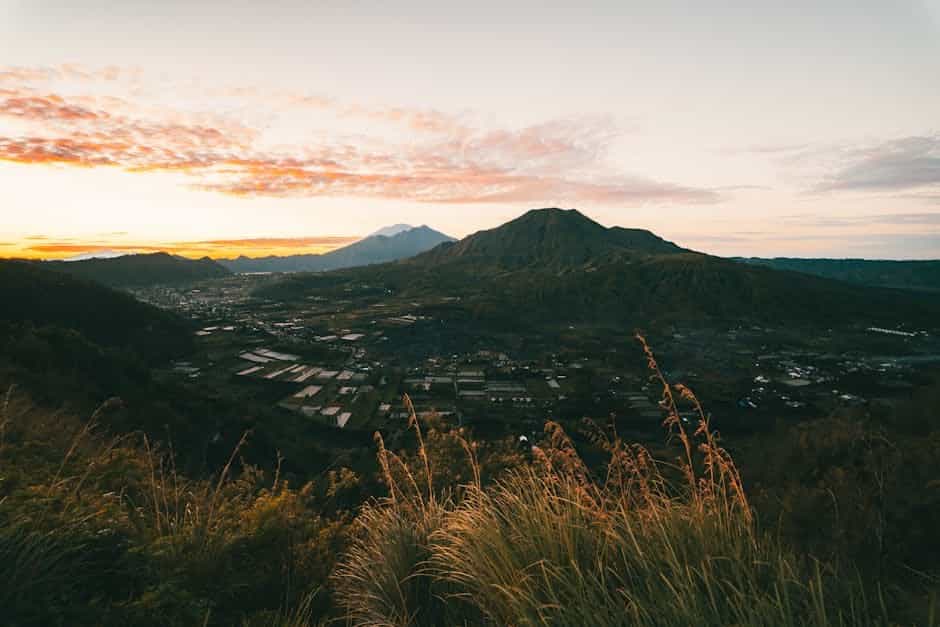
- Well‑kept gardens and open terraces with views of the Campuhan/Ubud landscape
- A compact collection that offers close-up viewing of paintings and works on paper
Things to do
- Self‑guided viewing of Blanco’s paintings and studio
- Short guided tours (when available) to learn about Blanco’s life and techniques
- Photography of exteriors and terraces (check restrictions inside galleries)
- Browsing and buying prints, reproductions and local arts and crafts at the museum shop
- Walking in the surrounding gardens and enjoying valley views
Best Time to Visit
The best time to visit is during Bali’s dry season (April–October). Visit in the morning to avoid peak visitor times and the tropical heat.
Weather Conditions
Ubud has a tropical climate: warm and humid year‑round, with the wet season typically November–March (higher rainfall and occasional heavy showers) and the dry season April–October (drier, sunnier conditions).
Entry Fees & Permits
Typical opening hours are approximately 09:00–17:00 (subject to change). Admission fees are modest but may vary—expect a small entry charge for adults; discounts may apply for children and groups. Always check the museum’s official website or local listings for up‑to‑date hours and ticket prices before you go.
Accessibility
The museum is located on a hillside in Ubud (central Ubud is a short taxi/scooter ride or a 15–30 minute walk depending on your starting point). From Ngurah Rai (Denpasar) International Airport the drive is roughly 40–60 minutes depending on traffic. Public transport options are limited—most visitors arrive by taxi, private car, scooter or organized tour. Note that parts of the museum compound include steps and uneven surfaces; accessibility for wheelchairs and mobility‑impaired visitors may be limited. Parking for cars/scooters is usually available on site or nearby.
Recommended Duration
Plan about 1–2 hours to explore the museum, studio, gardens and shop at a relaxed pace.
Clothing & Gear Tips
Wear light, breathable clothing and comfortable shoes for steps and terraces. Bring a hat, sunscreen and a small umbrella during the wet season. If you plan to photograph inside, bring a camera but respect any no‑flash or no‑photography signs.
Local Food & Souvenirs
Look for art prints and reproductions of Blanco’s works, local carved wood pieces, silver jewelry from nearby Celuk, Balinese textiles and small handicrafts in the museum shop. Nearby Ubud offers many cafes and warungs where you can try Balinese dishes such as babi guling (suckling pig), bebek betutu (slow‑cooked duck), and local coffee (note ethical concerns about some kopi luwak products).