Uluwatu Temple (Pura Luhur Uluwatu), Bali
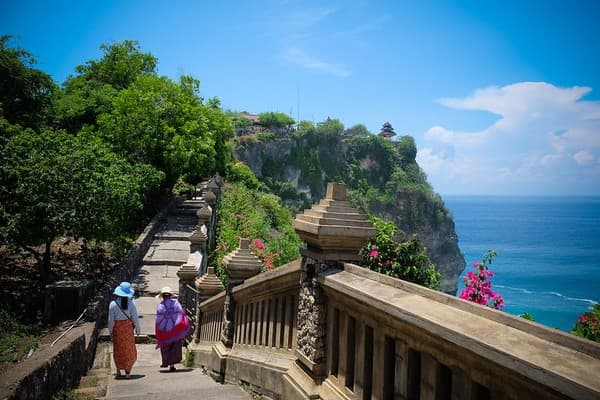
Pura Luhur Uluwatu is one of Bali's most important sea temples, perched on a steep 70-meter limestone cliff on the southwestern tip of the Bukit Peninsula. It is part of the island's Sad Kahyangan (six key directional temples) believed to provide spiritual protection from evil sea spirits. The temple is an outstanding example of Balinese Hindu architecture and ritual practice and offers spectacular natural scenery and panoramic views of the Indian Ocean, making it significant both culturally and naturally.
Last updated: 31 Dec 2025
Historic Anecdotes
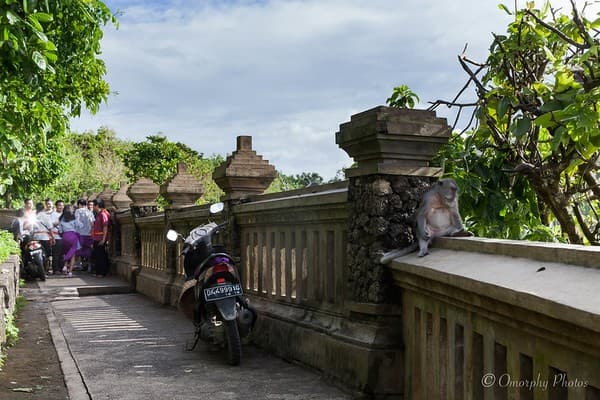
Local legend holds that the 16th-century Javanese priest Dang Hyang Nirartha (also known as Dwijendra) visited the site, meditated on the cliff, and achieved spiritual attainment; the temple marks this sacred spot. Folklore also speaks of protective spirits of the sea and cliff; monkeys that inhabit the temple grounds are often regarded as both mischievous residents and informal guardians in local stories.
Places to visit
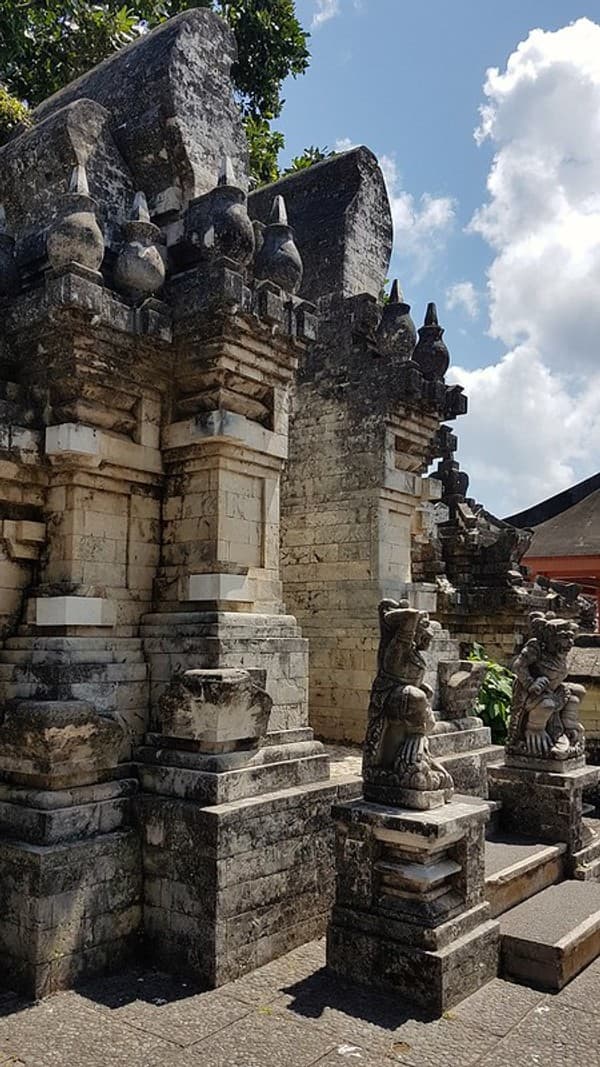
- Cliff-top temple complex with several shrines and traditional Balinese architecture
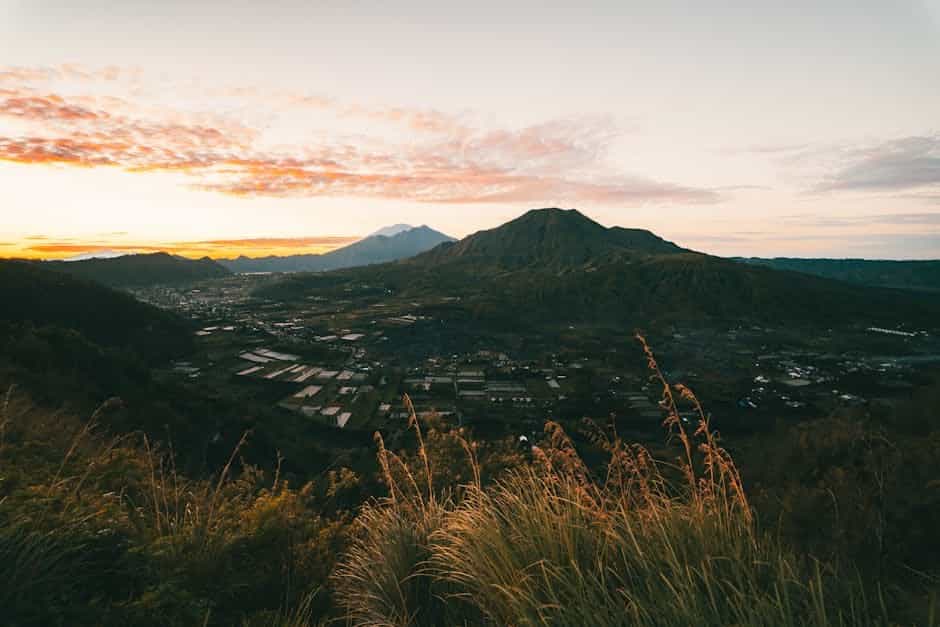
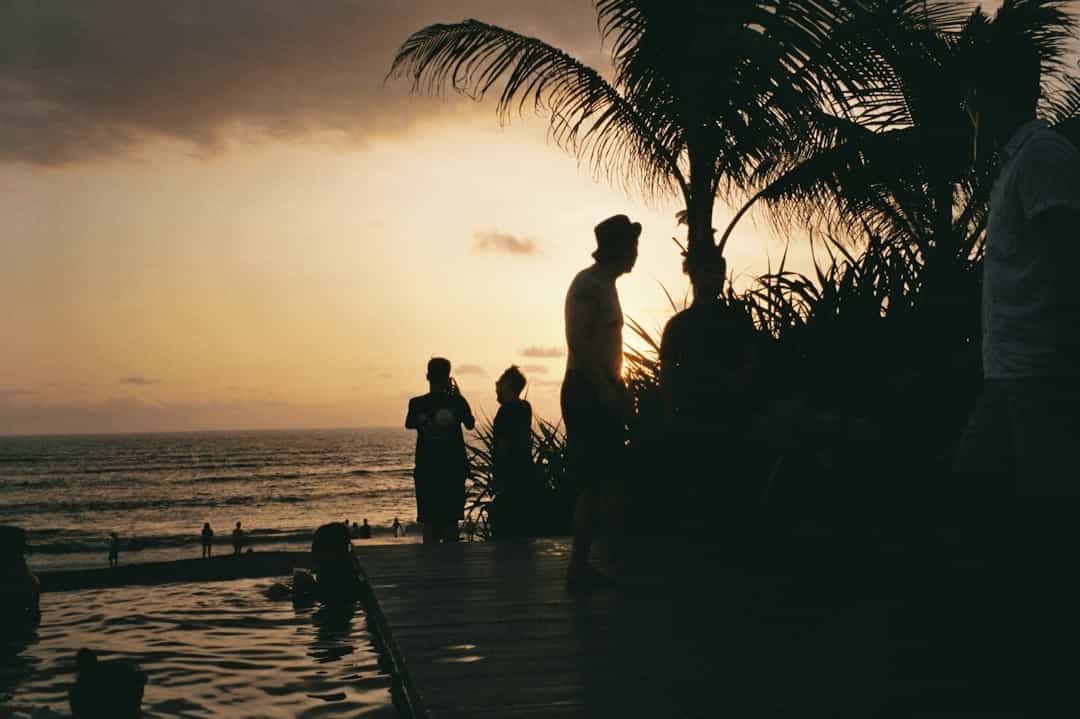
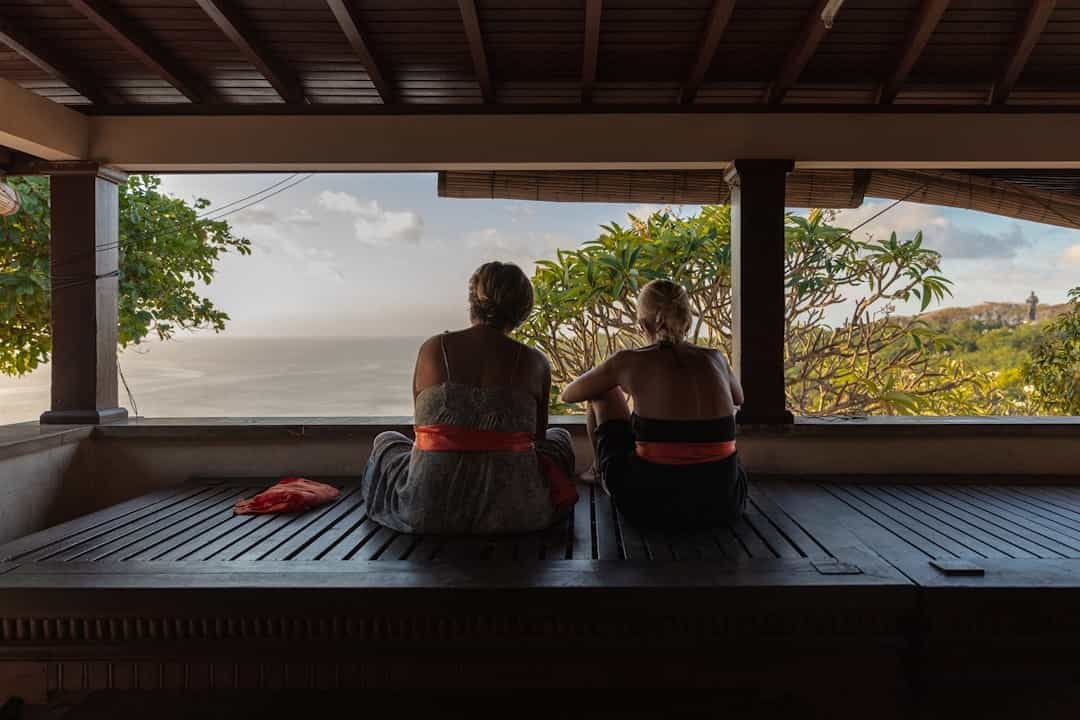
- Sunset viewpoints overlooking the Indian Ocean — one of Bali's most photographed sunsets
- Daily Kecak (Ramayana) dance performances staged at sunset in a cliff-side amphitheatre
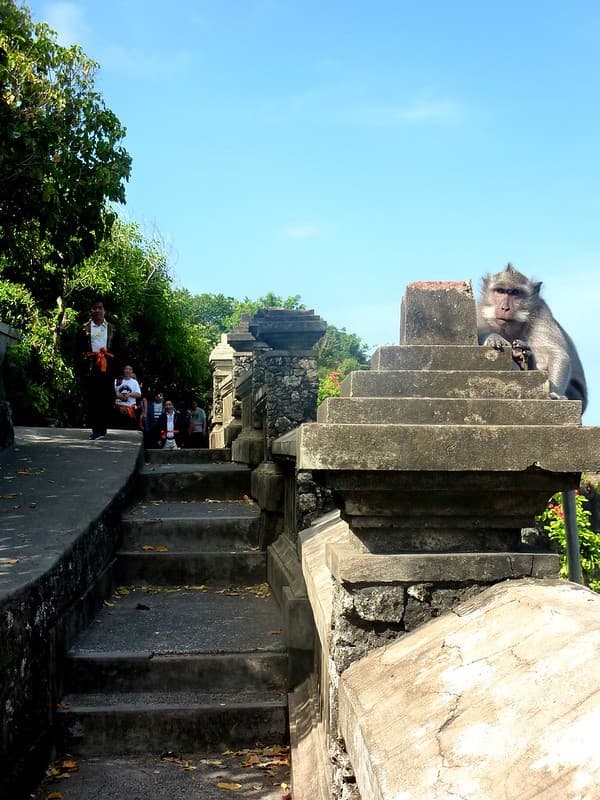
- The resident long-tailed macaques (monkeys) and the chance to observe them up close
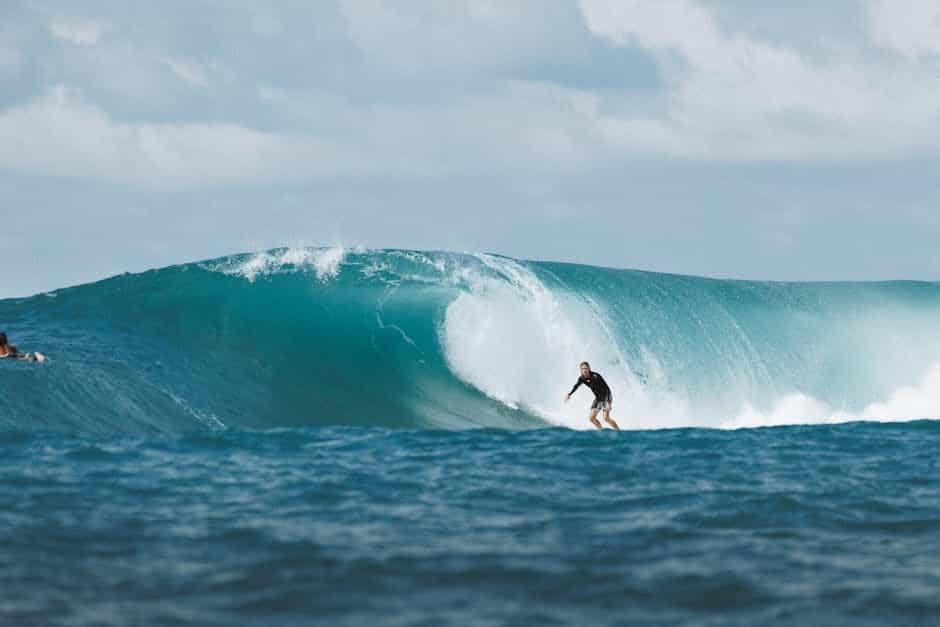
- Nearby world-class surf breaks (Uluwatu, Padang Padang, Bingin) visible from some vantage points
Unique Aspects
- Dramatic 70-meter limestone cliff setting with panoramic ocean vistas
- Traditional Balinese temple architecture: meru towers, split gates (candi bentar), shrines
- Cliff-edge kecak amphitheatre built into the landscape for performances at sunset
- Rich coastal flora and scenic walking paths around temple grounds
Things to do
- Attend the Kecak dance at sunset — best to arrive early for good seats
- Walk the temple grounds and enjoy panoramic ocean viewpoints
- Photography of cliffs, temples, and sunset (golden hour is spectacular)
- Observe and photograph the macaques (exercise caution with belongings)
- Combine with a visit to nearby beaches and surf spots on the Bukit Peninsula
Festivals & Events
- Daily Kecak dance performances (usually scheduled around sunset; ticketed)
- Temple Odalan (anniversary) celebrated on the Balinese 210-day Pawukon cycle — expect ceremonies and offerings
- Major Balinese Hindu festivals observed at the temple: Galungan, Kuningan, and important full-moon ceremonies
Best Time to Visit
Late afternoon to sunset for the iconic views and Kecak performance (arrive 45–60 minutes before sunset for seating). For fewer crowds, visit in the morning (after opening) or on weekdays outside peak tourist season.
Weather Conditions
Tropical coastal climate: hot and humid year-round. Dry season (April–October) is sunnier and clearer for views; wet season (November–March) brings heavier rain and occasional sea spray/fog that can obscure views.
Entry Fees & Permits
Approximate entry fee: small local admission (prices vary; typically IDR 30k–50k for foreign visitors — check current rates). Kecak performance carries a separate ticket price. Typical opening hours: early morning until after sunset (commonly around 07:00–19:00, but times can vary). Parking and small vendor charges may apply. Fees and times change, so verify locally before travel.
Accessibility
Access by private car, taxi, or scooter is most practical; nearest major airport is Ngurah Rai International Airport (DPS) ~20–30 km away. Public transport is limited. The site has uneven paths, steps, and cliff-edge viewpoints — not wheelchair friendly and caution required near edges. Stairs and narrow trails mean limited access for those with mobility challenges.
Recommended Duration
2–3 hours if attending the Kecak dance and exploring the grounds; 1–1.5 hours for a quick visit (daytime, no performance).
Clothing & Gear Tips
Modest temple dress is required: a sarong and sash (often available to borrow or rent at the entrance). Wear comfortable closed or sturdy shoes for walking, sun protection (hat, sunglasses, sunscreen), and bring light waterproof layer during the wet season. Keep belongings zipped and avoid loose items due to monkeys.
Local Food & Souvenirs
Nearby warungs and cafes serve Balinese and Indonesian dishes (try nasi goreng, sate, and local seafood). Typical Balinese specialties like bebek betutu may be found in the region. Souvenirs: batik textiles, carved wood, silver jewelry, shell crafts, and local paintings commonly sold by vendors near the site.