Waterblow Nusa Dua, Bali
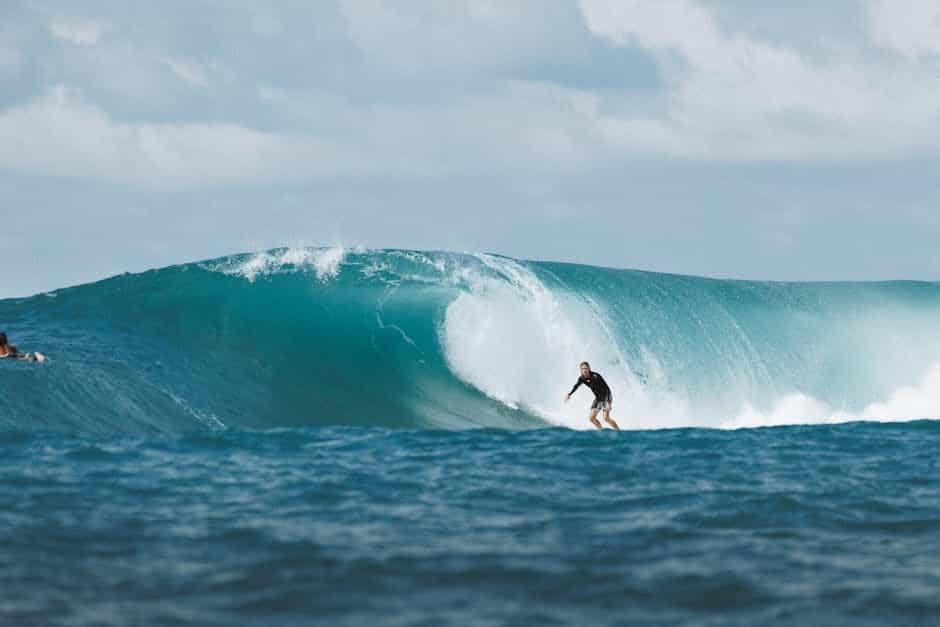
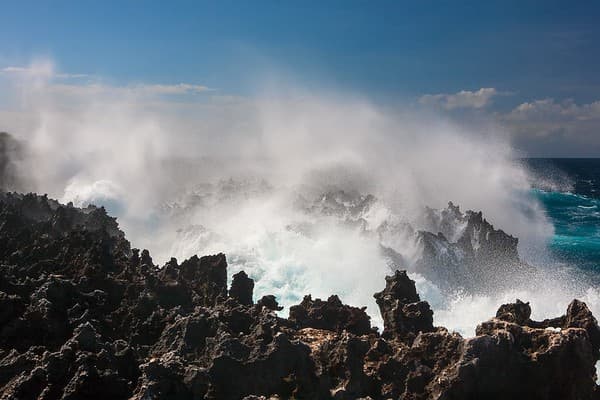
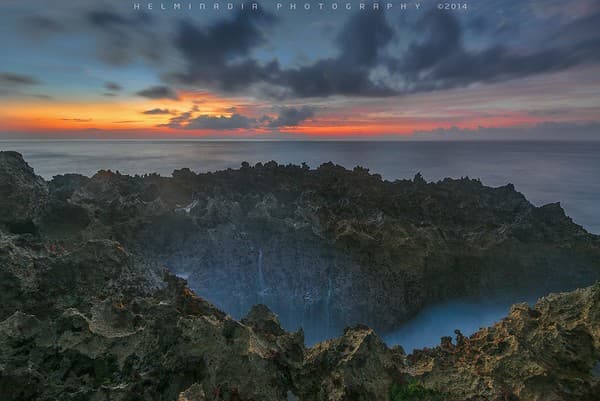
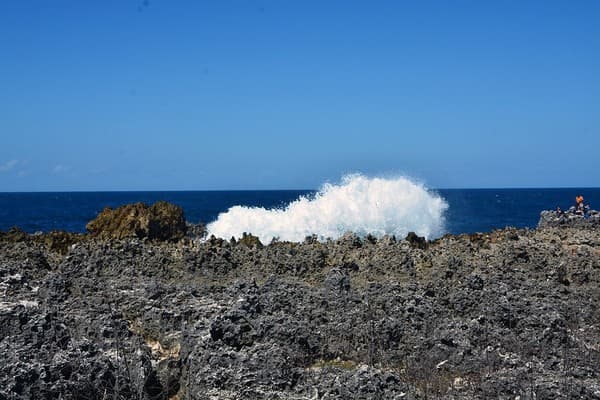
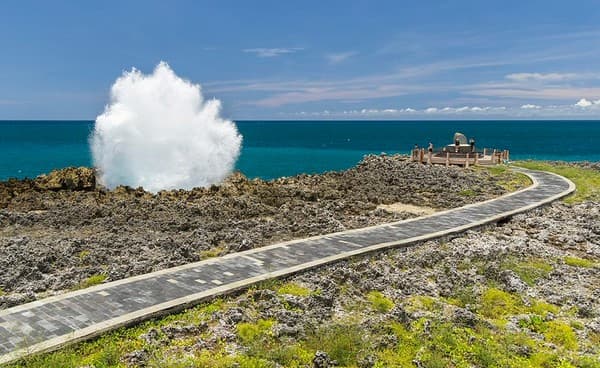
Waterblow in Nusa Dua is a natural coastal spectacle where powerful Indian Ocean waves collide with a semicircular limestone reef, producing dramatic sprays and thunderous crashes. It is a popular natural landmark within the Nusa Dua resort area—valued for its scenic ocean views, photographic appeal, and as an accessible example of Bali's rugged southern coastline. Visitors should note the site is valued more for its natural drama than for historical monuments or formal cultural heritage.
Last updated: 06 Jan 2026
Places to visit
- The Waterblow blowhole itself — sudden, powerful sprays of seawater during big swells
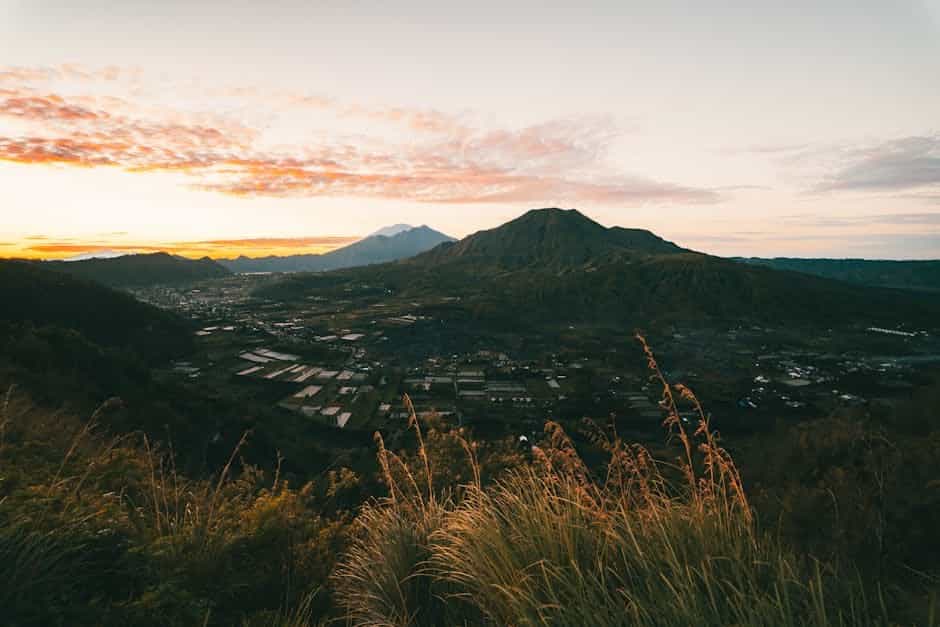
- Panoramic views of the Indian Ocean and the southern Bukit coastline
- Viewing platforms and boardwalks designed for close (but safe) observation
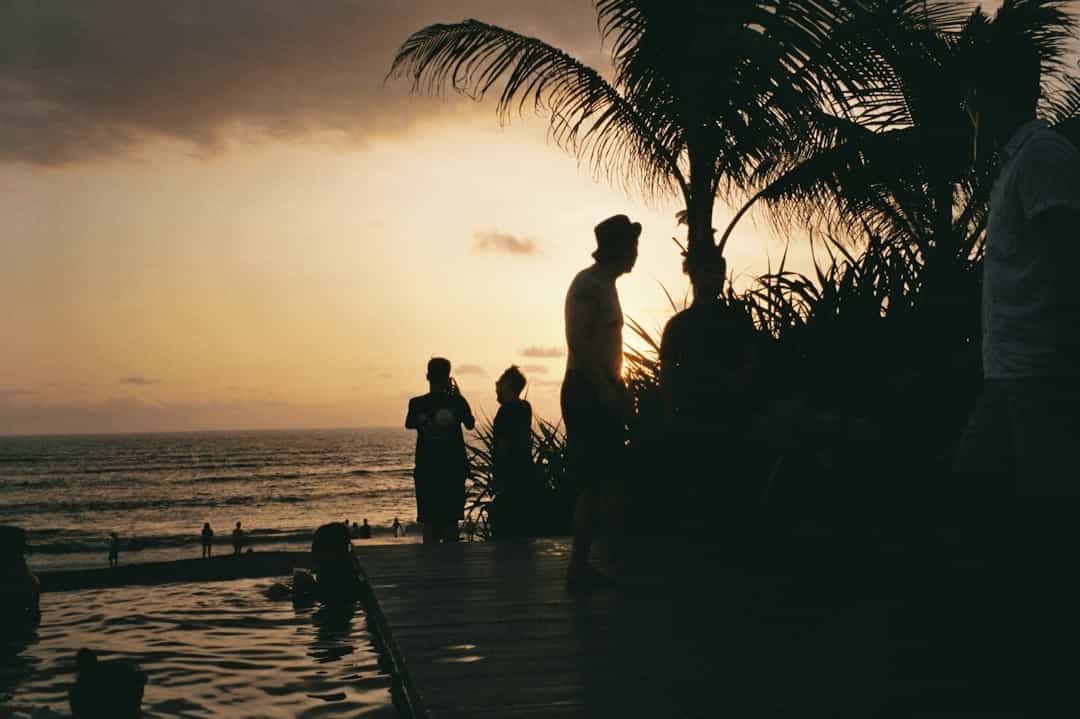
- Dramatic photography and sunset vantage points
- Short coastal walks and nearby resort beaches in Nusa Dua
Unique Aspects
- Powerful water plumes produced when large waves hit the reef — very photogenic
- Well-maintained walkways and a designated observation area for safety
- Easily combined with other Nusa Dua attractions (beaches, Bali Collection)
- No swimming — the site is a viewing/spectator attraction, not a beach for recreation
Things to do
- Watch and photograph the wave blowouts (best at high tide and during rough seas)
- Short coastal strolls and cliffside viewing
- Sunset viewing — dramatic skies over the ocean on clear days
- Combine with beach time in Nusa Dua, seaside dining, or shopping at Bali Collection
- Light birdwatching and enjoying ocean breezes
Best Time to Visit
For dramatic blow: high tide and swell season (rough seas) — often stronger during the wet/monsoon months (roughly November–March). For comfortable weather and sunsets: dry season (April–October).
Weather Conditions
Tropical climate—hot and humid year-round. Typical temperatures 24–32°C (75–90°F). Expect sea breezes; sudden rain showers during the wet season (Nov–Mar).
Entry Fees & Permits
Generally free to visit the public viewing platform; some resorts or parking areas nearby may charge small parking fees. The site is accessible during daylight hours (most visitors go during daytime and sunset); avoid visiting during extreme weather or official closures for safety.
Accessibility
Short paved walk from the car park and main access road in Nusa Dua. Viewing platforms are designed for safe observation but may include steps—check local access points for wheelchair-friendliness. Nearest major transport: I Gusti Ngurah Rai (Denpasar) International Airport ~20–30 km (about 25–45 minutes by car depending on traffic). Taxis, ride-hailing apps, hotel shuttles, and local minibuses (Kura-Kura) serve the Nusa Dua area.
Recommended Duration
30–90 minutes (longer if you combine with nearby beaches, shopping, or dining)
Clothing & Gear Tips
Wear sturdy, non-slip shoes (boardwalks and rocks can be wet). Bring a windproof layer, hat, sunscreen, sunglasses, and a waterproof cover for your camera/phone if waves are strong. In wet season bring a lightweight rain jacket.
Local Food & Souvenirs
Nearby Nusa Dua dining offers fresh seafood, nasi goreng, sate lilit, and other Balinese dishes. Bali Collection and surrounding shops sell batik, local handicrafts, seashell souvenirs, and carved wood items—good places to combine shopping with your visit.