Attend a Tshechu festival (masked dances and rituals)
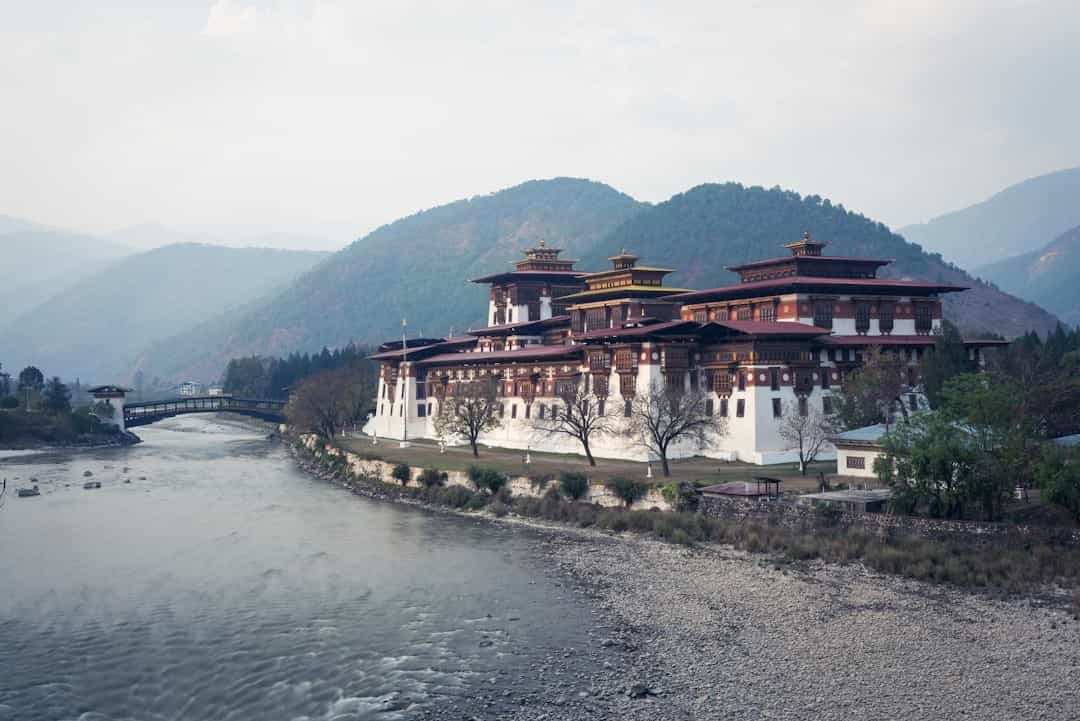
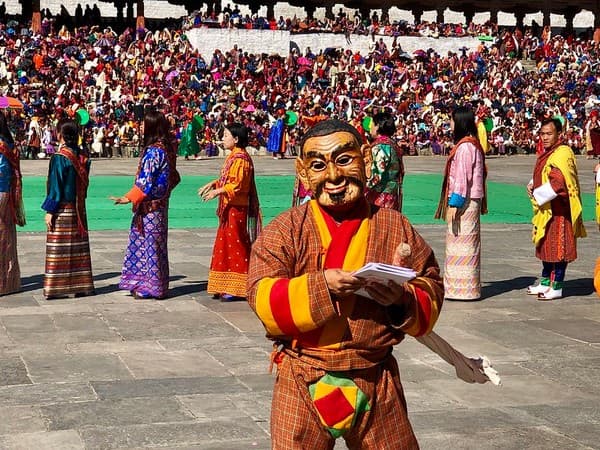
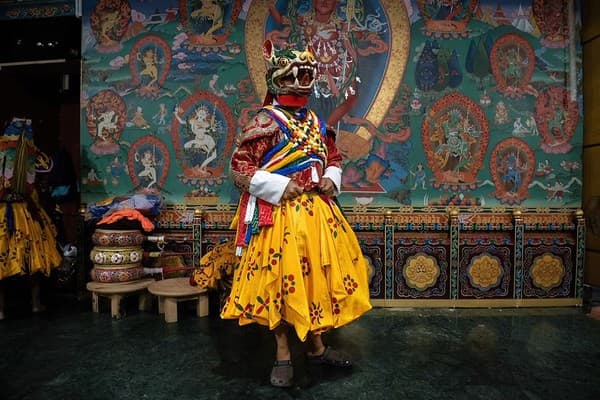
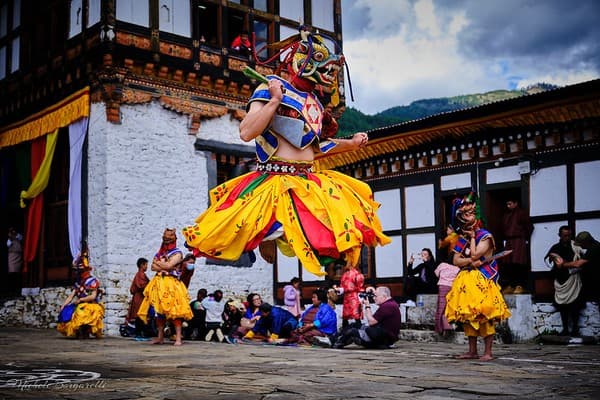
Tshechu are vibrant Bhutanese religious festivals held in dzong courtyards and monasteries. They feature masked cham dances, ritual music, colourful traditional dress, and community blessings. Each Tshechu honours Guru Rinpoche (Padmasambhava) and re-enacts Buddhist teachings through symbolic dance and drama.
Location
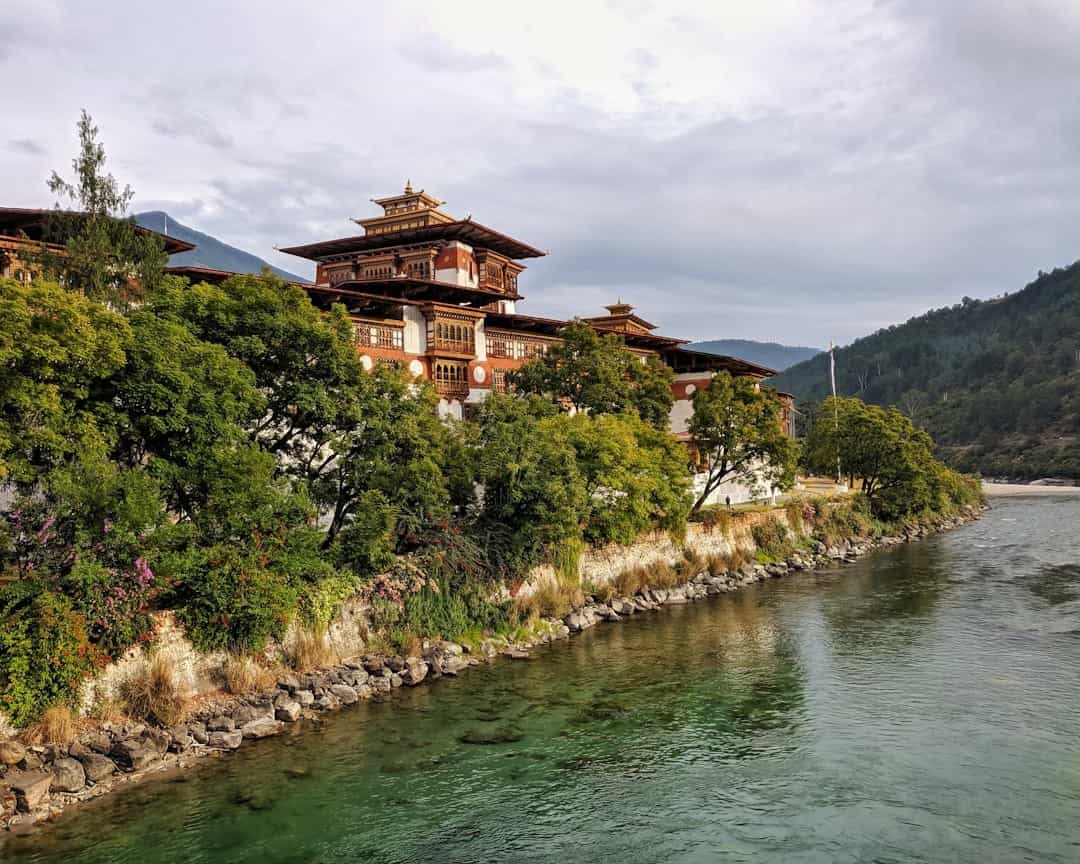
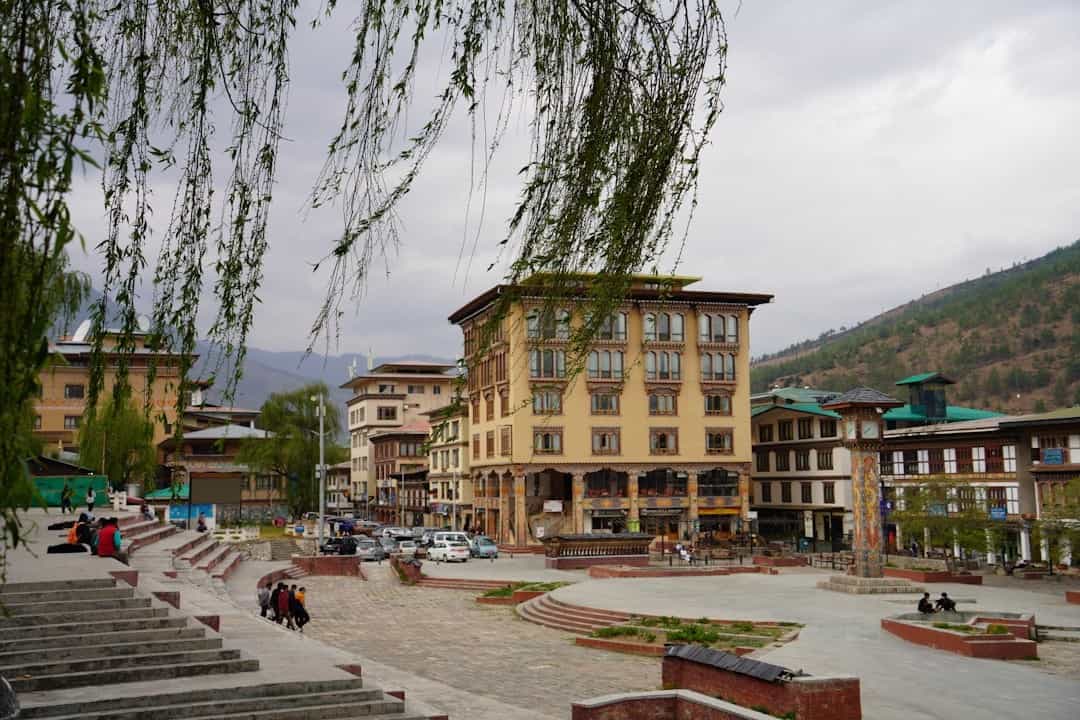
Dzong and monastery courtyards (Paro, Thimphu, Punakha — seasonal), Paro / Thimphu / Punakha, Bhutan
Duration
Each day: 2–6 hours of performances; festival runs typically 1–3 days (some local Tshechus run 3–5 days).
Best Time to Visit
Tshechu dates follow the Bhutanese lunar calendar. Typical months: Paro Tshechu (Mar–Apr), Thimphu Tshechu (Sep–Oct), Punakha (Feb–Mar), but dates vary yearly — check the local festival calendar before travel.
Pricing
Usually free to attend for general spectators (local custom encourages small donations). Some dzongs sell reserved seating or better viewing spots for visitors (approx. USD 5–25). Additional costs: travel, guide fees, and the required Bhutanese tourist package/visa.
Activity Type
Coordinates
Highlights
Cham masked dances performed by monks and lay dancers illustrating Buddhist stories and moral lessons.
Unfurling of the giant thangka (thongdrol) — a sacred and awe-inspiring moment, usually at dawn or dusk on a designated day.
Traditional dress (gho and kira) and colourful community participation.
Blessings, ritual offerings, and opportunity to receive good wishes from lamas.
Market stalls, local food, and an authentic window into Bhutanese village life and culture.
Itinerary
Arrive early for a good vantage point; for thongdrol days be in the courtyard before first light.
Expect large crowds. Dress warmly and respect cordoned areas for monks.
Opening prayers and initial cham dances.
Many of the ritual dances that set the spiritual tone occur in the morning; photography rules may apply.
Main sequence of masked dances, comedic and solemn episodes alternating.
Dances portray stories of sin and redemption—listen to your guide for meanings.
Lunch break; local vendors and community gatherings.
Use this time to explore nearby stalls, but return on time for afternoon events.
Afternoon cham dances, closing rituals.
Some ceremonies include public blessings; keep modest behaviour and follow instructions from officials.
Unfurling of the thongdrol (giant thangka).
A moving spiritual highlight — photography may be restricted and silence often requested.
Safety Requirements
High altitude — stay hydrated, avoid strenuous activity immediately before/after travel; consult a physician if you have health concerns.
Crowd safety: festivals attract large, tightly packed crowds — keep personal belongings secure and identify meeting points.
Respect religious protocols: no loud talking during prayers, follow signage and marshal instructions, avoid stepping in front of monks or ritual objects.
Photography: obey local rules — some dances and rituals prohibit flash or photography.
Visa/tour requirements: foreign visitors must enter Bhutan on a pre-arranged tour with a licensed operator and pay the daily tariff/visa fee.
Weather: outdoor events can be cold and windy — bring warm, layered clothing and rain protection in shoulder seasons.
Tips
Book through a licensed tour operator and confirm exact Tshechu dates in advance; festival dates change with the lunar calendar.
Arrive early to secure a good spot; terraces and raised areas fill quickly.
Wear modest clothing (shoulders and knees covered). Bhutanese formal dress is common; dressing respectfully is appreciated.
Carry local currency (Ngultrum/INR) for donations, snacks, and small purchases — card acceptance is limited.
Bring a small cushion or mat to sit on (stone courtyards can be hard/cold).
Observe silence during prayers and the unfurling of the thongdrol; avoid flash photography and follow instructions from officials.
Hire a local guide or ask your guide to explain the symbolic meanings to enrich the experience.
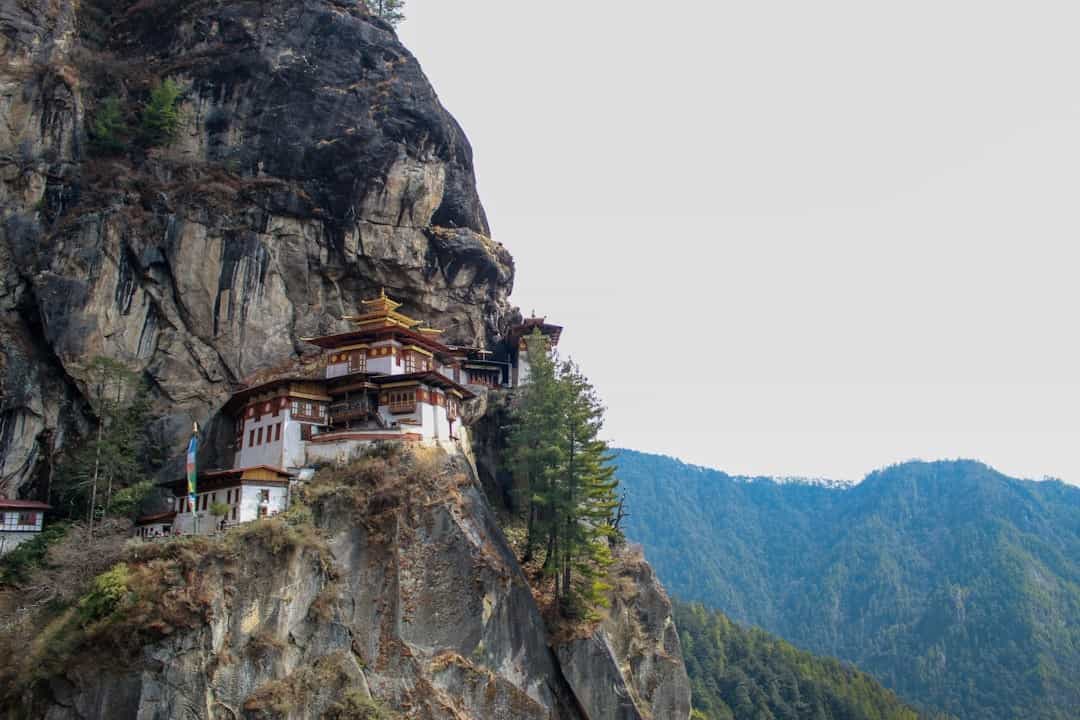
Combine Tshechu attendance with visits to the host dzong and nearby attractions (e.g., Paro Taktsang, Punakha Dzong, Thimphu's museums).