Druk Path Trek (4–6 days)
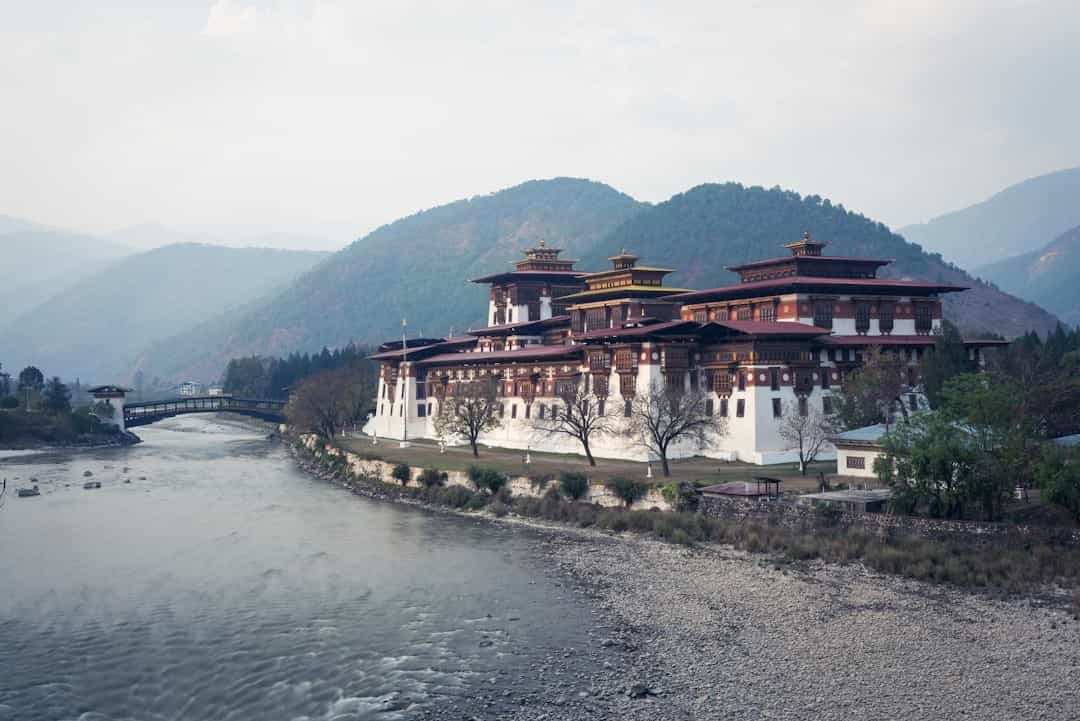
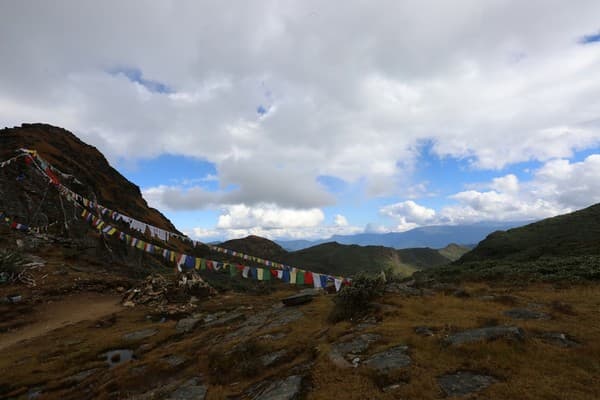
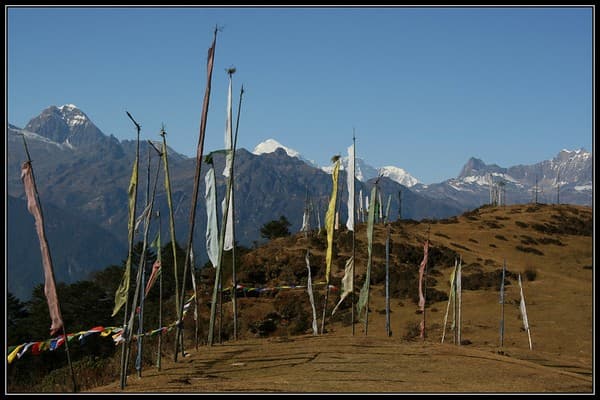
Druk Path Trek is one of Bhutan’s classic short treks linking Paro and Thimphu. It’s an alpine ridge route that crosses rhododendron and juniper forests, high passes and several glacial lakes, offering spectacular Himalayan panoramas and a gentle introduction to trekking in Bhutan. The trail is culturally rich (chortens, yak herders and remote monasteries) and is well suited to fit travellers who want a multi-day walk without extreme altitude or technical challenges.
Location
Druk Path (Paro to Thimphu), Paro / Thimphu, Bhutan
Duration
4–6 days
Best Time to Visit
Best: Spring (March–May) and Autumn (September–November) for rhododendron blossoms, stable weather and clear mountain views. Good: Late winter (Dec–Feb) for crisp skies but colder conditions. Avoid: Monsoon (June–August) due to heavy rain and slippery trails.
Pricing
Approximate pricing (per person):
- Trek-only / independent budget: USD 300–600 (local logistics, guides, and basic camps/lodges)
- Standard guided package: USD 600–1,200 (licensed guide, permits, accommodation in simple lodges or camping, meals)
- Private deluxe package: USD 1,200+ (private guide, higher-end lodging where available, porters, transfers) Prices vary by season, group size and included services. Government permit fees and the Bhutan Sustainable Development Fee (or any applicable daily charges) may apply and are not always included in package quotes—confirm with your operator.
Activity Type
Coordinates
Highlights
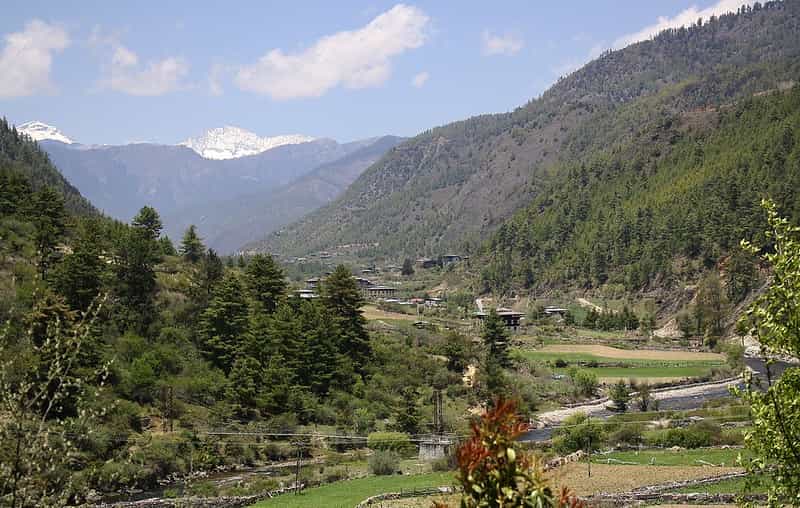
Panoramic views of Himalayan peaks and ridgelines (clear views in spring and autumn)
Rhododendron, juniper and alpine meadows — outstanding in bloom (spring)
Several high-altitude lakes (including the sacred Jimilangtsho) and crystal clear streams
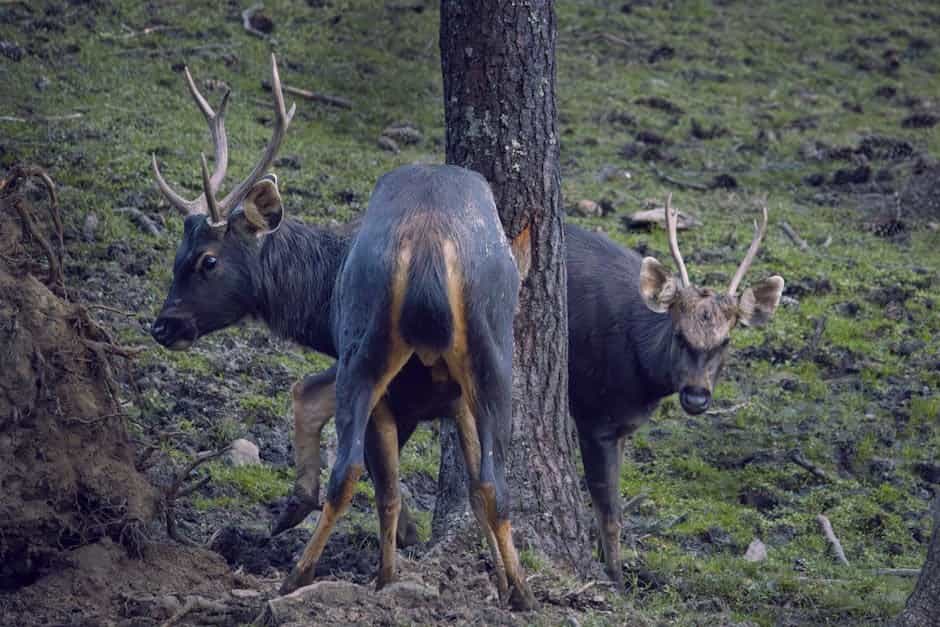
Traditional yak herder camps and chance to observe local pastoral life
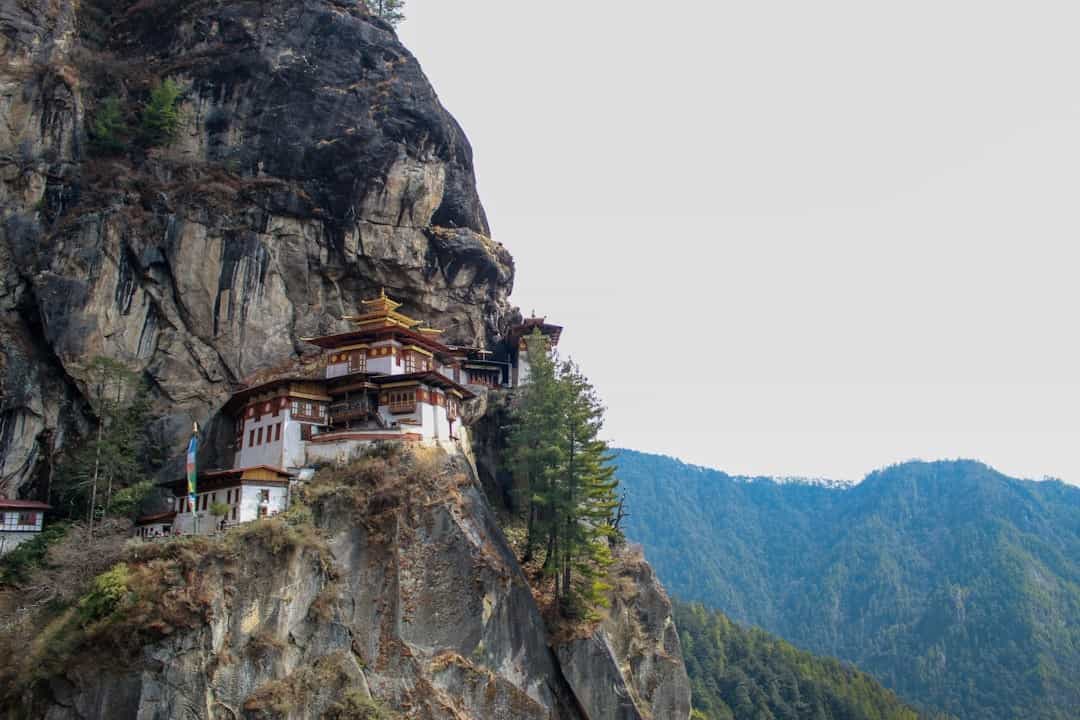
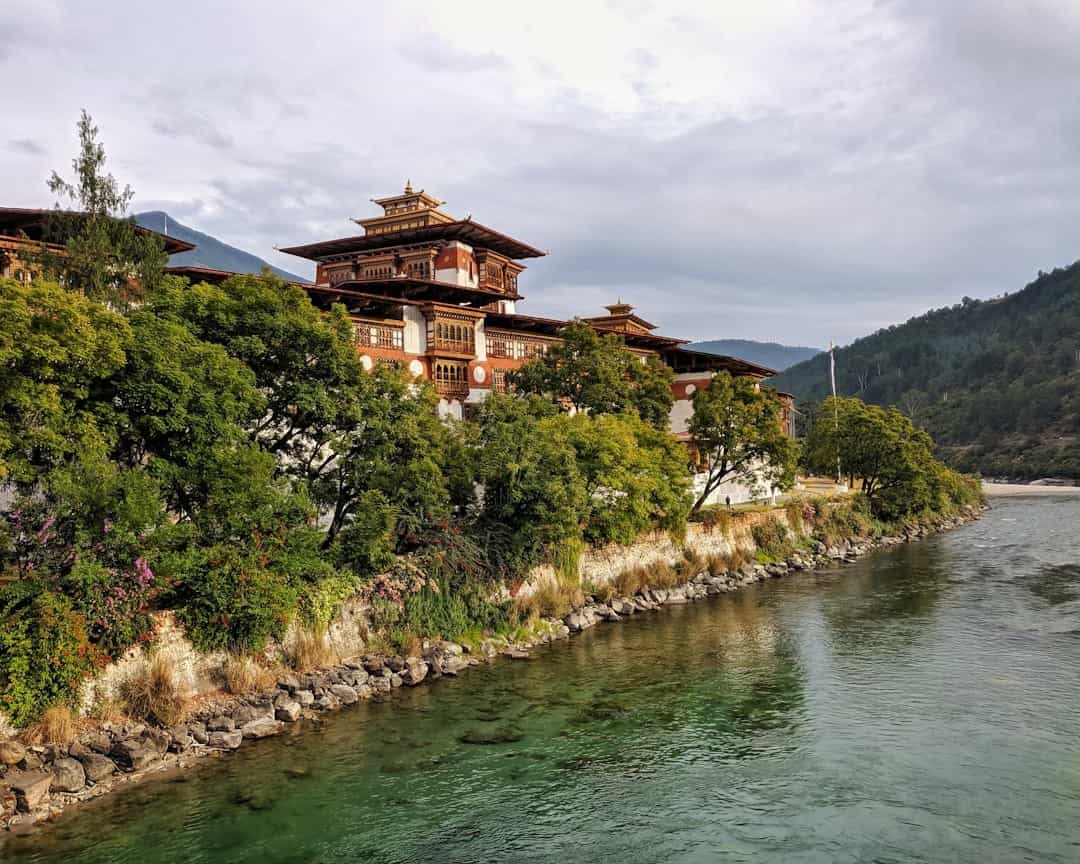
Remote monasteries, chortens and frontier cultural sites along the route
Relatively gentle gradients suitable for first-time multi-day trekkers
Spectacular dawn and sunset vistas over Paro and Thimphu valleys
Flexible itineraries: can be done in 4 days (fast) up to relaxed 6-day options
Itinerary
Arrival in Paro — permits and briefing
Arrive in Paro, obtain any remaining permits and have a pre-trek briefing with your guide. Overnight in Paro; short walks and gear check.
Paro to Shana (or first campsite) — 4–5 hours, gentle ascent
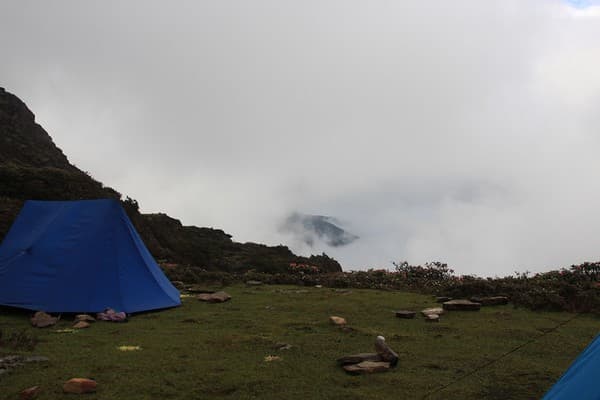
Drive to the trailhead and begin ascending through pine and rhododendron forests. Expect forested trails with occasional views back to Paro valley. Camp or lodge at a campsite near a stream or meadow. Altitude gain is gradual; take it easy and hydrate.
Shana to Jimilangtsho (or high meadows) — 5–6 hours
Cross the first ridgeline with open views and descend to alpine meadows and lakes. Visit Jimilangtsho (sacred lake) if on the route. Good day for photography and wildlife spotting (birds and small mammals). Overnight in tents or basic lodges.
Lakes and high pass day — varied distance depending on route
Continue across high passes and ridge trails, with panoramic views toward the main Himalayan range. This is a highlight day—expect broad vistas, more lakes and the possibility of yak herder camps. Shorter day options available if extending to a 6-day itinerary.
Final ridge descent and arrival to Thimphu — 4–6 hours
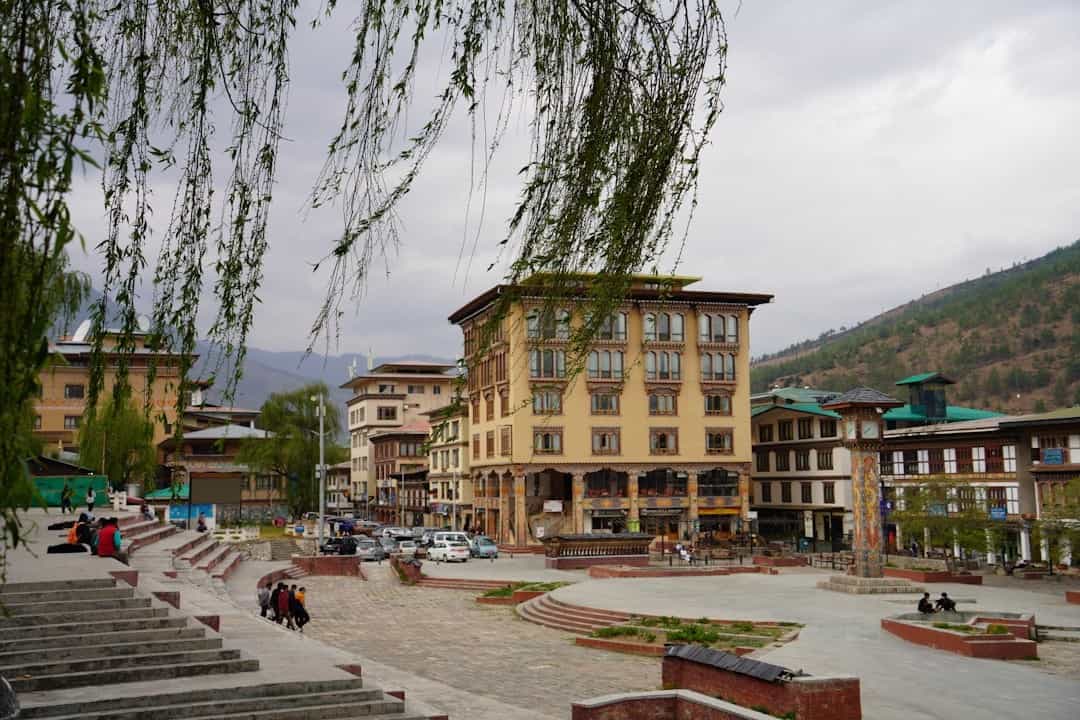
Descend into the Thimphu valley with final views over the capital. Arrive in Thimphu in the afternoon; transfer to your hotel. Option to visit local sites in Thimphu depending on arrival time.
Leisure day in Thimphu or additional acclimatisation/short hikes
Use this day to recover, visit Thimphu’s cultural sites (Tashichho Dzong, Buddha Dordenma) or add a short hike. Useful if doing the longer 5–6 day variation.
Extra day for slower trekking pace or return to Paro for departure
Flexible buffer day to adapt to weather or trekking pace; can be used to extend trekking legs or allow leisurely travel to Paro for flights.
Safety Requirements
Travel with a licensed local guide and approved permits — required for trekking in Bhutan
Be aware of altitude-related symptoms; ascend gradually and stay hydrated
Carry a basic first-aid kit, blister care and any personal medications
Proper layered clothing and waterproof outerwear for sudden weather changes
Good trekking boots with ankle support and trekking poles recommended
Ensure evening/night communications and emergency plans; some sections are remote
Tips
Bring layered clothing: warm mid-layers, windproof shell and a good down jacket for high camps
Acclimatise in Paro (easy walks, avoid heavy exertion on arrival day)
Pack sunscreen, sunglasses and a wide-brim hat — UV is strong at altitude
Carry sufficient cash in Ngultrum (local currency) for small purchases; cards are not always accepted in remote places
Respect local customs: remove shoes before entering small monasteries and behave quietly near sacred lakes and chortens
Book through a licensed Bhutanese operator — they handle permits, transport and local logistics
If you want to photograph people or sacred sites, ask permission first
Leave no trace: carry out all litter and minimise environmental impact