Haa Valley village walks and homestay
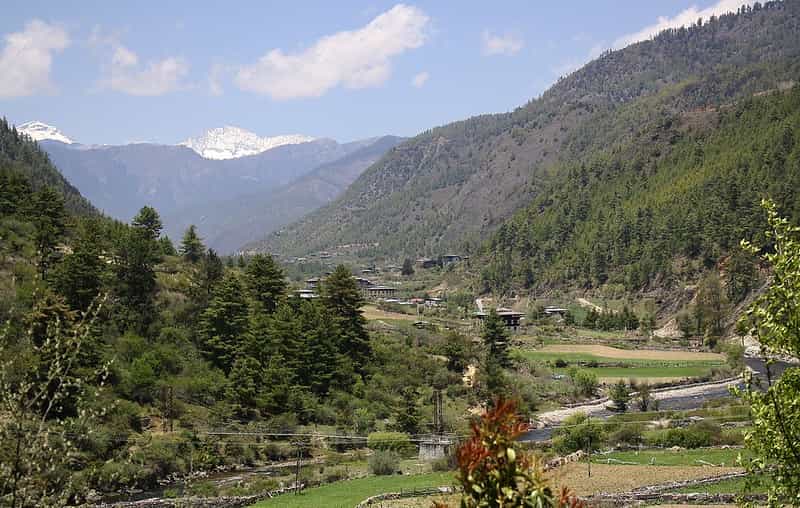
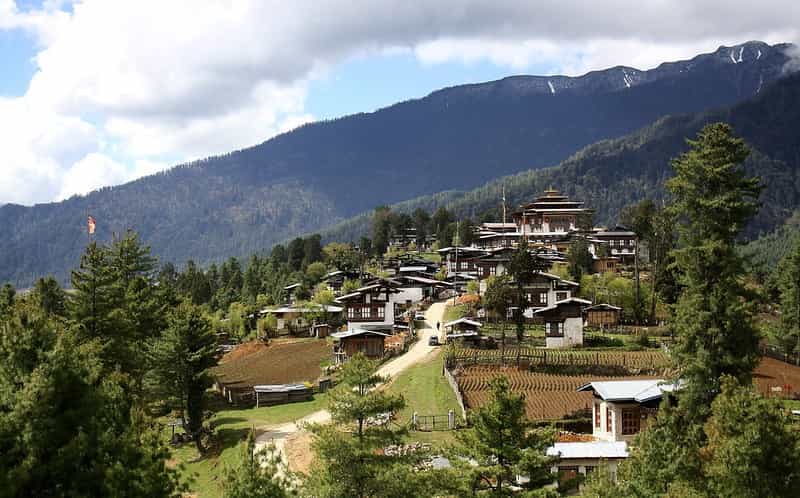
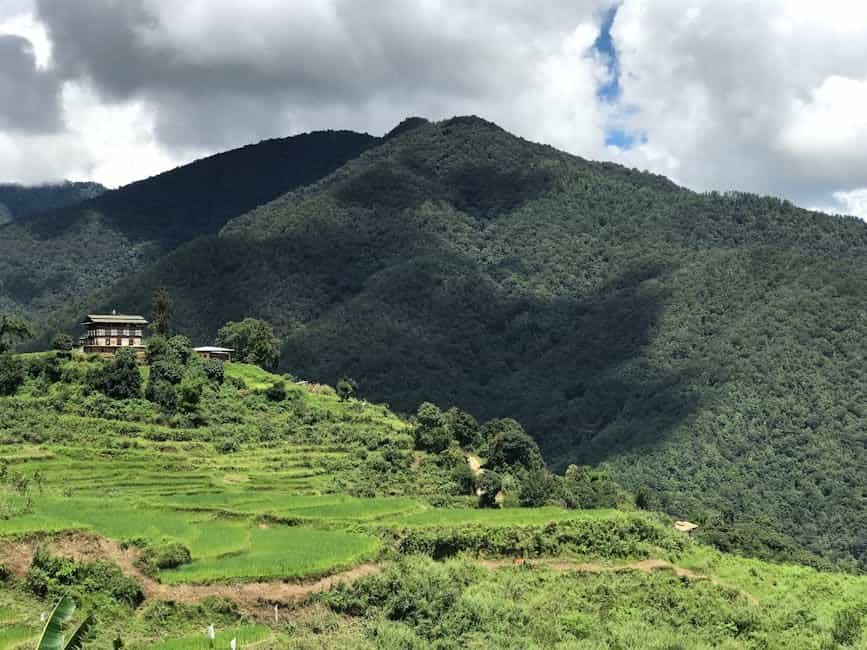
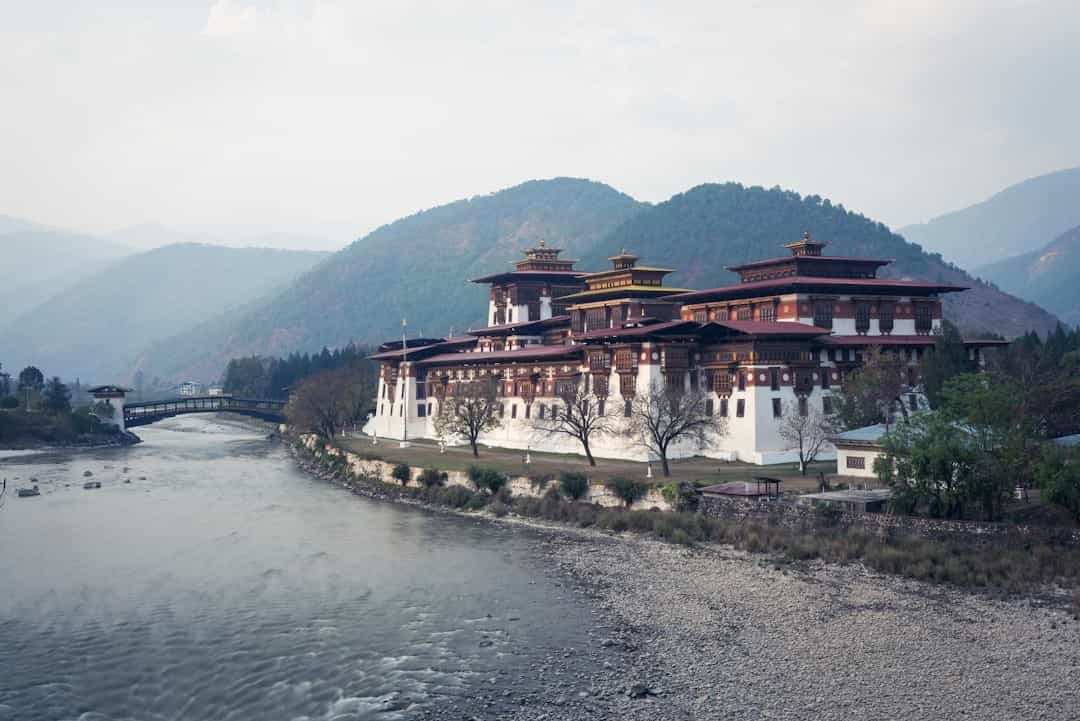
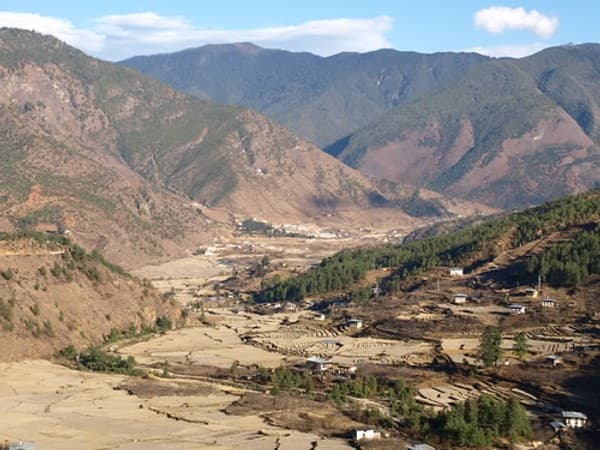
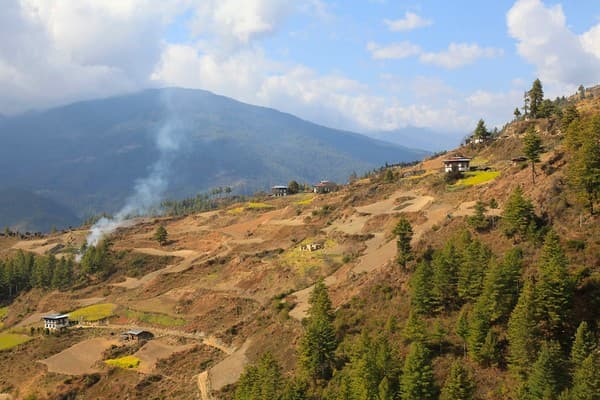
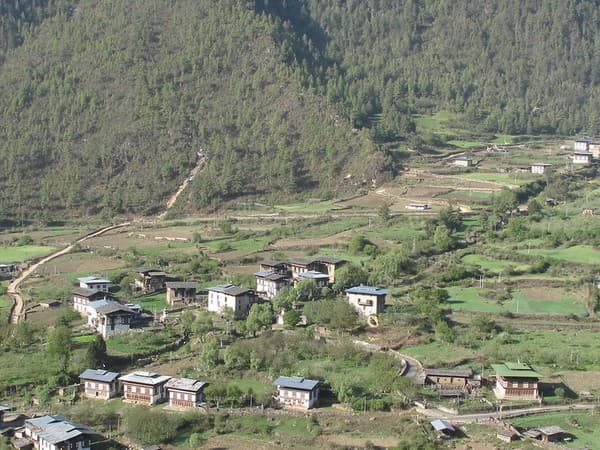
Haa Valley Village Walks & Homestay offers gentle village trails, cultural immersion and overnight stays with local families in one of Bhutan's most intact rural valleys. Walks wind through pine and fir forests, terraced fields and small hamlets, giving close-up views of everyday agrarian life, traditional houses, temples and mountain vistas.
Location
Haa Valley (various villages around Haa town), Haa, Bhutan
Duration
Options: short walks 2–4 hours; half-day 4–6 hours; multi-day homestay package 1–3 nights.
Best Time to Visit
Spring (March–May) and Autumn (September–November) for the clearest skies, blooming rhododendrons in spring and stable weather in autumn. Summer (Jun–Aug) is the monsoon — expect rain and muddy trails. Winter (Dec–Feb) is cold but crisp and good for quieter visits if you can tolerate low temperatures.
Pricing
Typical packages range from USD 50–120 per person per night for basic homestay including two village walks, home-cooked meals and guide. Day-walk only options: USD 20–40 per person. Prices vary with group size, season and whether arranged through a licensed Bhutan tour operator (note: international visitors must book Bhutan travel through a licensed operator and pay the government's daily sustainable development fee).
Activity Type
Coordinates
Highlights
Cultural immersion: Stay with a local family, share home-cooked Bhutanese meals and learn about farming, weaving and local rituals.
Scenic valley walks: Gentle trails through pine forests, terraced fields, small chortens and village lanes with mountain views.
Traditional architecture: See vernacular Bhutanese houses, farm barns and small village temples (lhakhangs).
Local festivals & rituals: If timed right, witness village pujas or seasonal ceremonies and traditional dress.
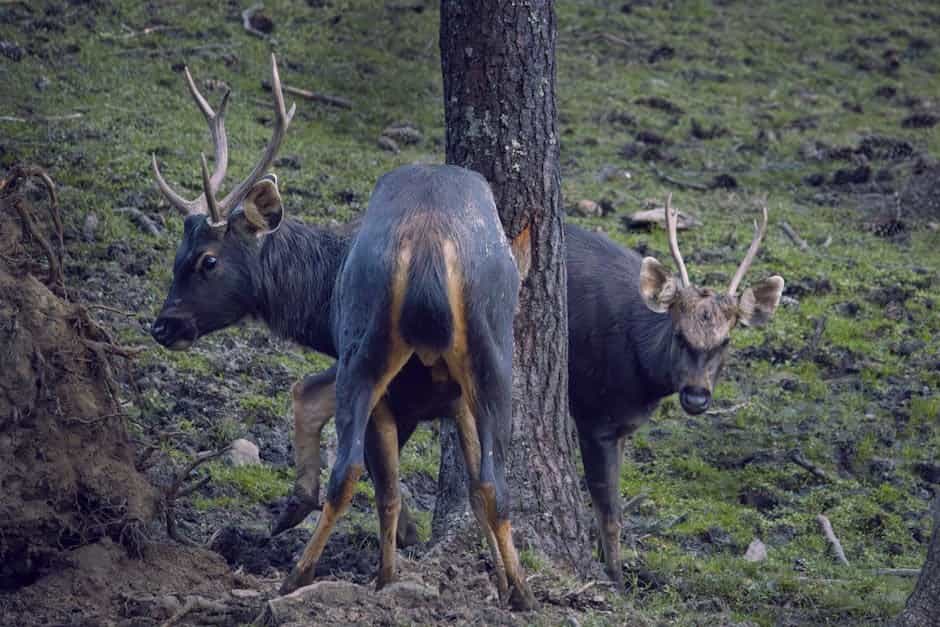
Birdwatching & nature: Opportunity to spot Himalayan bird species and wildflowers along the ridgelines.
Itinerary
Arrival in Haa town and village orientation
Meet your guide, settle into the homestay; short walk around the immediate village to meet hosts and see the household compound.
Gentle village walk (2–3 hours)
Walk through terraced fields and across small streams to neighboring hamlets; return to homestay for dinner and cultural exchange.
Higher ridge walk or forest trail (3–5 hours)
Moderate uphill section with panoramic views of Haa valley; picnic lunch en route or return for homestay meal.
Village craft/demo and free time
Participate in weaving, butter tea preparation or local farming tasks depending on season and host family.
Longer trek to alpine meadows or visit to local monastery
Full-day excursion to nearby high pasture or sacred site; suitable for fit walkers and arranged in advance.
Safety Requirements
Altitude: Haa valley sits roughly between 2,500–3,000 m — allow time to acclimatize and monitor for mild altitude symptoms.
Footwear: Wear sturdy walking shoes or light hiking boots; some trails can be rocky or muddy.
Weather: Bring layers, rain protection and sun protection — mountain weather can change quickly.
Guides: Use a licensed local guide for route finding and cultural mediation; international visitors must travel with a licensed Bhutan operator.
Health: Carry basic first-aid, any personal medications and blister care; mobile coverage can be limited in stretches.
Tips
Book through a licensed Bhutanese tour operator who will handle visas/permits, transport and local host arrangements.
Respect local customs: remove shoes when entering homes or temples, dress modestly and ask before photographing people, especially during rituals.
Carry small gifts or simple items (sweets, school supplies) if you plan to interact with families — ask your guide first.
Cash: Homestays may accept only local currency (Ngultrum/INR); ATMs are limited—carry sufficient small notes.
Connectivity: Expect limited internet and phone service; use the stay as an opportunity to unplug.
Pack lightweight but warm clothing for evenings, and a refillable water bottle (boiled or treated water is safest).
Leave no trace: take rubbish with you and respect agricultural land and livestock.