Phobjikha (Gangtey) Valley and Gangtey Monastery
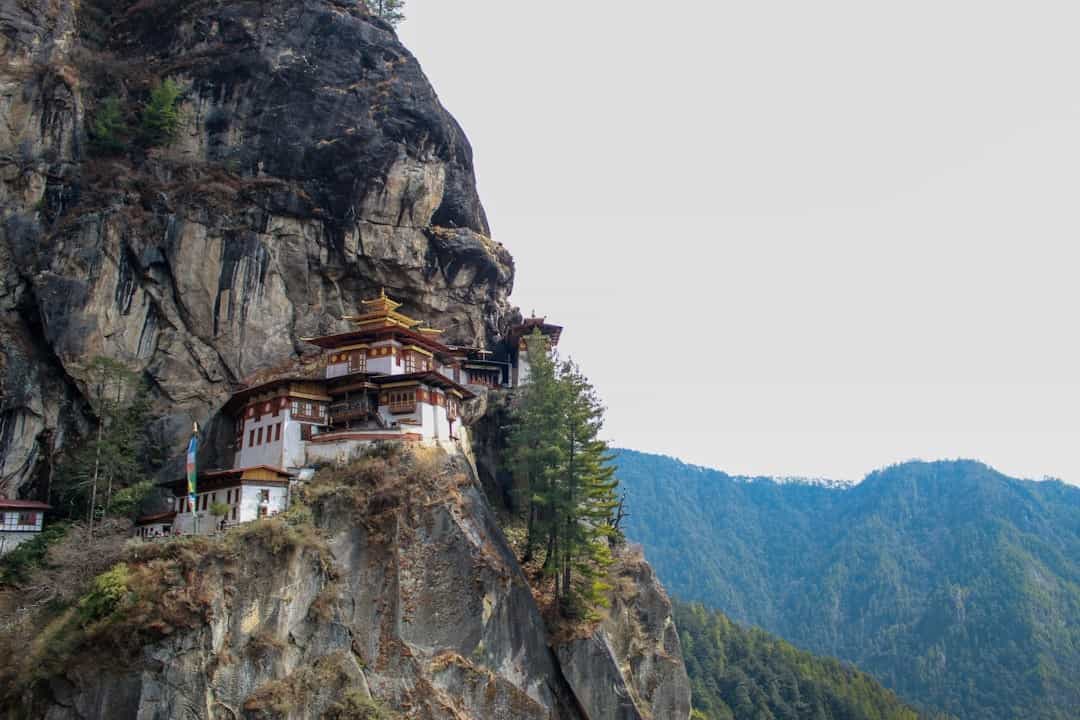
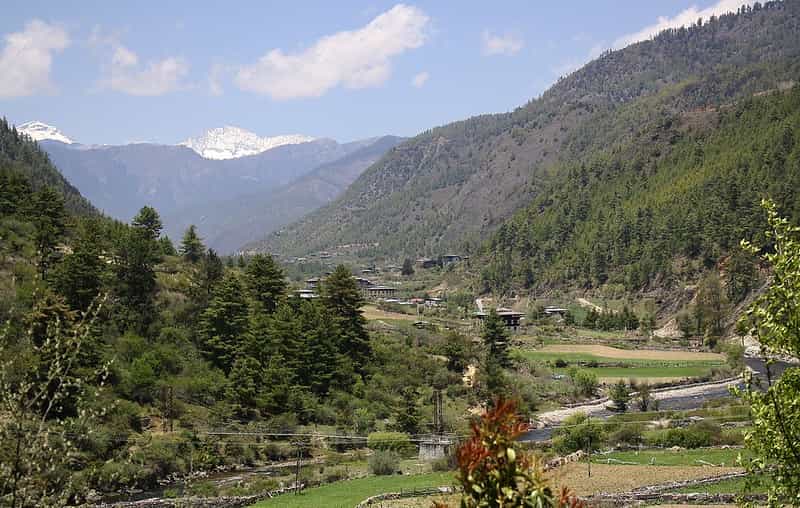
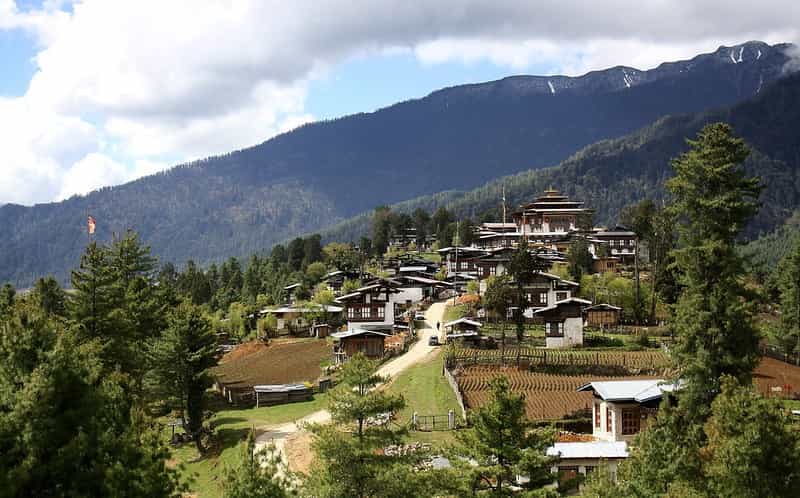
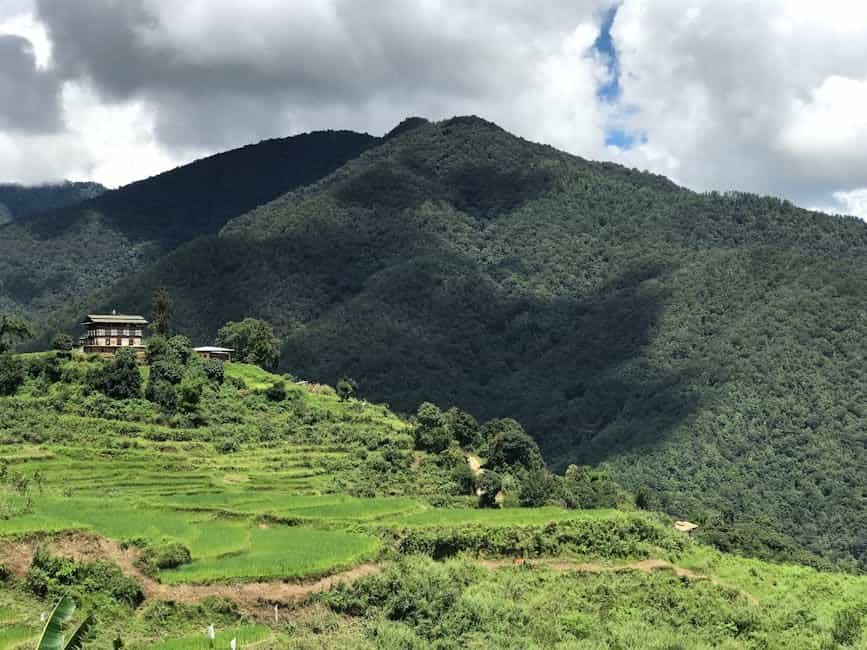
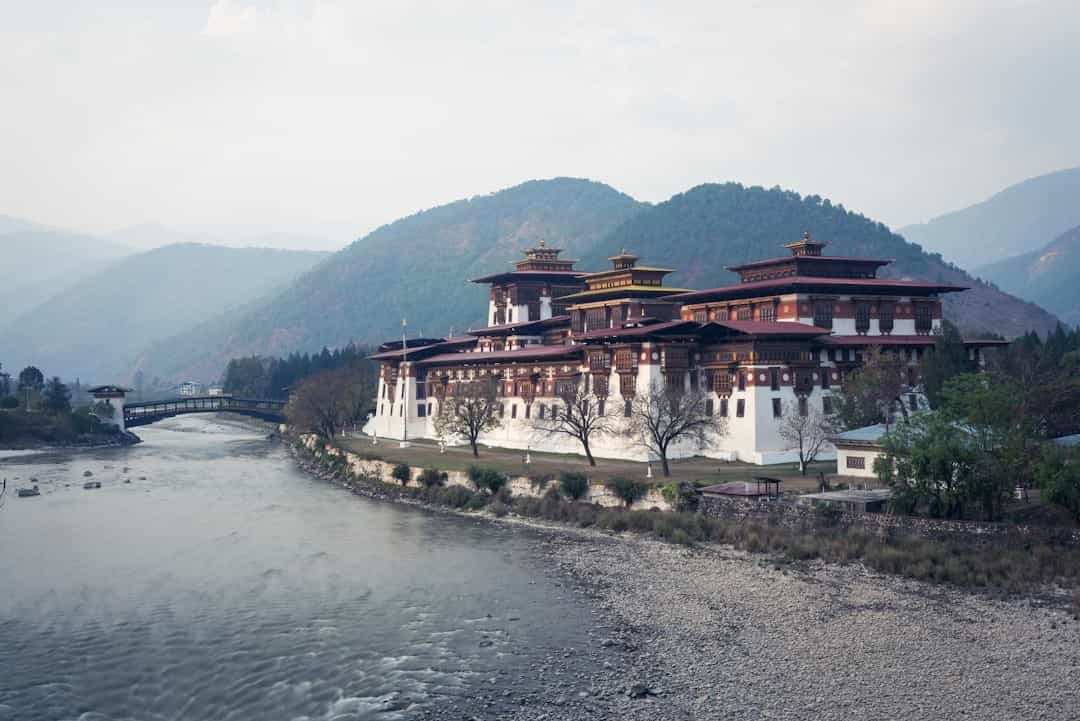
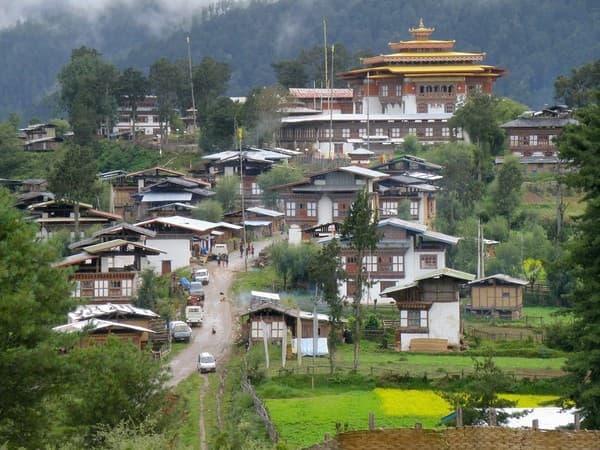
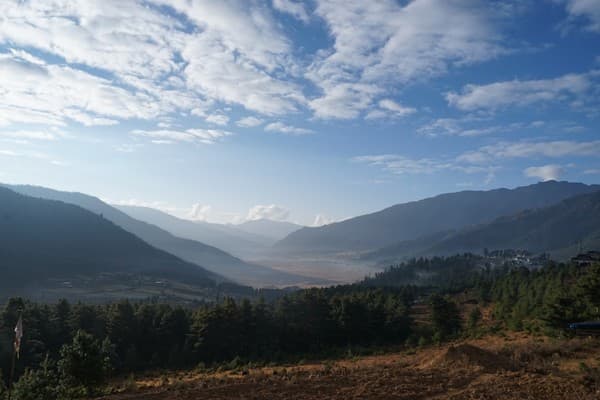
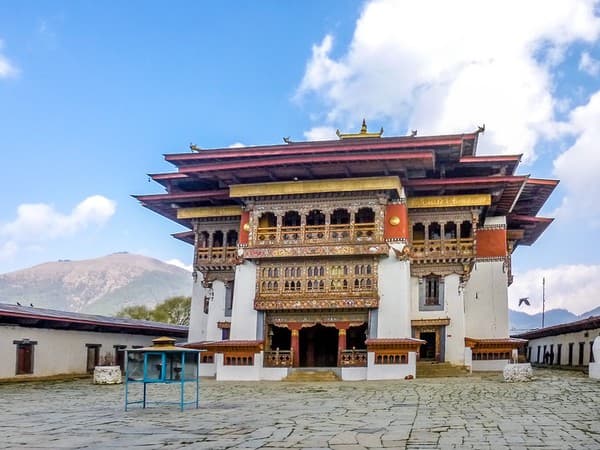
Phobjikha (also known locally as Gangtey) is a broad U-shaped glacial valley in central Bhutan renowned for its high-altitude wetland, traditional Bhutanese villages and the Gangtey (Gangtey Goenpa) Monastery perched on a hillside above the valley. The valley is an important conservation area and wintering ground for the endangered black‑necked crane. Gangtey Monastery is a major Nyingma Buddhist monastery founded in the 17th century and an active religious center offering panoramic views over the valley. Visitors come for birdwatching, gentle walks, cultural immersion, and serene landscapes.
Location
Phobjikha (Gangtey) Valley & Gangtey Monastery, Wangdue Phodrang, Bhutan
Duration
Half-day to 2 days recommended (overnight in Gangtey for dawn crane viewing and a relaxed visit)
Best Time to Visit
November to February for black‑necked cranes (wintering season). March–May (spring) and September–November (autumn) are excellent for milder weather, flowering rhododendrons and clear skies.
Pricing
No fixed entrance fee for the valley or monastery; donations to the monastery and local conservation projects are appreciated. Costs to visit typically include: transport from Thimphu/Punakha or Paro, guide fees, and accommodation in lodges or homestays. If you are traveling under Bhutan’s regulated tourism system, confirm the current national tourism tariff, visa and permit charges with an official operator or the Tourism Council of Bhutan before booking.
Activity Type
Coordinates
Highlights
Wintering ground for the endangered black‑necked crane (best seen at sunrise from hides or distant observation points)
Gangtey (Gangtey Goenpa) Monastery: panoramic hilltop location, traditional murals and monastic life
Scenic drives over Pele La pass with Himalayan views and bamboo forests
Gentle nature walks and the Gangtey Nature Trail (typical 2–4 hour loop)
Traditional hamlets, pasturelands (dhoens), and local agriculture — good opportunities for cultural interaction and homestays
Local conservation and community projects protecting the wetland and cranes
Itinerary
Drive to Phobjikha via Pele La pass; short stops at viewpoints and pass summit for photos and tea.
Allow 3–4 hours from Wangdue/Thimphu depending on stops; road conditions vary seasonally.
Visit Gangtey Monastery (Gangtey Goenpa): attend morning prayers if available, explore monastery buildings and viewpoints.
Respect monastic rules: modest clothing, quiet behaviour, and ask before photographing inside.
Short walk to local villages and the visitor centre; learn about the Black‑necked Crane Centre and local conservation efforts.
The visitor centre provides background on crane ecology and seasonal viewing arrangements.
Optional gentle hike on the Gangtey Nature Trail (2–4 hours loop) through pine forests, pastures and small farmsteads.
Trail is well marked but wear sturdy shoes and carry water; guides are available.
Black‑necked crane viewing from a hide or designated observation area at sunrise.
Crane behaviour is sensitive to disturbance — follow the guide and keep noise low. Return to lodge for breakfast.
Visit local crafts, interact with villagers or take a photography walk; depart for next destination (Wangdue, Punakha or Thimphu).
Plan travel time; roads may be slower in winter months.
Safety Requirements
High‑altitude valley (approx. 2,900–3,100 m): acclimatise gradually if arriving from low elevation
Cold temperatures in winter — bring warm layers and a windproof jacket
Respect monastery rules: no loud behaviour, appropriate dress (cover shoulders and knees), remove shoes where required
Wildlife viewing: do not approach cranes or cross marked boundaries; use designated hides and follow guide instructions
Roads can be narrow and winding; use experienced drivers and allow extra travel time in bad weather
Tips
Bring warm layered clothing, hat and gloves if visiting between November and February
Carry cash (Ngultrum) — limited ATMs and card acceptance in remote areas
Book accommodation in advance during crane season (Nov–Feb) and major Bhutanese festivals
Hire a local guide for the nature trail, crane viewing and cultural interpretation — they improve wildlife sightings and respect for local rules
Respect local customs: ask before photographing people and remove shoes/cover up inside sacred spaces
If you want the best crane experience, plan to stay overnight and do the pre‑dawn viewing; cranes return to roost late morning
Use sunscreen and sunglasses — the valley is high and sun can be strong even in cold months
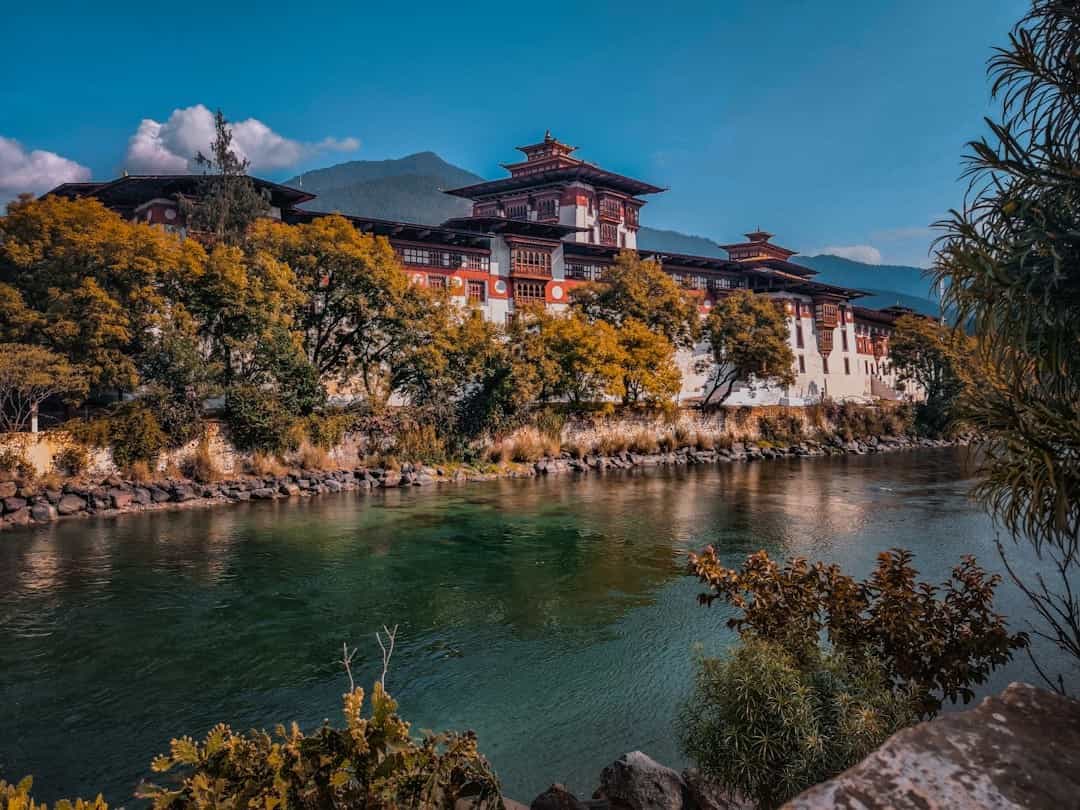
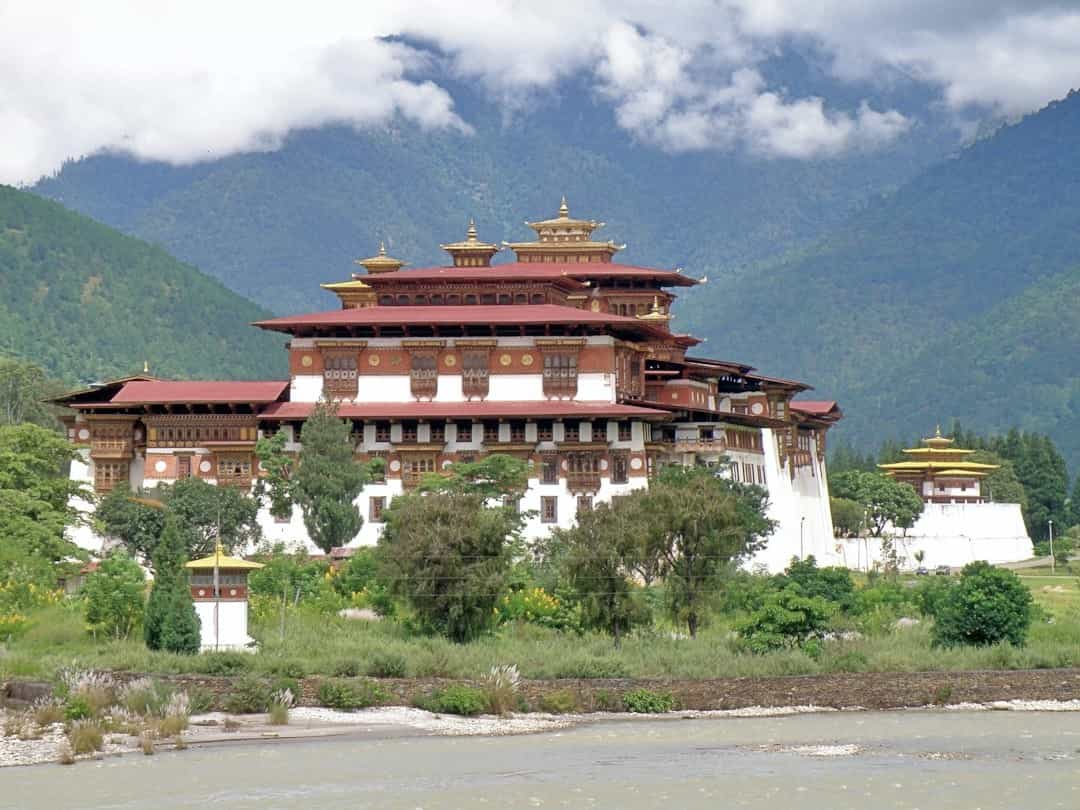
Consider combining Phobjikha with Punakha/Wangdue for a two‑day central Bhutan circuit