Thimphu Weekend Market and handicraft shopping
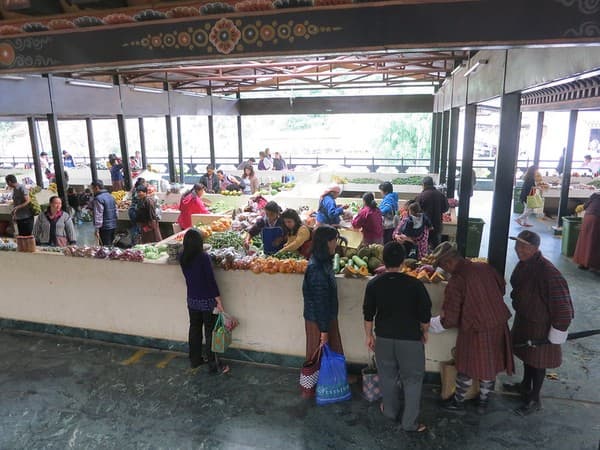
Thimphu Weekend Market is a lively, local market held on weekends where farmers, artisans and traders from around the region gather to sell fresh produce, traditional foods and handmade crafts. Paired with nearby handicraft shops and emporia in Thimphu, the visit is a great way to experience everyday Bhutanese life and buy authentic souvenirs—textiles, masks, lacquerware, wooden bowls, and handwoven items.
Location
Thimphu Weekend Market and nearby Handicraft Shops (Clock Tower / central Thimphu area), Thimphu, Bhutan
Duration
2–4 hours (can be extended if visiting multiple emporia and workshops)
Best Time to Visit
Weekend mornings (Friday–Sunday). Market usually starts early — around 07:00 — and is busiest between 08:00–11:00. Visit October–May for clear weather; monsoon months (June–August) can be wet.
Pricing
Most market purchases are cash-based (Bhutanese Ngultrum - BTN; Indian Rupee widely accepted). Typical price ranges: small souvenirs BTN 20–200 (≈ USD 0.25–2.50), textiles & scarves BTN 500–5,000 (≈ USD 6–60) depending on quality, traditional masks & carvings BTN 1,500–15,000 (≈ USD 18–180), carpets and high-end thangka paintings can be BTN 20,000+ (USD 240+). Expect to pay more in established handicraft shops or for export-quality pieces. Bargaining is common but should be polite and moderate.
Activity Type
Coordinates
Highlights
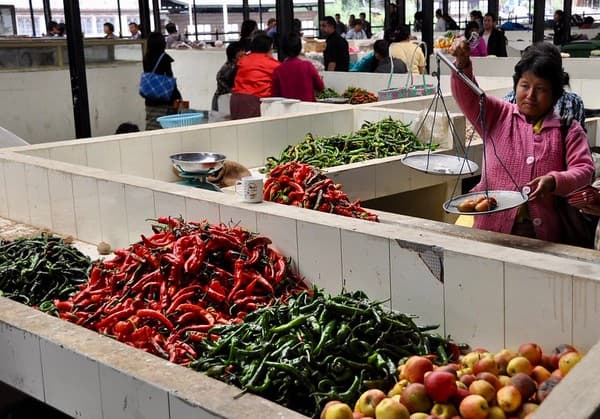
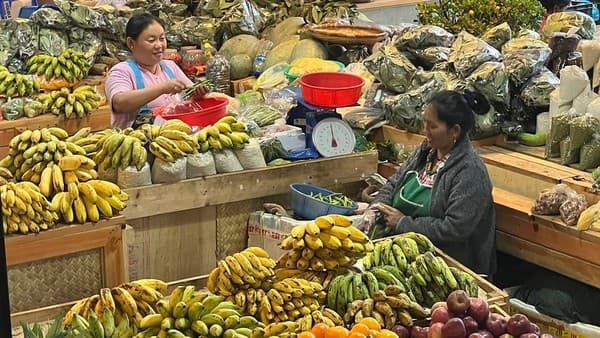
Fresh local produce and farm goods (seasonal vegetables, chillies, dried meats, cheeses such as local yak/cheese products)
Handmade textiles: hand-woven scarves, kira/gho fabrics and yak-wool items
Traditional Bhutanese handicrafts: wooden masks, lacquerware, carved bowls, prayer wheels
Local snacks and street food — try momos and sweet tea
Chance to see artisans and farmers from nearby villages displaying regional crafts
Nearby handicraft shops and emporia offering higher-quality, certified pieces and workshop visits
Itinerary
Arrive at the Weekend Market
Walk among the stalls to see fresh produce, spices and local snacks. Use this time to observe and photograph (ask permission first for people close-ups).
Browse handicraft stalls
Focus on smaller souvenirs first to understand typical prices before visiting shops. Look for natural lacquerware, hand-carved masks and woven items.
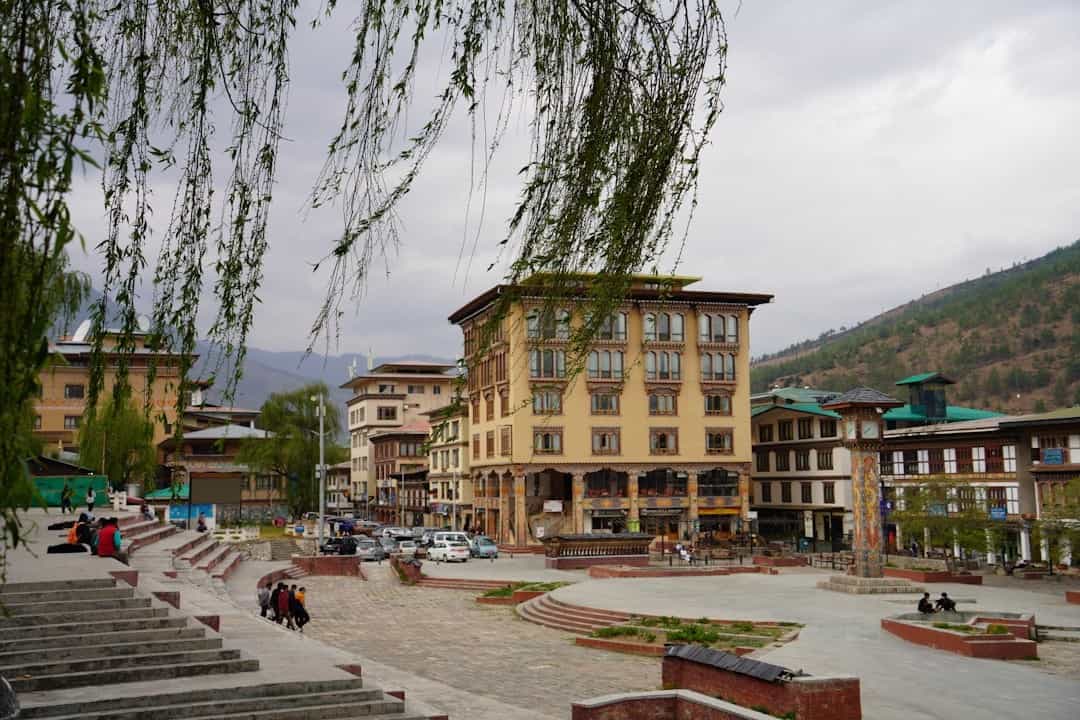
Coffee/tea break near Clock Tower Square
Take a short break at a café or street-side stall, compare notes with your guide if you have one.
Visit established handicraft shops/emporia
Move to nearby shops (Handicrafts Emporium and independent ateliers) to view higher-quality items, ask about provenance and any certificates for antiques or thangkas.
Optional: workshop visit or museum stop
If available, see artisans at work (weaving, carving) or visit the Folk Heritage Museum for context on materials and techniques.
Safety Requirements
Carry sufficient local currency—many stalls do not accept cards
Keep personal belongings secure; markets can be crowded
Ask permission before photographing individuals or religious objects
Do not purchase items made from endangered species (ivory, some animal skins) — export/import of such items is restricted
If purchasing antique religious items, check legal export requirements and obtain necessary permits
Tips
Bring small-denomination bills and coins — vendors may not have change
Be polite when bargaining; start around 20–30% below the asking price and meet halfway
Ask about materials and origin — handcrafted items should be made locally; request a provenance note for higher-value pieces
Check for quality: join threads, finishes on textiles, evenness of lacquer and carving details
Consider shipping large/heavy purchases from a reputable shop rather than carrying them on flights
Respect local customs: dress modestly and remove shoes if entering religious spaces or workshops when requested
If you want authentic high-quality thangkas or antiques, shop at established emporia where certificates and export guidance can be provided