Traditional Bhutanese hot-stone bath (Dotsho)
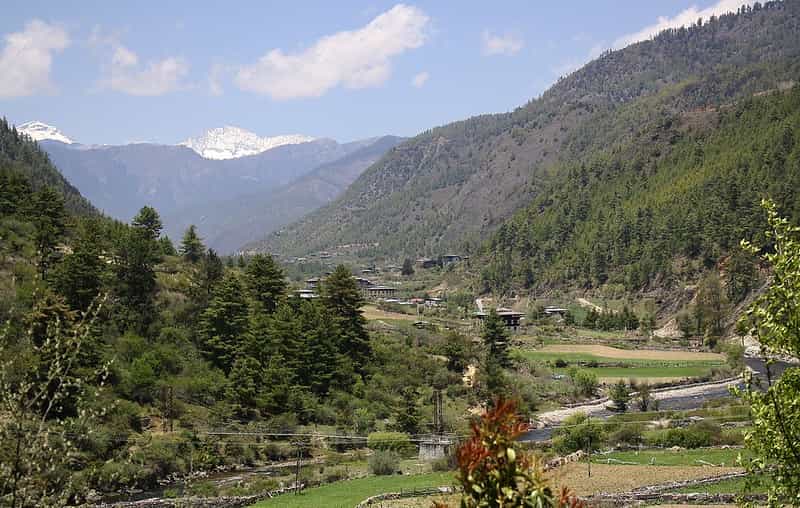
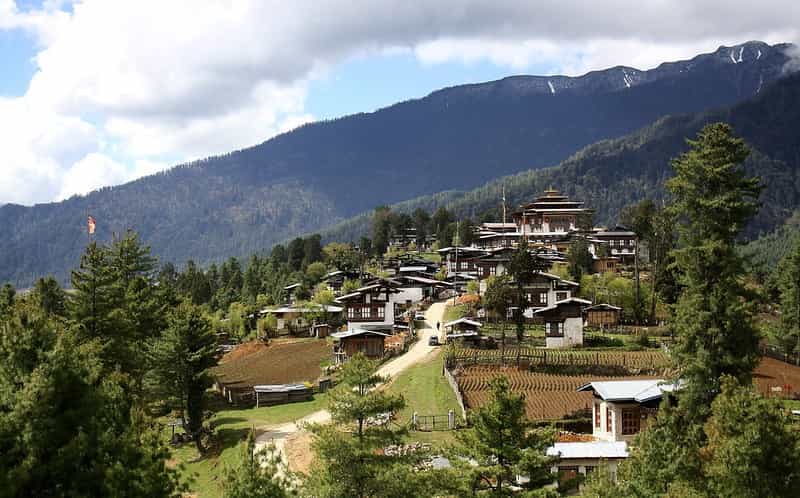
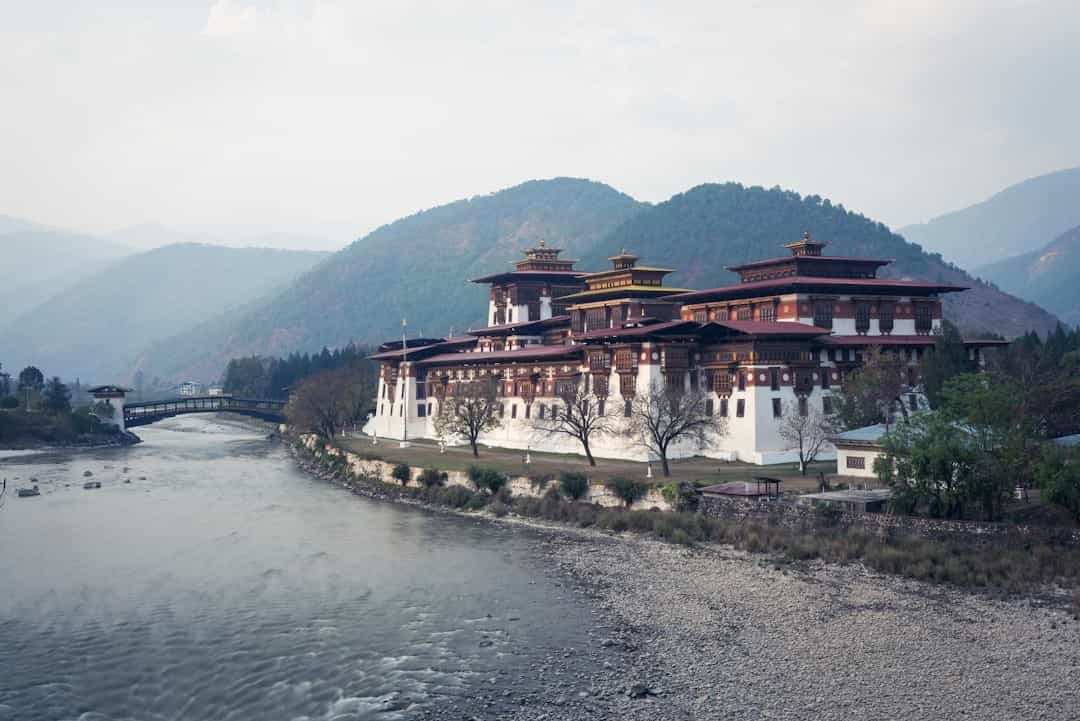
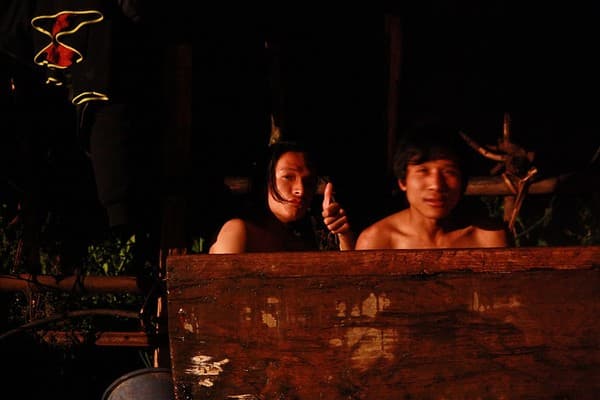
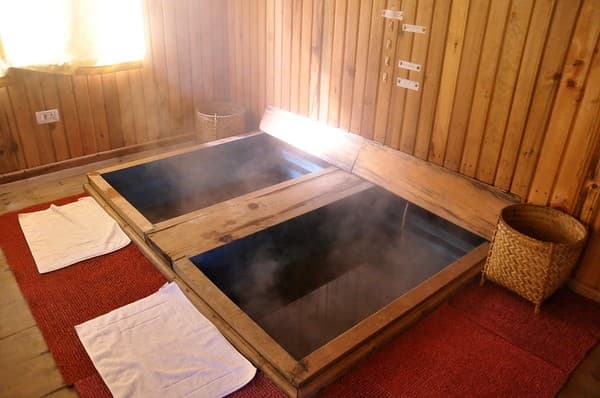
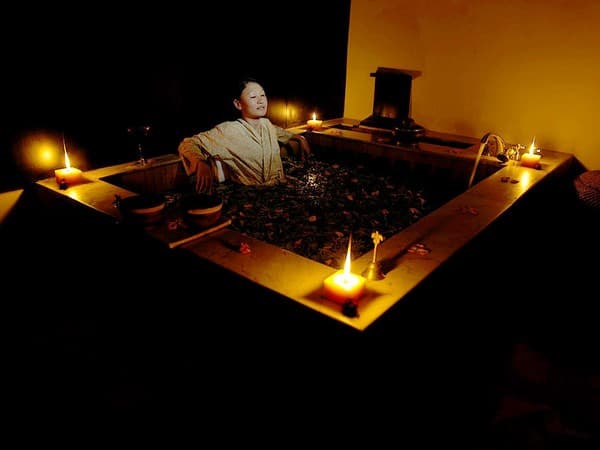
Dotsho (also spelled 'dotsho' or 'doktsa' in some dialects) is a traditional Bhutanese hot-stone bath and healing ritual. Heated river stones are placed into a wooden, bamboo or clay tub filled with water and herbal infusions to create a deep, mineral-rich soak. The treatment is used for relaxation, muscle pain relief, postpartum care, and general detoxification. In valleys such as Paro, Punakha and Phobjikha the dotsho is offered in guesthouses, village hot-spring houses, and by local healers, often combined with herbal steam, local medicines, or light massage.
Location
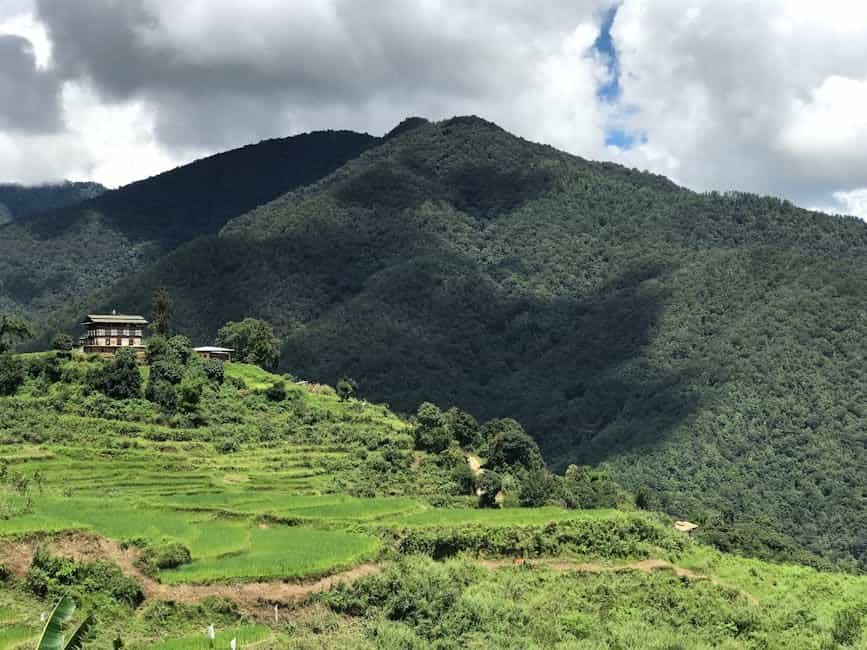
Paro / Punakha / Phobjikha (valley locations across western and central Bhutan), Paro / Punakha / Phobjikha, Bhutan
Duration
30–90 minutes per session (allow half a day if combined with travel and consultation)
Best Time to Visit
March–May and September–November (pleasant weather in the valleys); dotsho is available year-round but is especially enjoyed in cooler months.
Pricing
Approx. cost: USD 10–50 per person (about BTN 800–4,000) depending on location and package. Guesthouse or hotel packages may include dotsho with stay (often complimentary or discounted). Private or therapist-guided sessions and postnatal medical treatments can cost USD 40–100+.
Activity Type
Coordinates
Highlights
Authentic Bhutanese wellness tradition using heated river stones
Local herbal infusions and medicinal additives tailored to needs
Available in scenic valley settings — Paro, Punakha and Phobjikha
Can be combined with light massage, steam therapy, or postnatal care
Options for private or communal tubs depending on the facility
Itinerary
Arrive at the guesthouse, hot-house or healer's facility where dotsho is offered.
Short consultation with the attendant to discuss health, preferences and any contraindications.
Stones are heated in a fire until red-hot; herbs (local botanicals like artemisia, juniper or medicinal leaves) prepared for infusion.
You can observe or be shown the stone-heating process; follow staff instructions on safety.
Stones are placed into the tub of water; temperature is adjusted. Soak and relax; attendant may add herbal compresses or gentle rubbing.
Start with shorter durations if you are sensitive to heat. Private rooms available in many locations; communal facilities separate by gender.
Cooling down, drinking warm herbal tea, light rest. Optional massage or therapist advice for follow-up care.
Avoid heavy exertion immediately after; keep warm and hydrated.
Safety Requirements
Not recommended for pregnant women, people with uncontrolled hypertension, serious heart conditions, or severe skin infections without medical clearance.
Avoid immediately after heavy meals or alcohol consumption.
Ensure stones are handled only by trained attendants — risk of burns if unmanaged.
Inform the attendant of allergies to herbs or medications used in the infusion.
Check water temperature before entering; start with shorter soak if uncertain.
Tips
Clothing & Privacy: Ask the provider about privacy and dress norms — some traditional dotsho practices involve nudity in gender-separated settings; tourist facilities often allow swimwear or provide towels.
Book ahead: Especially in peak season or in smaller valley villages — request a private session if you prefer privacy.
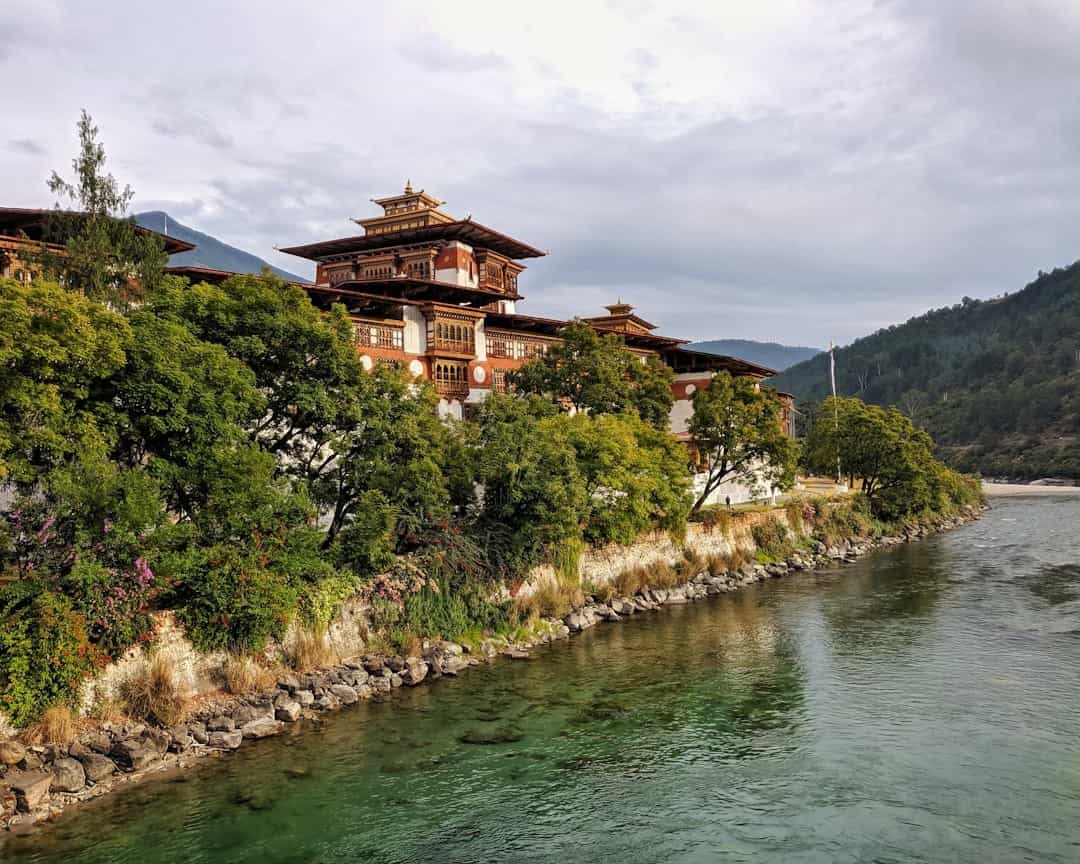
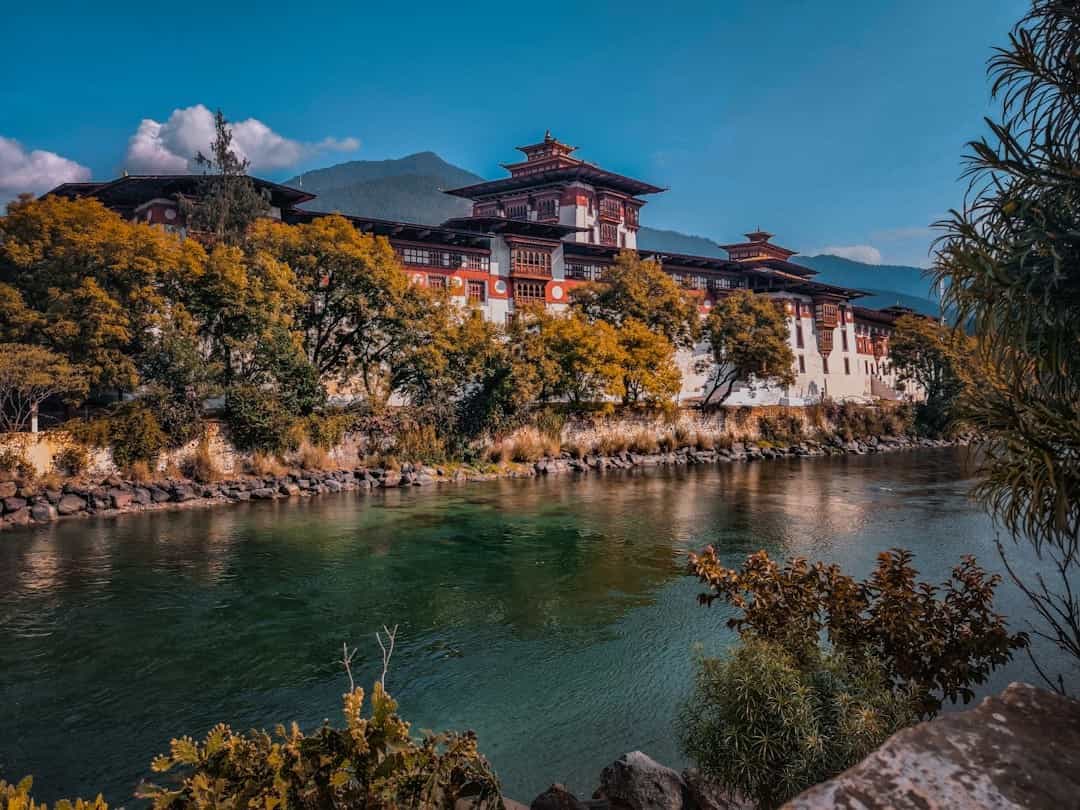
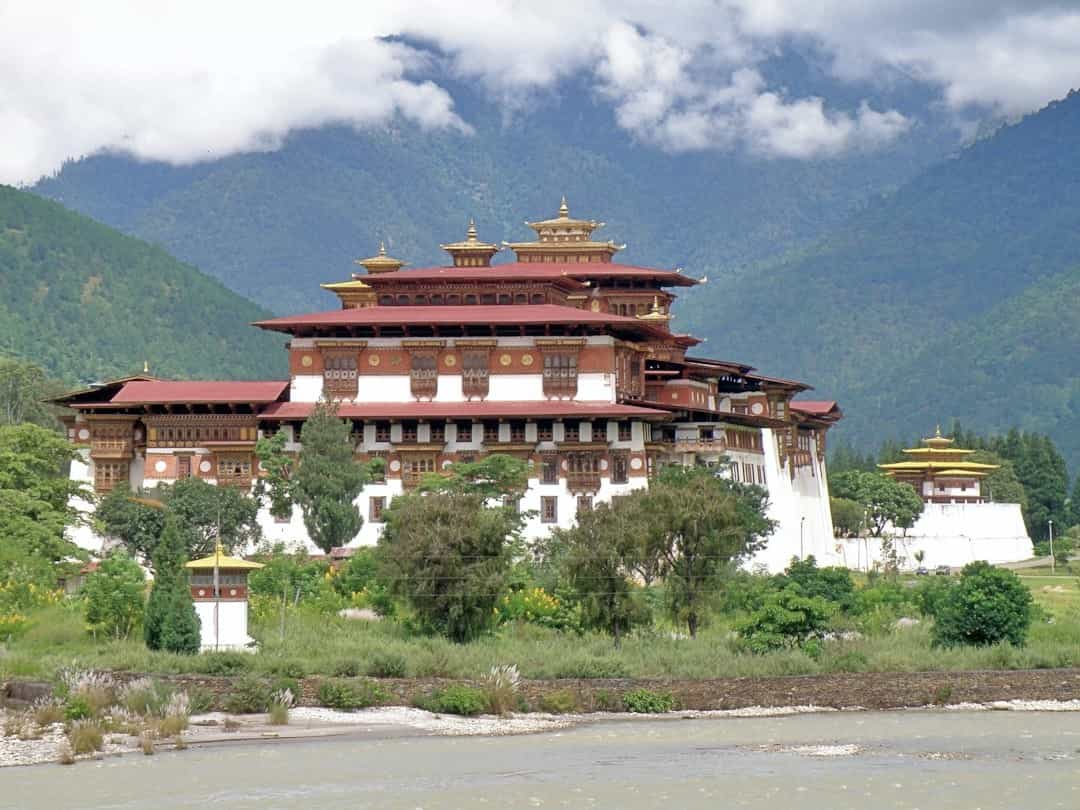
Combine experiences: Dotsho pairs well with a short hike, temple visit (e.g., Punakha Dzong) or a local hot-spring visit.
Bring: Lightweight towel, change of clothes, cash in local currency (BTN) for payment and tipping, and any prescribed medications.
Health: Consult your tour guide or a local healer if you seek dotsho for postpartum or therapeutic reasons — treatments can be tailored, but require local expertise.
Respect local customs: Follow attendants' guidance, keep photography to a minimum in private facilities, and observe gender-separated spaces where practiced.