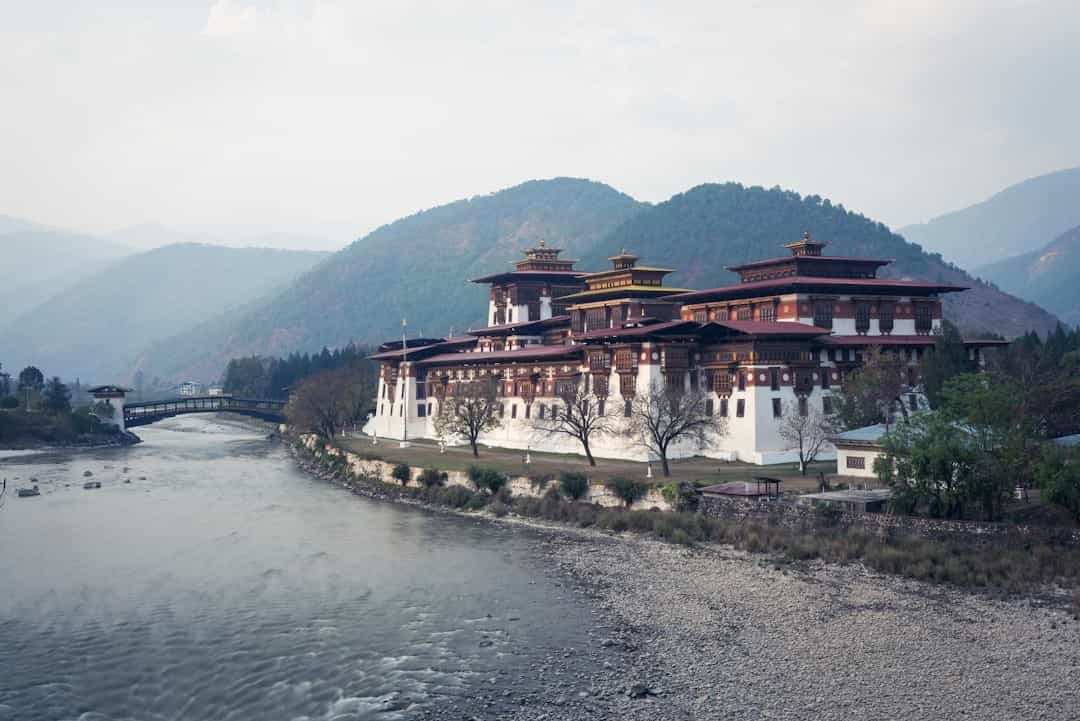
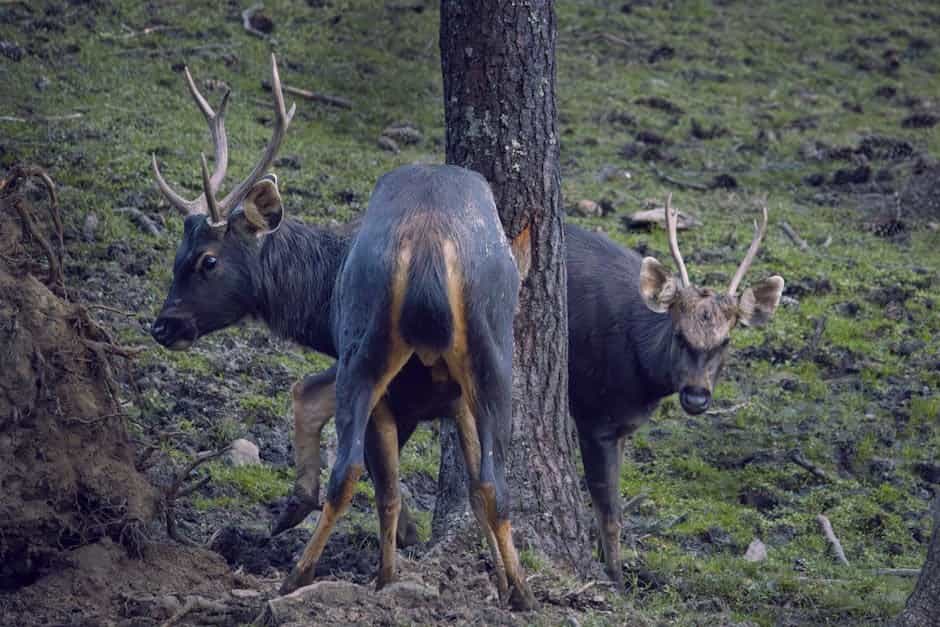
Visit Punakha Dzong (Pungthang Dewachen Phodrang)
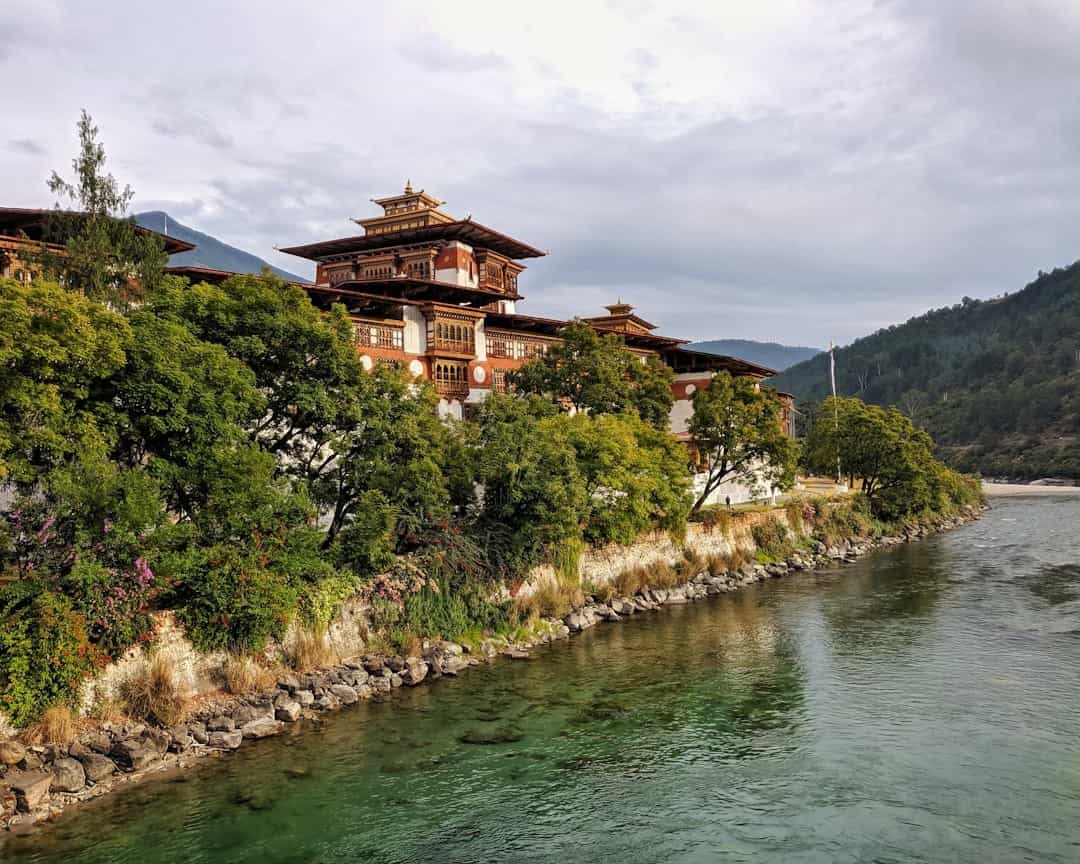
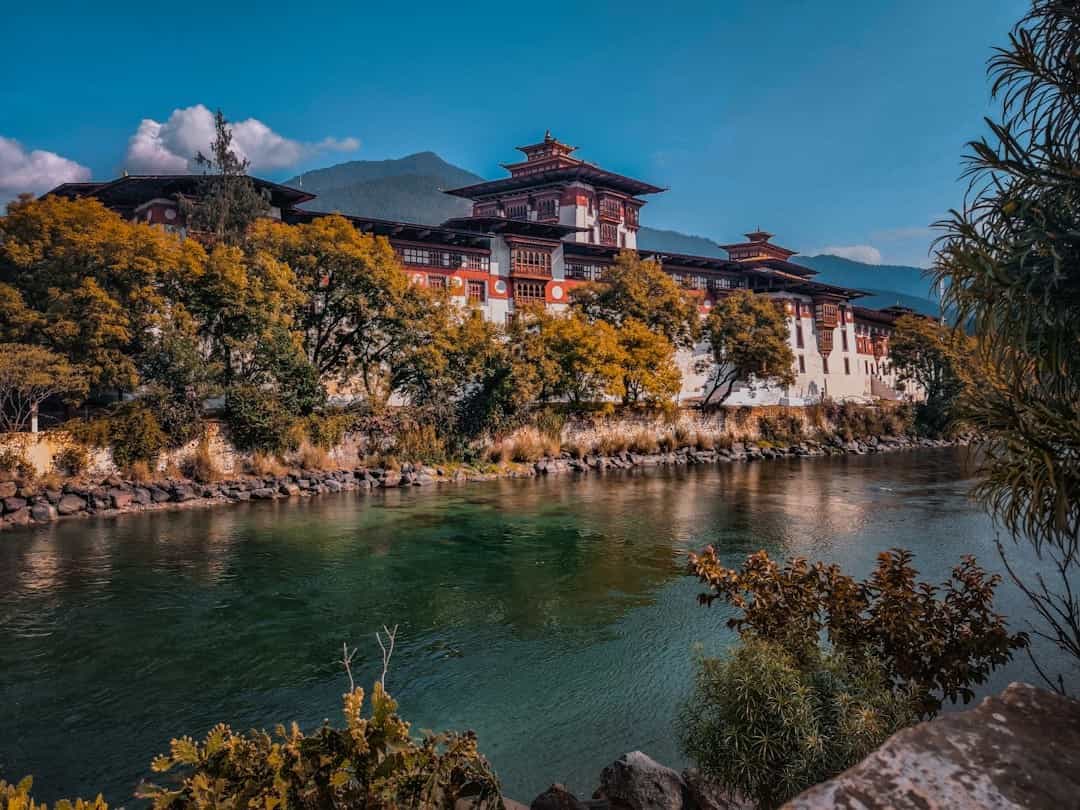
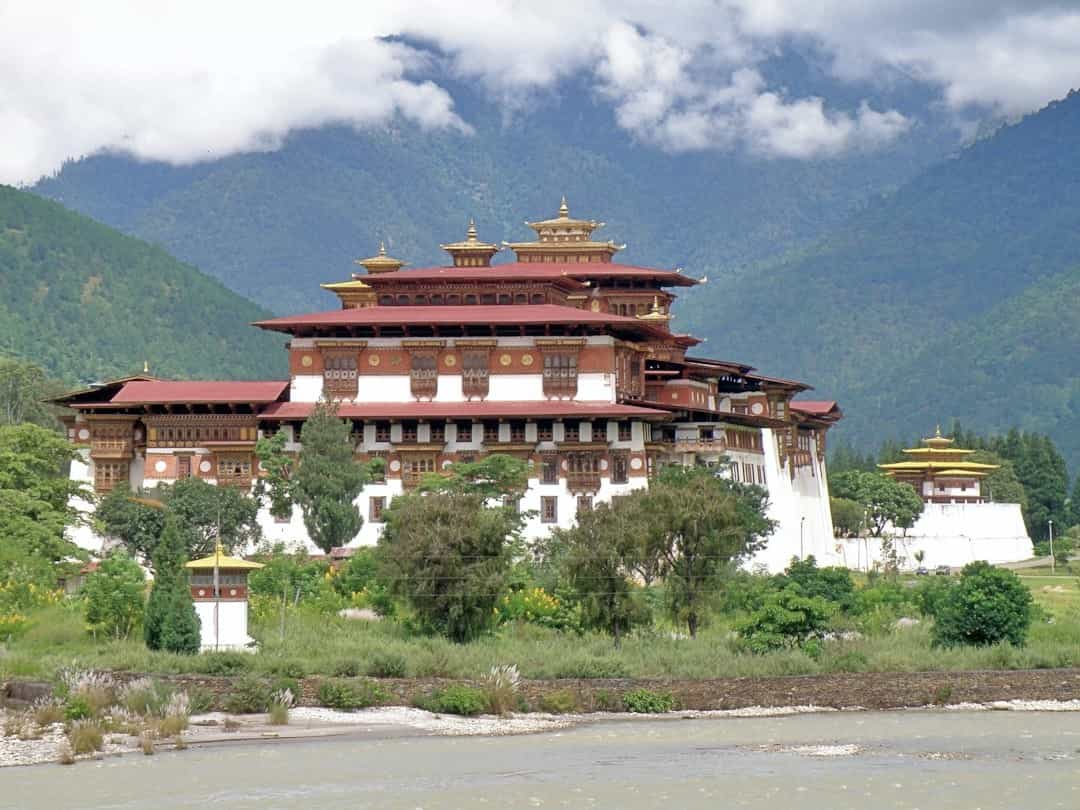
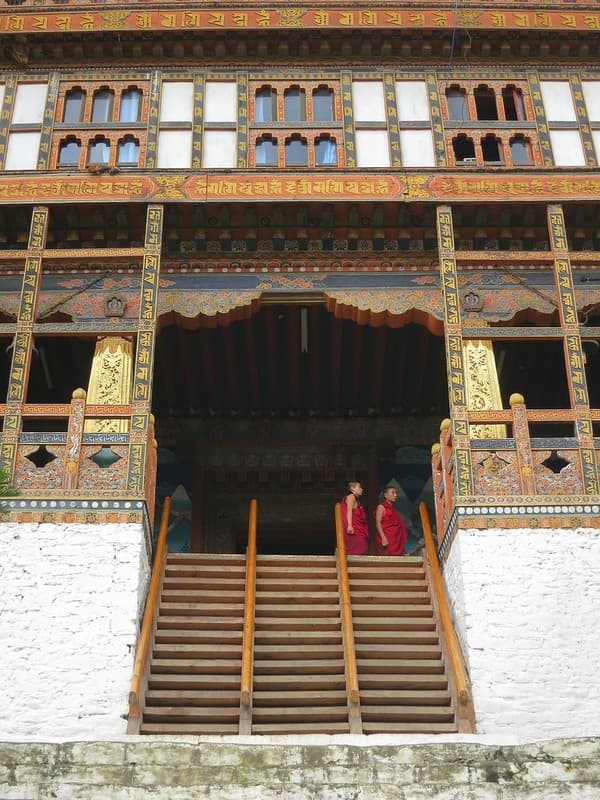
Punakha Dzong (Pungthang Dewachen Phodrang) is one of Bhutan's most iconic and historically significant dzongs — a majestic fortress-monastery located at the confluence of the Pho Chhu and Mo Chhu rivers. Built in 1637–1638 by Zhabdrung Ngawang Namgyal, it served as the administrative centre and is traditionally the winter residence of the central monastic body. The dzong is renowned for its fine Bhutanese timber architecture, exquisite interior chapels and murals, and its role in royal ceremonies such as coronations and weddings.
Location
Punakha Dzong (Pungthang Dewachen Phodrang), Punakha, Bhutan
Duration
1–2 hours for the dzong visit (allow half a day including travel, photo stops, and crossing the suspension bridge)
Best Time to Visit
March–May and September–November (spring and autumn are best for clear skies and rhododendrons). February–April is also lovely for the Punakha Tshechu and warm valley weather; avoid the heavy monsoon months (June–August).
Pricing
No fixed national entrance fee for dzongs is enforced, but visitors are expected to pay a small on-site donation or temple contribution (typically USD 2–10). Guided visits commonly cost around USD 10–30 depending on guide and group size. Important: all international tourists to Bhutan must obtain a visa and book through a licensed tour operator under the country’s Sustainable Development Fee/daily tariff system — factor that into total trip costs.
Activity Type
Coordinates
Highlights
Historic fortress-monastery founded in 1637–38 by Zhabdrung Ngawang Namgyal.
Situated at the dramatic confluence of the Pho Chhu and Mo Chhu rivers — excellent riverside and valley views.
Lavish inner chapels containing ancient statues, thangka paintings and sacred relics; site of royal ceremonies and coronations.
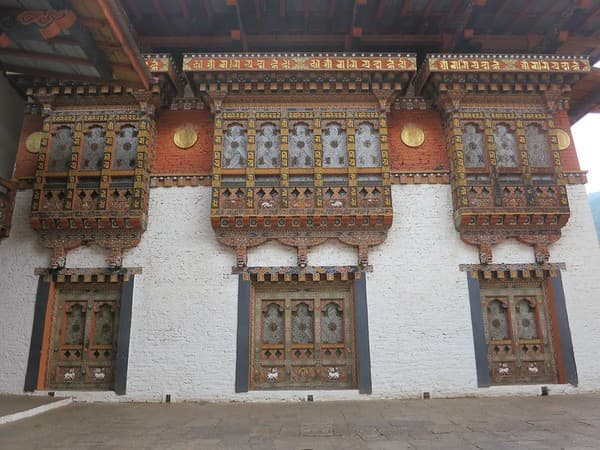
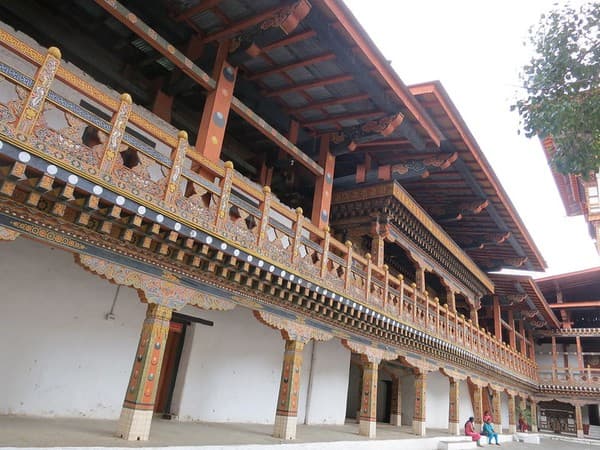
Traditional Bhutanese multi-tiered timber architecture, ornate woodwork and peaceful central courtyards.
Nearby Punakha suspension bridge and riverside walks provide additional scenic viewpoints and photo opportunities.
Itinerary
Approach Punakha Dzong by road; park and walk to the dzong complex.
Allow time for photography of the rivers and the dzong exterior; mornings give softer light and fewer crowds.
Cross the nearby Punakha suspension bridge to view the dzong from the riverbank.
The bridge offers one of the best panoramic photo angles of the dzong and the confluence.
Enter the dzong complex; explore the exterior courtyards, defensive walls and watchtowers.
Observe local monastic activity; be respectful and quiet.
Visit the central utse (tower) and inner chapels housing important statues and relics.
Photography may be restricted inside certain chapels — follow local instructions. Remove shoes where required.
Finish with a riverside viewpoint or short walk along the Mo Chhu bank.
Great spot for final photos; consider a short tea/refreshment stop in Punakha town afterwards.
Safety Requirements
Respect monastic rules: dress modestly (cover shoulders and knees), maintain silence inside prayer halls and avoid flash photography where prohibited.
Remove footwear when required and follow signage/monk guidance inside chapels.
Be cautious on uneven stone steps and narrow passages — not wheelchair accessible due to historic staircases.
Avoid visiting during peak monsoon (June–August) when river levels and local access may be affected; check local conditions if storms are forecast.
Carry any necessary personal medications; nearest major medical facilities are in lower Haa/Thimphu/Punakha towns, but evacuation in serious cases may require transport to Paro or Thimphu.
Tips
Hire a licensed local guide — they explain history, point out restricted/photo-safe areas and negotiate small donations respectfully.
Carry small Bhutanese ngultrum or USD in small denominations for donations and tips.
Wear comfortable shoes with good grip for courtyard stones and stairs (you will remove them inside certain chapels).
Bring sun protection and a light rain layer — valley weather can change quickly, and sun can be strong at midday.
Plan visits early in the day to avoid crowds and for the best light on the dzong façade.
Be mindful that access to certain rooms may be restricted during special ceremonies, monastic events or royal functions — accept alternate viewing respectfully.