Black-Necked Crane Visitor Centre, Bhutan
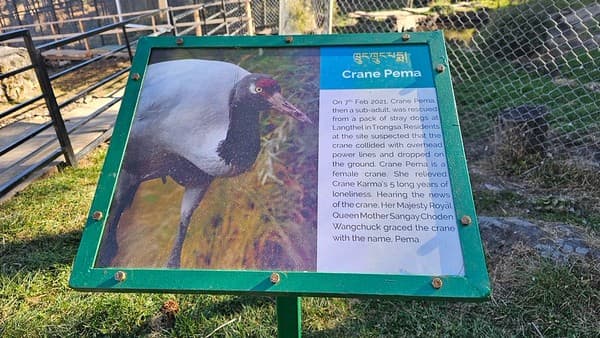
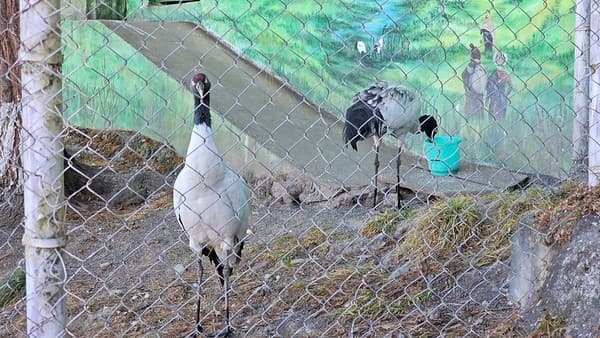
The Black-Necked Crane Visitor Centre in Phobjikha (Gangtey) Valley is a focal point for conservation, education and cultural appreciation of the endangered black-necked crane (Grus nigricollis). The site highlights the cranes' ecological importance as a migratory species that winters in Bhutan's high-altitude wetlands, and the valley's role as a key wintering habitat. Culturally, the cranes are revered by local communities and integrated into spiritual life and local identity — their annual arrival is celebrated and protected by villagers and monastery communities.
Last updated: 22 Jan 2026
Places to visit
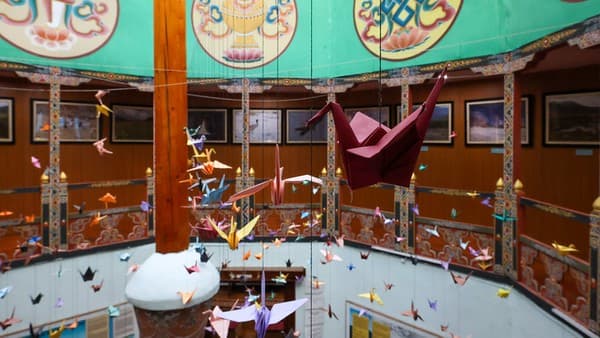
- Interpretive displays and educational exhibits about black-necked cranes and wetland ecology
- Outdoor observation hides and viewing platforms overlooking crane feeding areas
- Guided ranger and birdwatching tours organized from the centre
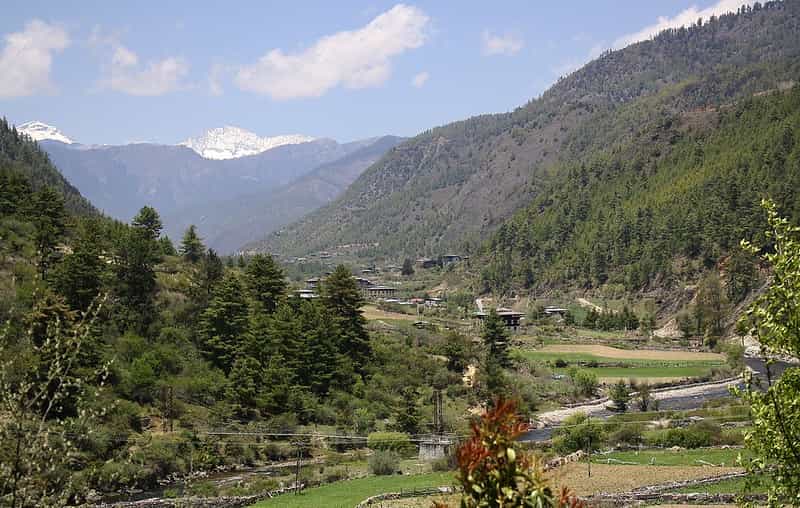
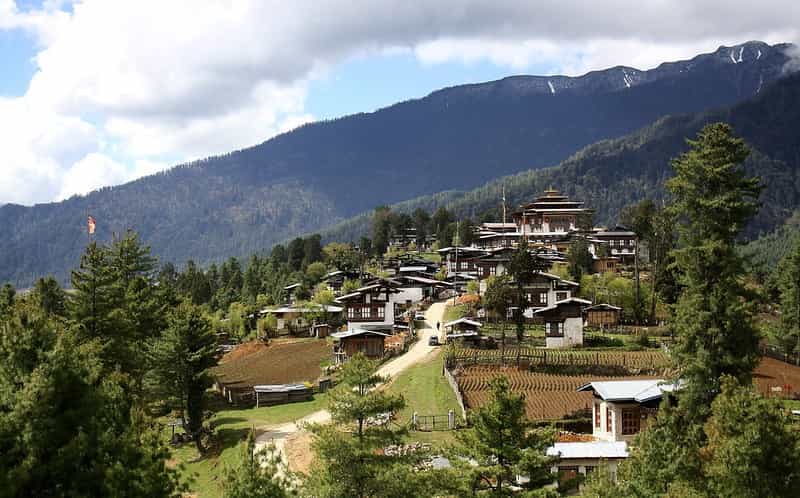
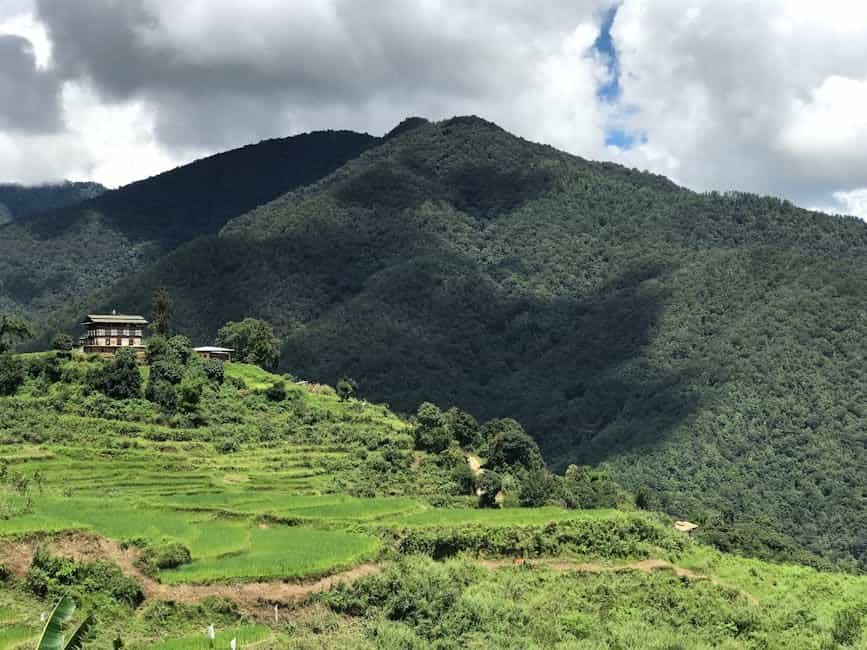
- Scenic views across the Phobjikha (Gangtey) Valley peat bogs and marshlands
- Nearby Gangtey Goenpa (Gangtey Monastery) and traditional village life
Unique Aspects
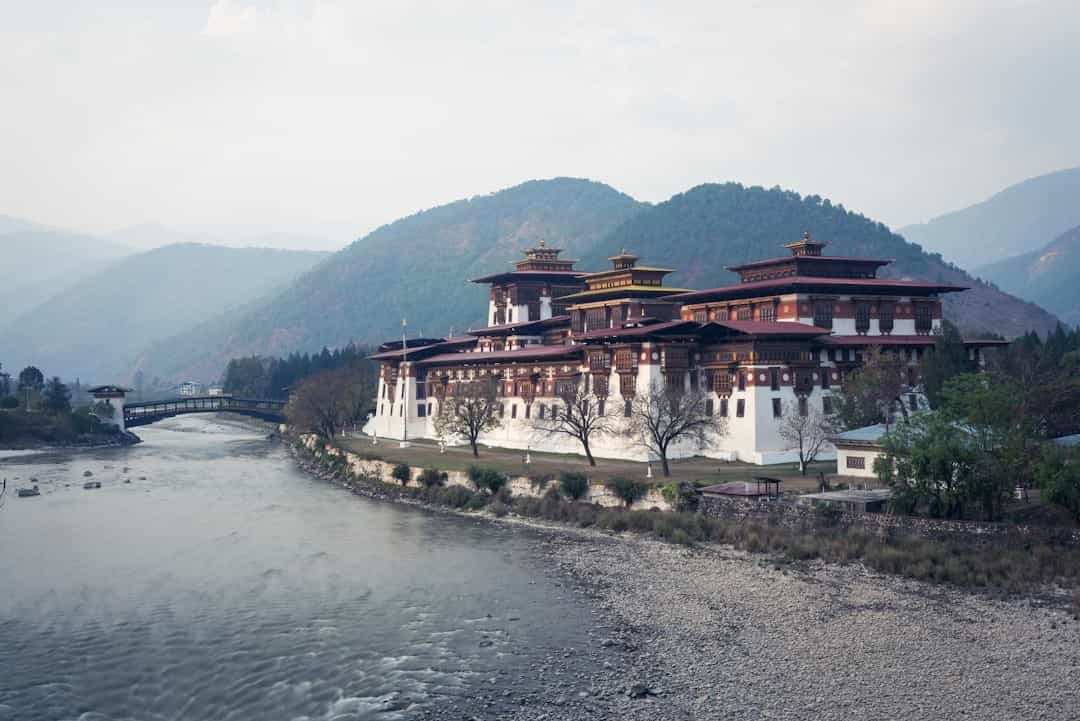
- Traditional Bhutanese-style architecture and signage at the visitor centre
- High-altitude wetland ecosystem (peat bogs) unique in Bhutan
- Seasonal congregations of black-necked cranes — quiet, photogenic flocks at dawn and dusk
- Well-maintained nature trails linking the centre to local viewpoints and farmland
Things to do
- Birdwatching from hides and observation platforms (bring binoculars and a telephoto lens)
- Guided nature walks and interpretive talks with local guides or rangers
- Photography sessions at sunrise and sunset when cranes are most active
- Cultural visits to Gangtey Monastery and interaction with local communities
- Short hikes on marked trails to viewpoints across the valley
Best Time to Visit
Best time: Late October to February (peak wintering period for the cranes). For green valley scenery and wildflowers, visit in summer (June–September) but cranes will be absent then.
Weather Conditions
High-altitude climate (valley elevation ~2,900 m). Winter: cold with frost and occasional snow, daytime temperatures often around 0–10°C; Summer: cool and wet with daytime temps typically 10–20°C. Bring warm layers year-round.
Entry Fees & Permits
Typical visitor-centre opening hours are around 09:00–17:00 but may vary seasonally — check locally. The centre or local conservation authorities may request a small conservation fee or donation for upkeep and guided viewing; international tourists already pay Bhutan's national Sustainable Development Fee through their tour operator. Important: verify current fees and opening times with local tourism operators or the Gangtey visitor centre before travel.
Accessibility
Phobjikha (Gangtey) Valley is accessible by road. Typical driving times: Thimphu → Phobjikha: ~3–4 hours; Paro → Phobjikha: ~3–5 hours depending on road conditions and traffic. Nearest airport: Paro International Airport. Roads are mountainous and can be affected by winter snow — use a local driver/guide and allow extra travel time. Limited public transport; private taxi or tour vehicle is recommended.
Recommended Duration
Plan half a day to a full day at the visitor centre to use hides and take a short walk; allocate 1–2 days in Phobjikha to enjoy birdwatching, Gangtey Monastery, and the valley atmosphere.
Clothing & Gear Tips
Warm layered clothing, insulated jacket, hat and gloves for winter; waterproof outer layer for rainy season; sturdy walking shoes or boots. Bring binoculars, a telephoto lens, and a tripod if you plan serious photography. Carry water and snacks; mobile signal may be weak.
Local Food & Souvenirs
Try local dishes such as ema datshi, buckwheat pancakes (khuley), local cheeses and butter tea. Souvenirs include woven woollen garments, prayer flags, handcrafted items from local artisans, and postcards or prints depicting cranes and valley scenes.