Bumdeling Wildlife Sanctuary, Bhutan
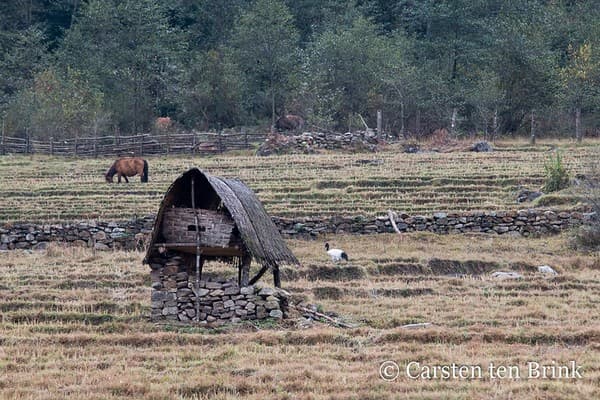
Bumdeling Wildlife Sanctuary (northeastern Bhutan) is a major protected area combining high-altitude wetlands, alpine meadows and temperate forests. It is an internationally significant natural habitat and one of Bhutan's key conservation areas, known especially as a wintering ground for the rare black‑necked crane. The sanctuary also supports a mosaic of Himalayan wildlife and sustains traditional rural communities whose livelihoods and cultural practices are closely linked to the landscape.
Last updated: 22 Jan 2026
Places to visit
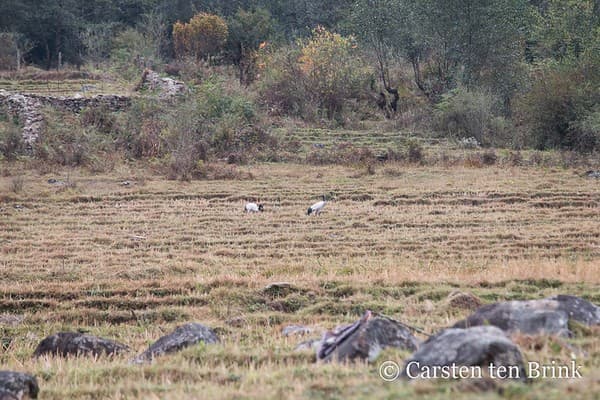
- Wintering wetlands and crane‑watching areas (black‑necked crane viewing)
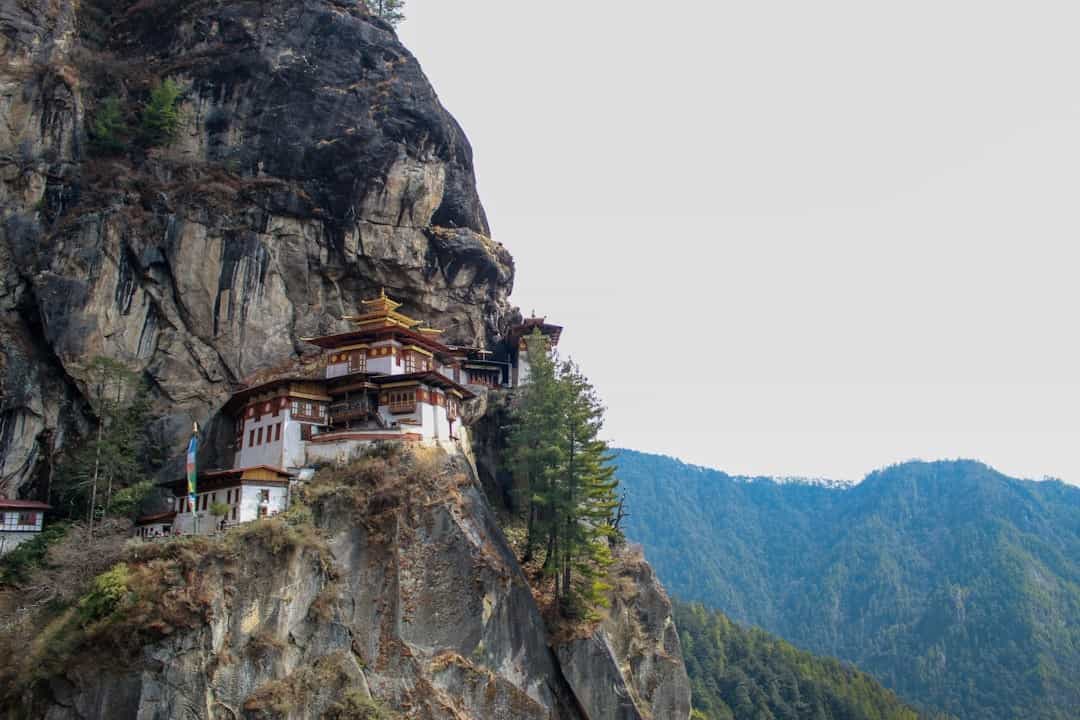
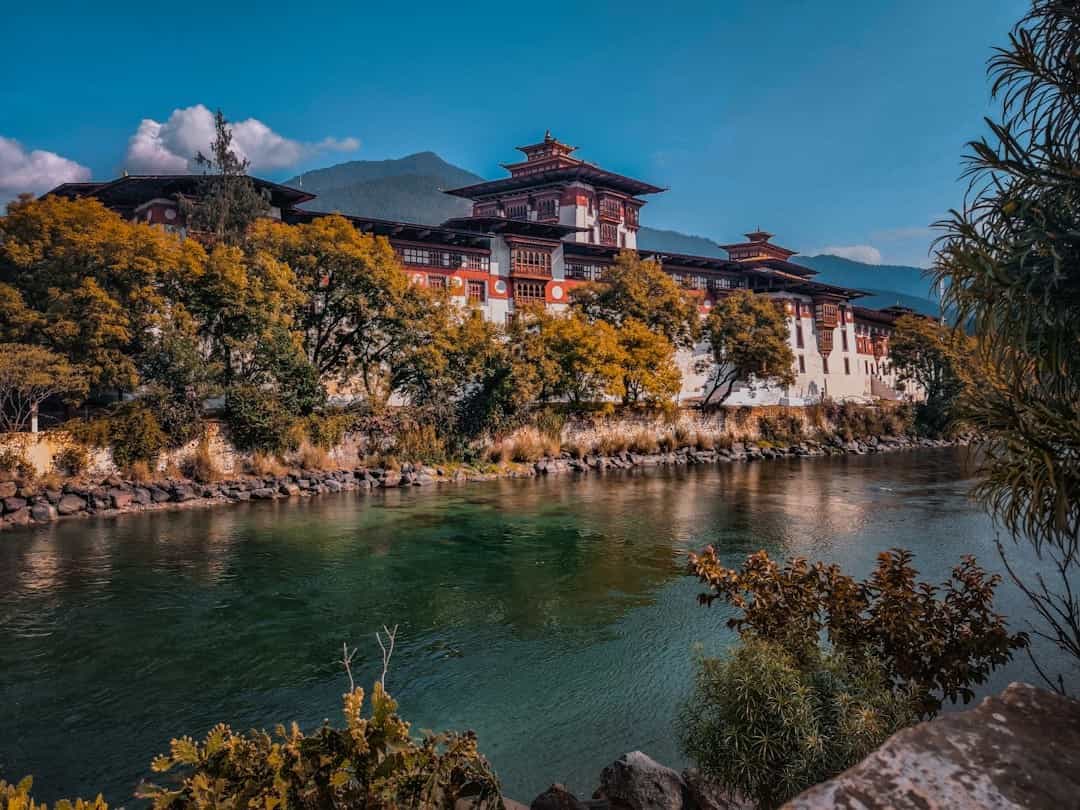
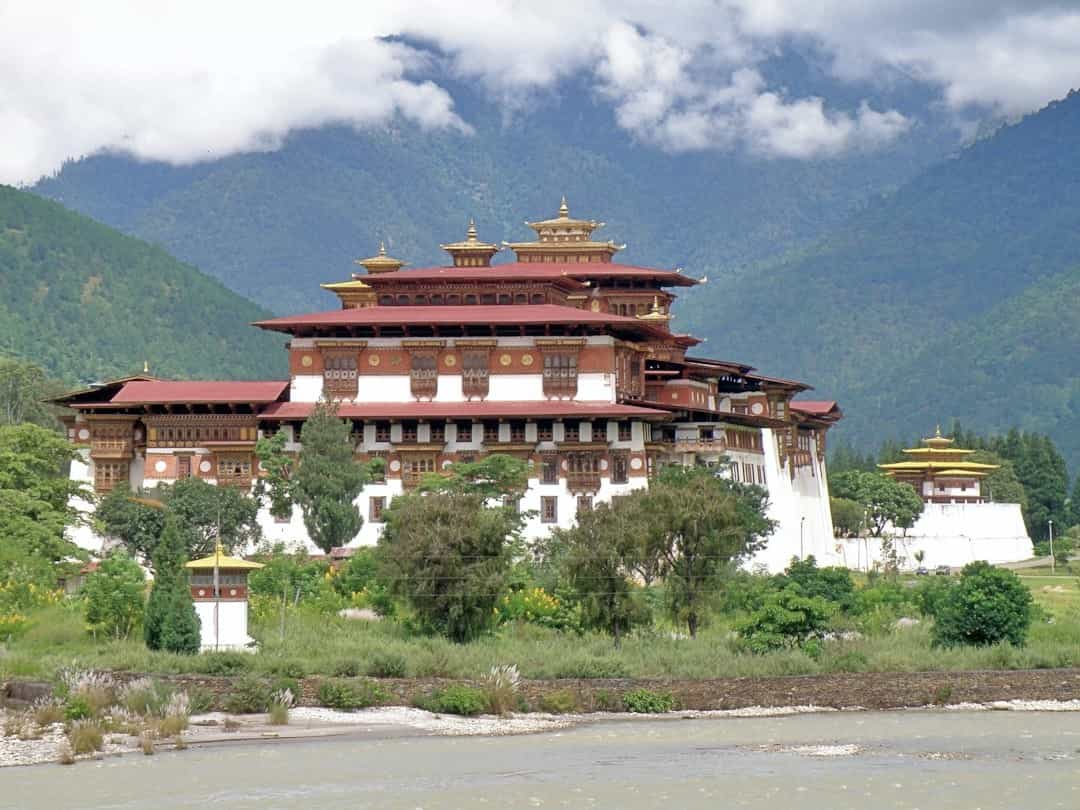
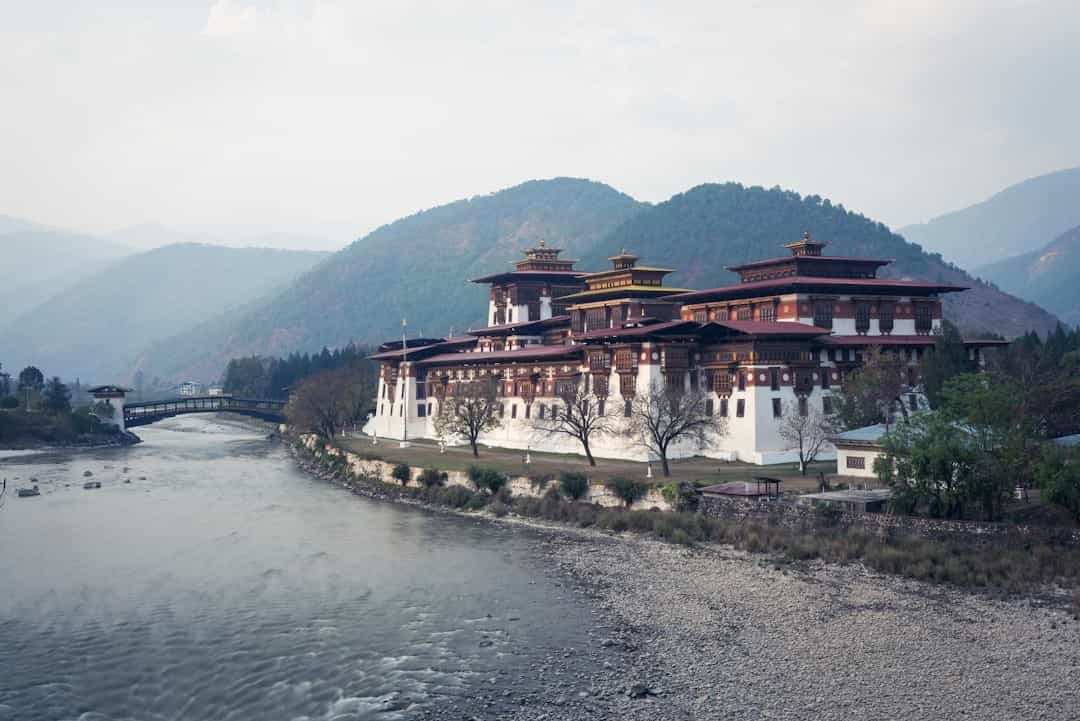
- Bumdeling Monastery and nearby religious sites
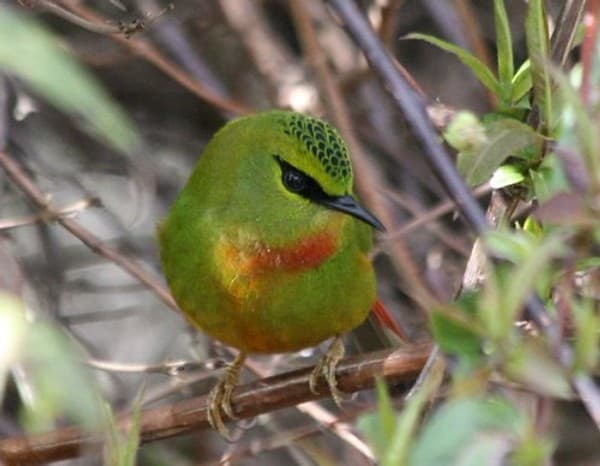
- Birdwatching and wildlife viewing across diverse habitats
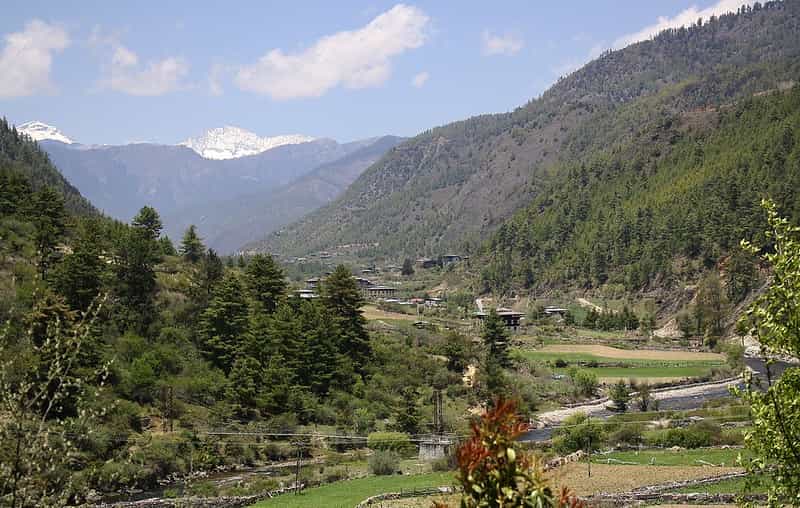
- Alpine meadows and panoramic Himalayan scenery
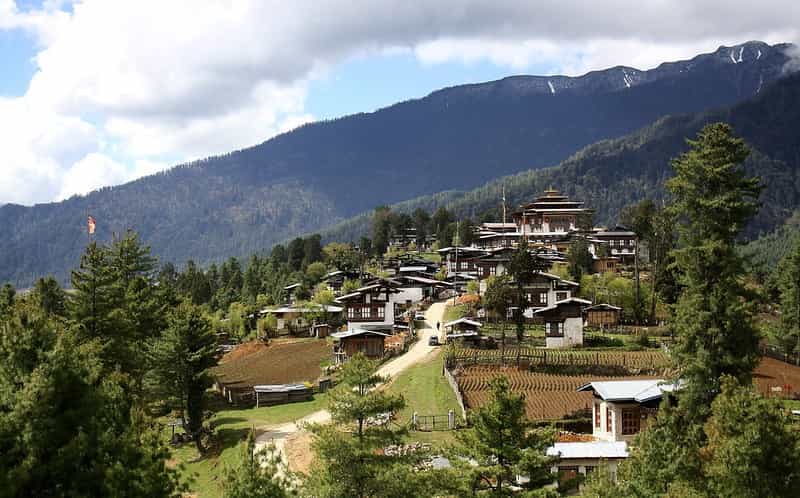
- Traditional villages and opportunities for homestays
Unique Aspects
- High‑altitude wetlands that support the black‑necked crane
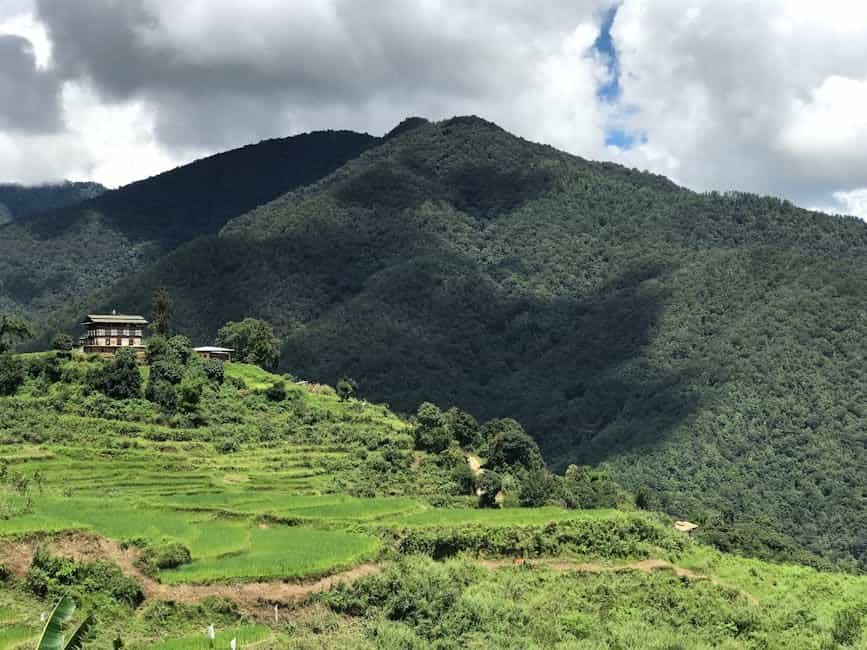
- Mixture of temperate broadleaf, conifer forests and alpine zones
- Seasonal wildflowers and open meadows for photography
- Cultural landscape of small farming communities and monastic centers
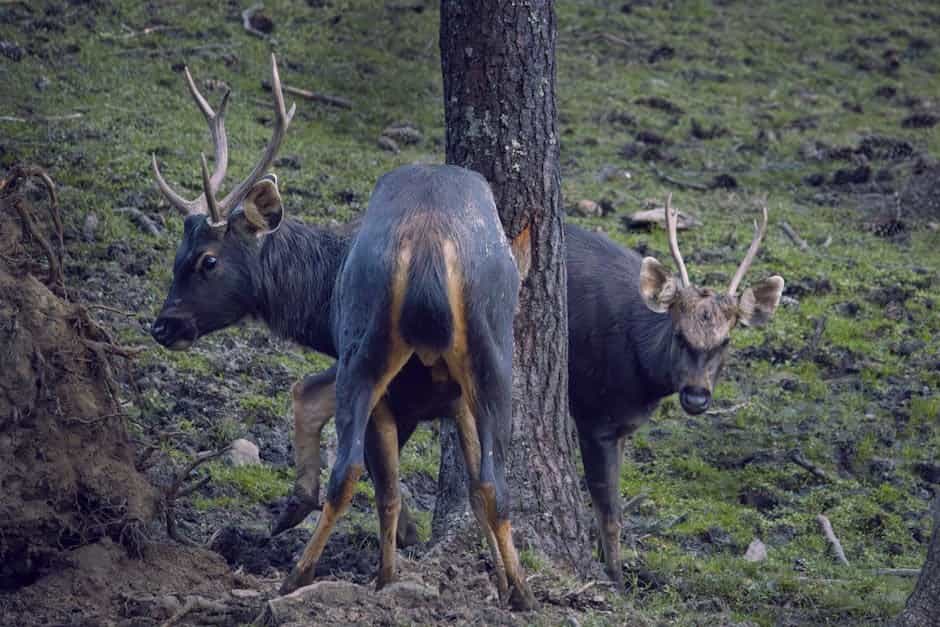
- Potential sightings of rare Himalayan species (e.g., red panda, musk deer, snow leopard in higher/remote zones)
Things to do
- Birdwatching (especially during crane season)
- Guided nature walks and short treks
- Cultural visits to Bumdeling Monastery and village homestays
- Wildlife photography and landscape photography
- Participating in local crane‑related ceremonies and conservation outreach
Best Time to Visit
November–February for black‑necked crane viewing; March–May and September–November for trekking, milder weather and wildflowers. Monsoon months (June–August) bring heavier rain and reduced visibility.
Weather Conditions
Variable mountain climate: cool to cold at higher elevations, with cold winters and snow possible; summer monsoon rains (June–August); clear, dry conditions in autumn and spring.
Accessibility
Bumdeling is in northeastern Bhutan and is accessed primarily by road. The nearest major international gateway is Paro (via Thimphu); domestic flights or road travel to eastern hubs (e.g., Trashigang, Trashiyangtse, or nearby domestic airstrips) plus further road transfer are typical. Mountain roads can be narrow and rough—4WD vehicles recommended and travel times are long; winter conditions may affect access.
Recommended Duration
2–4 days for crane watching and cultural visits; 4–10+ days if combining longer treks or exploring remote parts of the sanctuary.
Clothing & Gear Tips
Warm layered clothing (insulating mid‑layers and windproof outer layer), waterproof jacket, sturdy hiking boots, hat and gloves for cold mornings/evenings, binoculars, camera with telephoto lens, sunscreen, basic first‑aid and altitude‑awareness medication if required.
Local Food & Souvenirs
Try Bhutanese specialties such as ema datshi, red rice and local yak or mountain dairy products; pick up handmade textiles (weavings), yak‑wool garments, prayer flags and local honey as souvenirs. Respect local customs when photographing people or religious sites.