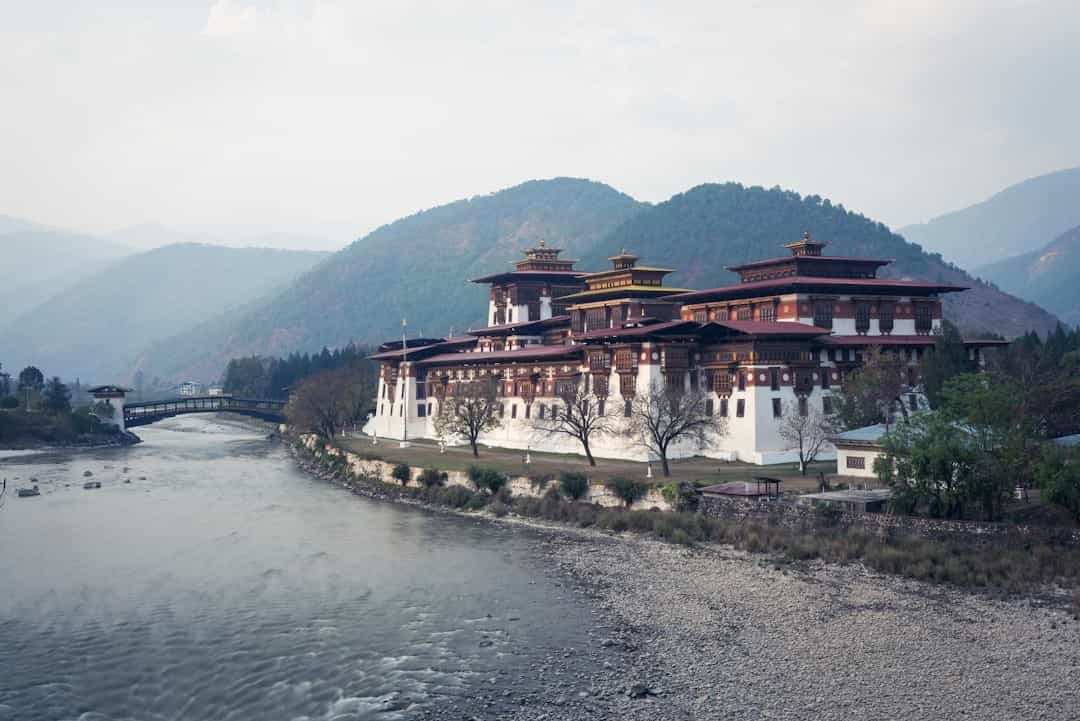
Chele La Pass, Bhutan
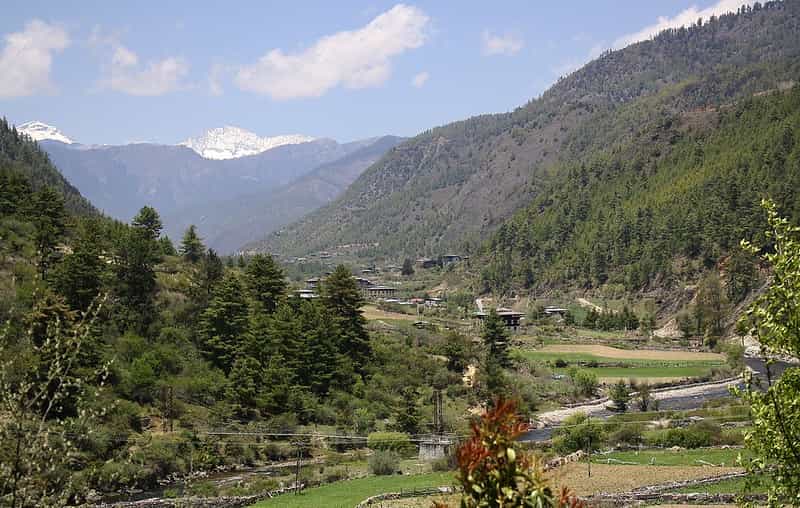
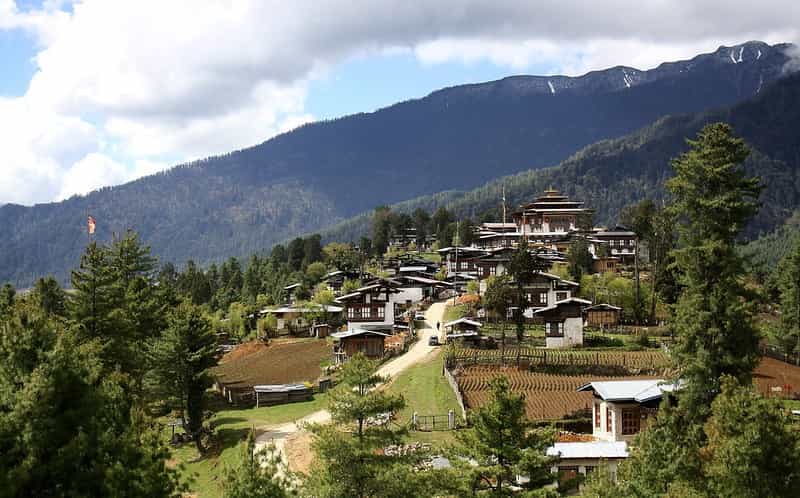
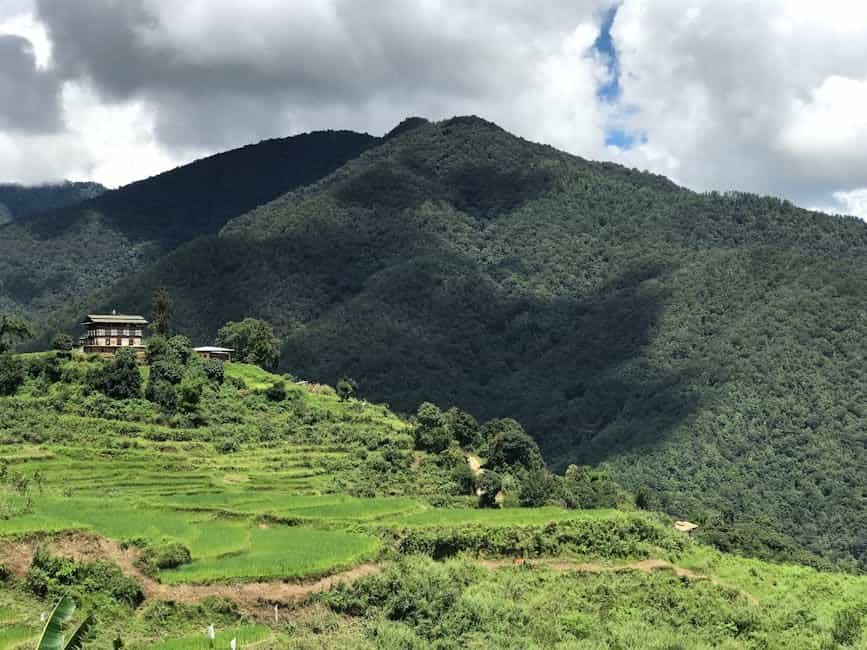
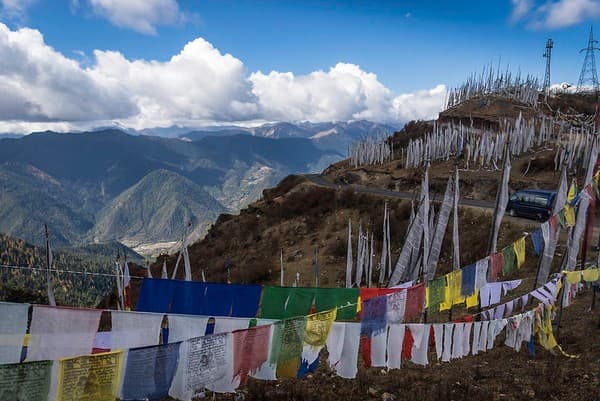
Chele La Pass (approx. 3,988 m / 13,080 ft) is one of Bhutan's highest motorable passes and is valued primarily for its striking natural importance. It forms a scenic high-altitude corridor between the Paro and Haa valleys and is prized for panoramic Himalayan views, extensive rhododendron forests, alpine meadows and rich birdlife. The pass is a highlight for nature lovers and photographers exploring western Bhutan and offers a dramatic change of landscape between the valleys.
Last updated: 22 Jan 2026
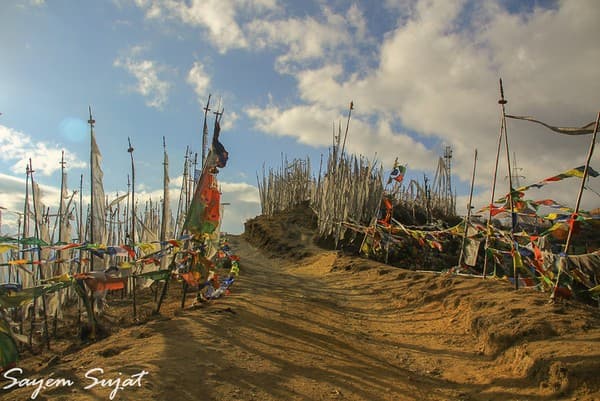
Places to visit
- Panoramic Himalayan views on clear days (snow-capped peaks visible toward the northern ranges)
- Rhododendron forests and high-altitude wildflower meadows (spectacular in spring)
- Birdwatching — opportunities to see high-altitude species and pheasants
- Photo vantage points and short nature walks from the roadside
- Scenic drive between Paro and Haa across traditional mountain scenery
Unique Aspects
- One of Bhutan's highest motorable passes (approximately 3,988 m / 13,080 ft)
- Seasonal displays of alpine flowers and rhododendrons (best in spring)
- Wide, sweeping views of valleys and distant peaks; often a snowline and small drifts in colder months
- Relatively undeveloped—minimal tourist infrastructure, lending a remote, pristine feel
Things to do
- Scenic driving on a mountain road (best with an experienced local driver / 4x4)
- Short hikes and nature walks around the pass area (watch for altitude)
- Photography of landscapes, flora and birdlife
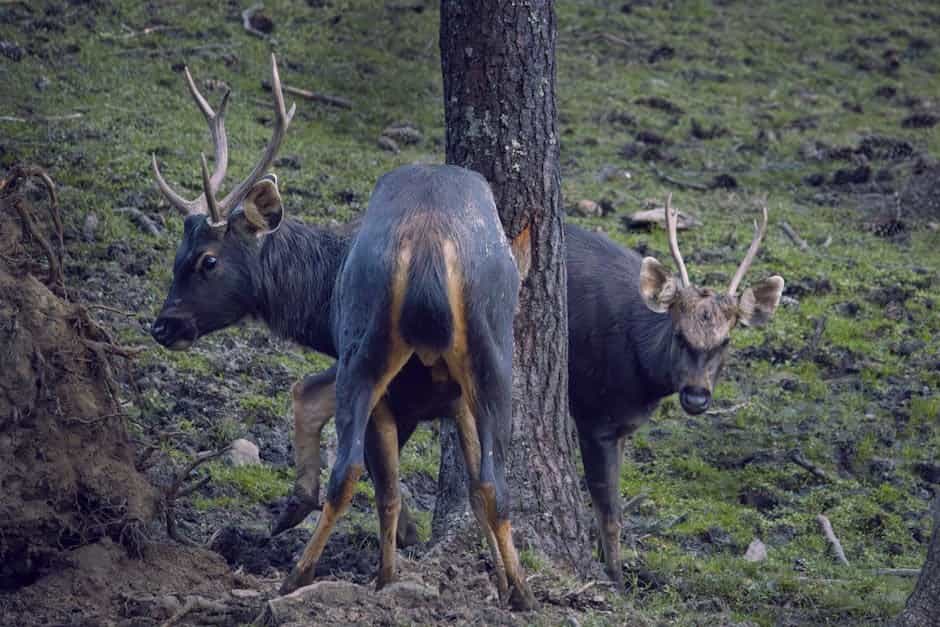
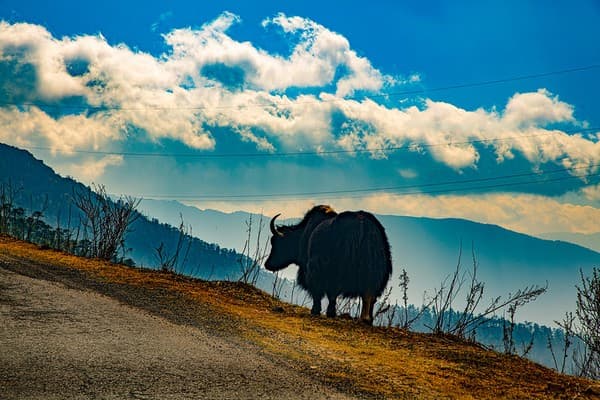
- Birdwatching (bring binoculars) and simple wildlife spotting
- Picnics and short rest stops to take in the views
Best Time to Visit
Spring (March–May) for rhododendron blossoms and wildflowers; Autumn (September–November) for clearer skies and stable weather. Winter offers snow scenery but can be extremely cold and roads may be icy or temporarily restricted. Monsoon months (June–August) bring rain and reduced visibility.
Weather Conditions
High-altitude mountain climate: cool to cold year-round. Daytime can be brisk; nights often below freezing at the summit. Weather changes rapidly—sun, wind, fog or snow can arrive with little notice.
Entry Fees & Permits
There is no separate entry fee for Chele La, but visitors must comply with Bhutan's national entry regulations: most foreign tourists require a visa and must travel on a pre-arranged itinerary with a licensed tour operator under Bhutan's tourism policy. The pass itself is publicly accessible when the road is open; there are no official opening hours but seasonal closures or temporary restrictions can occur.
Accessibility
Accessible by road from Paro and Haa—usually reached as a day trip from Paro. The road is steep and winding; a high-clearance or 4x4 vehicle and an experienced local driver are strongly recommended. Mobile coverage is limited and roadside facilities are minimal, so plan accordingly. Nearest international airport: Paro International Airport (travel to the pass typically requires at least a 1–2 hour drive depending on conditions).
Recommended Duration
A half-day to full-day visit if combined with Paro or Haa sightseeing. Allow extra time for stops, photography and slow mountain driving.
Clothing & Gear Tips
Layered clothing, warm insulated jacket, windproof outer layer, hat and gloves. Sturdy walking shoes or boots, sunglasses, sunscreen and a basic first-aid kit. Bring water and snacks—there are limited services at the pass.
Local Food & Souvenirs
Combine a trip to Chele La with meals in Paro or Haa to try local Bhutanese specialties (e.g., ema datshi, buckwheat dishes, red rice). Souvenirs are best purchased in towns like Paro or Haa—look for handwoven textiles, local handicrafts and traditional Bhutanese goods. Support licensed local guides and vendors.