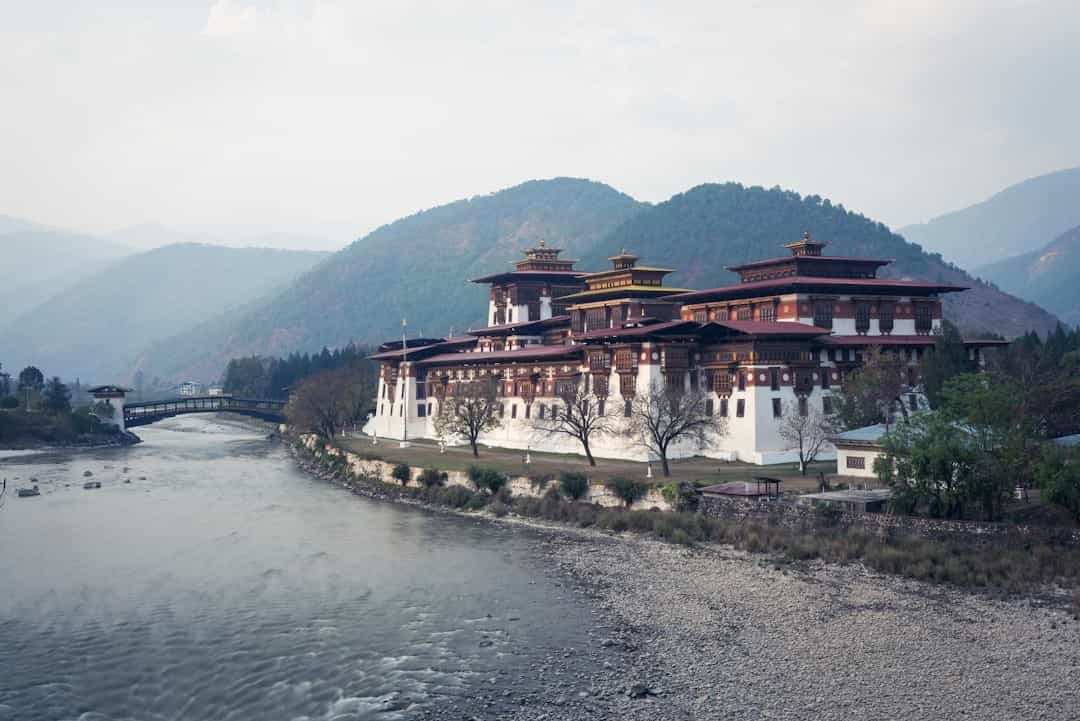
Cheri (Chagri) Monastery, Bhutan
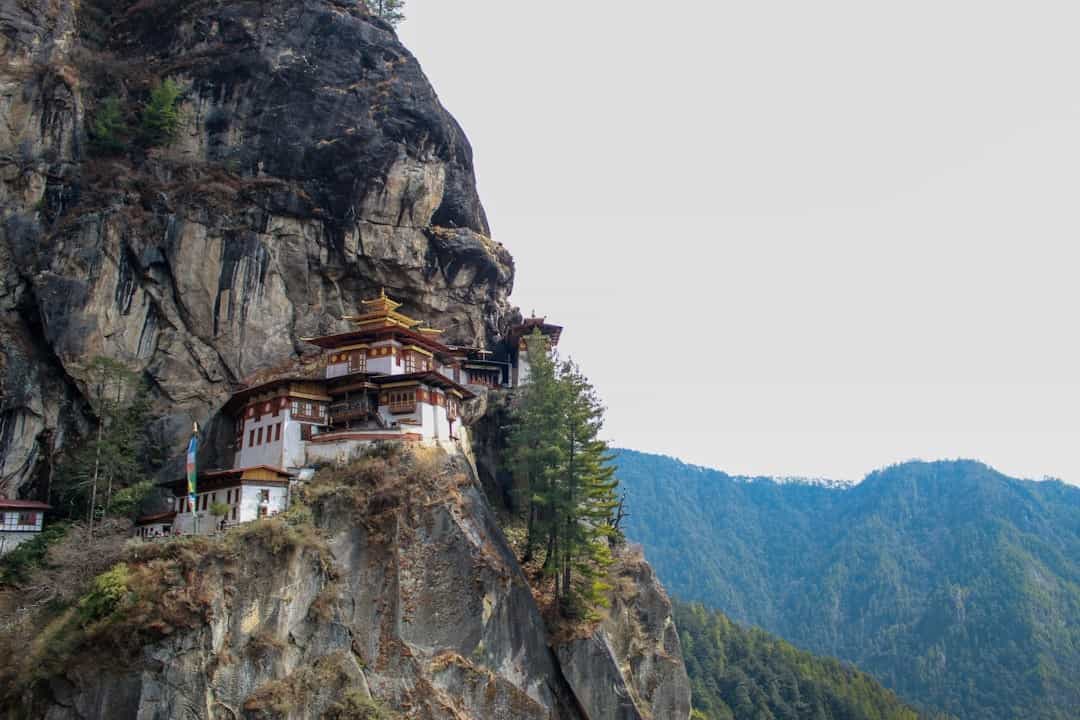
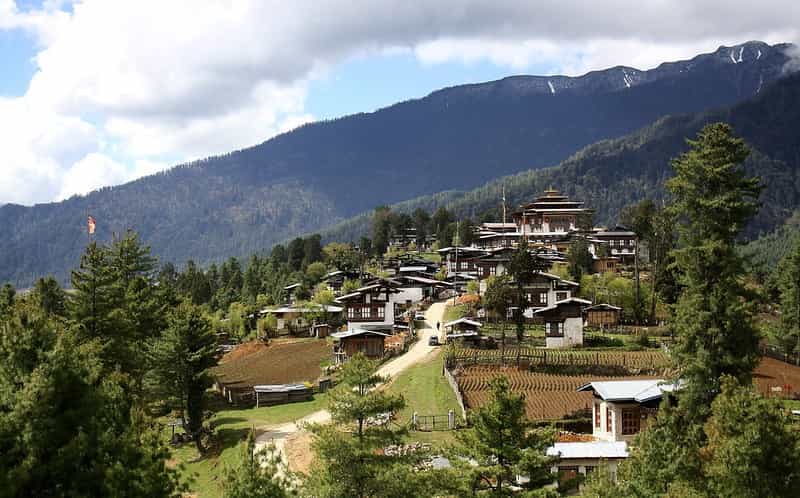
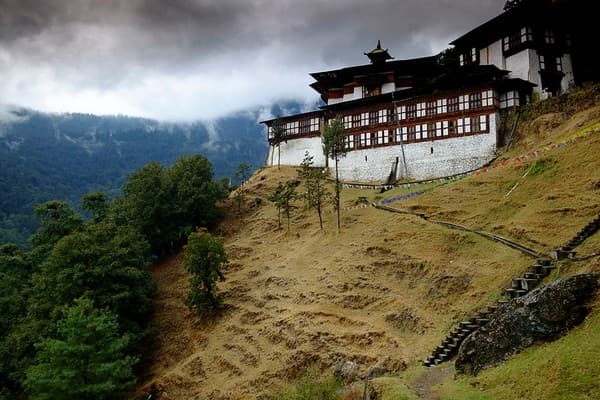
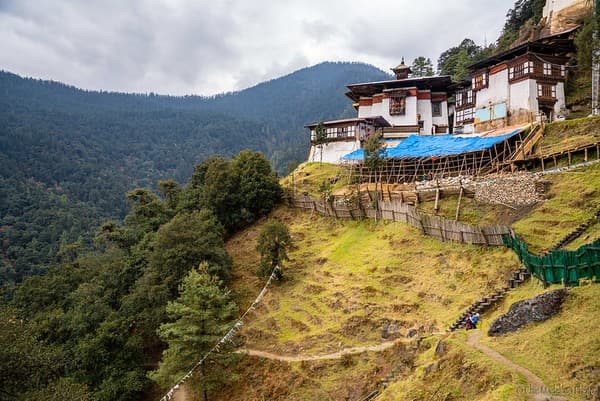
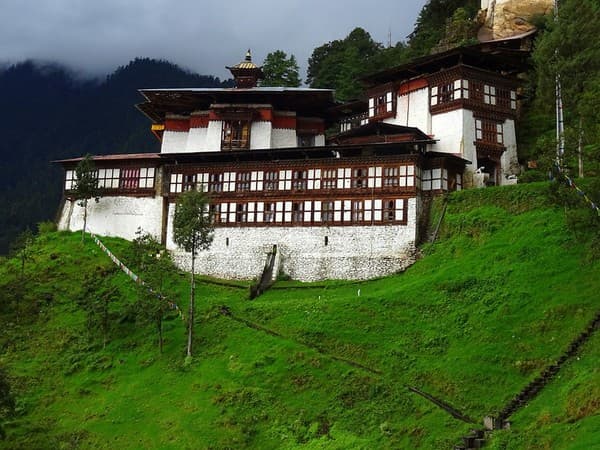
Cheri (Chagri) Monastery, also known as Chagri Dorjeden, is one of Bhutan's most historically significant religious sites. Founded in 1620 by Zhabdrung Ngawang Namgyal (the unifier of Bhutan and the founder of the Bhutanese state), it was the first monastery established by him in Bhutan and became an early center for meditation, monastic training, and the consolidation of the Drukpa Kagyu tradition. The site has played a central role in the development of Bhutan's monastic system and spiritual identity. Nestled on a wooded ridge above the Thimphu valley, Cheri also offers notable natural scenery and a tranquil environment favored for retreats.
Last updated: 22 Jan 2026
Historic Anecdotes
Local tradition holds that Zhabdrung meditated in the caves around Cheri and subdued local spirits or obstacles, converting the area into a blessed religious center. There are legends about his powerful retreats here and miraculous signs associated with his practice. The monastery is often associated with early tales of Bhutan's spiritual foundation and the victories of the Drukpa Kagyu lineage over hostile forces and local deities, many of which are commemorated in oral histories and monastery lore.
Places to visit
- The main lhakhang (temple) and assembly hall with traditional Bhutanese frescoes and statues
- Meditation caves and hermitages used by Zhabdrung and successive lamas
- Ancient relics, thangkas and ritual objects associated with the monastery's founding
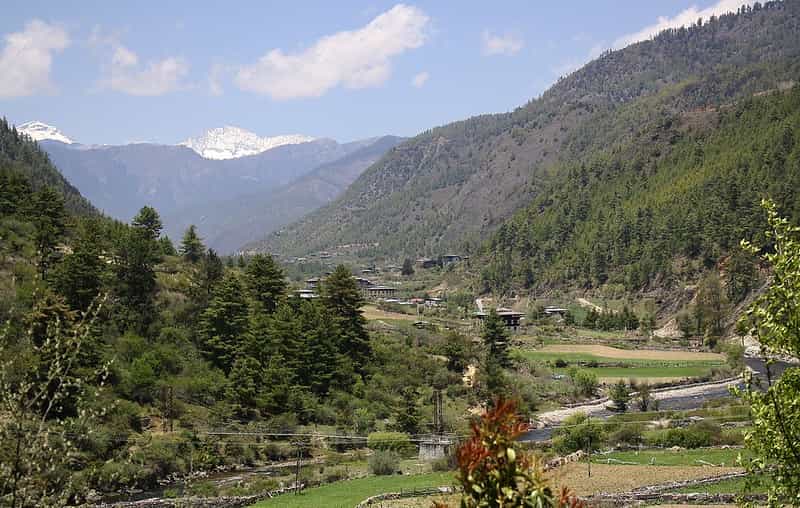
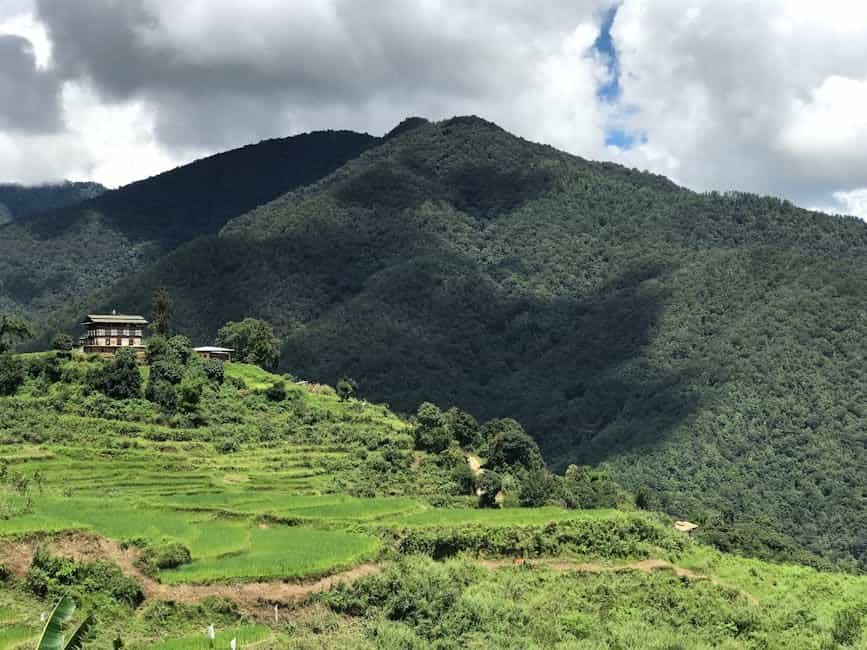
- Views over the Thimphu valley and surrounding pine and oak forests
Unique Aspects
- Perched ridge setting giving a secluded, retreat-like atmosphere
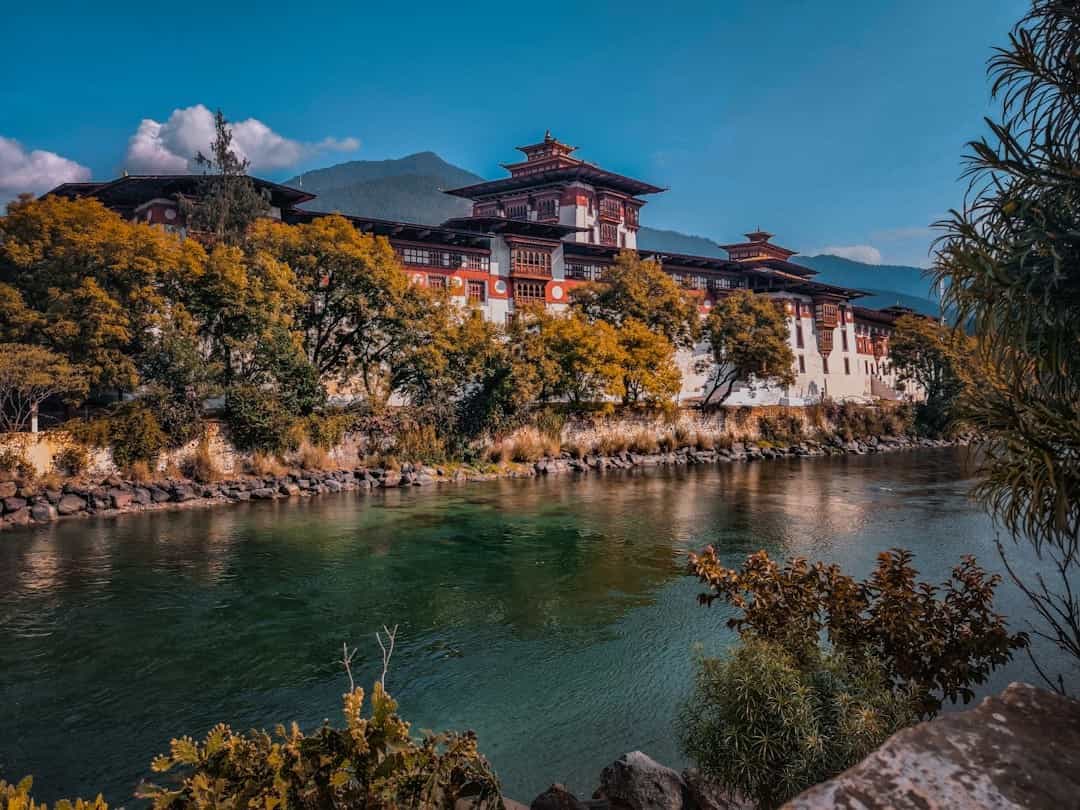
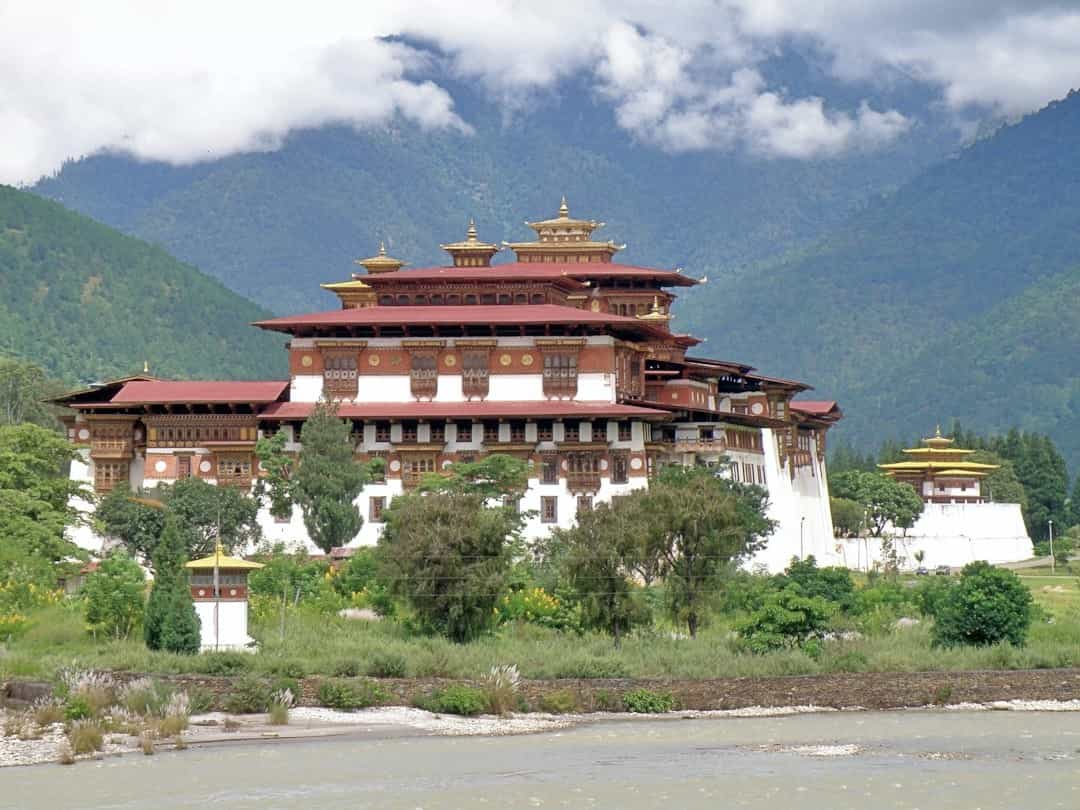
- Classic Bhutanese monastic architecture with painted woodwork and intricate murals
- Secluded walking trails and meditation niches among rhododendron and pine
- A living monastic community maintaining traditional rituals and practice
Things to do
- Guided visit to the monastery compound and lhakhang (respectful dress required)
- Short hikes to nearby meditation caves and viewpoints
- Observing or participating in pujas/rituals when allowed (ask in advance)
- Photography of exteriors and landscape (interior photography often restricted)
- Quiet reflection or meditation in the serene surroundings
Festivals & Events
- No major public tsechu associated directly with Cheri; the site holds smaller ritual pujas and anniversary observances tied to the monastery calendar
- Occasional retreats and special ceremonies led by resident lamas (usually by invitation or with prior arrangement)
Best Time to Visit
Spring (March–May) and Autumn (September–November) for clear skies, comfortable temperatures and flowering rhododendrons. Avoid the monsoon (June–August) for heavy rain and slippery trails.
Weather Conditions
Mountain-temperate climate: cool mornings and evenings, mild daytime temperatures in spring/autumn. Summer monsoon brings rain and winter (Dec–Feb) can be cold with frosts at higher elevations.
Entry Fees & Permits
No formal entry fee in most cases; voluntary donations to the monastery are appreciated. There are no strict public opening hours — visits are usually arranged via local guides or hotels. Important: interior access and photography are restricted; always ask permission and follow monastery rules.
Accessibility
Located above the Thimphu valley, Cheri is commonly visited on a half-day or day trip from Thimphu. Access involves a drive from Thimphu to a trailhead (road conditions can vary; 4WD may be helpful in wet weather) followed by a 30–90 minute uphill walk depending on the chosen approach. Nearest major airport: Paro International Airport (drive to Thimphu ~1–1.5 hours). There is no rail service; travel by road is standard.
Recommended Duration
Plan 2–4 hours for a visit (including travel to the trailhead, the walk up, time at the monastery, and return). If combining with other nearby sites or a longer hike, allow a full day.
Clothing & Gear Tips
Wear modest clothing covering shoulders and knees for temple visits. Bring sturdy hiking shoes, warm layers, a waterproof jacket in rainy season, sun protection, and a small daypack. Respectful behavior and quiet are expected inside the compound.
Local Food & Souvenirs
Sample Bhutanese classics in Thimphu such as ema datshi (chili-and-cheese stew), red rice and butter tea (suja). Souvenirs: thangka paintings, handwoven textiles (kira, gho fabrics), prayer flags and small ritual items available in Thimphu markets.