Chimi Lhakhang, Bhutan
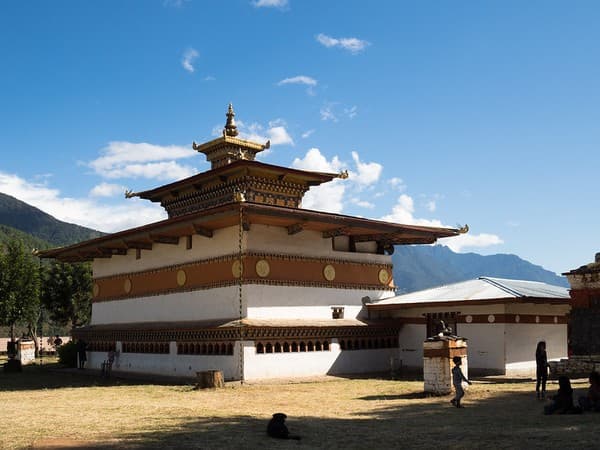
Chimi Lhakhang (the Fertility Temple) is a 15th-century chapel associated with the Tibetan Buddhist saint and eccentric yogi Drukpa Kunley (the 'Divine Madman'). It is an important cultural and religious site in the Punakha Valley, visited for blessings of fertility, health and protection. The temple exemplifies Bhutanese folk-religion practices combined with Buddhist rituals and draws pilgrims and tourists interested in local customs.
Last updated: 22 Jan 2026
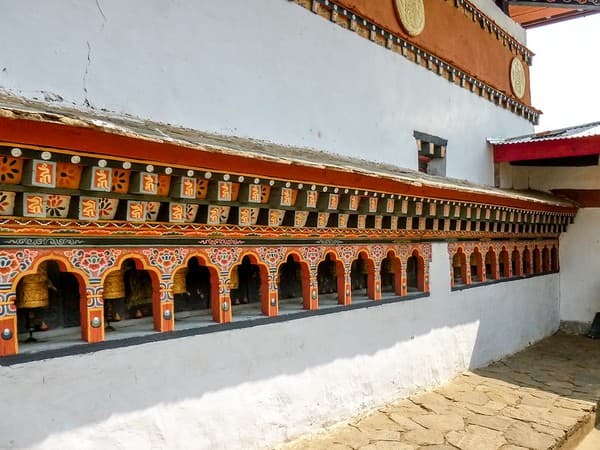
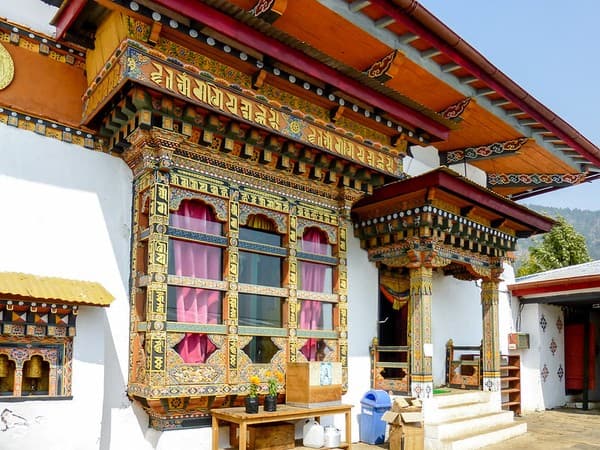
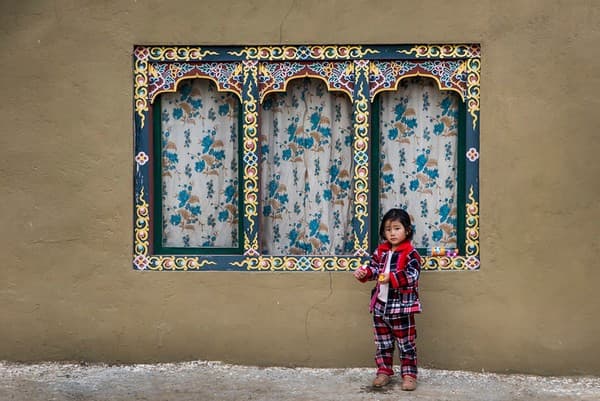
Historic Anecdotes
According to local legend, Drukpa Kunley subdued a demoness living in the valley and converted her to Buddhism. The site is also linked to many fertility stories: childless couples travel to receive a blessing said to aid conception. The temple is famous for phallic paintings and wooden phalluses used as symbols to drive away evil and promote fertility; these motifs reflect Kunley’s unorthodox methods of teaching and blessing.
Places to visit
- The main temple (Chimi Lhakhang) with its shrine room and sacred relics
- Exterior walls decorated with painted phalli and fertility motifs
- The small courtyard and surrounding prayer flags
- The simple stone memorial and small stupas nearby
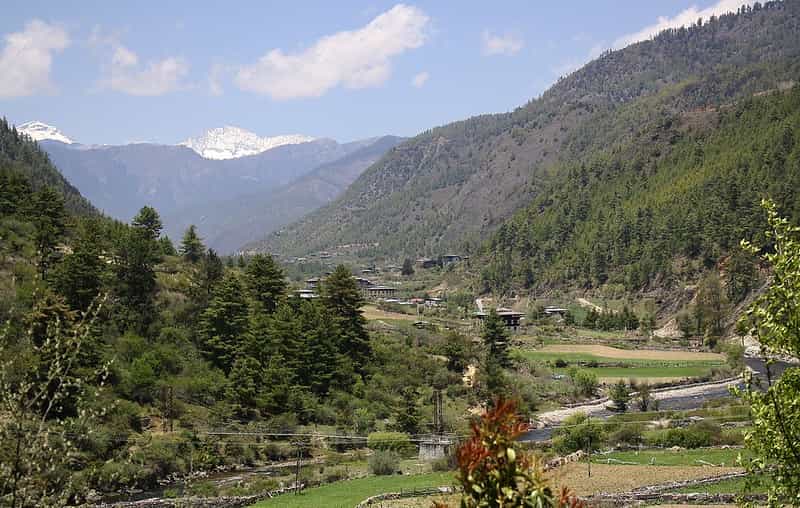
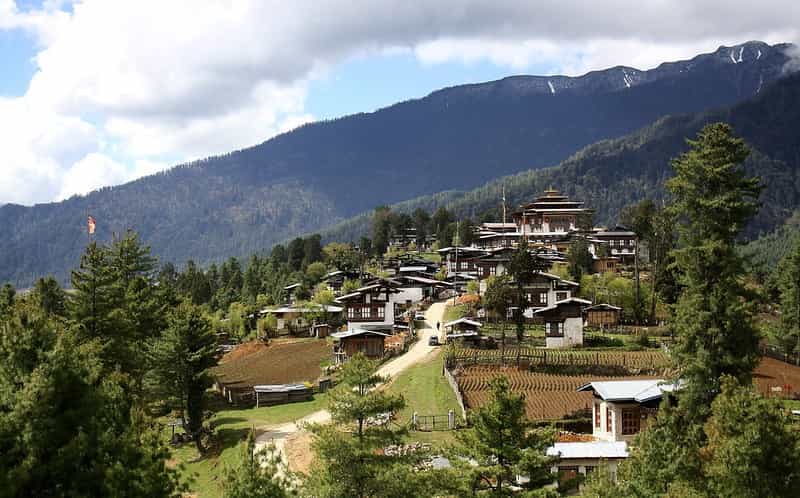
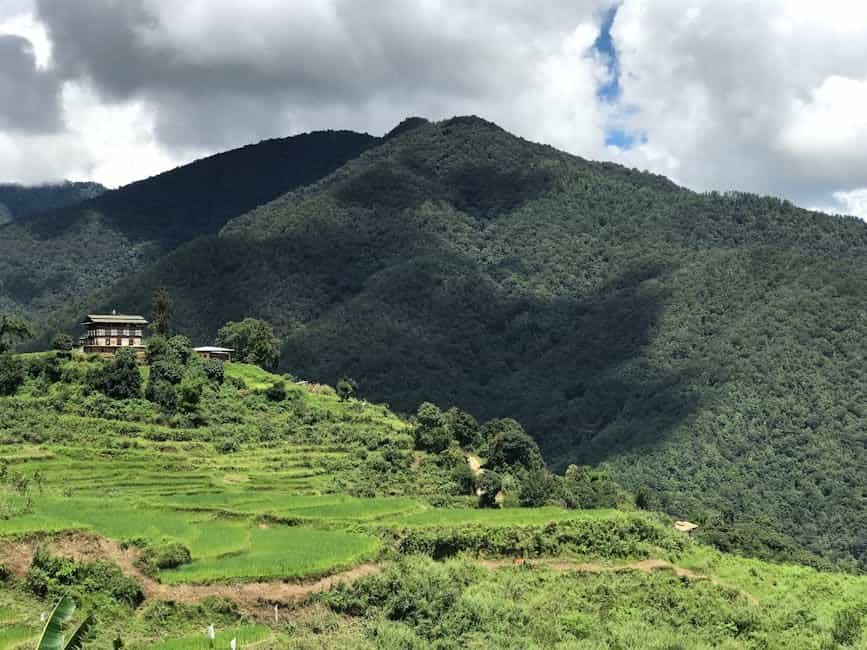
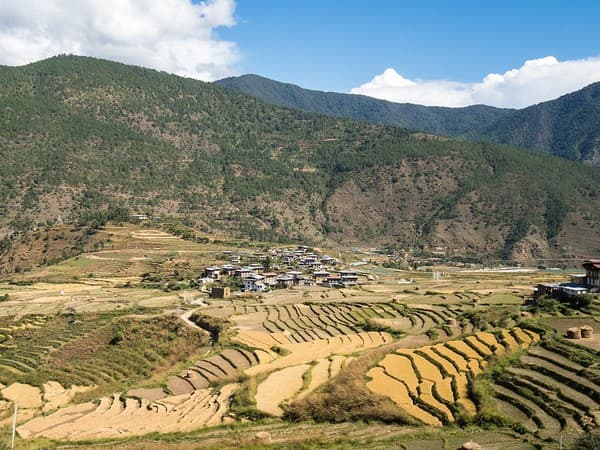
- Scenic views across the Punakha valley and rice fields
Unique Aspects
- Phallic paintings and carved wooden phalluses — a distinctive and widely recognized symbol
- Intimate, village-temple atmosphere (not a large tourist complex)
- Opportunity for a short blessing by the resident monk (often requested by couples)
- A short, picturesque hike or walk from the road through farmland and villages
Things to do
- Take the short hike from the road (about 20–40 minutes depending on starting point) through local farmland and villages
- Receive a fertility blessing or general blessing from the resident monk (donations customary)
- Explore the temple interior and observe phallic iconography and local devotional objects
- Photograph the scenic valley views and traditional rural life (ask permission before photographing people)
- Buy locally carved wooden phalluses and other souvenirs from nearby stalls
Festivals & Events
- Regular daily/weekly pujas and blessing ceremonies at the temple (timing varies)
- Special community ceremonies and auspicious-day blessings — dates follow the Bhutanese lunar calendar and local announcements
- Visitors may witness or participate in fertility-specific blessings requested by pilgrims
Best Time to Visit
Spring (March–May) and autumn (September–November) offer the clearest weather and pleasant temperatures for walking and sightseeing.
Weather Conditions
Mild to cool in spring and autumn; winters are colder (especially mornings/evenings) and summers (monsoon season, June–August) can be wet and slippery on trails.
Entry Fees & Permits
There is no formal government entry fee specifically for Chimi Lhakhang, but visitors should expect to leave a voluntary donation or offering and to pay a small fee if receiving a blessing. The temple is generally open during daylight hours; exact times depend on the resident monks and local customs.
Accessibility
Chimi Lhakhang lies in the Punakha Valley and is reached from Punakha town by a short drive followed by a walk/hike (about 20–40 minutes one way). The nearest international airport is Paro (approx. 2–3 hours’ drive to Punakha), after which most travelers transit via road. Public transport is limited; hiring a car/driver or joining a guided tour from Thimphu or Punakha is recommended.
Recommended Duration
Plan 1–2 hours for the visit (including the walk/hike, time at the temple, and souvenir shopping).
Clothing & Gear Tips
Wear comfortable walking shoes (trail can be muddy in wet season), modest clothing for temple visits (shoulders and knees covered), a light rain jacket in monsoon season, and layers for cool mornings/evenings.
Local Food & Souvenirs
Try local Bhutanese dishes if visiting Punakha (e.g., ema datshi, red rice). Popular souvenirs include small carved wooden phalluses, prayer flags, local handicrafts, and locally made sweets or honey.