Chorten Kora, Bhutan
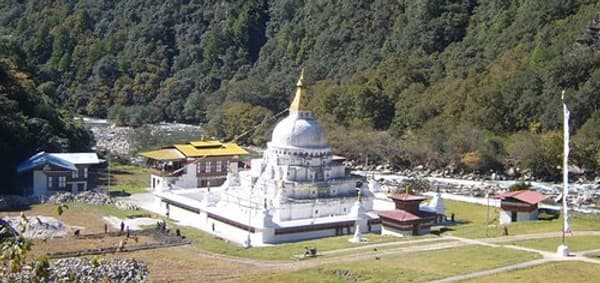
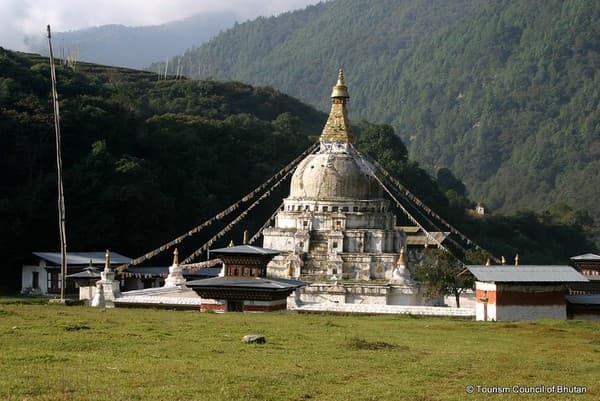
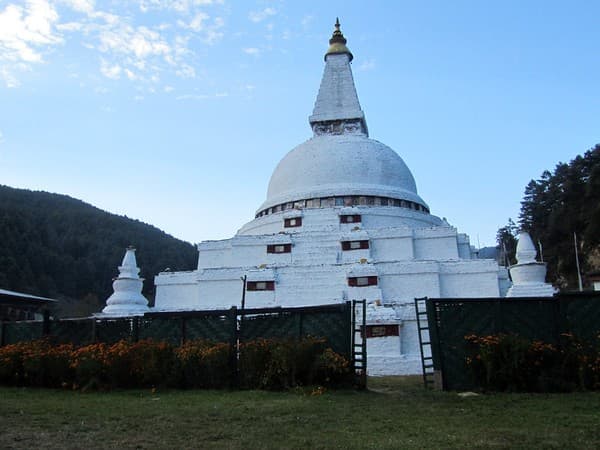
Chorten Kora is a landmark stupa in eastern Bhutan (Tashiyangtse district) with strong historical and cultural importance to the people of eastern Bhutan and neighboring regions. Built in the 18th century as a sacred Buddhist chorten, it functions as a focal point for devotional practice, pilgrimage and communal identity. The monument is notable for its connection to Himalayan Buddhist traditions and for fostering cross‑border ties with Nepali‑speaking communities and Arunachali devotees who regularly attend its ceremonies.
Last updated: 22 Jan 2026
Historic Anecdotes
Local tradition holds that the chorten was constructed to protect the valley and its people — stories emphasize its role in subduing local spirits and bringing blessings to the region. Over time a number of miracle tales and personal devotion stories have grown around the site; the chorten is also remembered for its close cultural links with Kathmandu, its architectural inspiration said to echo the large Nepalese stupas.
Places to visit
- The main stupa (Chorten Kora) — the striking white stupa that is the site's centrepiece
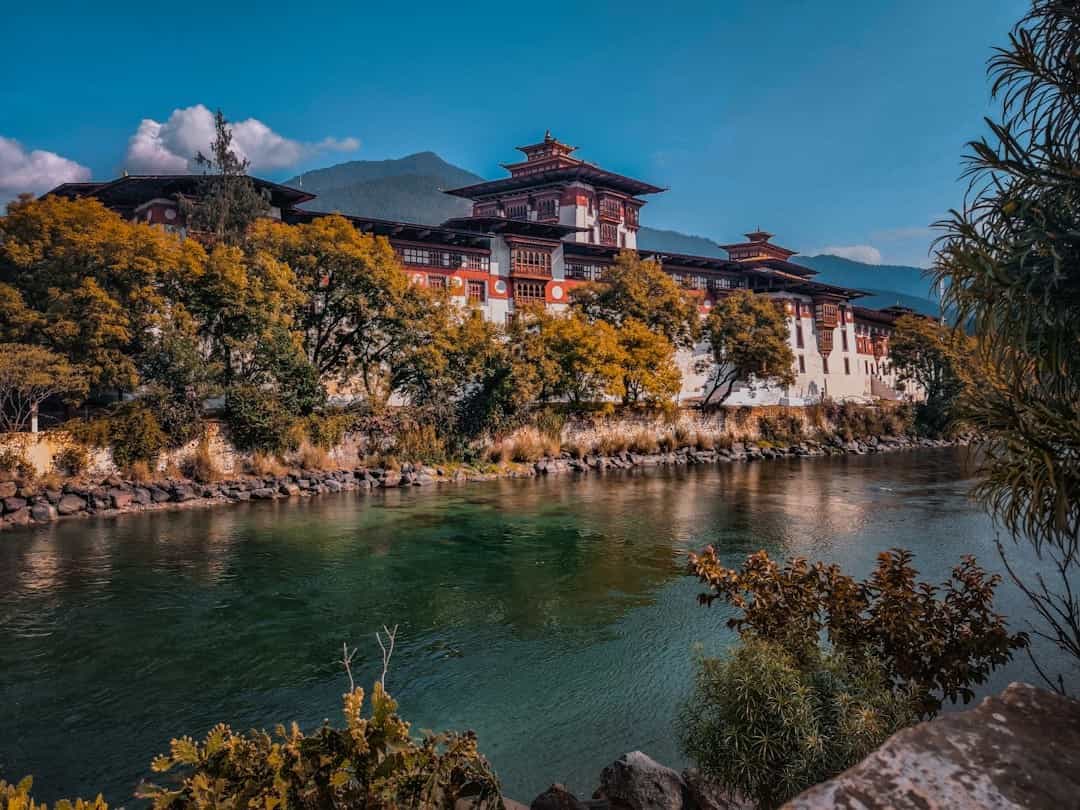
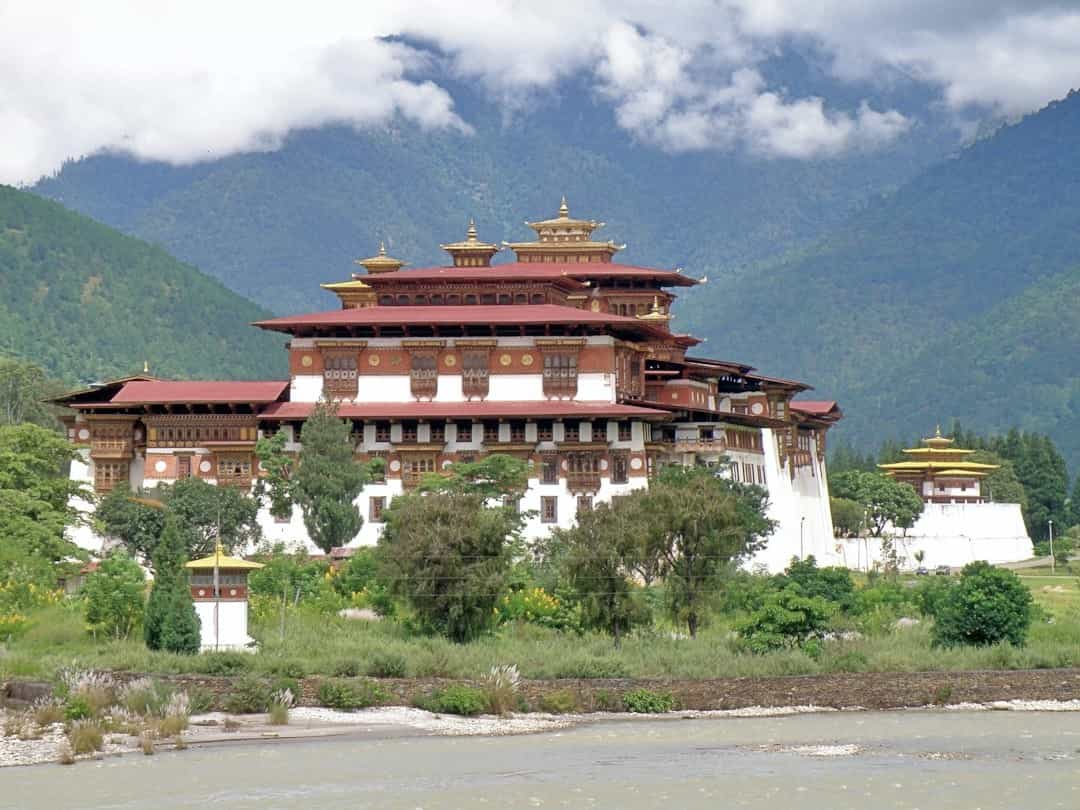
- Riverside setting on the banks of the Kuri Chhu river with scenic views
- Large prayer flags, mani stones and circumambulation paths used by pilgrims
- Chorten Kora Festival — the site's most important annual event with mask dances and mass pilgrimages
- Nearby villages and local craft centers in Tashiyangtse (pottery, bamboo work, thangka painting)
Unique Aspects
- Architectural resemblance to certain large Nepalese stupas (notably Boudhanath) — unusual for eastern Bhutan
- A living pilgrimage site that draws Bhutanese and cross‑border devotees (Nepali and Arunachali communities)
- Regular devotional practices and the visible everyday ritual life of the local community
- Scenic riverbank location that combines spiritual atmosphere with photogenic landscape views
Things to do
- Perform a kora (circumambulation) around the stupa alongside local devotees
- Attend the Chorten Kora festival to watch masked dances, rituals and communal offerings
- Photograph rituals, architecture and the riverside landscape (respectfully — follow local norms)
- Explore nearby craft markets in Tashiyangtse and buy traditional Bhutanese handicrafts
- Walk the riverside paths and visit neighbouring villages to experience local life
Festivals & Events
- Chorten Kora Festival (major annual festival, late autumn) — masked dances, large pilgrimages and community ceremonies
- Local pujas and smaller ritual observances throughout the year
Best Time to Visit
Best seasons: late spring (March–May) and autumn (September–November). The annual festival typically takes place in late autumn, which is the liveliest time to visit.
Weather Conditions
Temperate mountain climate: cool winters, monsoon rains in summer (June–August), and pleasant, clear conditions in spring and autumn. Expect chilly mornings and evenings outside the summer months.
Entry Fees & Permits
There is no formal entry fee to visit the chorten; donations to support maintenance and local monastic activities are common and welcome. The site is open to visitors daily, though access may be restricted briefly during certain rituals or festival processions.
Accessibility
Chorten Kora is located near Tashiyangtse town in eastern Bhutan and is reached by road. Eastern Bhutan is best accessed by road from Trashigang or by domestic flights to nearby Yonphula/Yongphula (service varies) with onward road transfer. Many visitors visit as part of an organized tour or with a private vehicle; expect simple walking paths around the site but limited large‑scale facilities.
Recommended Duration
Typical visit length: half a day to one full day for the chorten and nearby attractions. If you plan to attend the festival or explore surrounding villages and crafts, allow 1–2 days.
Clothing & Gear Tips
Wear modest clothing that covers shoulders and knees (as a sign of respect), comfortable walking shoes for the kora, a light jacket for cool mornings/evenings, and a rain jacket during the monsoon. Bring sun protection and a reusable water bottle.
Local Food & Souvenirs
Try regional Bhutanese dishes such as ema datshi (chili and cheese), momos and butter tea at local eateries. Popular souvenirs include prayer flags, thangkas, pottery and bamboo crafts produced in the Tashiyangtse area.