Dagala Thousand Lakes, Bhutan
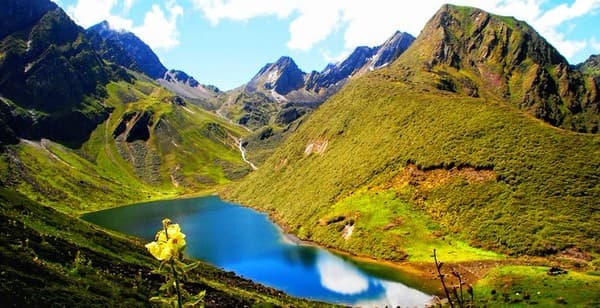
Natural importance: The Dagala 'Thousand Lakes' area (Dagala Tsho) is a high-altitude glacial and alpine-lake landscape west of Thimphu, Bhutan. It is valued for its glacially-carved tarns, highland meadows, rhododendron forests and its role in local pastoralism. The lakes and surrounding wetlands support alpine flora and fauna and contribute to downstream water systems.
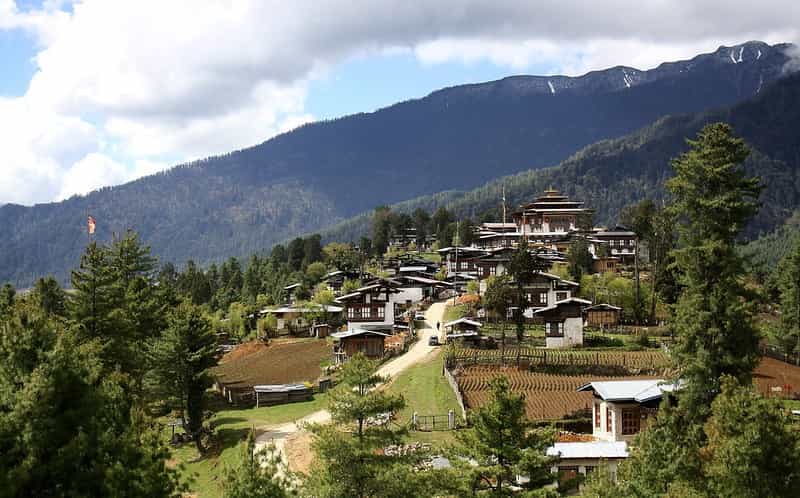
Cultural importance: While not a major historical temple complex, the lakes are woven into local beliefs and reverence for mountain deities. Shepherding communities and seasonal yak herders use the pastures, and the area features in local storytelling and spiritual practice.
Unique conservation role: The region acts as a natural water reservoir and is increasingly appreciated for biodiversity and climate-change research at high altitudes.
Last updated: 22 Jan 2026
Places to visit
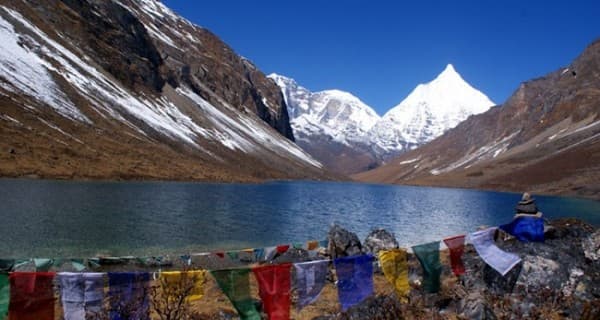
- Dagala Tsho (the lakes themselves): Numerous glacial lakes and tarns across a scenic alpine plateau.
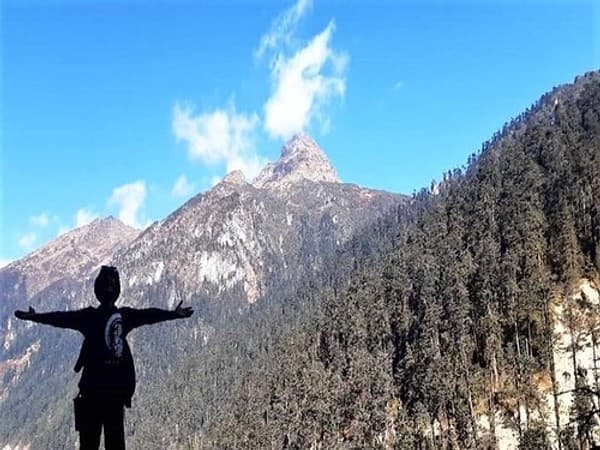
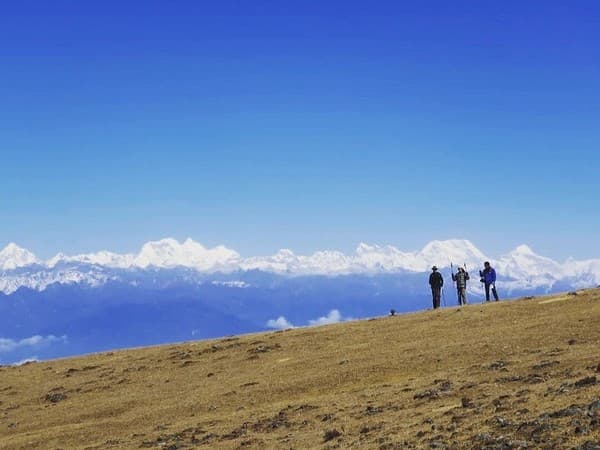
- Panoramic mountain views: On clear days you can see sweeping Himalayan ridgelines and distant peaks from high vantage points.
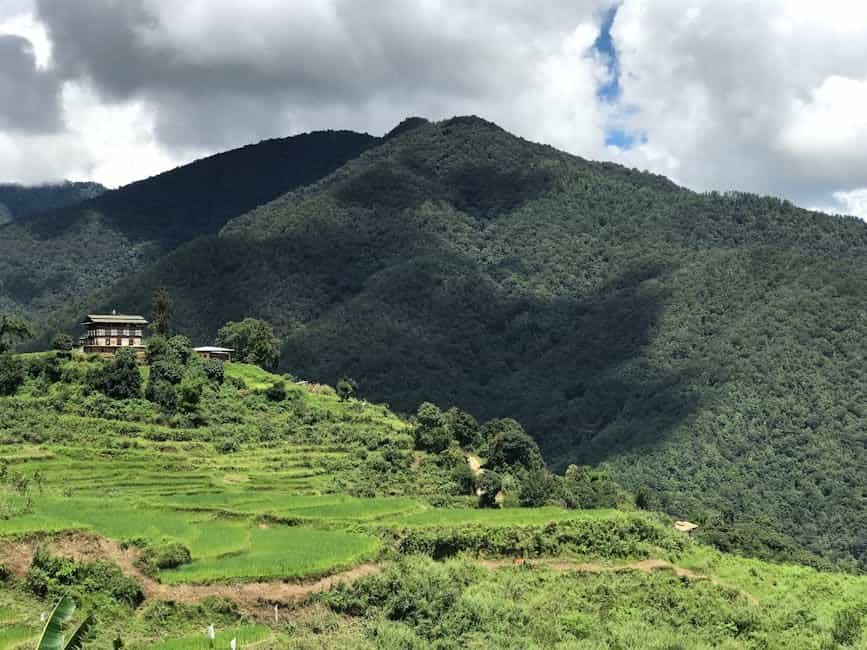
- Alpine meadows and rhododendron forests: Rich floral displays in spring and vibrant fall colours in autumn.
- Traditional yak pasture lands and shepherd camps: Cultural encounters with pastoral life, seasonal camps and simple highland hospitality.
- High passes and viewpoints: Scenic high points used as campsites or day-trek destinations.
Unique Aspects
- Clustered high-altitude glacial lakes and tarns (the reason for the 'Thousand Lakes' name).
- Expansive alpine plateau offering wide-open vistas uncommon near Bhutan’s capital.
- Seasonal wildflower displays—particularly rhododendrons in spring.
- Relatively remote, low-impact trekking that emphasizes nature and solitude rather than built tourist infrastructure.
Things to do
- Multi-day trekking (commonly a 3–4 day trek) across high plateau and between lakes.
- Day hikes and photography trips from trailheads closer to Thimphu.
- Camping under the stars at high-altitude sites beside lakes.
- Birdwatching and wildlife observation (alpine birds, small mammals; sightings depend on season).
- Cultural interaction with yak herders and local pastoral communities when in season.
Best Time to Visit
Best seasons: Spring (March–May) for rhododendron blooms and mild weather; Autumn (September–November) for clear skies and stable weather. Avoid the monsoon (June–August) if you want drier trails and better visibility.
Weather Conditions
Alpine weather with large diurnal temperature swings—mild to cool days, cold nights. Afternoon clouds or sudden winds and snow at higher elevations are possible even outside winter. Expect temperatures to range from near freezing at night to 5–15°C by day depending on season and altitude.
Entry Fees & Permits
Access is regulated under Bhutan’s national tourism and trekking permit system. Trekking the Dagala lakes requires a permit and must be booked through a licensed Bhutanese tour operator (guide, camping crew, and permits are arranged as part of the package). Entry charges, park fees or permit costs are handled by the operator and included in the itinerary pricing—confirm details when booking.
Accessibility
Trailheads are reachable from Thimphu by road (typically a 1–2 hour drive depending on the chosen starting point). The trek itself is remote and involves high-altitude trails—no casual public transport is available on the trail. The nearest international gateway is Paro International Airport (approx. 1–1.5 hours drive to Thimphu), from where overland transfer to the Dagala trailhead is arranged.
Recommended Duration
A typical trek itinerary is 3–4 days (2–3 nights camping) for the classic Dagala Thousand Lakes route; day-trip options from Thimphu are possible to nearby viewpoints but will not visit the full lake cluster.
Clothing & Gear Tips
Layered clothing (base layers, insulating mid-layer, waterproof/windproof shell), warm hat and gloves, sturdy waterproof trekking boots, gaiters, good thermal sleeping bag (rating to at least -5 to -10°C for higher-altitude nights), trekking poles, sunscreen and sun-protective sunglasses. Bring water purification tablets or filter and high-energy snacks.
Local Food & Souvenirs
Try Bhutanese staples such as ema datshi (chili-and-cheese stew), buckwheat preparations, and yak-based products where available. Souvenirs often include handwoven textiles (kiras and ghos), hand-made scarves, local pottery, and yak-wool or yak-hair handicrafts. Purchases are best made in Thimphu to support licensed local artisans.