Folk Heritage Museum (Phelchey Toenkhyim), Bhutan
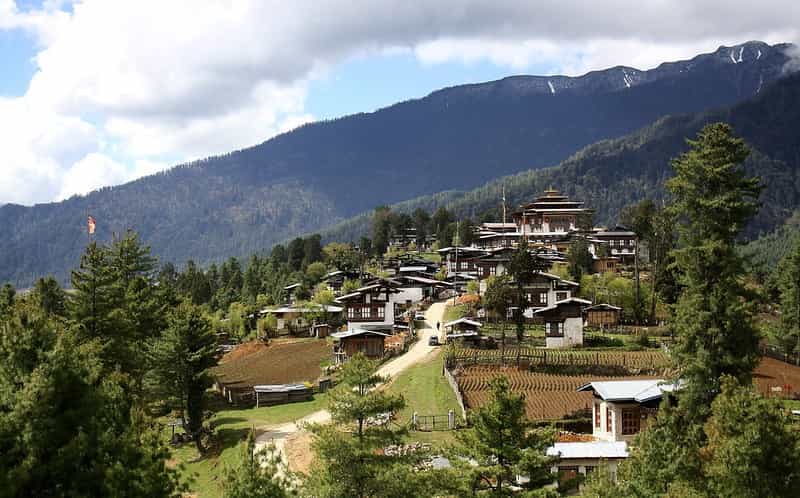
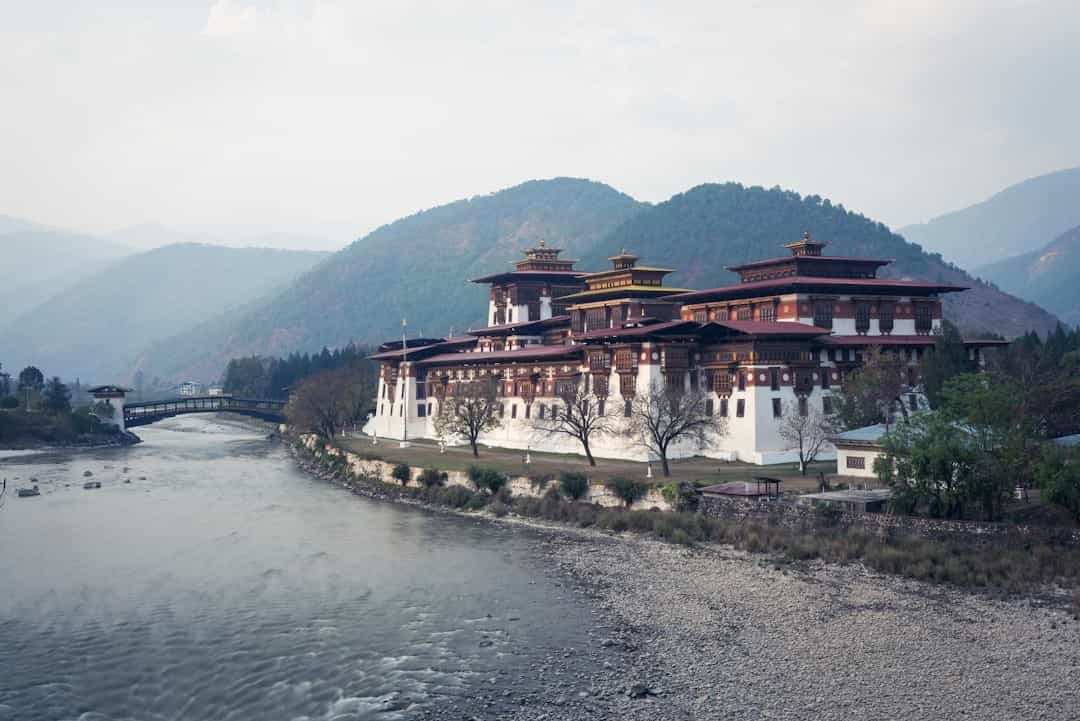
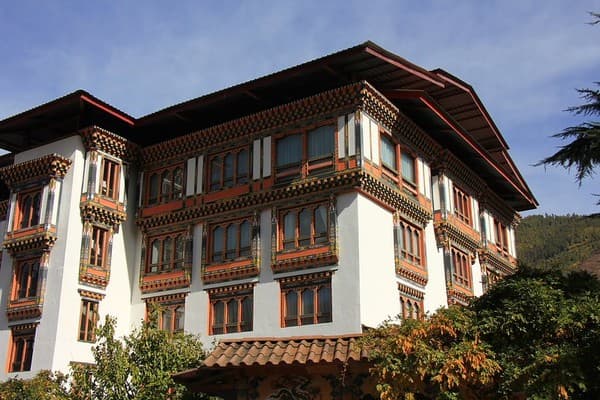
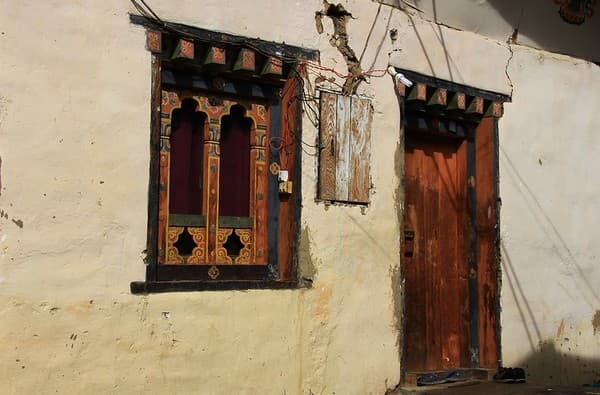
Folk Heritage Museum (Phelchey Toenkhyim) preserves and interprets rural Bhutanese life, traditional architecture, and everyday material culture. Housed in a restored traditional farmhouse, the museum offers insight into the agricultural and domestic practices that shaped Bhutan's cultural identity—showcasing household objects, farm tools, textiles, and domestic architecture that illustrate continuity and change in village life.
Last updated: 22 Jan 2026
Places to visit
- Traditional Farmhouse — a restored multi-storey rammed-earth house that itself is the museum's primary exhibit
- Domestic Interiors — original household furnishings, kitchen implements, storage containers, and bedding
- Agricultural Tools and Implements — ploughs, threshing tools, and items used in seasonal farming and animal husbandry
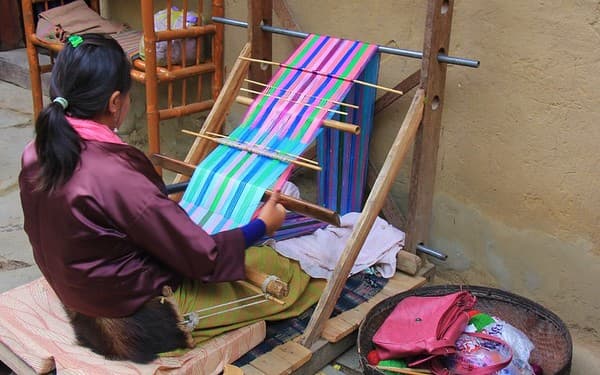
- Textiles and Weaving — examples of local weaving techniques and garments, with occasional demonstrations
- Traditional Kitchen and Hot-stone Bath Display — reconstructions showing how food was prepared and how traditional bathing was done
Unique Aspects
- Authentic vernacular architecture with timber, stone, and rammed-earth elements
- Hands-on demonstrations and workshops (weaving, cooking) offered periodically
- Interpretive labels and local guide storytelling that connect artifacts to living practices
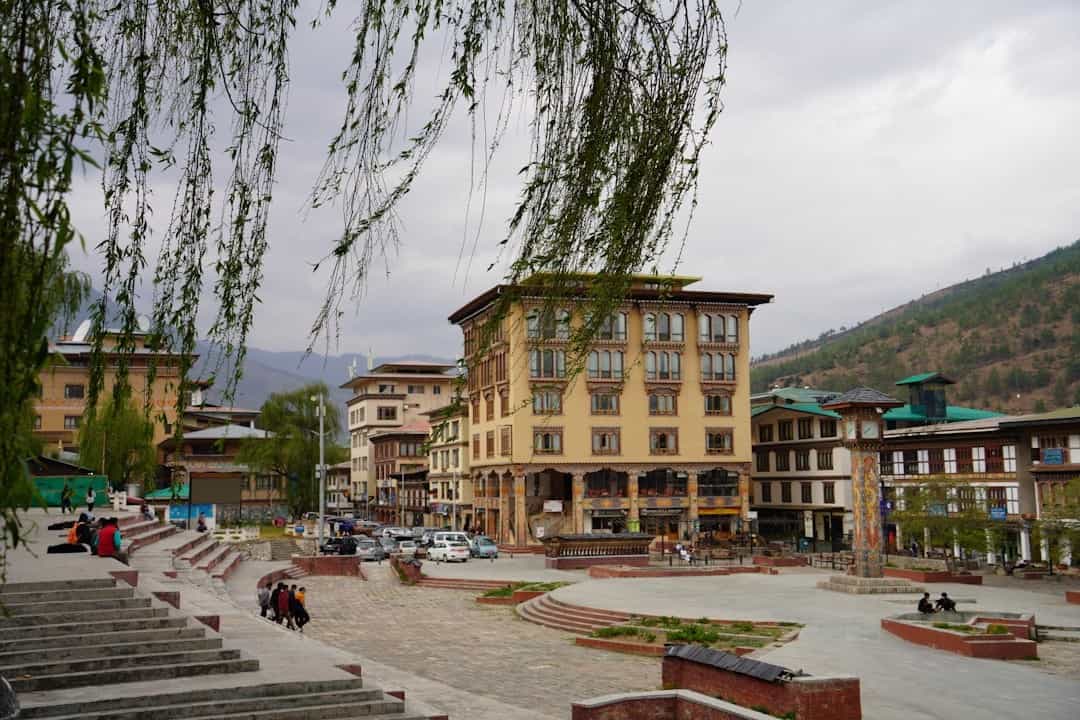
- Compact, immersive experience that contrasts urban Thimphu with rural Bhutanese life
Things to do
- Guided tours that explain household routines, agricultural cycles, and the significance of displayed objects
- Participation in short demonstrations or workshops (e.g., basic weaving techniques, traditional cooking methods) when available
- Photography of architectural details and artifacts (respect museum rules and privacy of donors)
- Short walks around the immediate neighborhood to observe traditional buildings and local daily life
Best Time to Visit
The best time to visit is spring through autumn (March–November) when weather is mild and demonstration programs are most active; winters are quieter, cooler, and some outdoor observations may be limited.
Weather Conditions
Thimphu has a temperate, mountain climate—warm, pleasant days in spring and autumn, wet monsoon months in summer (June–August), and cool to cold winters with chilly nights.
Entry Fees & Permits
Entry fees and exact opening hours can change—typical museum hours are daytime (roughly 9:00–17:00). There may be a small admission fee, and guided tours or workshops could carry an additional charge. Check the museum's official listing or contact local tourist information in Thimphu before you go.
Accessibility
Located in or near central Thimphu, the museum is easily reached by taxi or a short walk from central areas. The nearest international airport is Paro Airport (about 45–60 km by road); from Paro, visitors proceed to Thimphu by road (bus, taxi, or private transfer). Local buses and taxis serve Thimphu; confirm accessibility details in advance if you have mobility needs.
Recommended Duration
Allocate 1–2 hours for a relaxed visit; add time if you join workshops or nearby walks.
Clothing & Gear Tips
Wear comfortable shoes for uneven floors and steps, and layers (temperatures can change quickly). Bring a light rain jacket during the monsoon months.
Local Food & Souvenirs
Try traditional Bhutanese dishes such as ema datshi (chili and cheese), and look for handwoven textiles, wooden crafts, and locally made utensils as souvenirs. Support local artisans by purchasing from museum shops or nearby craft vendors.