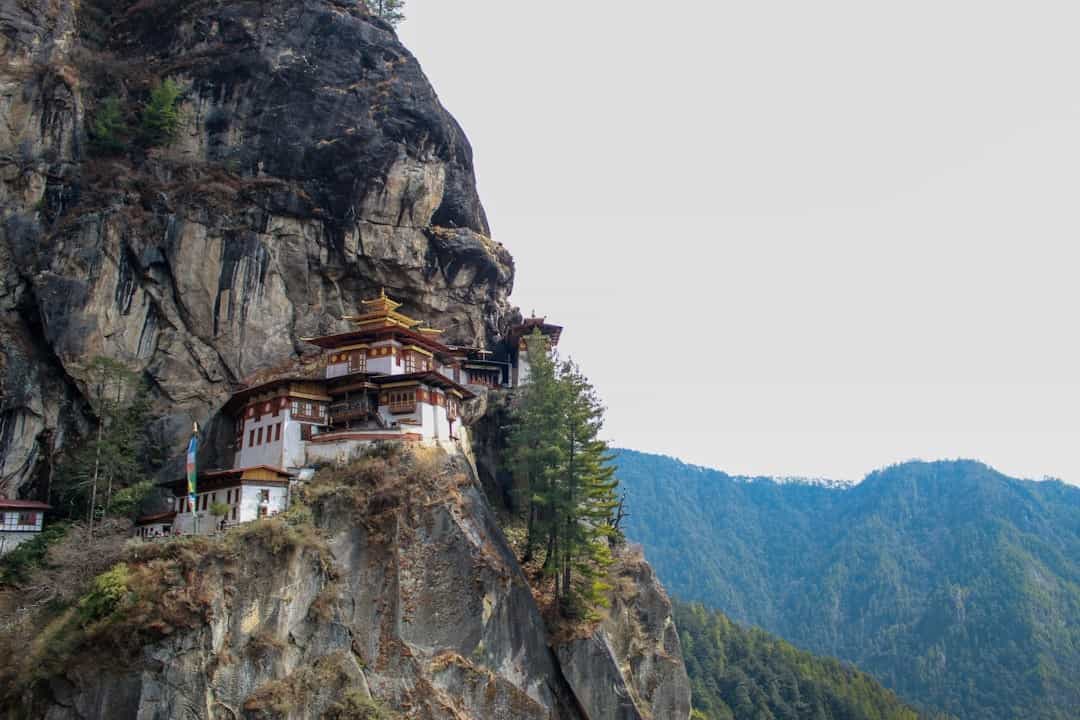
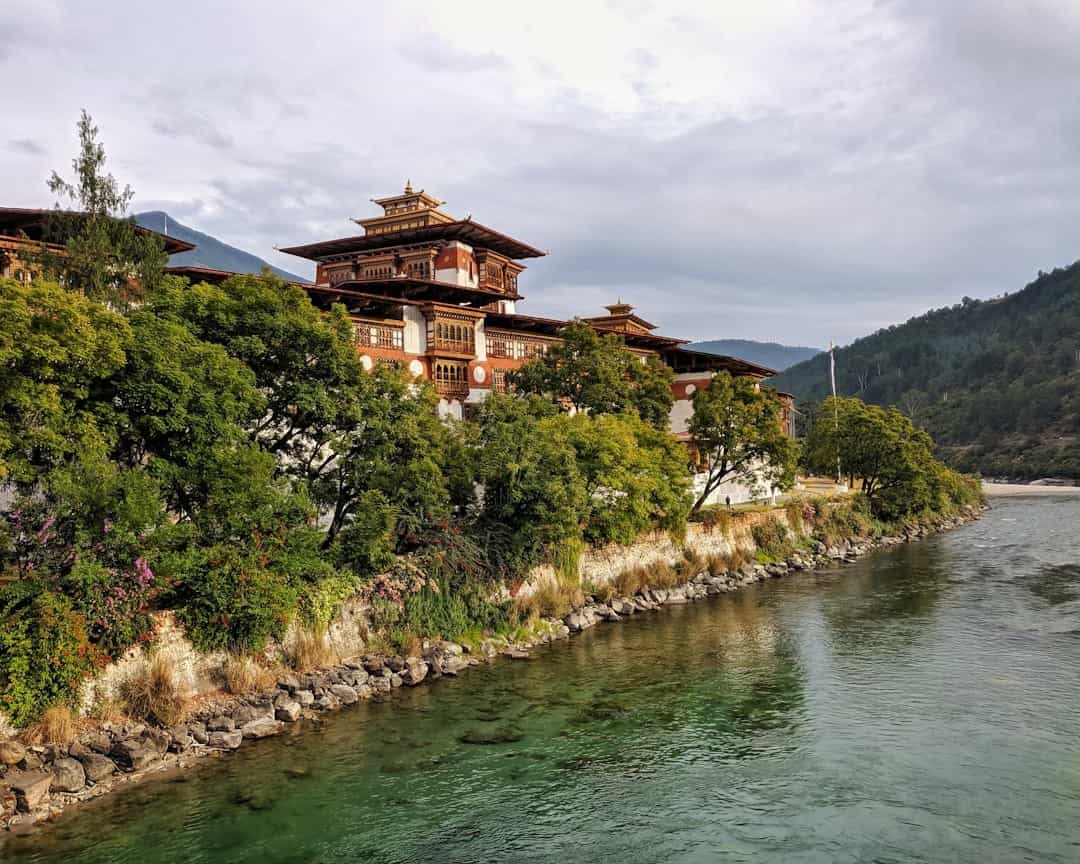
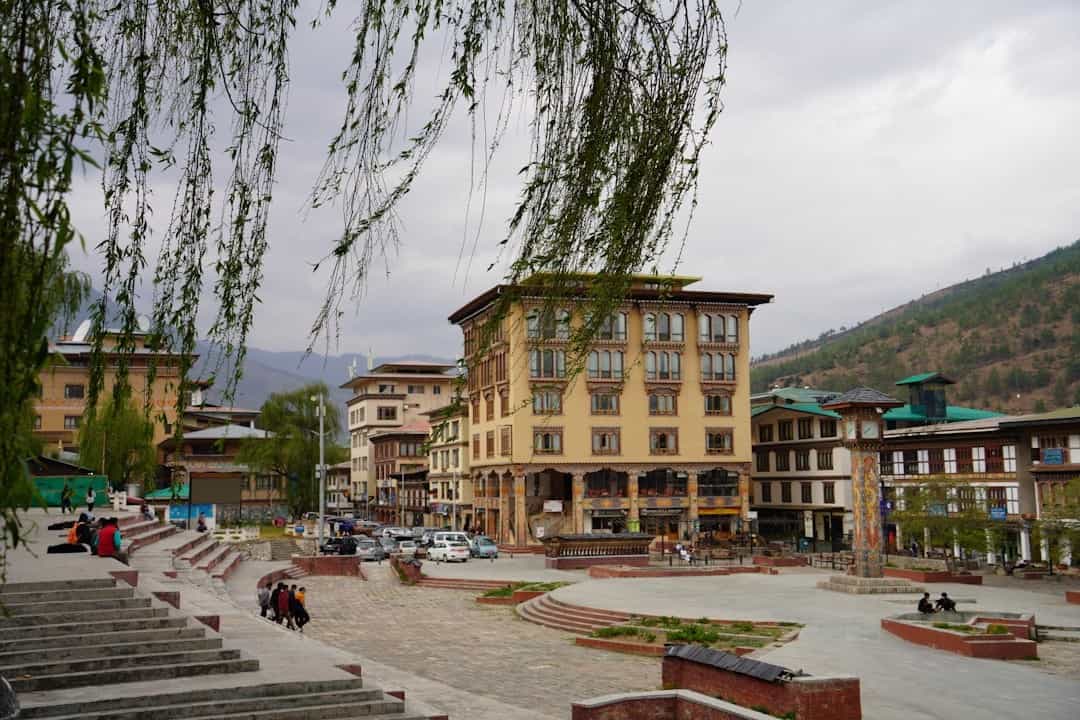
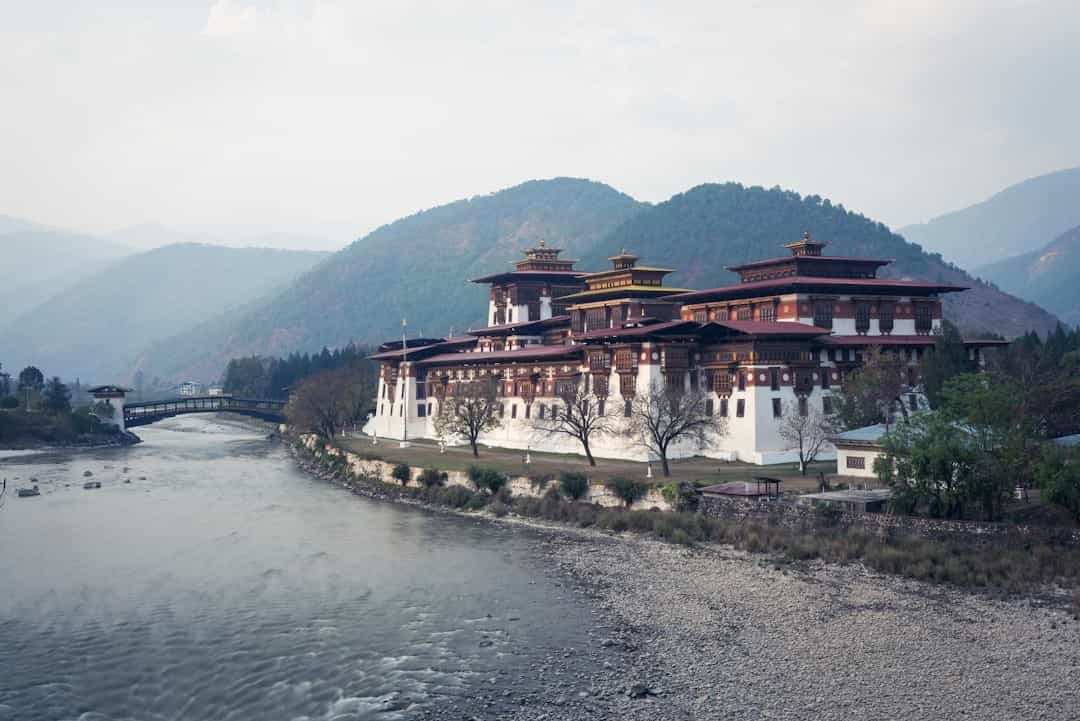
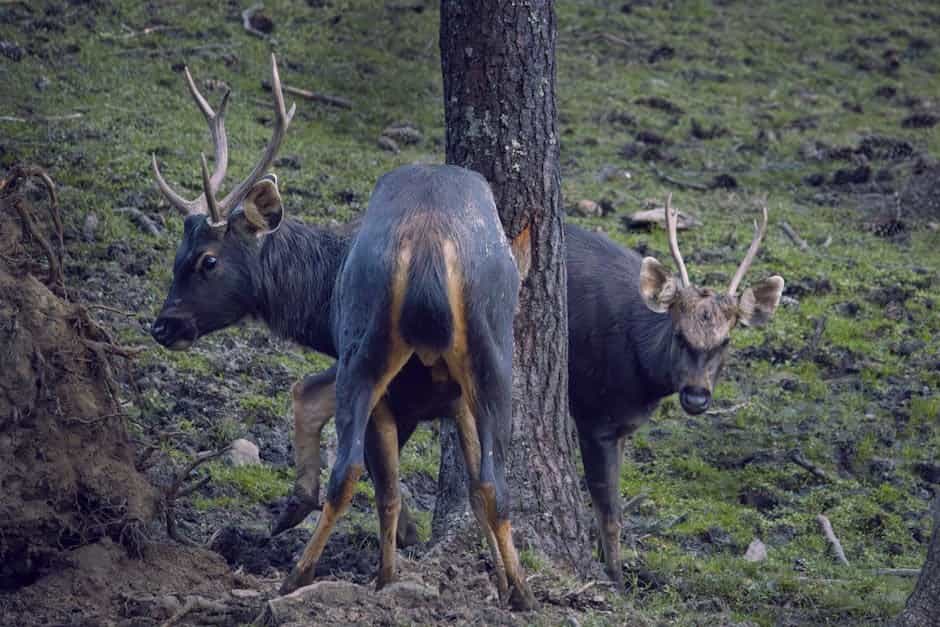
Gangtey (Gangtey Gonpa) Monastery, Bhutan
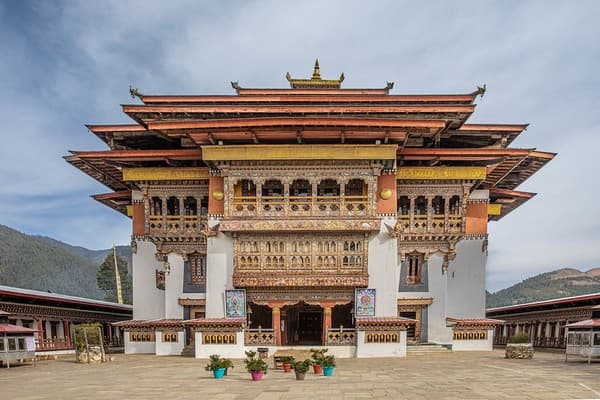
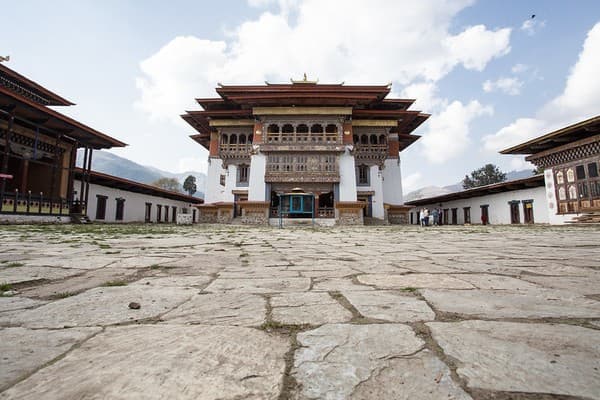
Gangtey Gonpa (Gangtey Monastery) is the principal Nyingma monastery in the Phobjikha (Gangtey) Valley of central Bhutan. Founded in the 17th century, it serves as the seat of the Gangteng (Gangtey) Tulku and has been an important center for Buddhist learning, ritual and community life in the region. The monastery is also closely linked to the conservation and cultural identity of the valley, which is a major wintering ground for the endangered black‑necked crane — a symbol of Bhutan’s natural heritage.
Last updated: 22 Jan 2026
Historic Anecdotes
Local tradition connects the site to treasures (terma) uncovered by the great Tibetan-Bhutanese tertön Pema Lingpa; the Gangteng lineage claims spiritual continuity with those revelations. The valley and monastery are woven into crane legends: the arrival of the cranes is considered auspicious, and stories tell of the cranes being messengers of blessings who return every winter.
Places to visit
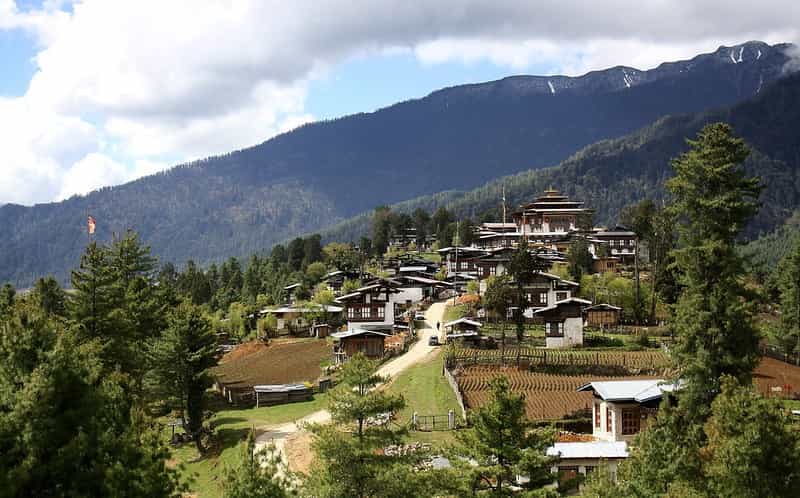
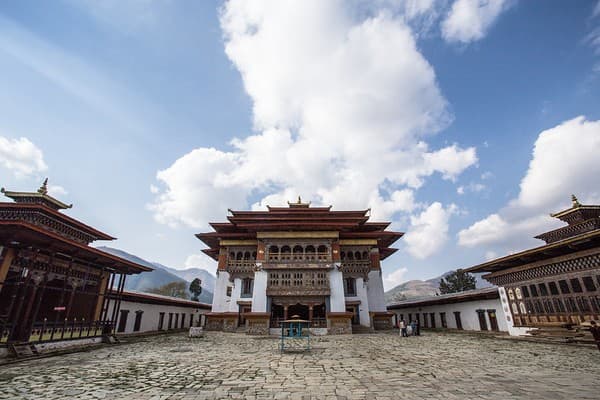
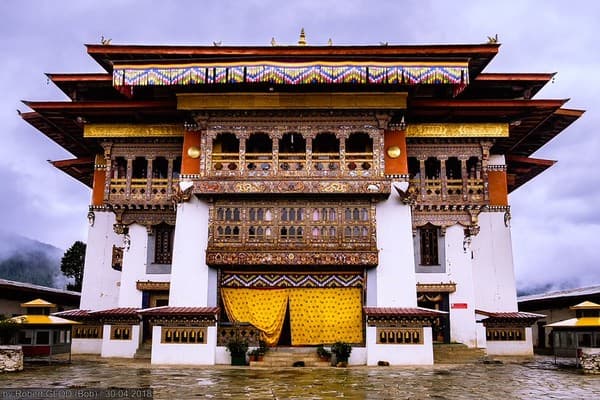
- Gangtey Gonpa itself — the white fortress-like temple perched above the valley, with its main assembly hall (dukhang) and richly painted interiors
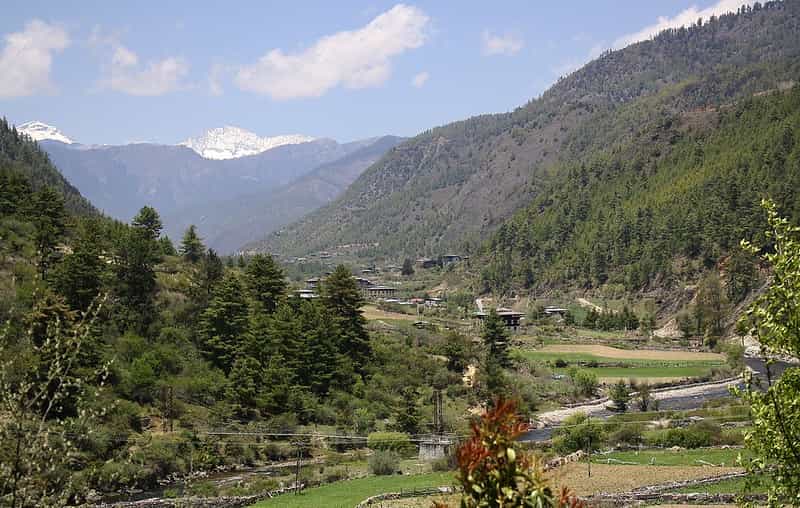
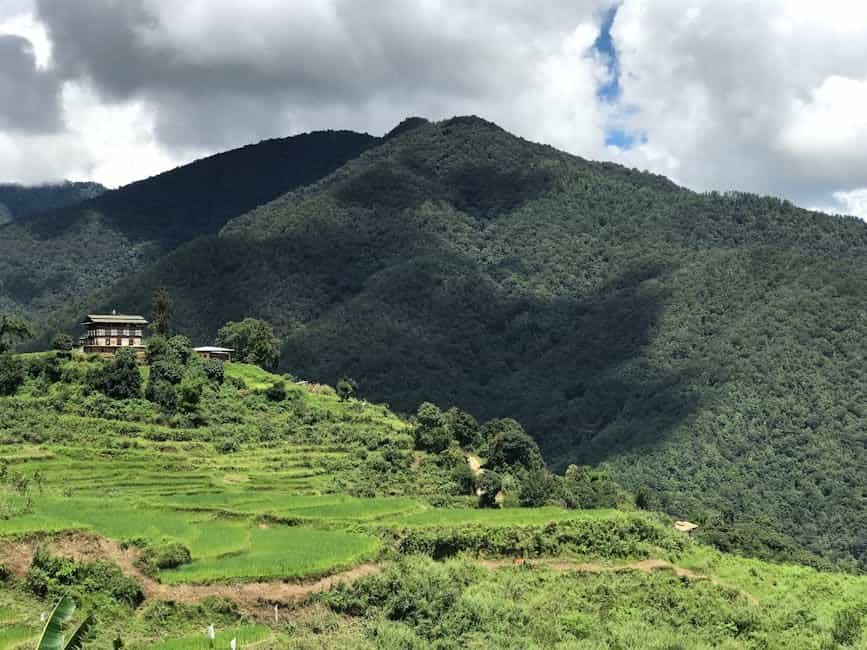
- Phobjikha (Gangtey) Valley — broad glacial valley with traditional hamlets and sweeping views
- Black‑necked crane observation points and the wetlands (peat bogs) where cranes roost
- Gangtey Nature Trail — an accessible circular walk through forest and farmlands
- Cultural encounters in nearby villages — traditional houses, local crafts and farm visits
Unique Aspects
- Rich Nyingma iconography and thangka paintings inside the monastery
- Panoramic views over the glacial valley (approx. 2,900–3,000 m / 9,500–9,800 ft)
- Seasonal presence of the endangered black‑necked crane (winter months)
- Traditional Bhutanese monastic architecture with whitewashed walls and wooden cantilevered balconies
Things to do
- Attend morning or evening prayer sessions and watch the chanting and rituals in the assembly hall
- Guided walks on the Gangtey Nature Trail and short hikes to viewpoints above the monastery
- Birdwatching and crane‑watching tours with local guides during the winter
- Visit local villages to learn about traditional farming, handicrafts and rural Bhutanese life
- Photography of landscape, architecture and seasonal wildlife (observe restrictions inside temples)
Festivals & Events
- Black‑necked Crane Festival (typically in November) — community celebration featuring traditional music, dance and crane conservation awareness
- Local pujas and monastic ceremonies — occasional special events when the Gangteng Tulku or senior lamas preside
Best Time to Visit
October–November for clear weather and the Black‑necked Crane Festival; December–February to observe cranes in colder, drier conditions; March–May for spring flowers and milder temperatures.
Weather Conditions
High‑valley alpine climate: cold winters with sub‑freezing nights (Dec–Feb), cool to mild days in shoulder seasons, and a wet monsoon season (Jun–Aug) with limited visibility and slippery trails. Bring warm layers year‑round due to altitude.
Entry Fees & Permits
The monastery generally welcomes visitors daily; there is no standardized national entrance fee for Gangtey Gonpa but modest donations are customary. Temple visiting hours commonly center around morning and afternoon prayer times — plan visits outside core ritual moments or ask a local guide. If visiting Bhutan as a tourist, remember the country’s regulated tourism fee structure (SDF and tour arrangements) applies.
Accessibility
Phobjikha Valley is accessible by road. Typical travel times: ~3–4 hours from Thimphu, ~2–3 hours from Wangdue Phodrang, and ~2.5–3.5 hours from Paro (airport) depending on road conditions. Roads into the valley are paved but can be narrow and winding; a 4x4 or local vehicle is recommended in winter or poor weather. Limited public transport — travel is often arranged through tour operators or drivers.
Recommended Duration
Plan 1–2 full days in the Phobjikha/Gangtey area to visit the monastery, do the nature trail, and (in winter) watch the cranes or attend the festival.
Clothing & Gear Tips
Warm layered clothing, insulated jacket, hat and gloves for cold mornings/evenings; waterproof outer layer in monsoon season; sturdy walking shoes or light hiking boots; sun protection and a small daypack. Altitude is near 3,000 m so bring medication if you are altitude‑sensitive.
Local Food & Souvenirs
Try local specialties such as buckwheat dishes, ema datshi (Bhutanese cheese and chili), yak or local dairy products, and seasonal honey. Souvenirs include handwoven textiles (kira and gho fabrics), wooden crafts, local baskets, and small thangka reproductions or prayer flags. Buying direct from village artisans supports the community.