Gasa, Bhutan
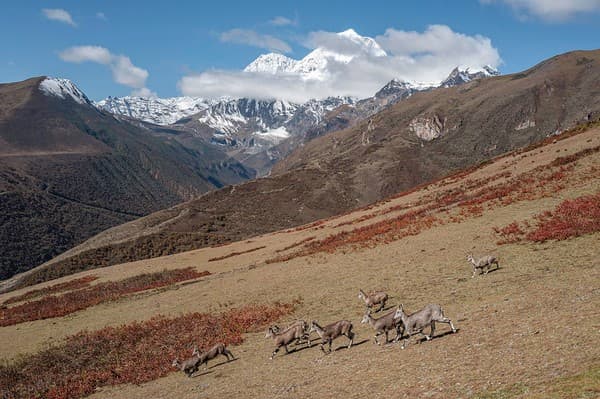
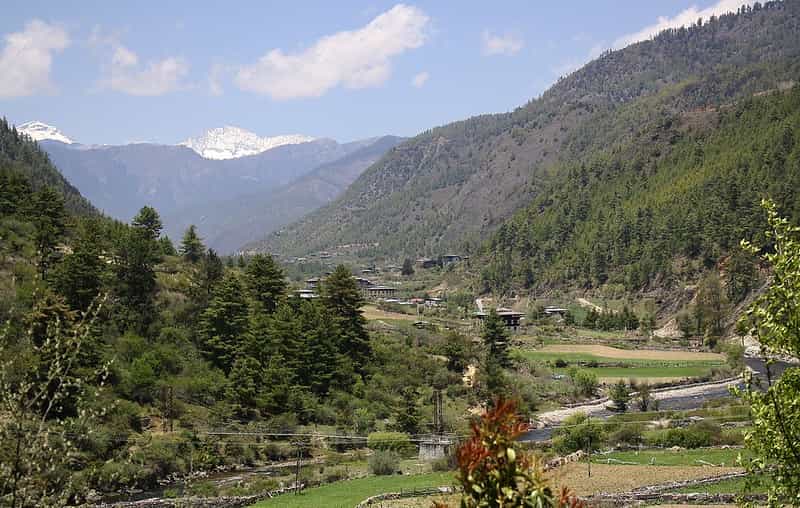
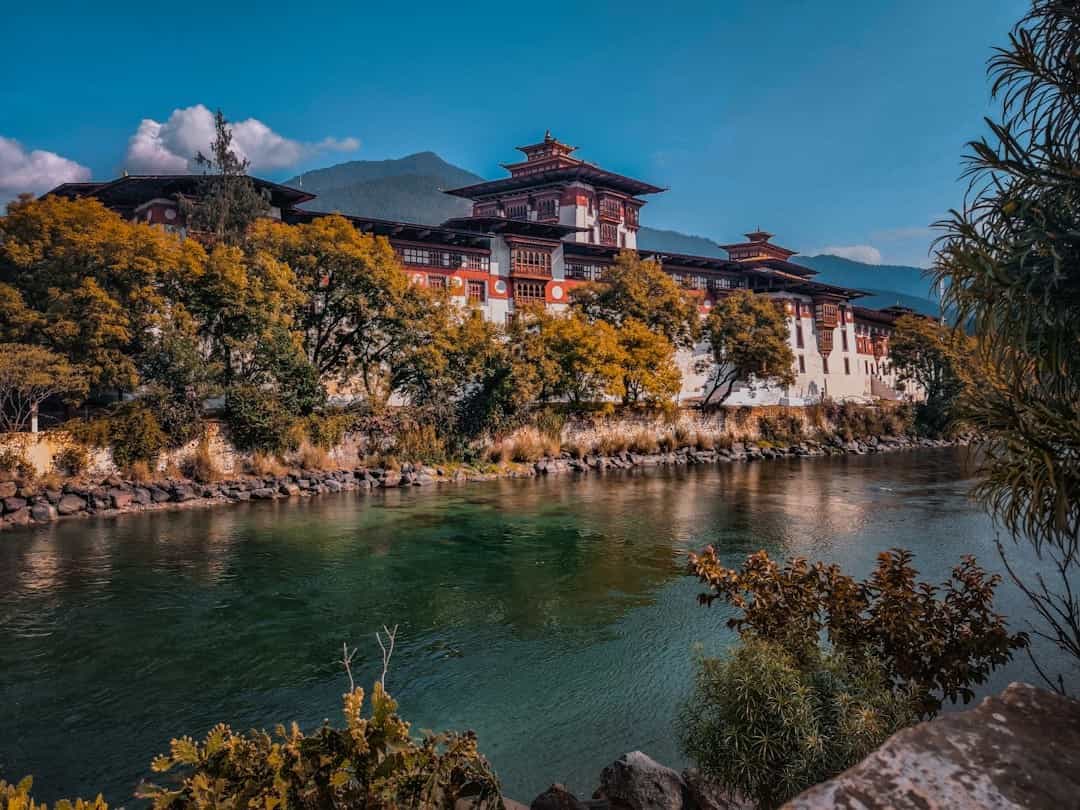
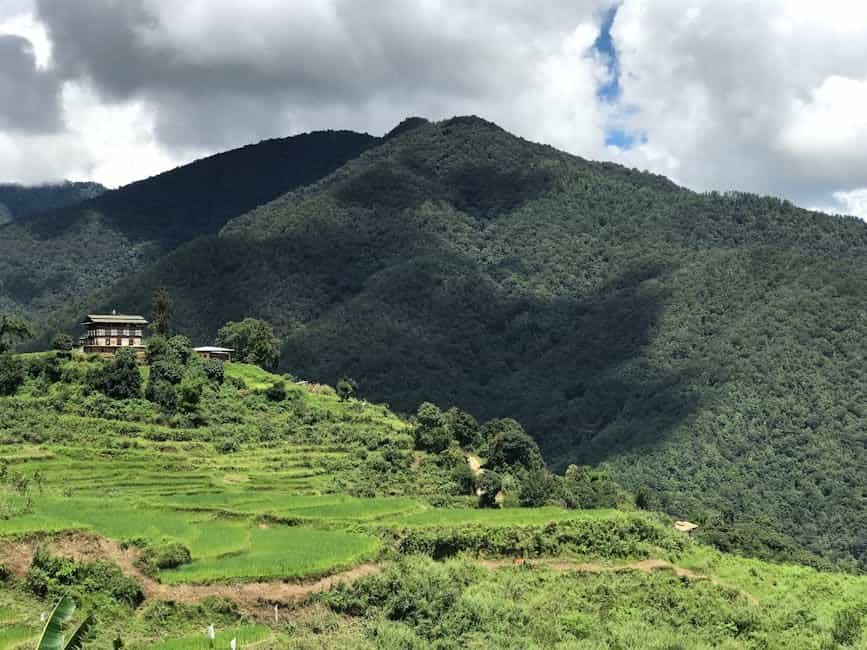
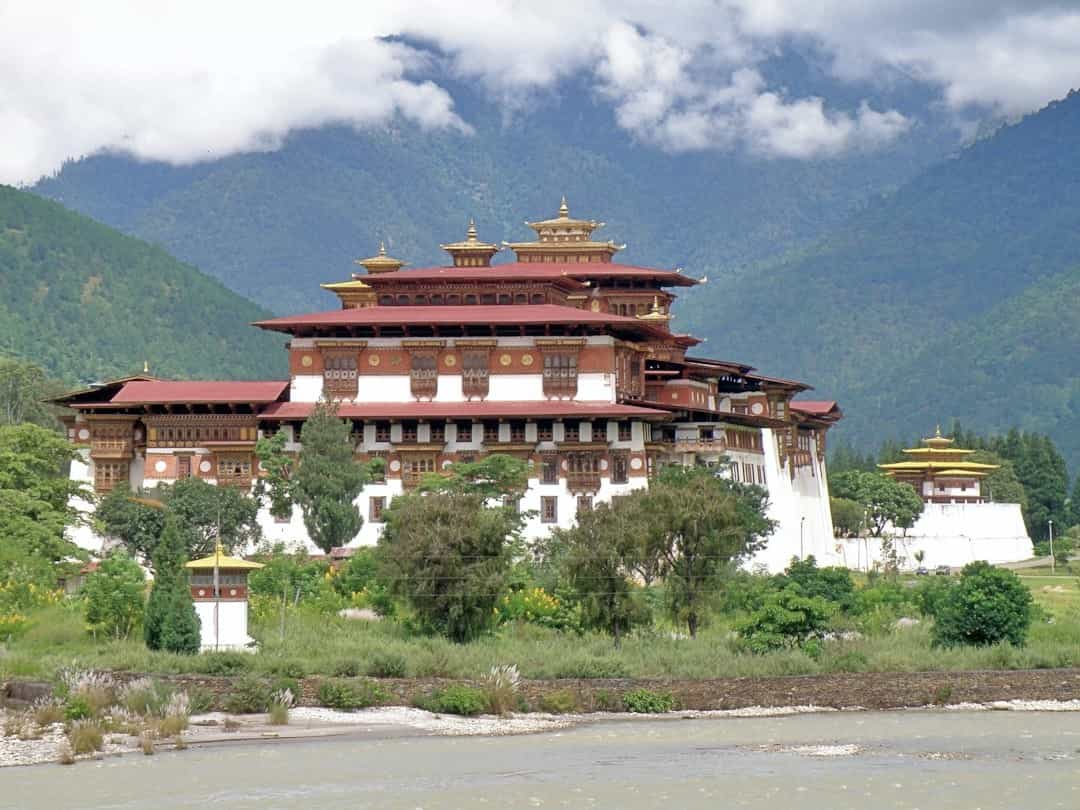
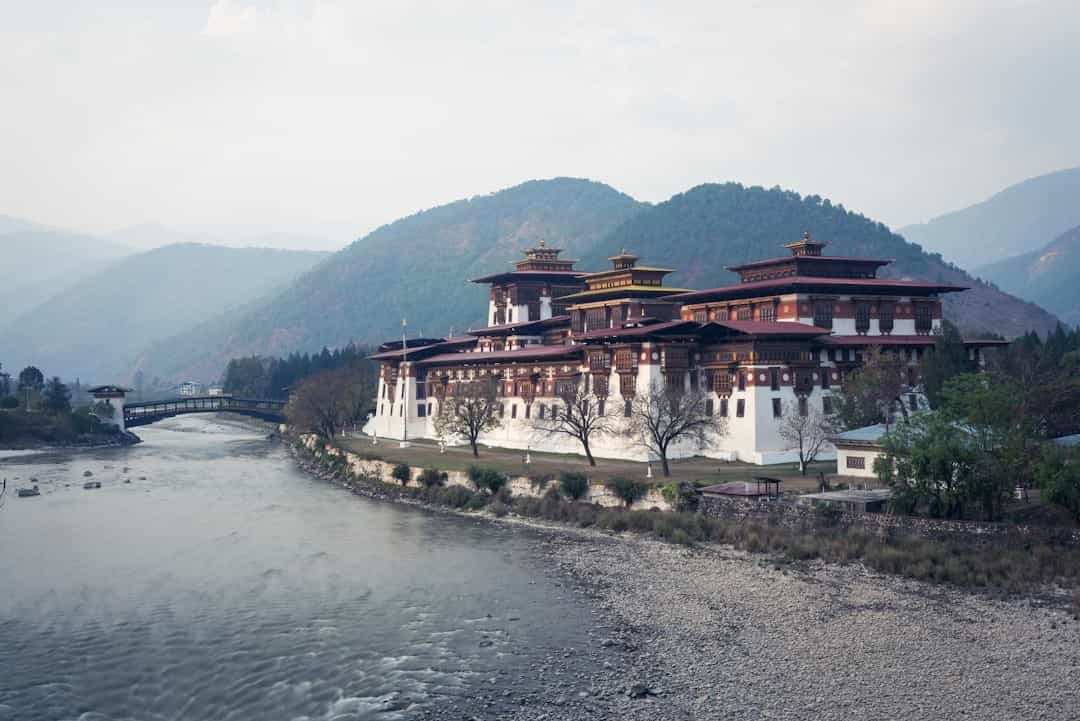
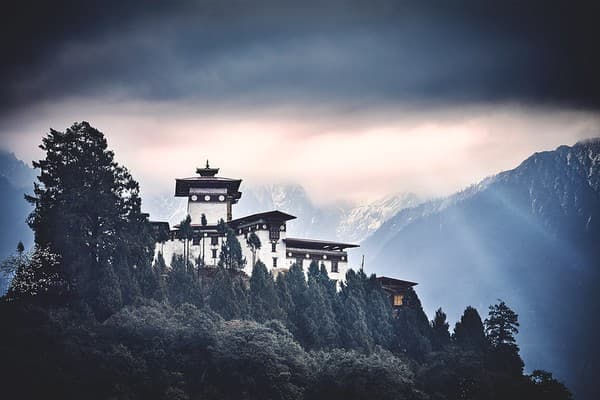
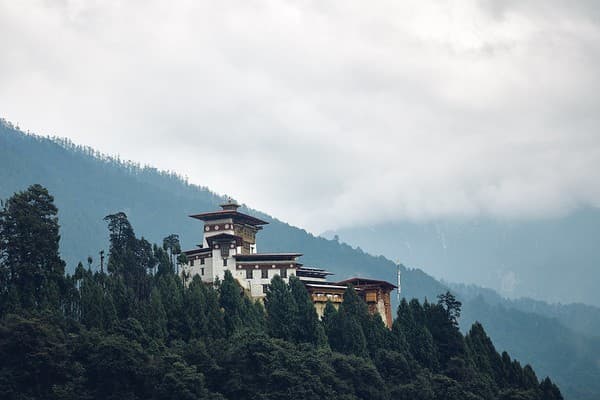
Gasa is Bhutan's northernmost and one of the least populated districts, prized for its high‑altitude alpine landscapes, traditional nomadic yak and yak-cattle herding culture, and important historical sites such as the district dzong. It serves as a gateway to some of Bhutan's most remote trekking routes, including trails connected to the famed Snowman Trek. The combination of pristine mountain scenery, unique highland communities, and thermal springs gives Gasa both natural and cultural significance.
Last updated: 16 Jan 2026
Places to visit
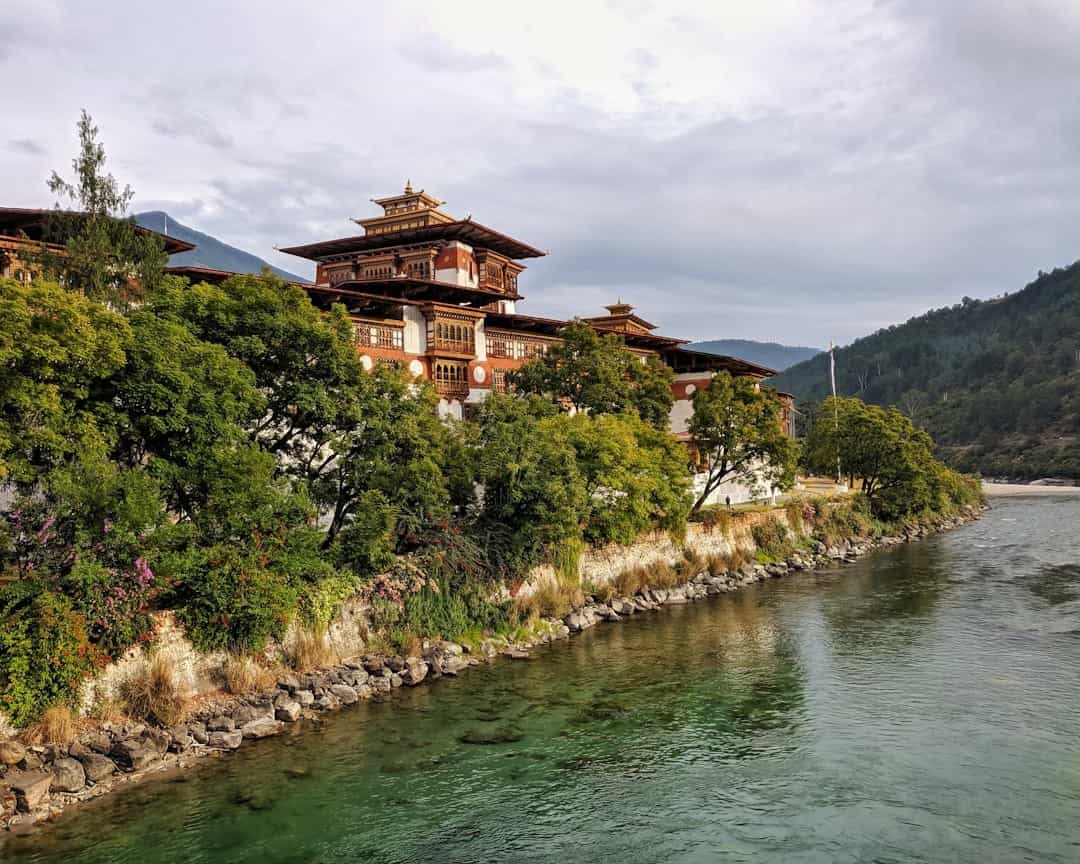
- Gasa Dzong (historic fortress and administrative center)
- Gasa Tsachu (the famous hot springs / thermal baths)
- Access points for long-distance treks (including approaches connected with the Snowman Trek)
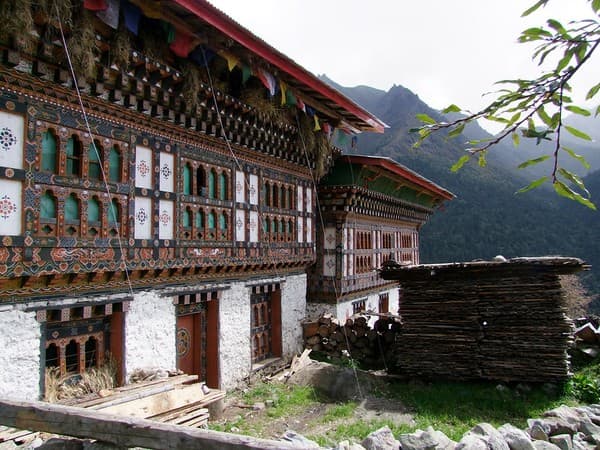
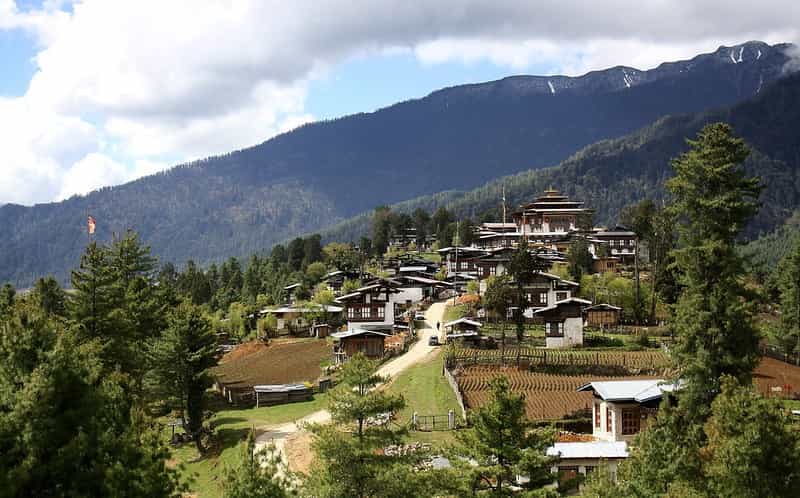
- Traditional highland villages and yak pastures
- Scenic mountain passes and alpine meadows
Unique Aspects
- High‑altitude alpine terrain with sweeping valleys and ridgelines
- Natural hot springs with traditional stone bathing pools
- Sparse, traditional communities practicing yak and cattle pastoralism
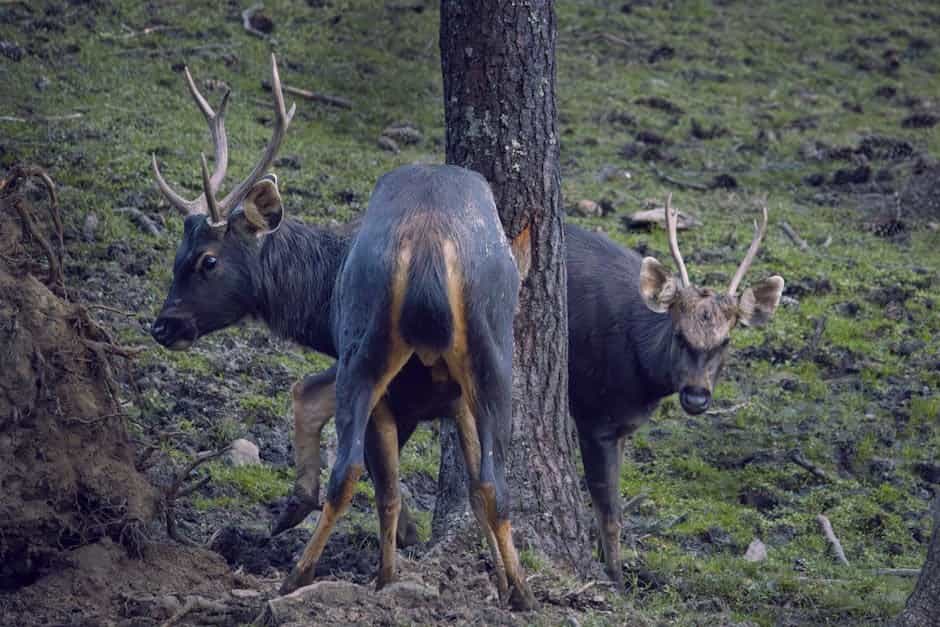
- Seasonal wildflowers and specialist alpine flora; opportunities to spot highland birds and mammals
Things to do
- Soak in the naturally heated pools at Gasa Tsachu and experience local bathing traditions
- Short hikes around the valley and multi‑day trekking to higher passes for experienced trekkers
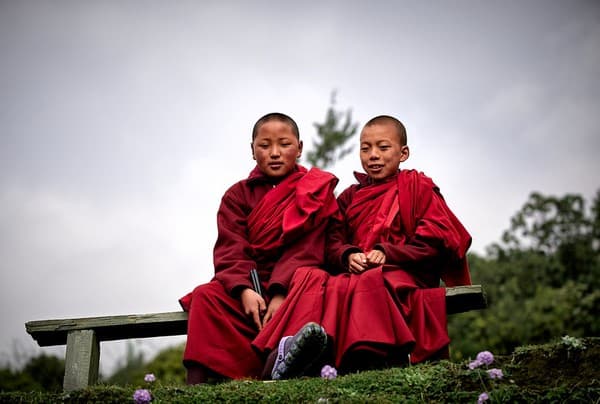
- Visit Gasa Dzong and nearby villages to observe traditional architecture and local life
- Birdwatching and wildlife spotting in alpine habitats
- Meet local herders and learn about yak husbandry and seasonal pastoral cycles
Festivals & Events
- Local tshechu (religious festival) events held in and around the dzong (dates vary by year and locality)
- Seasonal community gatherings and pastoral festivals related to yak and highland farming
Best Time to Visit
May–October for the best trekking conditions, accessible roads, milder weather and alpine wildflowers. Winter (November–April) brings heavy snow and difficult or closed roads; travel is only recommended for experienced winter mountaineers with local guidance.
Weather Conditions
Alpine climate: cool summers (daytime comfortable, nights chilly) and very cold winters with frequent snowfall. Temperatures can drop below freezing at night for much of the year; sudden weather changes are common at higher elevations.
Accessibility
Nearest international airport: Paro (PBH). Gasa is remote — expect several hours by road from Punakha/Paro/Thimphu over mountain roads; sections may be rough and require a 4x4 vehicle. Some valleys and passes are only reachable on foot via trekking routes. Special permits may be needed for certain high‑altitude treks; always arrange logistics through your operator.
Recommended Duration
2–4 days to experience Gasa Dzong and the hot springs comfortably; 8–21 days or more if you plan to include long-distance treks such as segments connected to the Snowman Trek.
Clothing & Gear Tips
Pack layered clothing (thermal base layers, fleece/mid layer, insulated jacket), waterproof outer shell, sturdy hiking boots, warm hat and gloves, sun protection (sunglasses, sunscreen), high‑quality sleeping bag for trekking, trekking poles, and basic personal first-aid and altitude preparedness items.
Local Food & Souvenirs
Try Bhutanese highland specialties: ema datshi (chili‑cheese), buckwheat dishes, yak dairy products, and local soups; sample yak butter tea and preserved meats. Souvenirs include yak wool garments, handwoven textiles and locally carved wooden items.