Gasa Hot Springs (Tshachu), Bhutan
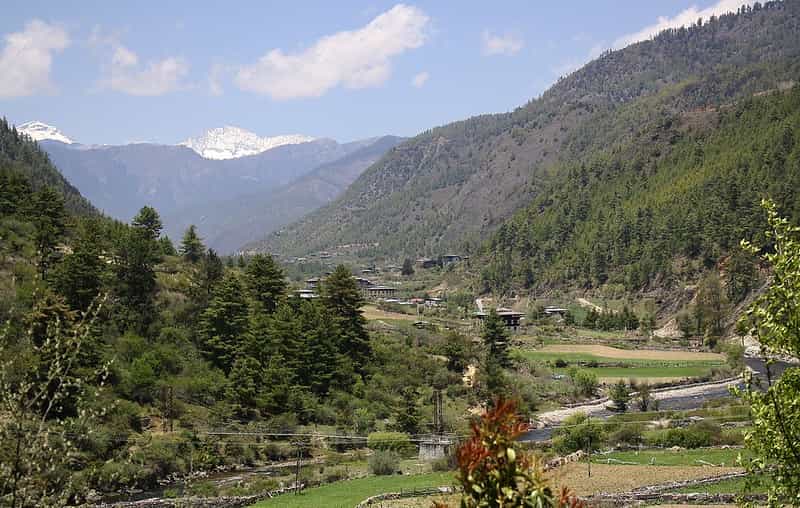
Gasa Hot Springs (Tshachu) is a culturally and naturally significant site in northern Bhutan. The geothermal springs have been used for centuries by local communities for their believed therapeutic properties, particularly for treating skin conditions, rheumatism, and other ailments. The site is also a pilgrimage destination with strong ties to Bhutanese Buddhism and local spiritual practices. Set within the remote, pristine alpine environment of Gasa District, the springs are surrounded by coniferous forests, rivers and highland pastures, contributing to the area's natural and ecological importance.
Last updated: 22 Jan 2026
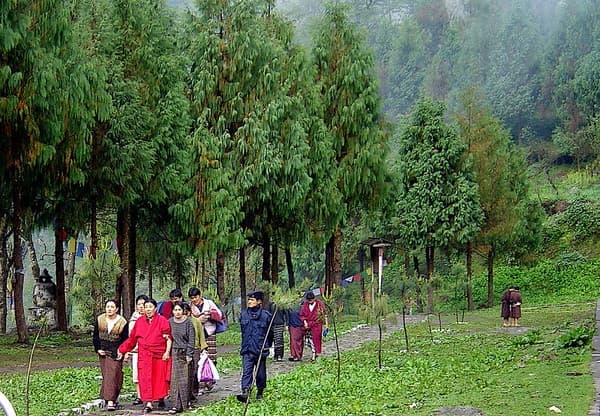
Places to visit
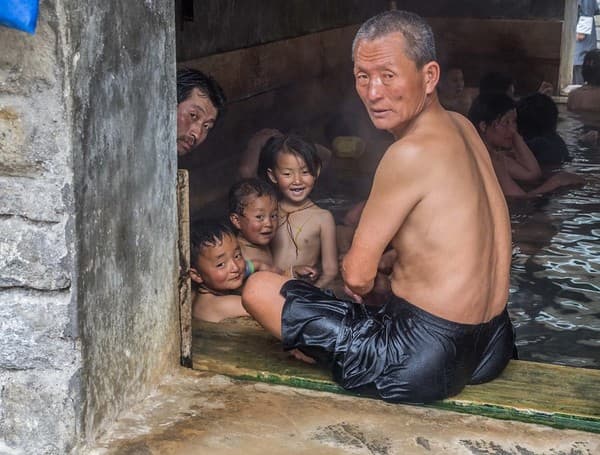
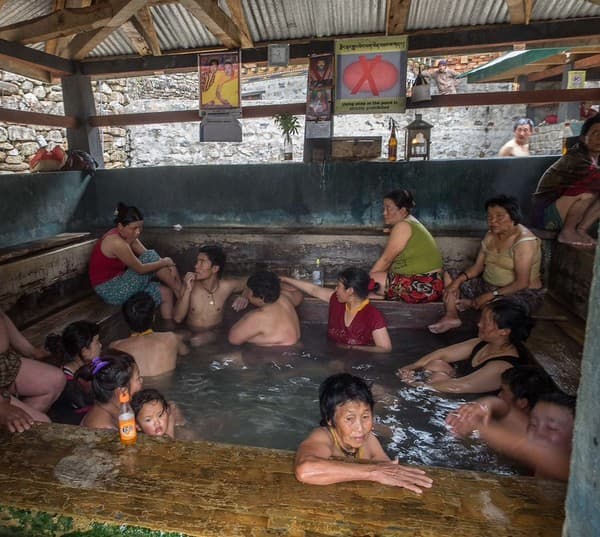
- Main cluster of Gasa Hot Springs (multiple natural pools with varying temperatures)
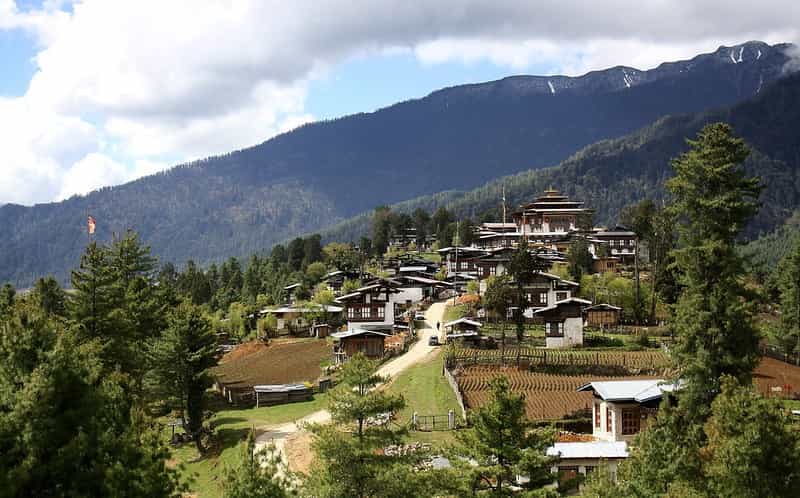
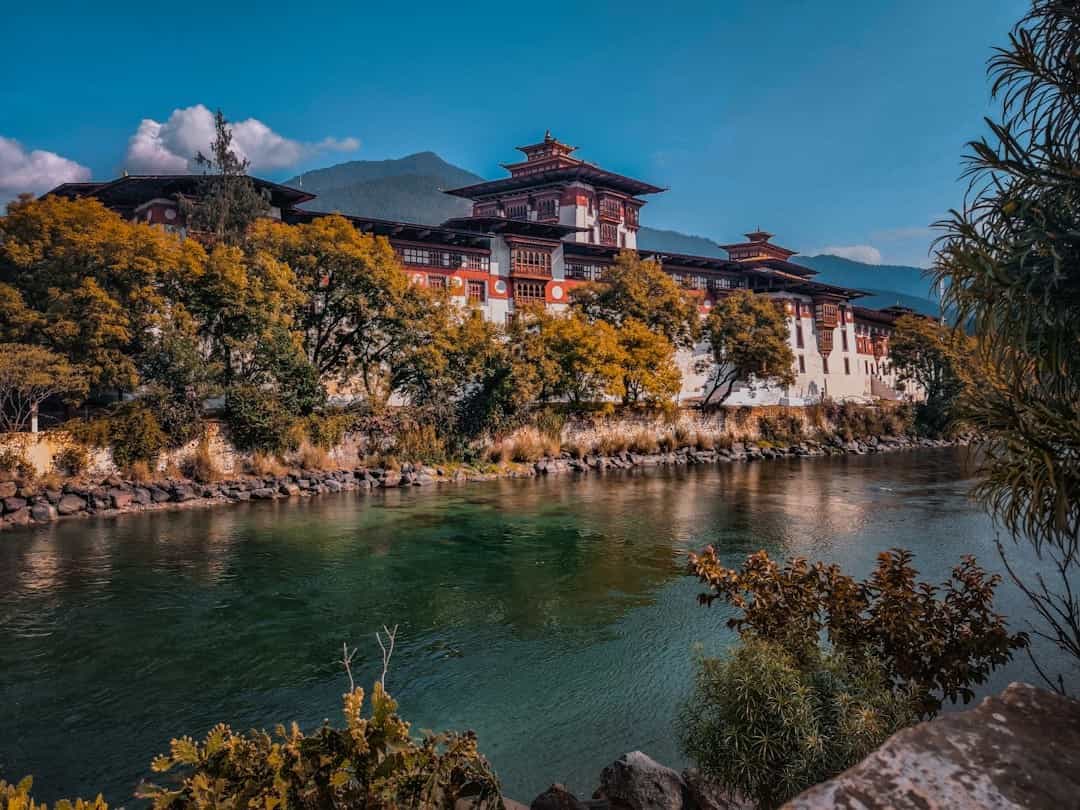
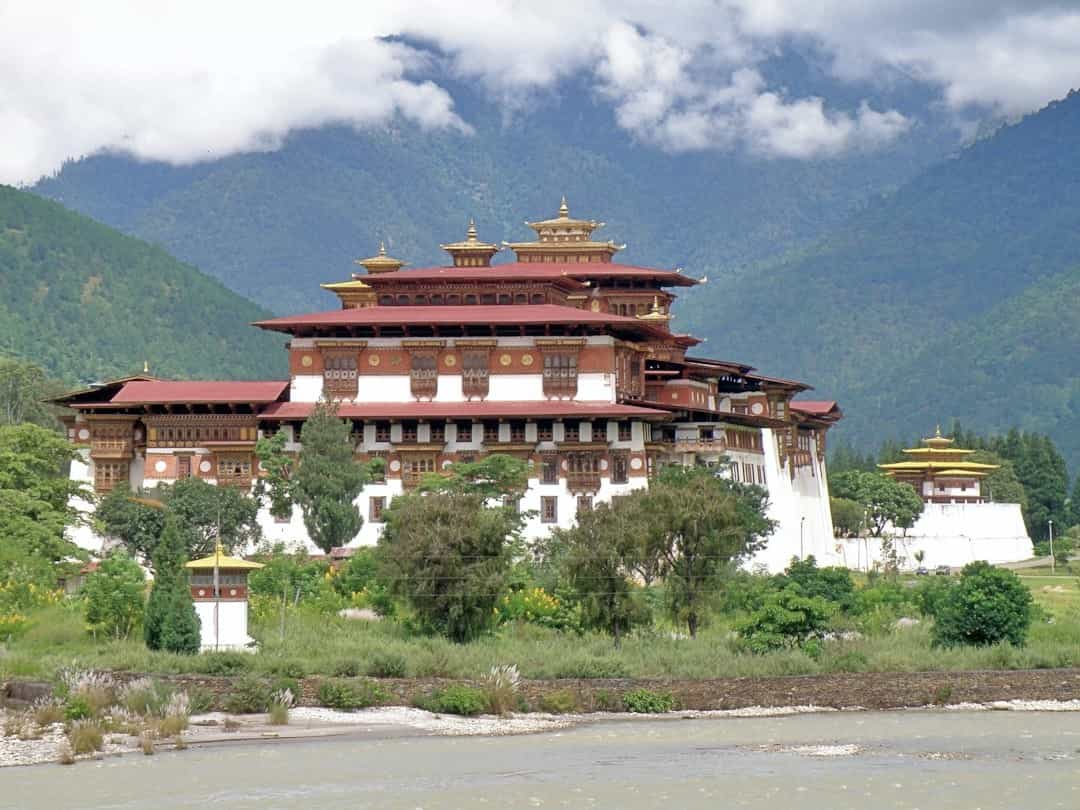
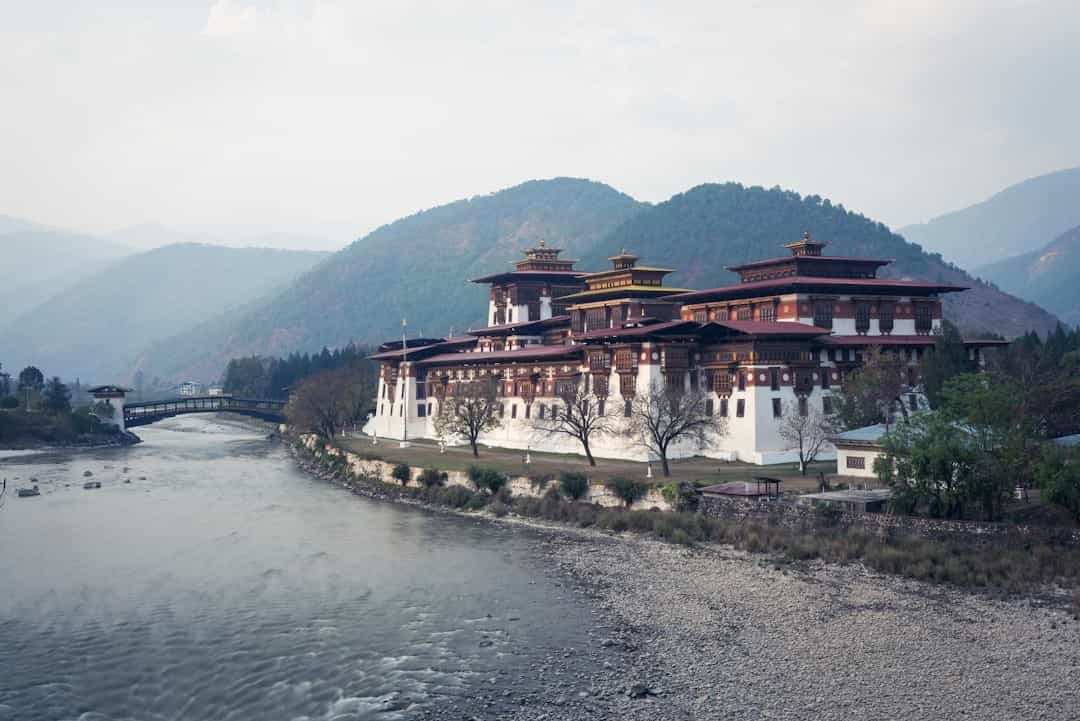
- Gasa Dzong (the district fortress offering views of the valley and nearby mountains)
- Scenic rivers and alpine meadows around the hot springs
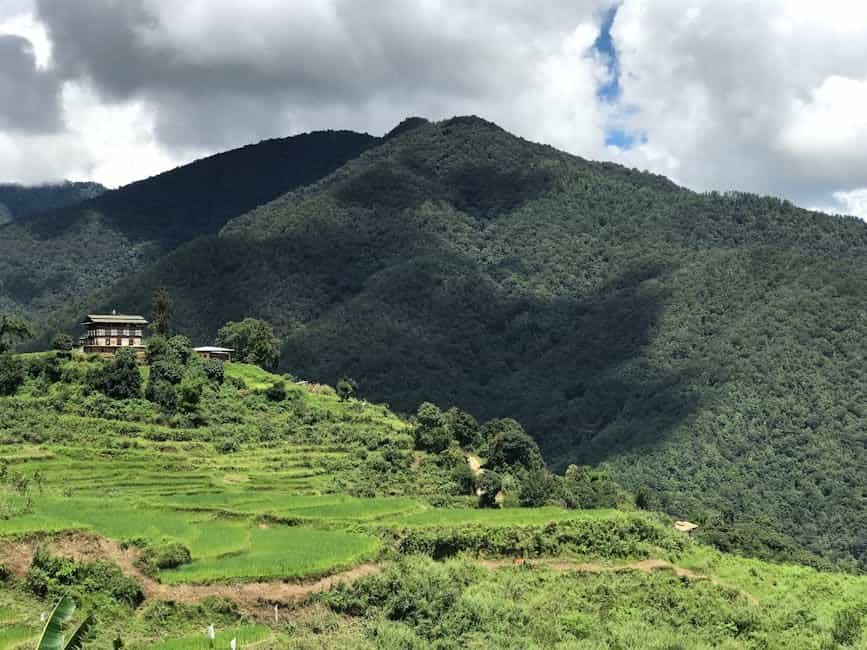
- Traditional villages and yak-herding pastures nearby
- Trailheads for local hikes and access toward highland treks
Unique Aspects
- Mineral-rich geothermal waters believed to have therapeutic properties
- Natural pools set in a remote high-altitude environment with pine and fir forests
- Combination of spiritual bathing rituals and local healer (traditional) practices
- Stunning seasonal contrasts — lush green summers and snow-dusted winters
- Relatively untouched, low-tourism atmosphere compared with Bhutan’s main tourist centers
Things to do
- Bathing in the hot spring pools — often viewed as both therapeutic and spiritual
- Pilgrimage-style rituals and offerings (follow local customs and modesty rules)
- Short hikes around the springs and along nearby river valleys
- Visiting Gasa Dzong and engaging with local communities
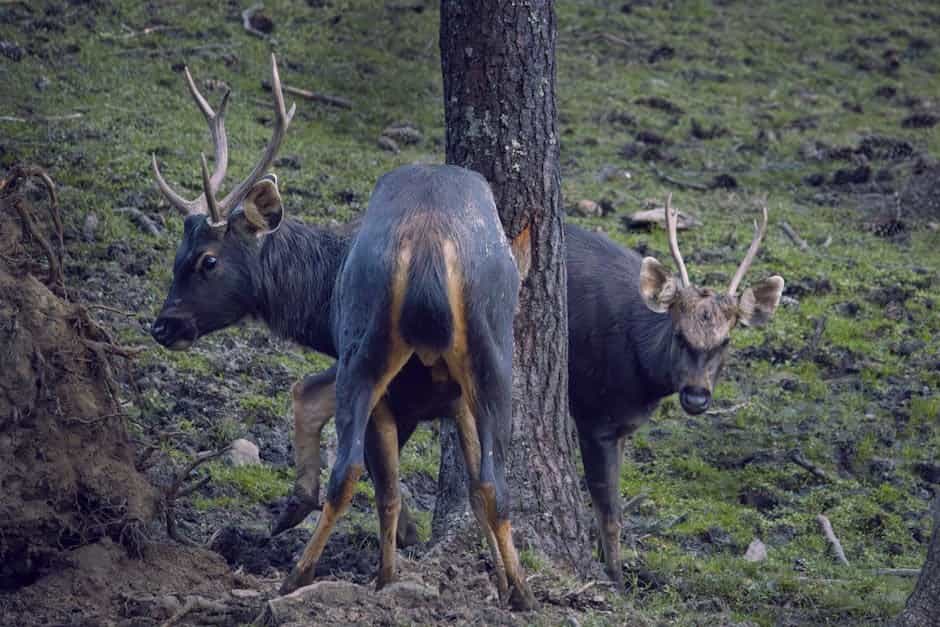
- Wildlife and birdwatching in surrounding alpine and forest habitats
Best Time to Visit
Spring (March–May) and autumn (September–November) for stable weather and clear views. Late spring also coincides with many local festivals. Summer (monsoon) is wetter and can make roads difficult; winter can be very cold and some roads or passes may be obstructed by snow.
Weather Conditions
Alpine climate — cool to cold year-round at the high elevation. Days can be mild in summer but nights remain chilly. Expect cold winters with possible snowfall; monsoon season brings rain and increased cloud cover.
Entry Fees & Permits
There is no widely advertised official entry fee specifically for the hot springs, but visitors should expect to make a modest donation or pay for any local services (guides, towels, simple facilities). The springs are generally accessible year-round, though individual pools or facilities may have limited caregiver presence in winter. Bhutan’s national tourist tariff (for international visitors) applies to travel within Bhutan — check with your tour operator.
Accessibility
Gasa is remote and reached by road from Punakha/Phobjikha or by overland routes from central Bhutan. Travel typically requires a sturdy 4x4 and the journey involves winding mountain roads; drive times from Punakha or nearby towns can be several hours. Nearest international airport: Paro International Airport (Paro) — onward road transfer required. Some visitors combine a trip to Gasa with treks (e.g., routes leading toward higher alpine areas). Local guides and drivers are recommended.
Recommended Duration
Plan at least 1–2 days in Gasa to enjoy the springs, visit Gasa Dzong, and acclimatize. If combining with treks or more exploration of northern Bhutan, allow additional days.
Clothing & Gear Tips
Warm layered clothing, thermal base layers for cold evenings, waterproof jacket for rain, sturdy hiking boots, hat and gloves in colder months. Bring swimwear or modest clothing for bathing (note local customs), a towel, and any personal toiletries.
Local Food & Souvenirs
Try local Bhutanese dishes such as ema datshi (chili and cheese), buckwheat pancakes, and butter tea. Local yak and mountain dairy products may be available. Souvenirs include handwoven textiles, local textiles and scarves, prayer flags, and herbal remedies or teas sourced from the region.