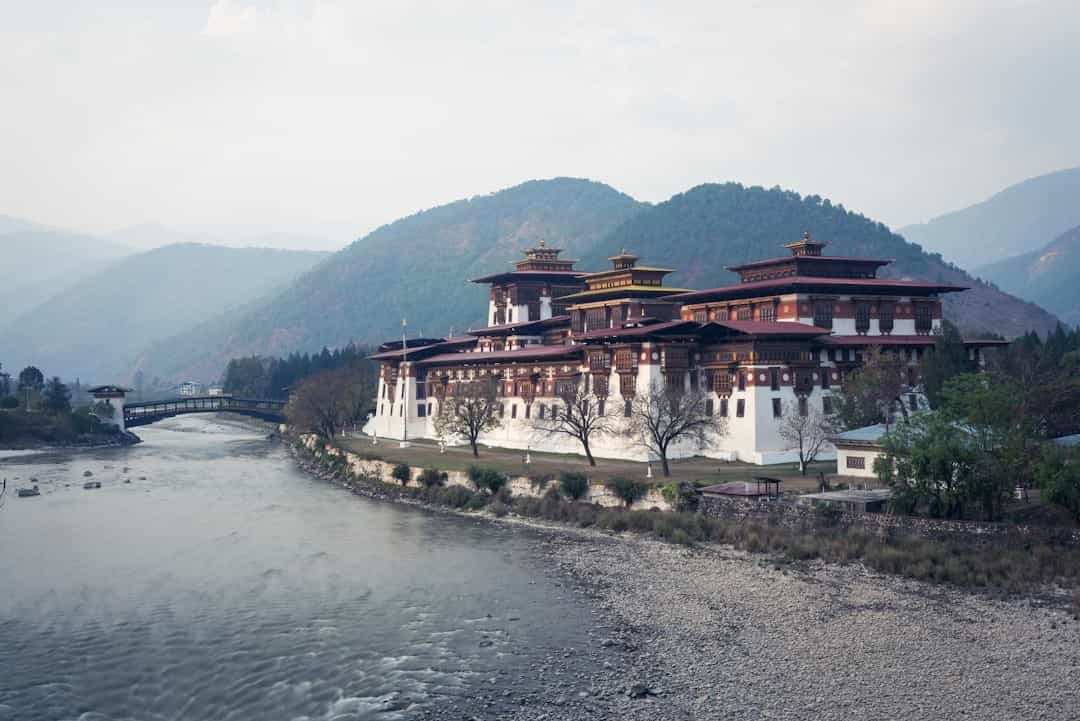
Haa Valley, Bhutan
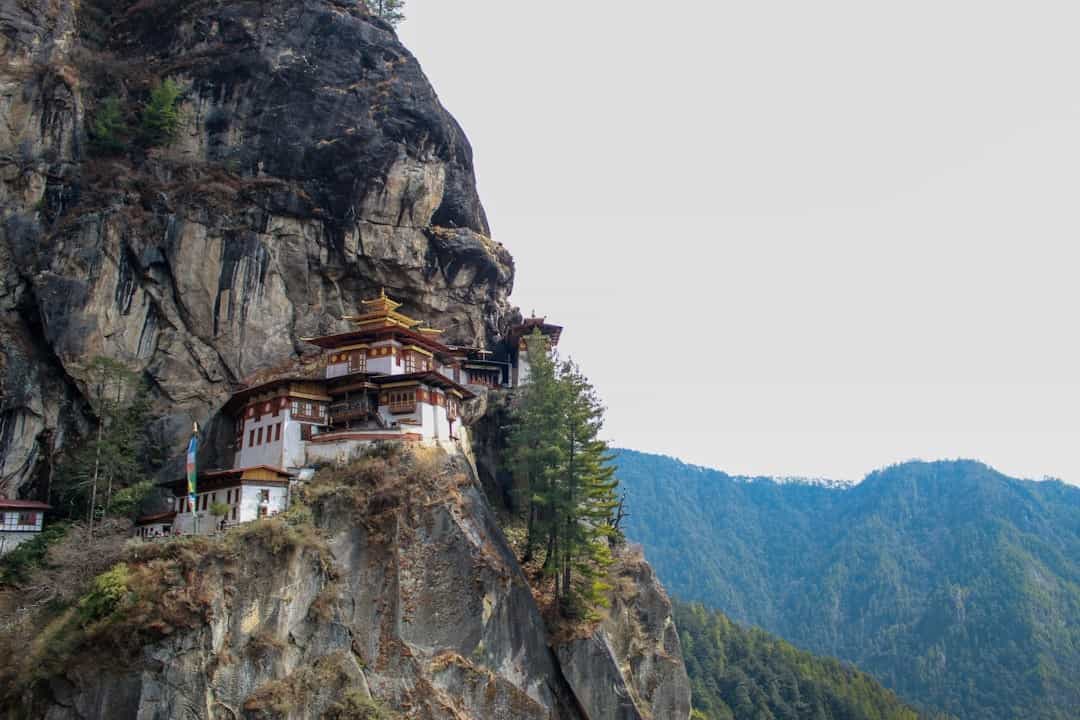
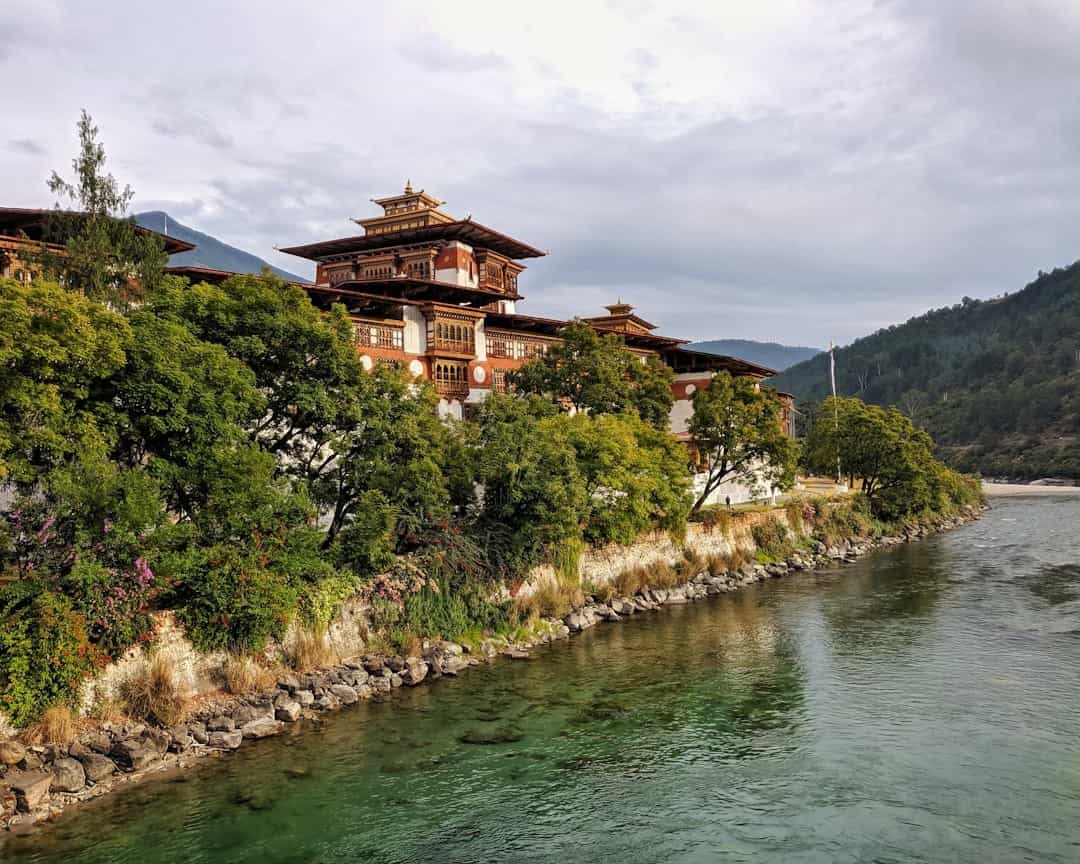
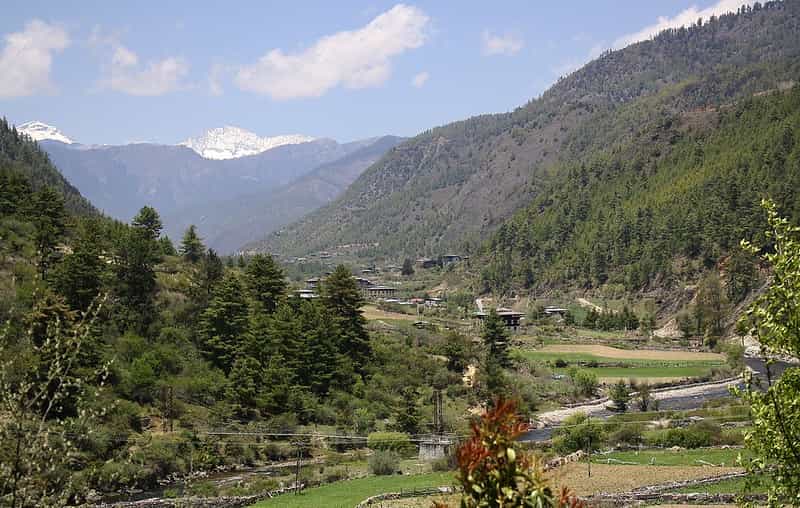
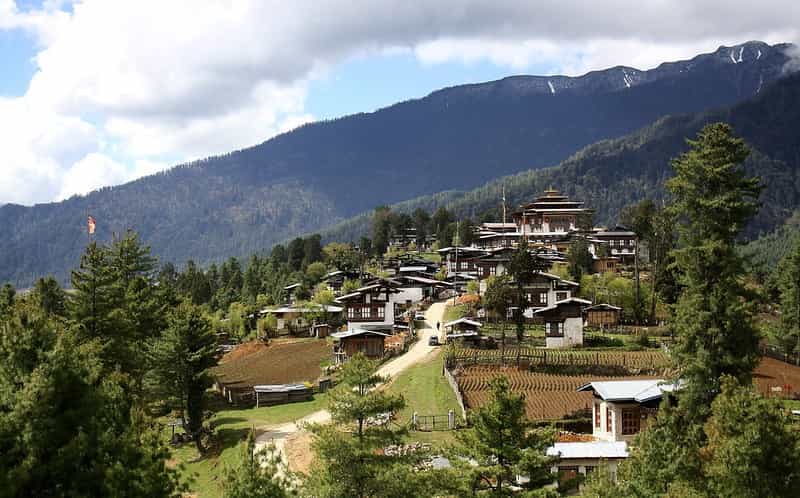
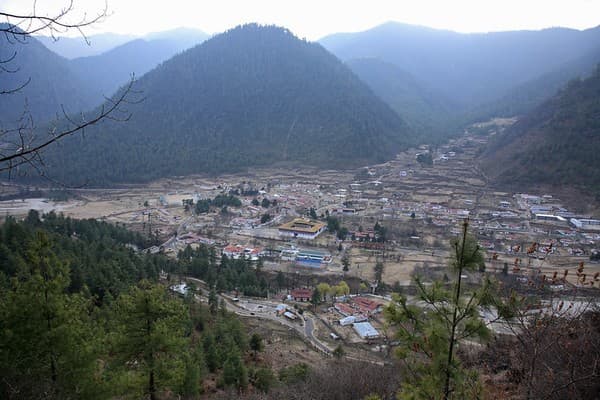
Haa Valley is a remote, high-altitude valley in western Bhutan known for its well-preserved traditional Bhutani culture, ancient temples, and pristine natural environment. The valley has historically served as an agricultural and pastoral community with strong ties to Bhutanese Buddhist practice. Its isolation helped maintain traditional lifestyles, architecture, and festivals that showcase rural Bhutanese heritage.
Last updated: 22 Jan 2026
Places to visit
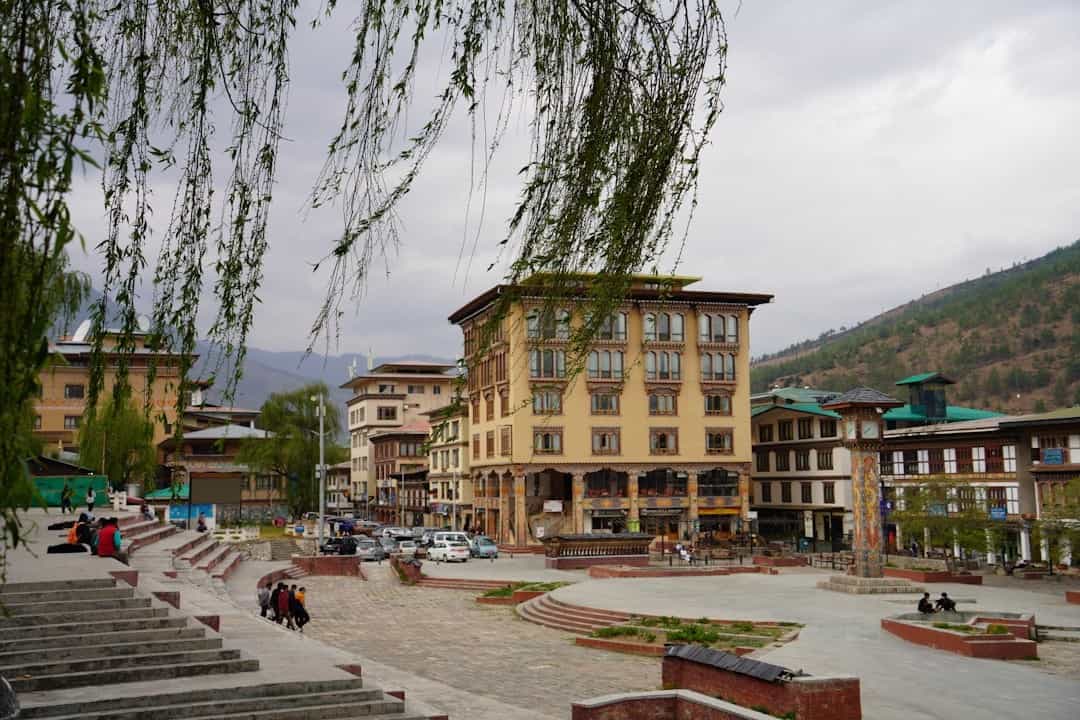
- Haa Town (traditional market and village life)
- Lhakhang Karpo and Lhakhang Nagpo (historic local temples)
- Haa Dzong and local monasteries
- Chele La (Cheli La) pass — scenic mountain pass
- Traditional villages and yak pastures
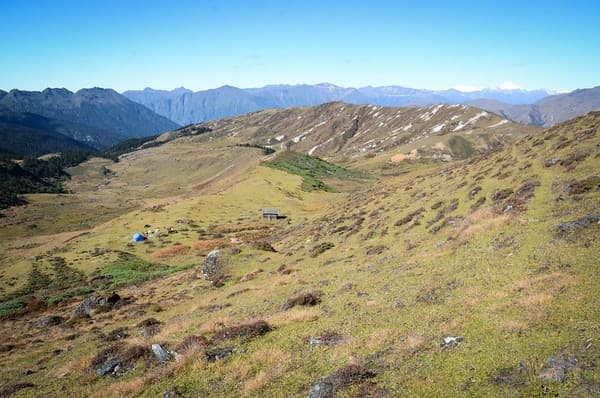
- Alpine meadows and pine-forested slopes
Unique Aspects
- Well-preserved rural Bhutanese architecture and customs
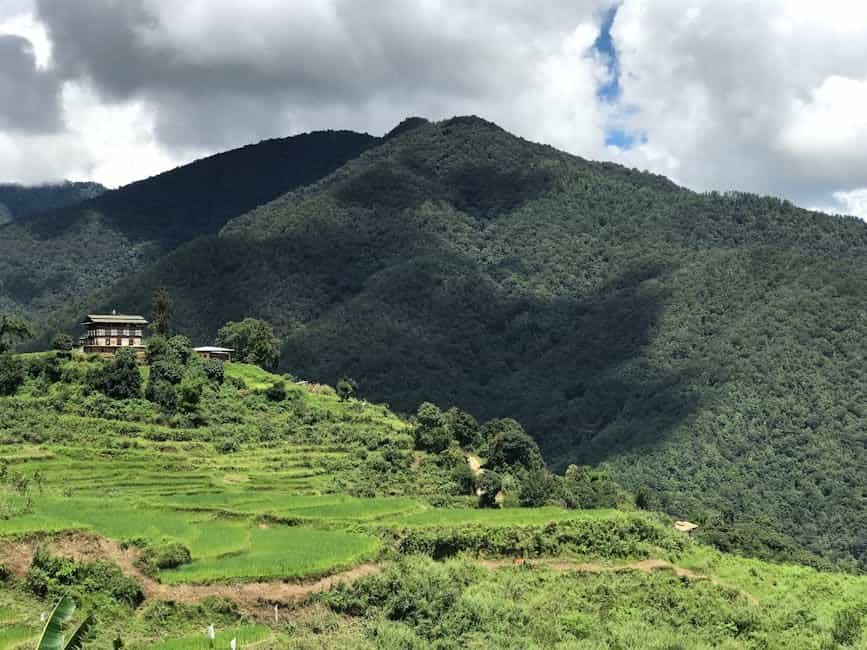
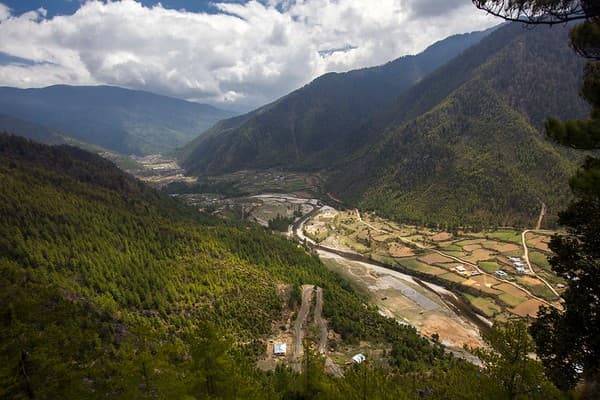
- High-altitude landscapes with pine forests, meadows, and terraced fields
- Quiet, low-tourist environment offering authentic cultural interaction
- Panoramic mountain views on clear days from passes and ridgelines
Things to do
- Cultural walks and village visits to observe traditional life
- Short hikes and nature walks around the valley and to nearby passes
- Photography of landscapes, temples, and daily life
- Yak- and horse-riding in summer pasture areas
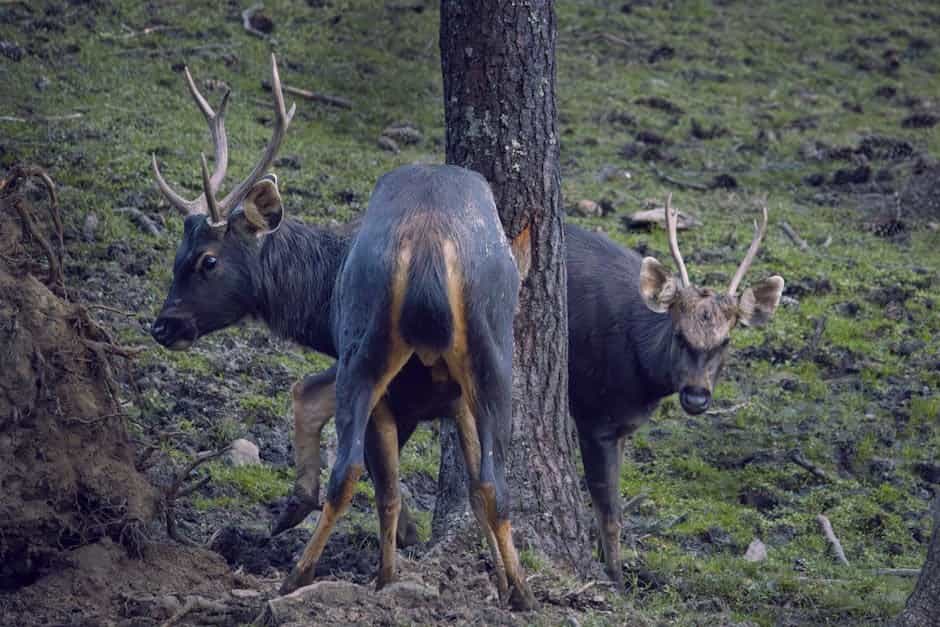
- Birdwatching and seasonal wildlife observation
- Homestays and interactions with local households
Best Time to Visit
Late spring (March–May) and autumn (September–November) for stable weather and clear views. The Haa Summer Festival is typically in June if you want a cultural event. Winters are cold and snowy; access can be limited.
Weather Conditions
Mountainous alpine climate: cool to mild in spring/summer, crisp and clear in autumn, and cold with snow in winter. Expect significant temperature swings between day and night.
Accessibility
Haa is reached by road from Paro via Chele La (a high mountain pass). The nearest airport is Paro International Airport (road transfer typically ranges from about 1.5–3 hours depending on road and weather conditions). Roads can be winding and may be affected by snow in winter; a sturdy vehicle is recommended.
Recommended Duration
1–2 days to experience the main valley attractions and a village visit; 2–4 days if combining hikes, homestays, or attending a festival.
Clothing & Gear Tips
Layered clothing (base layers, insulating mid-layer, waterproof outer layer), warm hat and gloves for mornings/evenings, sturdy walking shoes or boots, sunscreen, and sunglasses for high-altitude sun exposure.
Local Food & Souvenirs
Local foods: traditional dishes such as ema datshi (chili-cheese), buckwheat-based items, butter tea, and yak dairy products. Souvenirs: handwoven textiles, locally made cheese and dairy products, simple wood or bamboo crafts, and traditional Bhutanese garments (toego/kira) bought through local vendors.