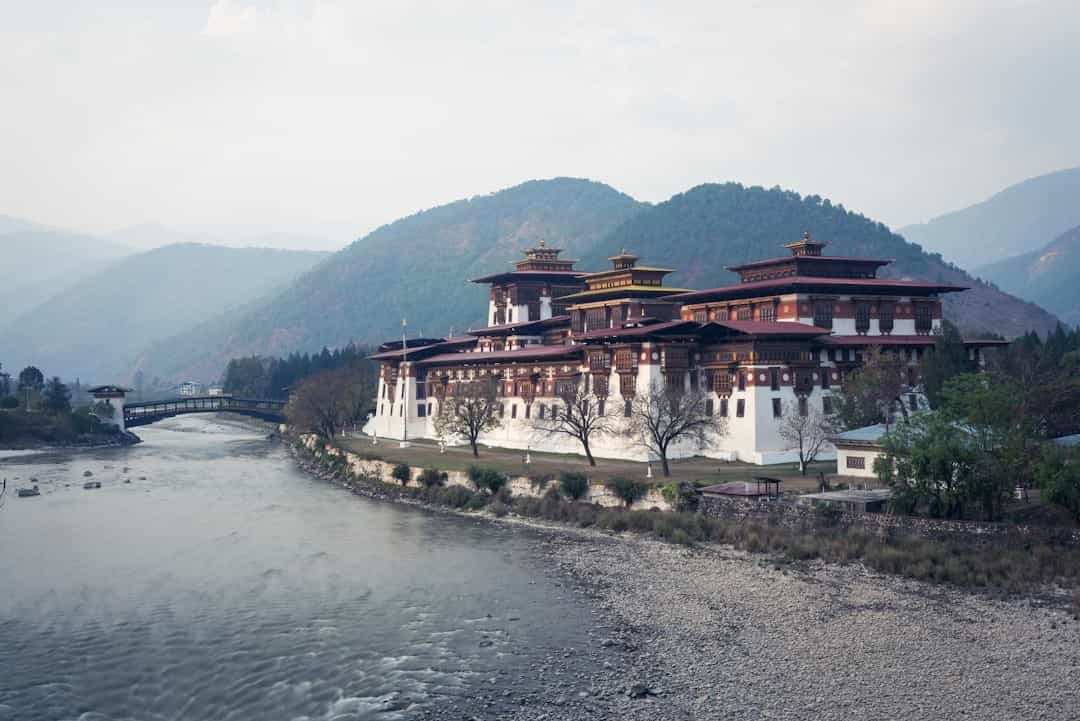
Jambay Lhakhang, Bhutan
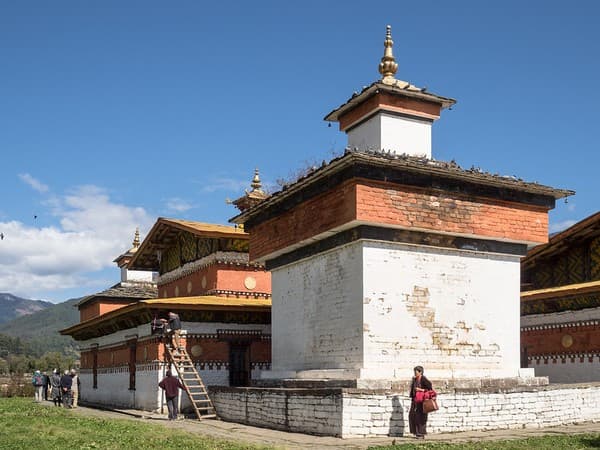
Jambay Lhakhang (also spelled Jampa Lhakhang) is one of Bhutan's oldest and most revered temples, located in the Jakar valley of Bumthang in central Bhutan. Traditionally attributed to Tibetan King Songtsen Gampo in the 7th century CE, it is considered a vital site for the introduction and establishment of Buddhism in Bhutan. The temple is an important pilgrimage site and a focal point of spiritual life and local cultural identity in Bumthang.
Last updated: 22 Jan 2026
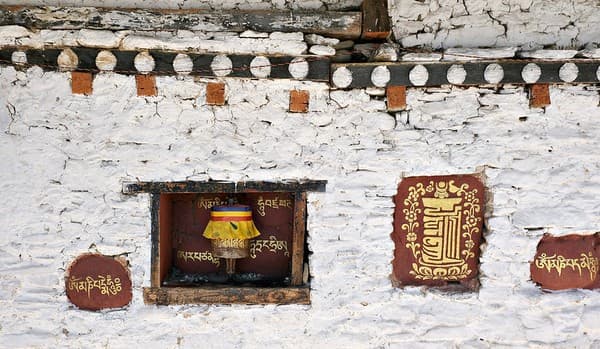
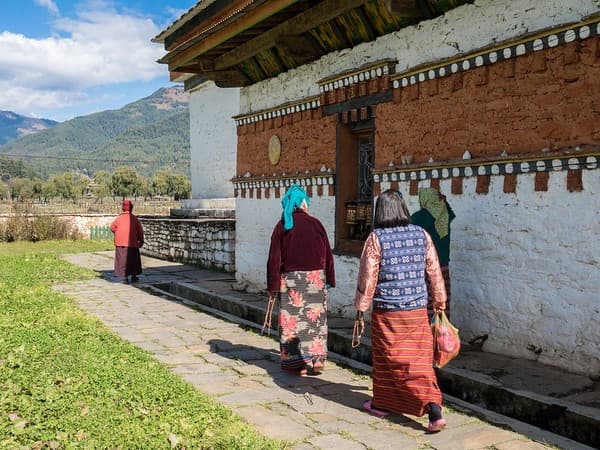
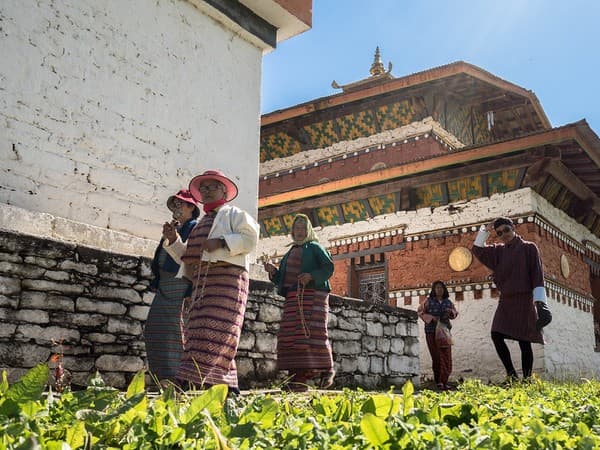
Historic Anecdotes
Local legend links Jambay Lhakhang to the story of the demoness (ogress) subdued by temples: Songtsen Gampo is said to have founded many temples across the Himalaya to pin down a supine ogress whose body was preventing Buddhism from flourishing. Jambay Lhakhang is one of those temples. The site is also associated with visits by saints such as Guru Rinpoche (Padmasambhava) and other important Buddhist masters; many local miracles and protective tales are told about the shrine and its statues.
Places to visit
- The main temple (Jambay Lhakhang) with its ancient central image of Buddha/Jampa (Maitreya)
- Inner sanctum and old murals/statues — notable for their age and devotional importance
- Courtyard and surrounding chapels used for rituals and mask dances
- Jambay Lhakhang Drup festival activities (masked dances and unique ritual performances) held on temple grounds
Unique Aspects
- One of Bhutan's earliest stone- and timber-built temples retaining traditional Bhutanese architecture
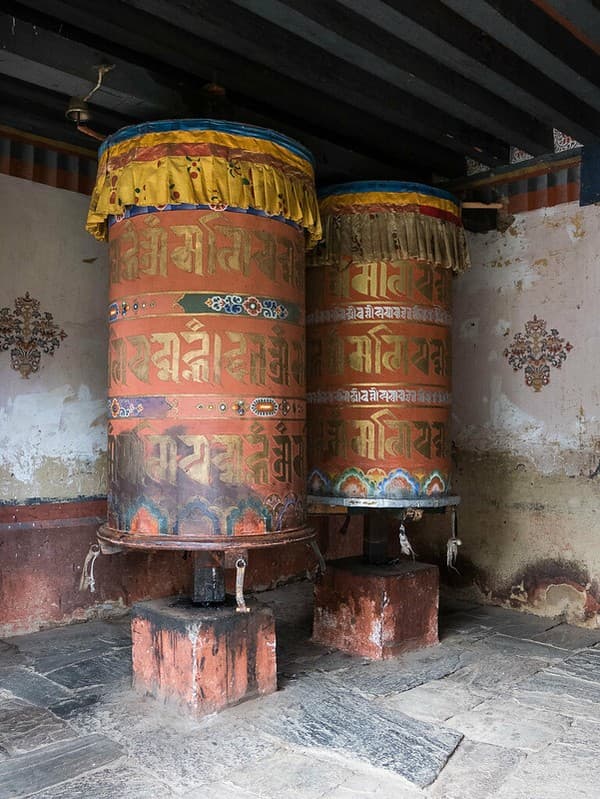
- Rich local legends and ongoing living religious practices — the temple is not just a museum but an active monastery
- Annual ritual performances that include rare and regionally specific dances (including the famed 'naked' or semi-naked ritual performers during the drup)
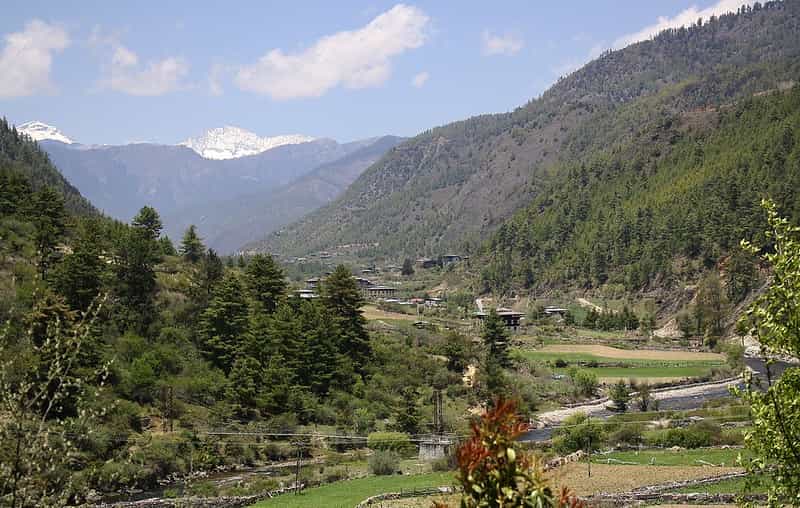
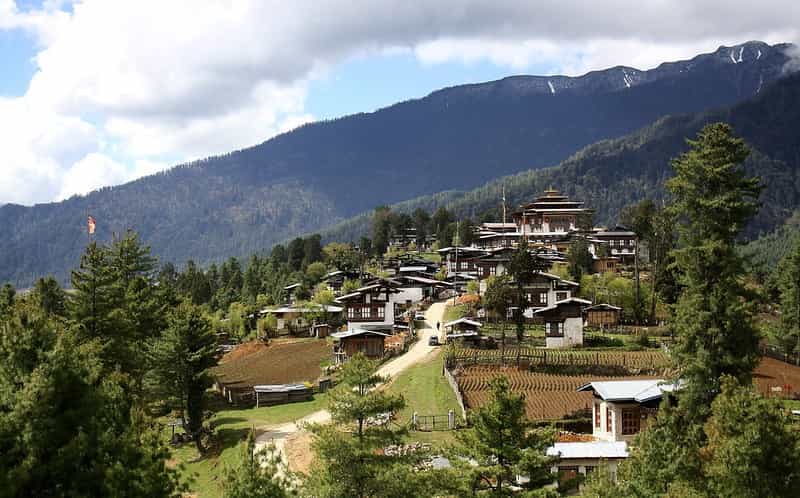
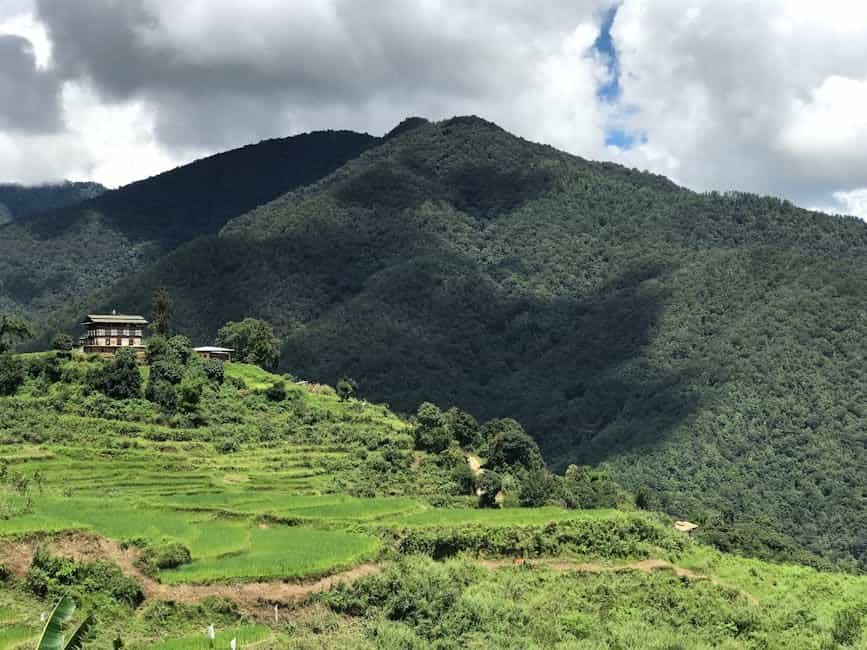
- Scenic location in the Bumthang valley surrounded by agricultural terraces and mountain views
Things to do
- Visit the main shrine and observe daily prayer rituals and butter lamp offerings
- Walk the temple courtyard and adjoining chapels, viewing murals and statues
- Attend the Jambay Lhakhang Drup (festival) to experience traditional masked dances and local celebrations
- Photograph the architecture and valley views (respect temple photography rules)
- Meet local devotees and learn about Bumthang's monastic traditions
Festivals & Events
- Jambay Lhakhang Drup — the temple's main annual festival featuring ritual dances, masked performances, and distinctive local ceremonies (usually in the autumn; dates follow the lunar calendar)
- Occasional pujas and consecration ceremonies observed throughout the year
Best Time to Visit
Best times are spring (March–May) and autumn (September–November) — spring for milder weather and blooming valleys, autumn for clearer skies and festival season (including the drup).
Weather Conditions
Bumthang has a temperate mountain climate: warm days and cool nights in summer, crisp and dry in autumn, and cold winters with possible frost and occasional snow at higher elevations. Pack layers.
Entry Fees & Permits
There is no widely advertised formal entrance fee specifically for Jambay Lhakhang, though donations to the temple or monastery are customary. Bhutan's national tourism fees (SDF/tourism package) apply to most international visitors; check with your tour operator. Temples are typically open dawn to dusk, but exact hours vary — confirm locally.
Accessibility
Located near Jakar (Bumthang town) in central Bhutan. Nearest airport: Bumthang (Bathpalathang) Airport with seasonal and weather-dependent flights (flight schedules from Paro or other hubs). Road access from Jakar is short — many visitors stay in Jakar and reach the temple by a brief drive or walk. Some uneven steps and courtyards — basic mobility required.
Recommended Duration
Allow 1–3 hours to visit the temple properly. If attending the festival or exploring Bumthang, plan 1–3 days in the region to visit other monasteries and sights.
Clothing & Gear Tips
Dress modestly (shoulders and knees covered) when visiting shrines. Bring layered clothing for variable mountain weather, comfortable walking shoes, and a light rain jacket. Remove shoes and hats when entering the inner temple; follow local custom.
Local Food & Souvenirs
Try local Bumthang specialties such as buckwheat dishes, Bumthang cheese (made from yak or cow milk), and local dairy-based foods. Souvenirs include handmade textiles, traditional masks, thangka paintings, and local artisanal crafts. Respect restrictions on the sale of certain religious items.