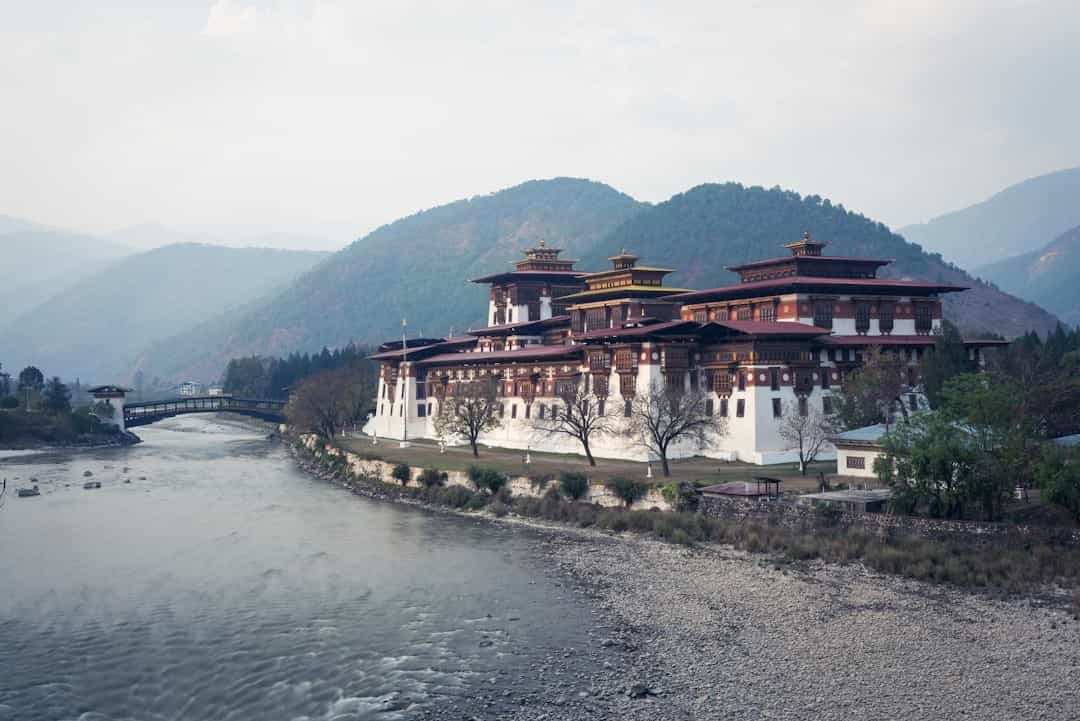
Jigme Dorji National Park, Bhutan
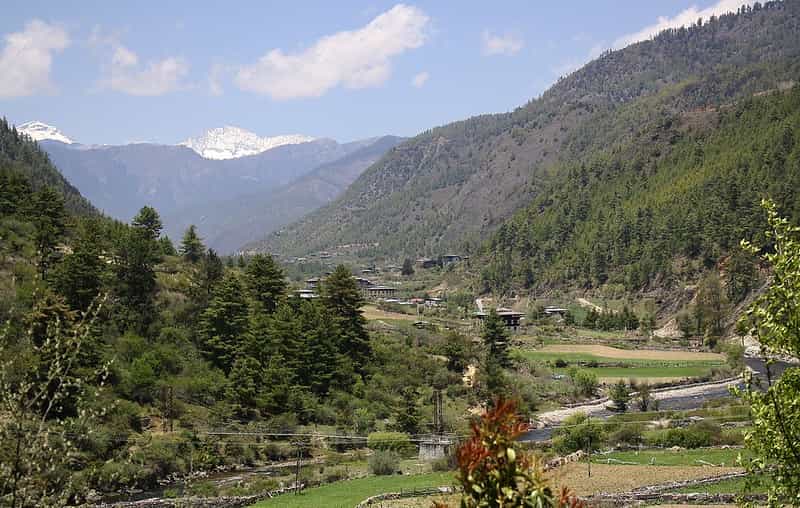
Jigme Dorji National Park (JDNP) is one of Bhutan's most important protected areas — established in 1974 and named for King Jigme Dorji Wangchuck. Covering roughly 4,300–4,400 km², it protects a vast altitudinal range (low river valleys to glaciated peaks) and is critical for conserving Himalayan biodiversity and watersheds that feed major rivers. The park links important biological corridors and supports traditional high‑altitude pastoralist communities.
Its natural importance includes habitat for high‑altitude species and extensive glacier systems; culturally, many peaks and valleys within the park are considered sacred by local communities and are associated with spiritual traditions.
Last updated: 22 Jan 2026
Places to visit
- Gangkar Puensum (sacred high peak and surrounding glaciated terrain)
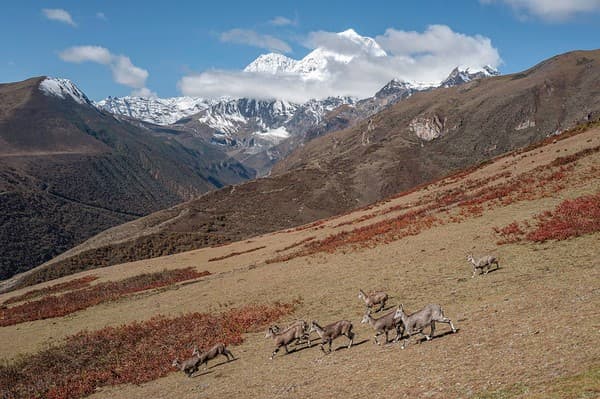
- High‑altitude valleys and glacial landscapes
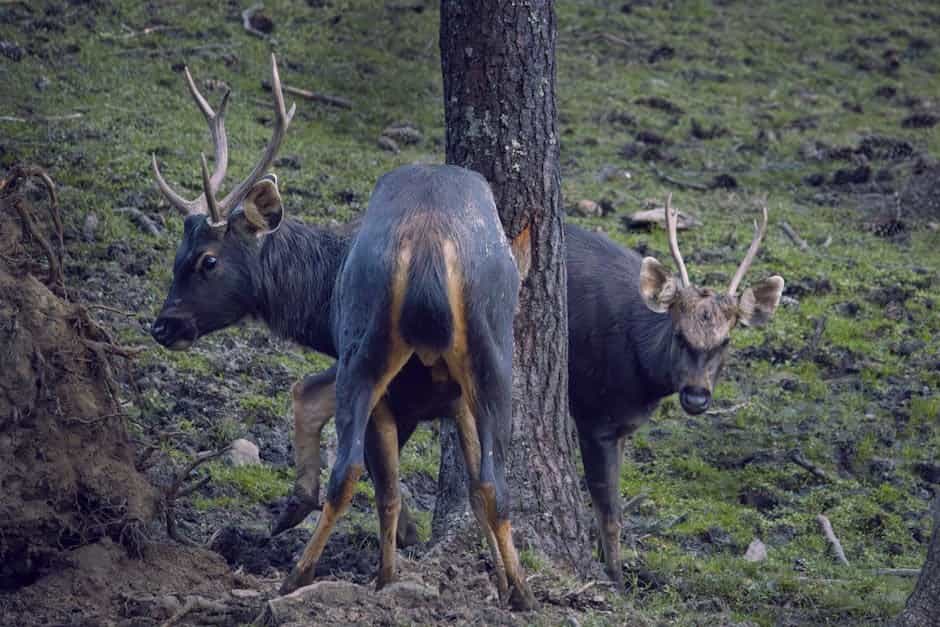
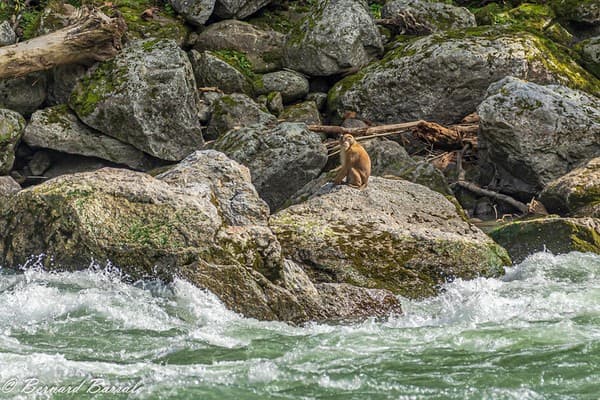
- Rich wildlife including snow leopard, takin, blue sheep, musk deer and Himalayan black bear
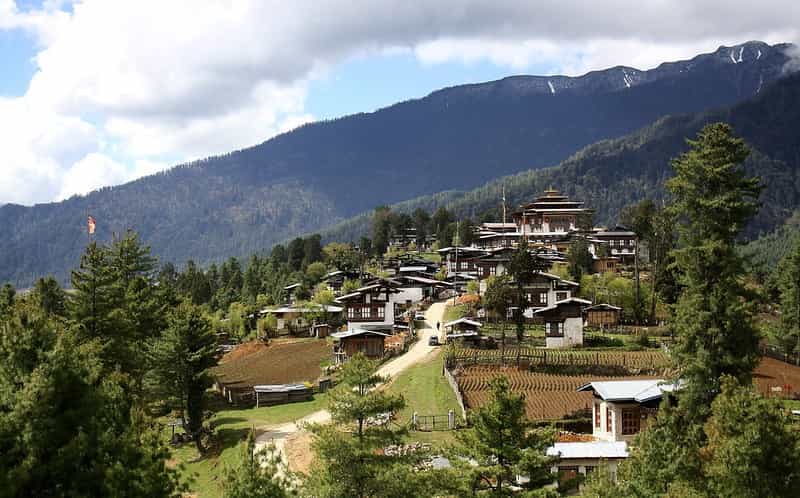
- Remote highland communities and traditional yak pastures (e.g., Laya, Lunana regions)
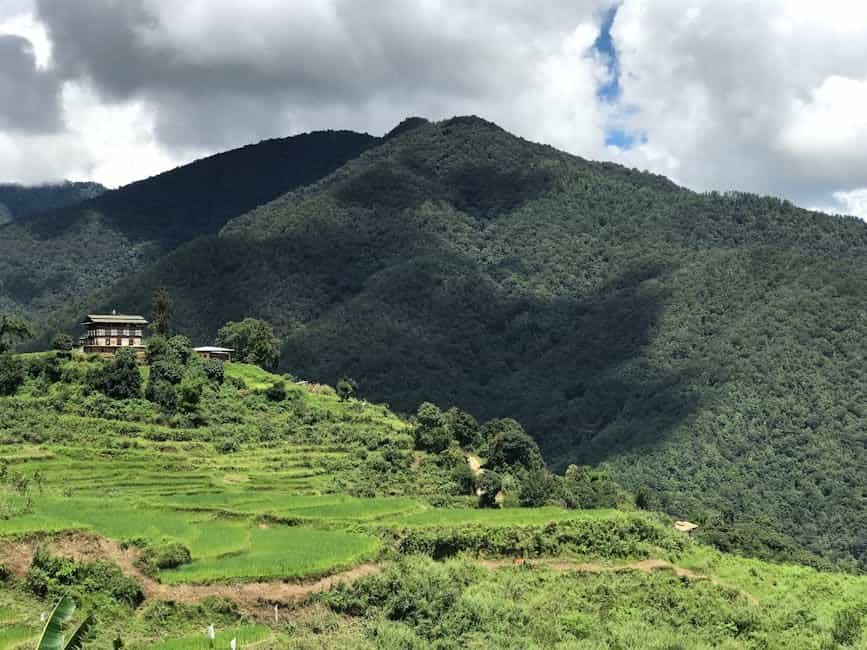
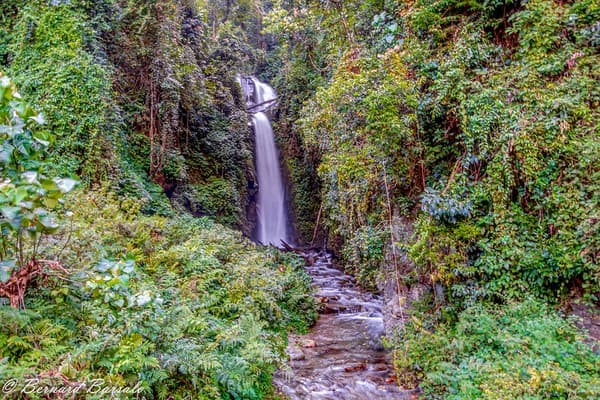
- Scenic passes, alpine meadows and pristine rivers/tributaries
Unique Aspects
- Huge altitude gradient from river valleys to permanent ice — wide ecological zones
- Important watershed protecting glacial melt and freshwater resources
- Strong cultural‑spiritual connections: sacred peaks, local lhakhangs and chortens
- Opportunities to encounter rare high‑altitude wildlife and endemic plants
- Remote, off‑the‑beaten‑path trekking routes (multi‑day treks like Laya and Lunana)
Things to do
- Multi‑day trekking and high‑altitude expeditions (guided only)
- Wildlife watching and photography (snow leopard and other Himalayan species sightings are possible but rare)
- Birdwatching for alpine and forest species
- Cultural visits to remote villages and seasonal yak herding camps
- Scenic drives to gateway towns and short day hikes from local settlements
Best Time to Visit
Late spring (April–June) and autumn (September–November) for stable weather, clear views and trekking conditions. Summer monsoon (June–August) brings rain and landslides; winter is very cold and many high routes are inaccessible.
Weather Conditions
Highly variable with altitude: valley areas are temperate in summer and cold in winter; higher elevations are alpine to arctic with snow, glaciers and freezing temperatures year‑round. Rapid weather changes are common — prepare for sun, wind, rain and snow.
Entry Fees & Permits
Access requires a permit and travel with a licensed Bhutanese tour operator and guide. Park entry and trekking permits are arranged by operators and are part of the regulated tourism package — fees and daily tariffs are managed under Bhutan's tourism policy and conservation permits. Check with your tour operator for current rates and any special conservation fees or restricted zones.
Accessibility
Nearest international airport: Paro (PBH). Common access points to JDNP include roads and trailheads from Paro, Thimphu, Gasa and Punakha districts depending on the chosen route. Many of the park's best areas (e.g., Laya, Lunana) are remote and require days of trekking from the nearest roadhead; high‑altitude access is limited and only possible with experienced guides and adequate acclimatization.
Recommended Duration
Short visits or day trips to accessible lower valleys: 1–3 days. Typical trekking itineraries (Laya, Lunana or longer circuits): 7–18+ days depending on route and pace. Allow additional days for acclimatization and contingency for weather.
Clothing & Gear Tips
Layered clothing system (base layers, insulating mid‑layers, waterproof breathable outer shell), warm down jacket, sturdy trekking boots, gaiters, warm hat and gloves, sunhat and UV protection, headlamp, trekking poles, sleeping bag rated for cold alpine nights, basic first‑aid kit and high‑altitude medication if advised by a physician.
Local Food & Souvenirs
Cuisine: traditional Bhutanese dishes such as ema datshi (chili and cheese), red rice, yak dairy products and simple mountain fare in remote villages. Souvenirs: handwoven textiles, local handicrafts, yak wool items and prayer flags. Buy from community‑run shops where possible to support local livelihoods.