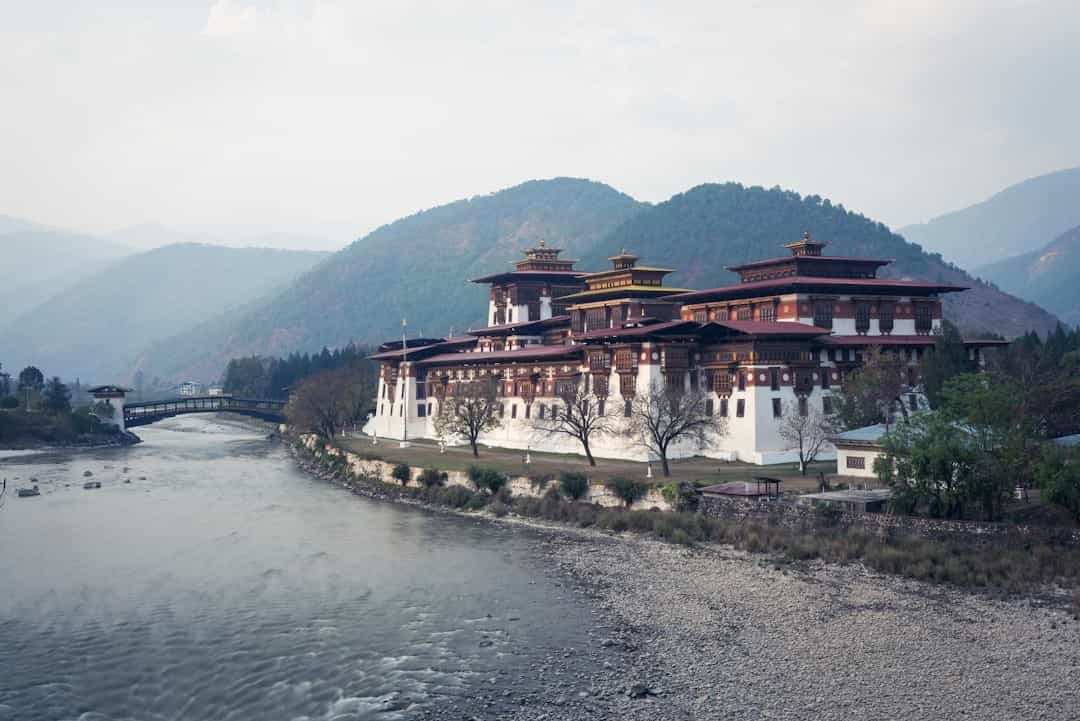
Jigme Singye Wangchuck National Park, Bhutan
Jigme Singye Wangchuck National Park (JSWNP) is a centrally located protected area in Bhutan named after the fourth King, His Majesty Jigme Singye Wangchuck. Established in the early 1990s as part of Bhutan's national conservation program, it protects a wide altitudinal range of ecosystems from subtropical broadleaf forest to alpine meadows and high ridgelines. The park preserves important watersheds, supports traditional pastoral and agricultural communities, and conserves habitat for several globally and regionally important species.
Last updated: 22 Jan 2026
Places to visit
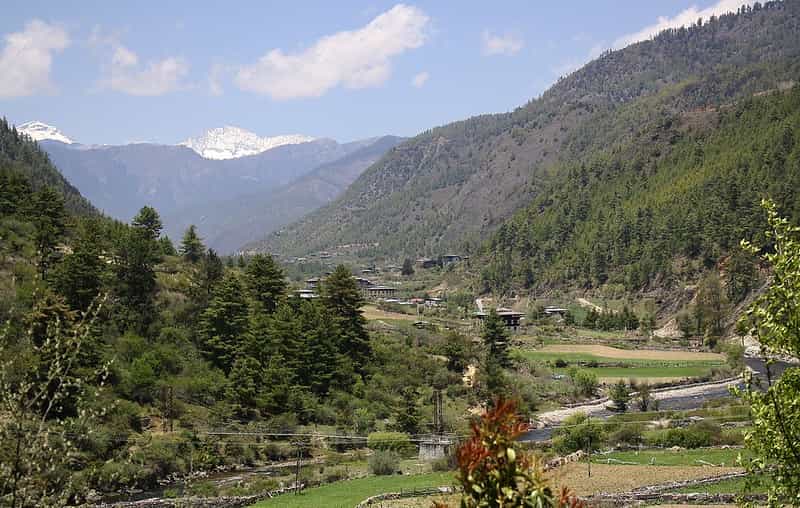
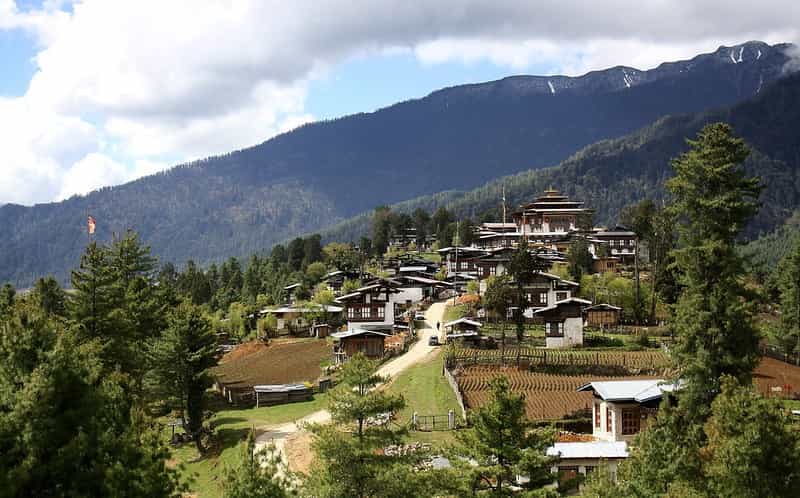
- Phobjikha (Gangtey) Valley — scenic glacial valley and crane wintering site
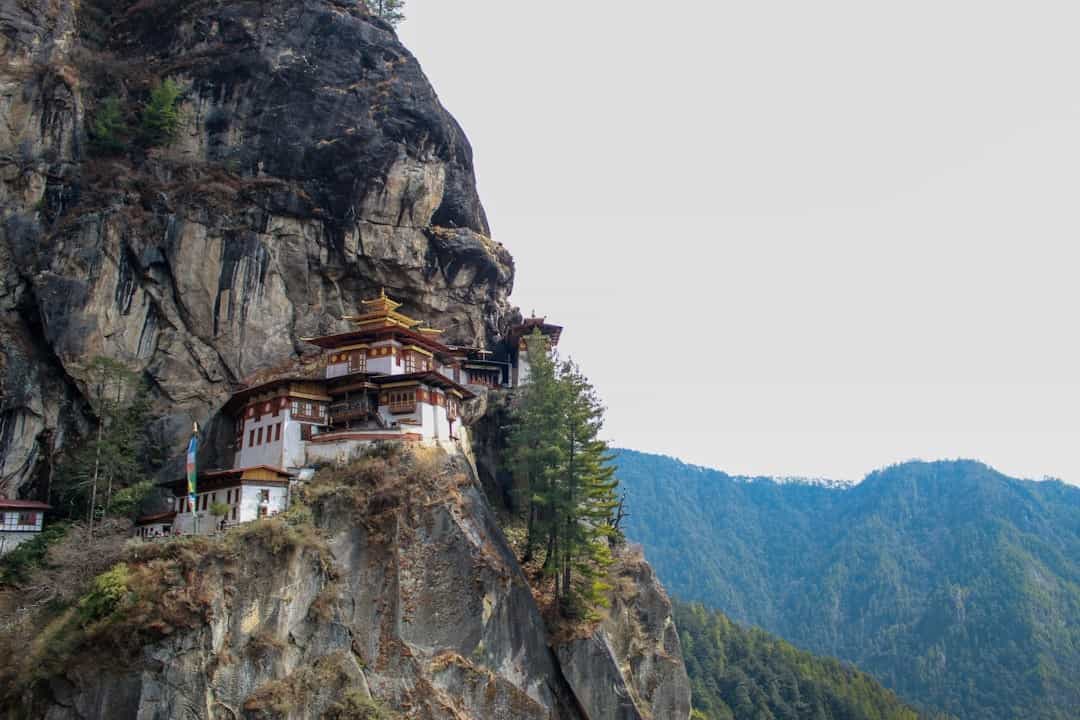
- Gangtey Monastery — important Nyingma monastery with panoramic views
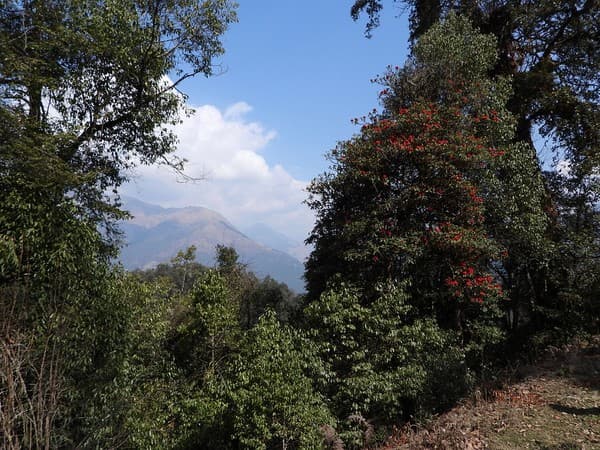
- High-altitude rhododendron forests and alpine meadows
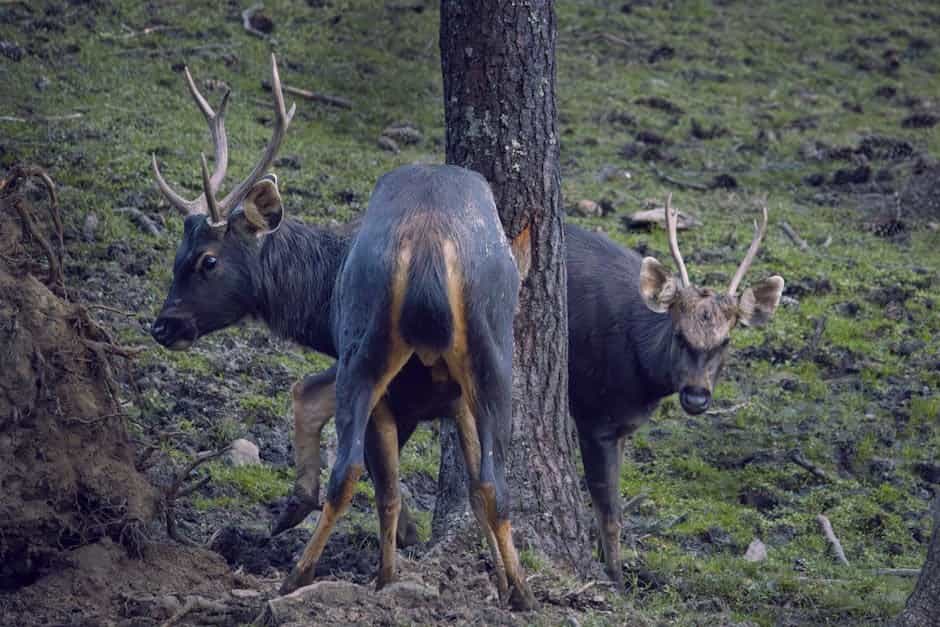
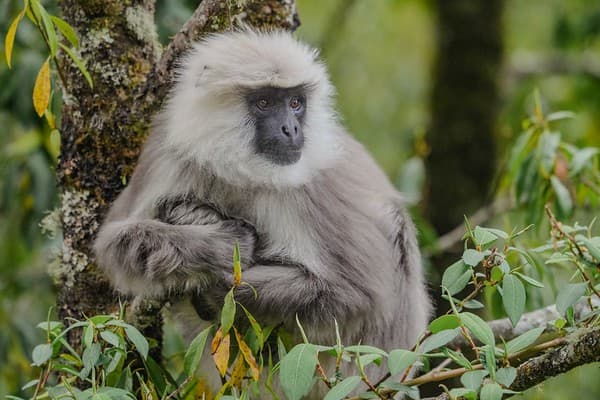
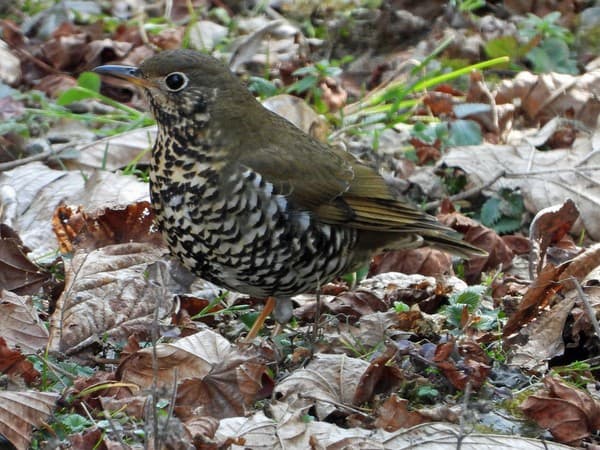
- Wildlife viewing zones — opportunities to see takin, red panda, Himalayan black bear, and rare birds
- Traditional villages and cultural homestays in communities around the park
Unique Aspects
- Extensive altitudinal range (subtropical to alpine) supporting diverse habitats
- Seasonal congregation of black-necked cranes in Phobjikha Valley (winter)
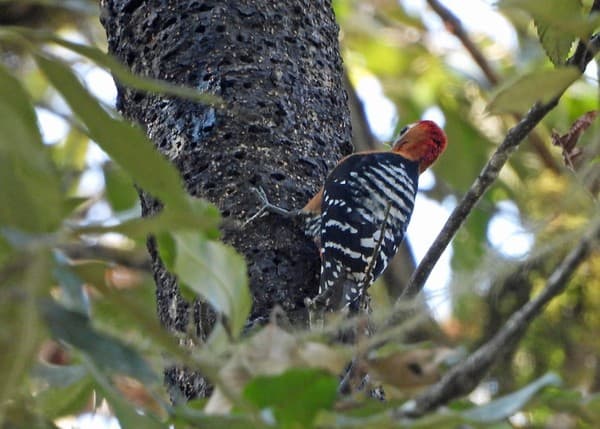
- Rich birdlife including pheasants, monal and specialized Himalayan species
- Scenic drives and trekking routes with panoramic mountain vistas
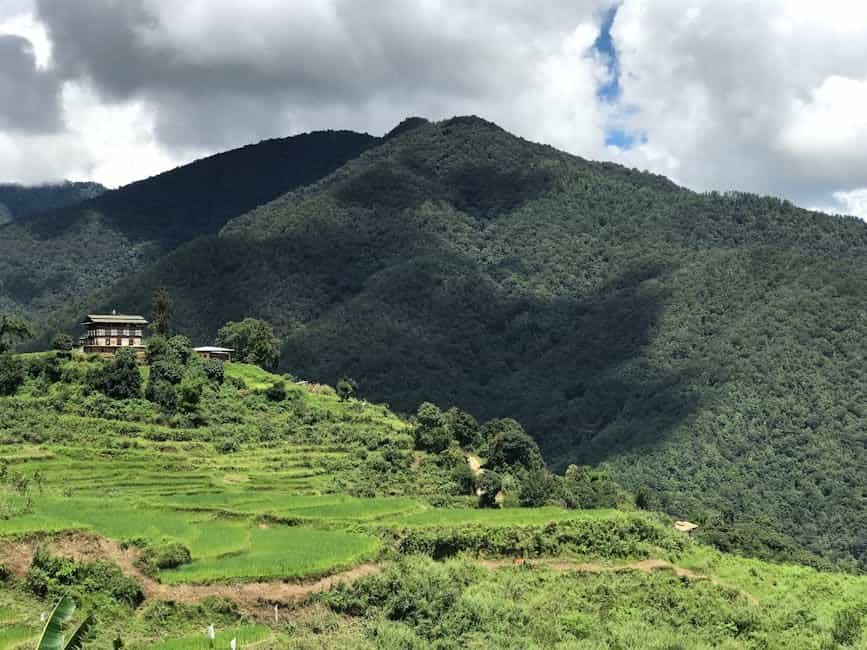
- Cultural landscapes where traditional agriculture and monastic life continue
Things to do
- Guided nature walks and short hikes around Gangtey and village trails
- Longer treks into alpine meadows and ridge routes (seasonal and permit-dependent)
- Birdwatching for pheasants, raptors, and other Himalayan species
- Wildlife spotting with local guides (takin, red panda sightings are rare but possible)
- Cultural visits to Gangtey Monastery and local villages; homestays and community-based tourism
Best Time to Visit
Two strong windows: spring (March–May) for rhododendron blooms and clearer weather; autumn (September–November) for stable skies and trekking. Winter (November–February) is best for seeing black-necked cranes in Phobjikha Valley; be prepared for cold conditions.
Weather Conditions
Mountain climate with significant variation by altitude: warm, humid conditions in lower subtropical valleys; cool to cold conditions at mid and high elevations. Expect rain during the summer monsoon (June–August) and snow at higher elevations in winter.
Entry Fees & Permits
Access to the park and travel in Bhutan requires a visa (issued in advance) and travel through an authorized Bhutanese tour operator. Specific park permits, local guide requirements, and national tourism fees apply. Park areas are generally open year-round, but some trails or roads may be seasonally restricted; confirm schedules and permit details with your tour operator or the Bhutanese authorities.
Accessibility
Nearest international airport: Paro (accessible from outside Bhutan). Overland travel by road connects Paro/Thimphu to central regions; road journeys may be long and involve mountain driving. Key access points include Wangdue Phodrang, Trongsa and Punakha regions depending on which sector of the park you plan to visit. Local roads and trails require flexible planning and time allowances.
Recommended Duration
A minimum of 2–4 days to explore Phobjikha/Gangtey area properly; 5–7 days or more recommended for multi-day treks and to experience cultural sites comfortably.
Clothing & Gear Tips
Layered clothing for changing mountain conditions, warm insulated jacket for mornings/evenings (especially in winter), waterproof outer layer for rain, sturdy hiking boots, sun protection (hat, sunglasses, sunscreen), and binoculars for birdwatching.
Local Food & Souvenirs
Try Bhutanese specialties such as ema datshi (chili-cheese stew), momos (dumplings), buckwheat dishes common in higher valleys, local dairy products and honey. Good souvenirs include handwoven textiles (kira and gho fabrics), Bhutanese handicrafts, prayer flags, and locally made woodcrafts or woven baskets.